








Introduction:Delve into the world’s three major mainstream coffee species — Arabica, Robusta, and the rare Liberica — and explore their classic cultivated varieties such as Typica, Bourbon, and Maragogype. This article will guide you through each coffee bean’s unique characteristics in appearance, flavor, and growing background, and analyze why Maragogype beans are so large yet possess delicate flavors. This will help you make more informed choices when selecting coffee beans.
There are countless coffee-growing regions around the world, whether it's Brazil, Colombia, or Indonesia — each producing beans with distinct profiles. When classified by variety, they can be mainly grouped into three categories: Arabica, Robusta, and Liberica. Among these, Arabica is renowned for its elegant aroma and bright sweetness, making it the dominant choice in the specialty coffee market. Common varieties such as Typica, Bourbon, and Catimor all belong to this group. Typica, in particular, is one of the oldest surviving coffee varieties, from which famous cultivars such as Blue Mountain and Maragogype have originated.
In contrast, Robusta varieties offer stronger disease resistance and adaptability, thriving in low-altitude and hot climates with higher yields, hence they are commonly used in mass-market products such as instant coffee and canned coffee. As for Liberica, although its cultivation area is smaller, it has a unique flavor profile that’s worth further exploration. Through illustrations, observations, and analysis, this article breaks down the morphological features, brewing performance, and historical origins of these three major coffee species, helping readers build a more solid understanding of coffee varieties.

When talking about classics in the Arabica family, Typica is undoubtedly the starting point. It is the ancestor of most modern Arabica varieties, originating in Ethiopia, Africa, and later spreading worldwide. The famous Jamaican Blue Mountain coffee is a descendant of Typica, known for its sweet, balanced aroma and gentle acidity. In addition, coffee beans from Papua New Guinea, introduced from Blue Mountain and grown in similar high-altitude environments, are also hailed as “Little Blue Mountain,” inheriting the elegant flavors from the Typica lineage.
Typica was once widely planted but suffered significant losses during the major disease outbreaks of the 20th century due to its extreme susceptibility to leaf rust. Take Indonesia as an example: areas that were originally dominated by Typica gradually shifted to planting the disease-resistant and high-yield Catimor variety. Even so, some regions, such as Yunnan, still maintain limited Typica cultivation, but due to lower yields and more challenging care requirements, they have largely been replaced by the higher-yielding Catimor.
Currently, both commercially available Yunnan small-grain coffee and sun-dried Catimor have their own distinctive qualities. The former, processed via washed methods, offers a clean and refreshing taste, while the latter, using sun-drying techniques, delivers richer and fuller layers of flavor. Notably, some producers have imported batches of Catimor beans from Indonesia and Yunnan to compare processing differences and flavor profiles across regions.
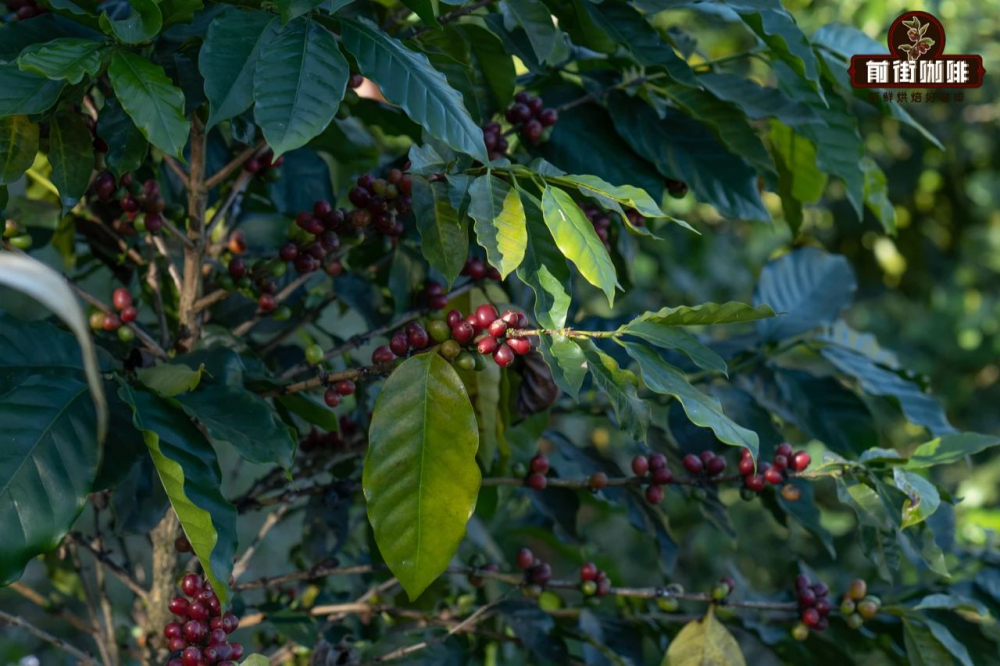
If we’re talking about the most eye-catching Arabica variety in appearance, it has to be Maragogype. Maragogype is a mutation of Typica, with beans more than three times the size of regular Arabica beans, making them particularly striking. It is mainly found in Central American regions, including Guatemala, Mexico, Nicaragua, Honduras, and Brazil. Despite its surprising size, its flavor performance doesn’t fall short — on the contrary, when grown at altitudes above 1500 meters, it showcases exceptional sweetness and a gentle body.
Maragogype beans grown at typical altitudes of 700 to 800 meters often exhibit more ordinary flavors, lacking complexity. But when cultivated in high-altitude areas, their aromatic intensity significantly increases, with gentle acidity and enchanting sweetness. Such high-altitude Maragogype beans are also hailed as the “Central American Blue Mountain” due to their not only unique appearance but also flavors that reflect the refined balance reminiscent of Blue Mountain. Nicaragua’s Mamamina Estate is a representative producing area, where its Maragogype beans are not only rich in fruity notes but also showcase complex layers of blackberry and citrus tones, with a smooth mouthfeel and long-lasting aftertaste.
Next, let’s discuss Robusta (Robusta), a variety that presents a stark contrast to Arabica. Robusta boasts extremely high heat tolerance and disease resistance, along with relatively lenient soil and climate requirements, so it is mostly cultivated in low-altitude regions, especially in places like Vietnam and Sulawesi, Indonesia. Compared to Arabica, Robusta contains a higher caffeine content, and in terms of flavor, it tends to be more intensely bitter with less noticeable acidity, typically used as the base for instant coffee or three-in-one blends.
Although Robusta’s flavor profile isn’t as delicate as Arabica’s, its bold and robust characteristics still have a place in certain brewing methods or blend formulations. It suits consumers who prefer strong flavors and seek an energizing effect. In addition, hybrid varieties between Robusta and Arabica, such as Castillo, aim to combine the strengths of both, creating a practical variety that is both disease-resistant and offers decent flavor.
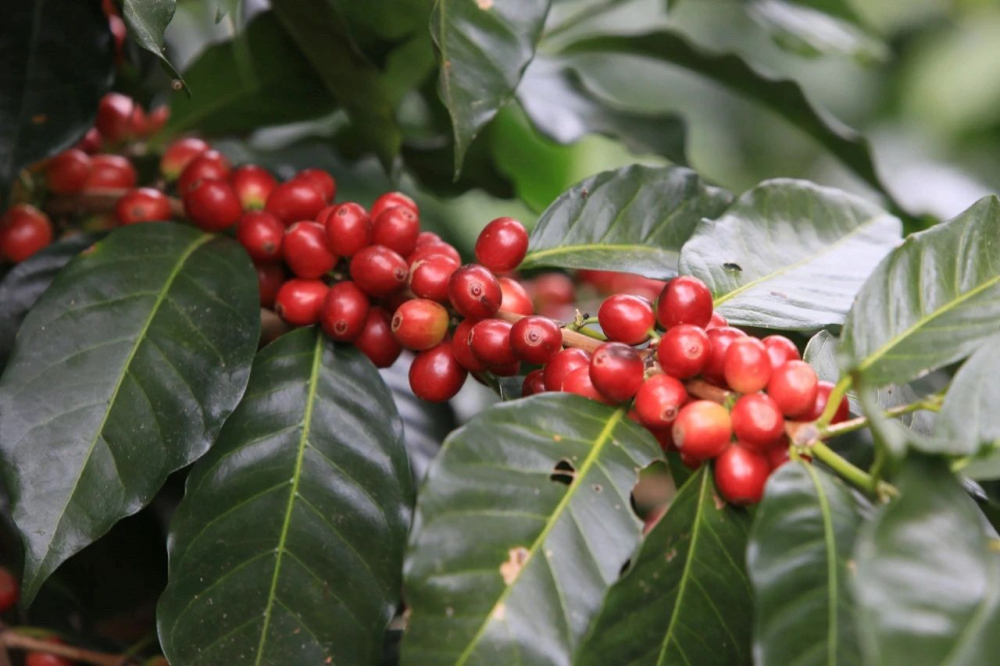
Castillo is the result of years of breeding by Colombia’s coffee research institutions. It was developed through multiple generations of selection from Timor (a hybrid of Arabica and Robusta) and Caturra (a variety of Caturra) — specifically, Caturra’s variation. This variety not only retains Robusta’s disease resistance but also preserves some of Arabica’s aromatic potential, making it one of Colombia’s main planted varieties. Its stable yield and disease tolerance have made it highly favored in commercial cultivation.
Some merchants have also imported the Castillo variety from Colombia, among which the San Jose and Sakura beans are particularly representative. These beans often use special processing methods — for example, San Jose employs an innovative process combining washed processing with rum barrel fermentation. It’s understood that after harvest, these coffee cherries are first hand-sorted to select only fully ripe fruits, then undergo approximately twenty hours of tank fermentation. They are subsequently placed in rum barrels aged over eight years and left to rest for three months, with daily turning to enhance alcohol aroma absorption. Finally, they are sun-dried at ambient temperatures. During cupping, these beans not only exhibit pronounced alcoholic aromas but also deliver rich tropical fruit notes, offering a unique and memorable flavor.
The above content is compiled by CoffeeHunters, a coffee news website.


