







Introduction:Want to brew professional-level espresso at home but don’t know how to choose a machine or beans? This article delves into the characteristics of popular market brands, provides beginner-friendly buying tips, pairs them with a practical espresso extraction process, and recommends starter coffee bean series to help you build your ideal coffee corner from scratch.
To enjoy a cup of espresso at home that rivals café quality, choosing the right espresso machine is the key first step. With many brands on the market — from De'Longhi and Gaggia to Philips — each has its own design philosophy and ideal use scenarios. This article will guide you through the selection tricks and pair them with a practical operation process, making it easy for you to get started.
Image caption: Typical structure and operation interface of a home semi-automatic espresso machine
When purchasing a home espresso machine, it’s important to first understand the basic classifications. Fully automatic machines may complete the entire process from grinding beans to serving with one touch, but they offer less flexibility; whereas semi-automatic machines require manual operation but allow users to precisely control grind size, tamping pressure, and extraction time — making them the top choice for those seeking flavor complexity. Especially with pump-driven designs from brands like De'Longhi and Gaggia, which can steadily provide 9-bar pressure, this is a necessary condition for extracting golden crema.
Among many brands, De'Longhi, as a representative of Italian home espresso machines, offers the ECO310 model at under 2000 RMB, featuring a 16-cup capacity and a stable pump system, suitable for everyday home use.The Gaggia CRM3005, at a mid-range price of about 1300 RMB, provides a professional-grade pressure gauge and dual heating system, reducing preheating time. The Philips HD7450, while being a drip-style Americano machine, is also an option to consider for beginners due to its affordable price of just over 200 RMB. The Tsann Kuen TSK-1826B4 and Morphy Richards MR4677 also enter the market with pump-driven semi-automatic designs, offering different budget solutions at 400 RMB and 800 RMB respectively.
Selecting the right coffee beans is equally crucial. Beginners are advised to start with formula blends that offer stable flavor profiles, such as classic blends with distinct chocolate and nut notes, suitable for practicing extraction consistency; if you prefer bright acidity and layered flavors, medium-roasted espresso blends can bring out wine-like and berry aromas; while balanced and mellow blends stand out as a long-term favorite for many home users. Be sure to choose fresh beans based on roast date and store them properly in light-proof, airtight containers.
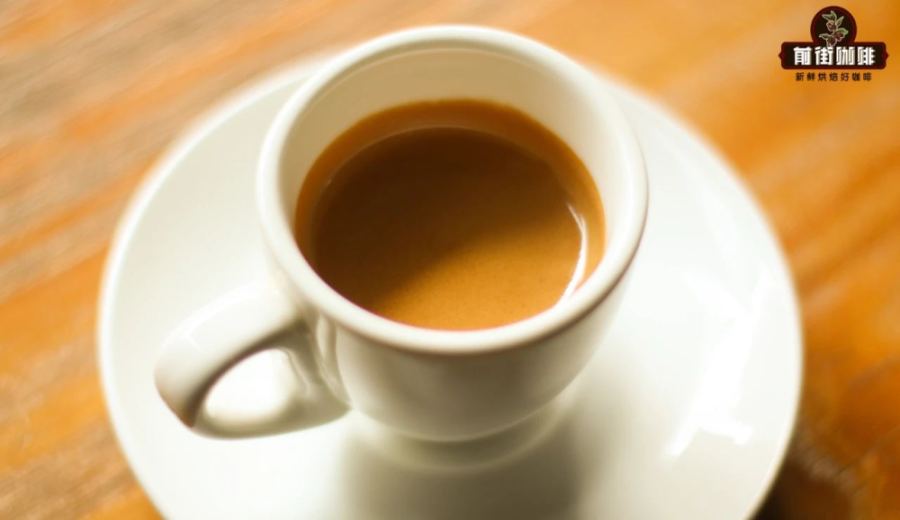
The recommended actual operation process is as follows: First, preheat the machine and cup — this step prevents heat loss affecting extraction temperature; next, adjust the grinder to a medium-fine setting (about 1.5–2.0 scale), slightly finer than pour over but without clumping; when filling the portafilter, distribute the grounds evenly with gentle tapping to avoid channeling; when using a tamper, maintain a pressure of around 9–10 kilograms to form a flat and compact coffee puck. During extraction, observe that the flow rate should produce 30–36 ml of liquid in 25–30 seconds, with the ideal golden crema thickness being about 3–5 mm.
Common issues include overly fast extraction leading to sourness, usually caused by too coarse a grind or insufficient tamping; if the coffee tastes too bitter or astringent, it may be due to too fine a grind or excessive pressure. Regularly cleaning the brewing head residue and capsule collection box helps maintain machine performance and flavor purity. It is recommended to descale weekly, especially for users in hard water areas.
No matter which brand or model you choose, understanding the basic principles and practical operation details is the core to improving the quality of home-brewed espresso. By continuously adjusting parameters and taste-testing, you’ll gradually find the combination that best suits your palate.
The above content is compiled by CoffeeHunters, a coffee news website.


