







Introduction:PWN Golden Mandheling is a representative high-quality single-origin coffee from Indonesia’s Sumatra region, renowned for its rich, clean flavor profile and unique processing method. This article delves into the background of this classic Mandheling variety, including its growing region, varietal evolution, wet-hulling process, and offers practical pour-over brewing recommendations—such as a 1:15 coffee-to-water ratio, a brewing temperature of 86–87°C, suitable filter types, and grind size—to help you master optimal extraction and experience its layered notes of bold nuts and caramel aroma.
Indonesian coffee has long been cherished by coffee enthusiasts around the world for its bold, rich taste and captivating aroma, with Mandheling being one of the most iconic offerings. Among the many Mandheling products available, Golden Mandheling produced by Indonesia’s PWN company stands out as an industry-recognized specialty-grade single-origin bean, thanks to its rigorous selection process and consistently high quality. This article will take you through a comprehensive exploration of this classic bean’s charm—from its origin and varietal, to processing methods, pour-over techniques, and brewing advice.
The origin of the name “Mandheling” actually stems from an interesting misunderstanding. It is said that the name originated after World War II when Japanese soldiers, longing for Indonesian coffee, sought out high-quality beans upon returning home. Due to language barriers, they misheard the local response “Mandailing” (a place name) as “Mandehling,” which eventually evolved into the now well-known “Mandheling.” Interestingly, that local person is believed to be the founder of what later became the PWN company.
The birth of Golden Mandheling is tied to the Japanese coffee market’s dedication to quality. In the early days, Japanese traders introduced a strict selection system to address the common issues of high defect rates and strong off-flavors in Mandheling coffee—including density grading, color sorting, and four rounds of manual bean picking—to ensure each green bean was uniform in appearance and free of obvious defects. This processing resulted in Golden Mandheling exhibiting a cleaner, brighter taste and more pronounced sweetness, offering a more refined profile compared to regular Mandheling.
However, the trademark for Golden Mandheling ultimately did not end up with a Japanese company but was instead registered by Indonesia’s local PWN company (Pwani Coffee Company). Since then, similar products in the Japanese market have mostly been sold under the name “Gold Top Mandheling.” In terms of bean shape, the PWN version predominantly uses the traditional Typica variety, with larger bean size, while the Japanese version mainly features Typica variants with smaller beans. Both have their own flavor strengths, and preference varies from person to person.
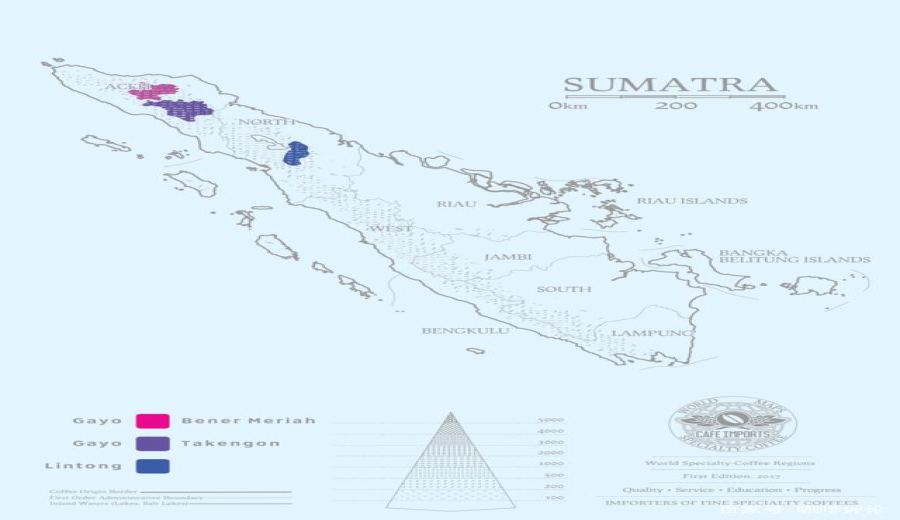
Sumatra is Indonesia’s primary Mandheling-producing region and one of the few highland areas in the world that still cultivates Arabica on a large scale. This large tropical island near the equator experiences a humid, rainy climate, and although overall elevation limits the cultivation of some premium Arabica varieties, high-altitude regions between 1100 and 1600 meters can still produce coffee beans with rich flavor. It’s worth mentioning that Mandheling from theLintong region was once among the most popular, but today “Lintong Mandheling” generally refers to coffee produced in a specific small area within that administrative region.
In recent years, PWN has chosen Gayo Mountain in the northernmost part of Sumatra as a new growing region. This area, located around the town of Takegon and the slopes of Lake Tawar, sits at an altitude between 1100 and 1600 meters, enjoying ideal climate conditions and producing coffee of exceptional quality. Due to past political instability, coffee from this region had long faced export challenges. It has only recently returned to the international market as the situation has stabilized, gaining attention for its outstanding flavor profile.
A significant part of what makes Indonesian Mandheling so captivating lies in its unique “wet-hulling” process. Developed in response to Indonesia’s rainy climate and economic factors, wet-hulling allows for faster processing compared to washed or natural methods and imparts a distinctive flavor profile to the beans. However, because the beans are still semi-dry when the mucilage and parchment layers are removed, it often leads to cracking and deformation—resulting in the so-called “elephant ear” bean shape, a common characteristic of Mandheling, not a defect.
The main steps of the wet-hulling process consist of two phases: First, a wooden pulper removes the skin and pulp, followed by brief fermentation and drying to reach a moisture content of about 30% to 50%; next, the sticky mucilage and parchment are removed, and the beans are further dried until their moisture level drops to 12% to 13%. Some producers also practice “aged wet-hulling,” storing the processed beans for 2 to 3 years, which allows the acidity to transform into richer sweetness and a fuller body, while the color gradually darkens to deep brown—delivering a flavor experience distinct from freshly roasted beans.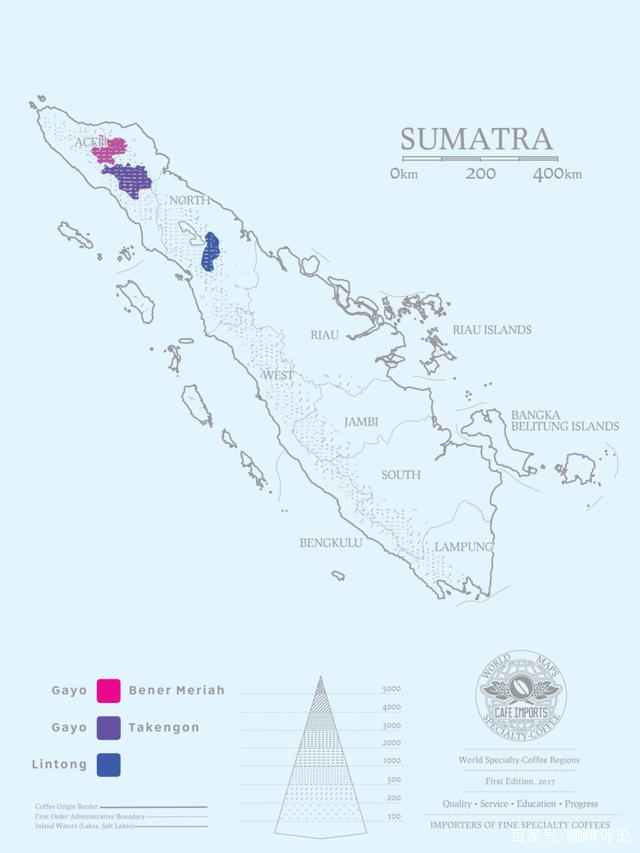
In terms of varietal, PWN Golden Mandheling primarily used the traditional Typica variety before 2020. Typica is one of Ethiopia’s oldest Arabica varieties, known for its elegant flavors but also for its low yield and susceptibility to disease. To improve yield and adaptability, PWN switched to the Ateng variety (also known as Catimor) after 2020. Catimor is a hybrid of Brazil’s Caturra and Timor, which has Robusta lineage. It is highly disease-resistant and productive, making it a widely cultivated, practical variety across Southeast Asia.
If you’d like to brew this bold and flavorful PWN Golden Mandheling at home or in your café, here are some useful pour-over brewing parameters: use a KONO filter, with 15 grams of coffee,1:15, water temperature set between86-87°C, and a recommended grind size of EK43s setting 11 (approximately equivalent to 70% extraction rate through a Chinese No. 20 sieve). These settings will fully showcase its nutty, caramel, and piney notes, while balancing subtle herbal and mild chocolate aromas.
For specific brewing technique, it is recommended to usea multi-pour method: Start with a 30-gram bloom pour for 30 seconds to activate the coffee grounds; then add water in small circular motions until reaching 125 grams for the first pour, wait for the water level to drop slightly, then pour up to a total of 225 grams for the third pour, and finally remove the filter just before the water runs out, with total brew time aroundtwo minutes exactly. This process helps extract the layers of flavor steadily, avoiding over-extraction or excessive acidity.
Once brewed, PWN Golden Mandheling presents a balanced and multi-dimensional flavor profile. On the palate, you’ll notice prominent notes of nuts and caramel, complemented by delicate herbal and chocolate undertones. Its mouthfeel is full-bodied yet clean, making it highly suitable for specialty coffee enthusiasts who appreciate intricate single-origin profiles. Whether enjoyed daily or featured as a premium single-origin offering on a café menu, it delivers outstanding performance.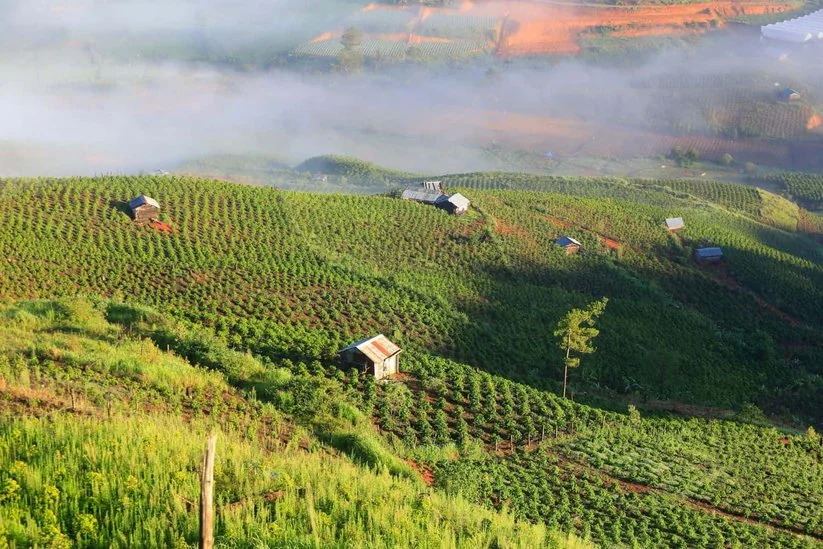
The above content is compiled by CoffeeHunters, a coffee news website.


