







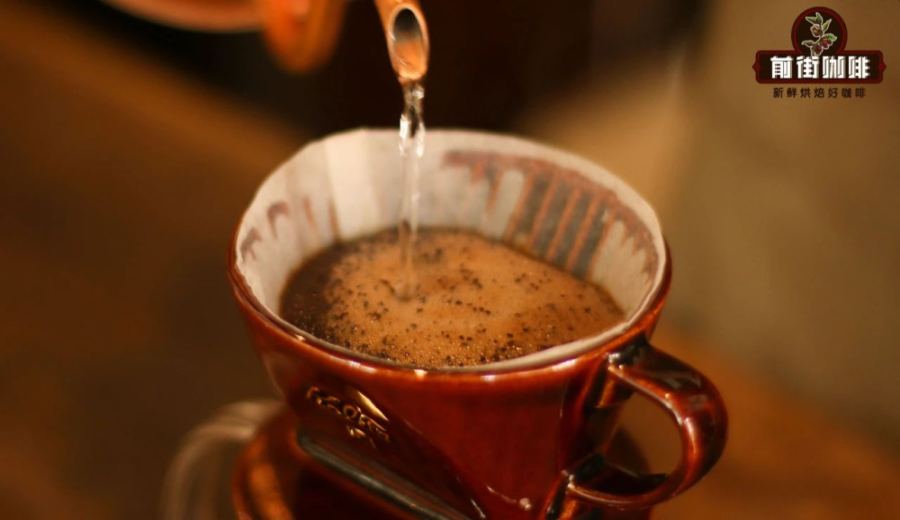
Introduction:Pour over coffee may seem simple, but it involves many nuanced techniques. From selecting the right grind size, precisely controlling water temperature, to adjusting the coffee-to-water ratio and mastering the pouring rhythm, each step affects the final flavor profile. This article will systematically analyze the four core factors that influence the quality of pour over coffee, and delve into the three-phase pouring technique, helping coffee enthusiasts accurately grasp extraction essentials and consistently brew layered single-origin coffee at home.
Brewing a pour over coffee with rich dimensionality and complexity at home depends not only on high-quality beans, but more critically on mastering grind coarseness, water temperature, coffee-to-water ratio, and pouring techniques. Every detail directly relates to the extraction outcome, which in turn influences the coffee’s aroma, acidity-sweetness balance, and aftertaste.
What is pour over coffee?
As the name suggests, pour over coffee is the manual extraction of soluble flavor compounds from coffee grounds using a stable water flow. The entire process takes place under atmospheric pressure, where an appropriate amount of ground coffee is placed in a filter cone with filter paper, and then slowly infused with heated water at the right temperature to draw out the essence of the coffee. It not only requires careful selection of brewing equipment, but also a deep understanding of extraction parameters to effectively restore the original flavors of the coffee beans.
Definition and characteristics of single-origin coffee beans
Pour over coffee is best suited for brewing single-origin coffee beans, which come from specific regions and have clear traceability — identifiable down to the country, region, or even individual farm. Because of this, single-origin beans often exhibit unique regional terroir characteristics, such as bright fruit acidity, rich body, or complex spice notes.
Premium global coffees mainly come from three major regions: Asia, Africa, and Latin America. Due to differences in altitude, climate, and processing methods, each area produces distinct flavor profiles. Generally speaking, Asian origins like Indonesia’s Mandheling often carry herbal, spicy, and heavy body notes; African beans like those from Ethiopia showcase bright fruit acidity and floral aromas; Latin American coffees tend to offer a balanced acidity and sweetness, along with nutty and chocolatey notes.
The four key parameters affecting pour over flavor
To successfully extract the essence of coffee, focus on four essential elements: grind coarseness, water temperature, coffee-to-water ratio, and pouring technique. These variables not only affect extraction efficiency, but directly determine the taste and flavor expression of the coffee.
1. Grind size

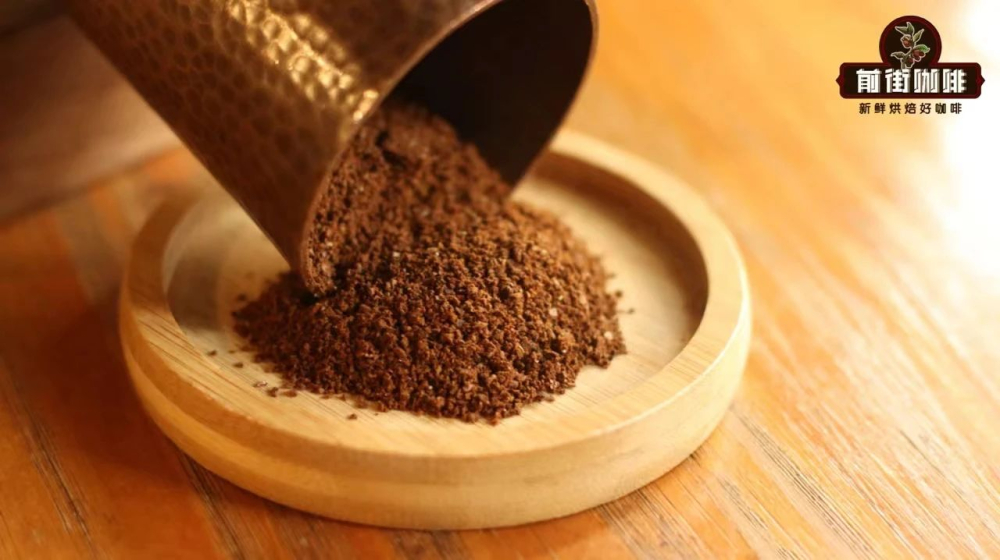
Grind coarseness is the first factor influencing extraction. Even if the grinder models are the same, actual performance may vary due to burr wear or usage frequency. It is recommended to use an international standard #20 sieve for testing, aiming for a passing rate of around 75% to 80%. This range is generally suitable for light to medium roast pour over coffee, helping achieve a balanced extraction rate.
2. Water temperature
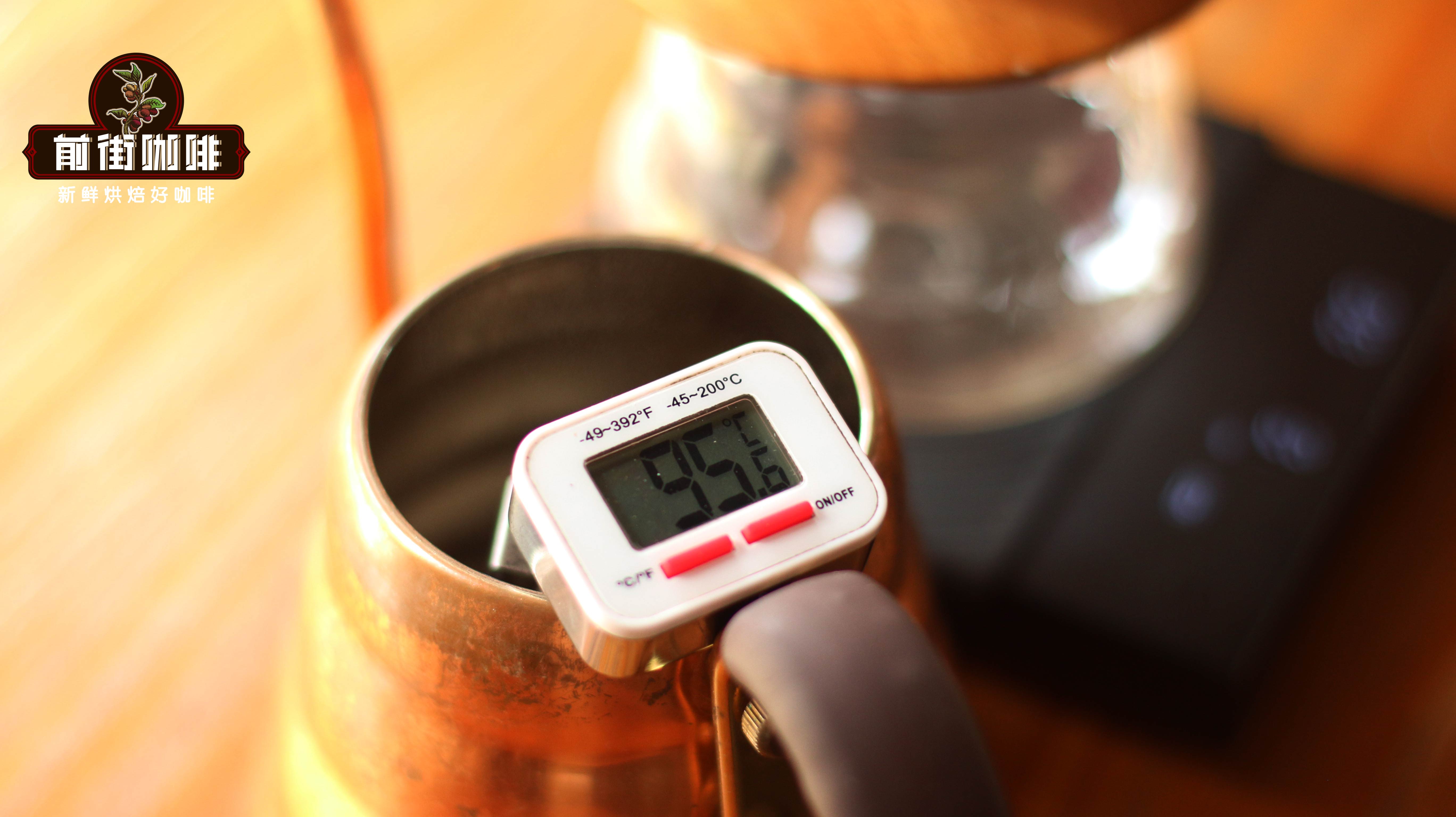
The recommended water temperature range for pour over is 86 to 93°C. Generally, lighter roasts suit higher temperatures, around 90 to 91°C, which helps fully bring out acidity and aroma; darker roasts are better brewed at lower temperatures, around 88 to 89°C, to avoid over-extraction and bitterness. Mastering the water temperature range is a key to maintaining stable flavor performance.
3. Coffee-to-water ratio
The coffee-to-water ratio determines the strength of the coffee, with common ratios ranging from 1:10 to 1:16. A golden ratio of 1:15 is recommended — it’s balanced and easy to drink, and also allows for personal taste adjustments. According to SCA’s Golden Cup extraction theory, the larger the ratio, the lighter the coffee; the smaller, the stronger. It is advised to find your ideal extraction balance between 1:12 and 1:16 based on personal preference.
4. Brewing technique
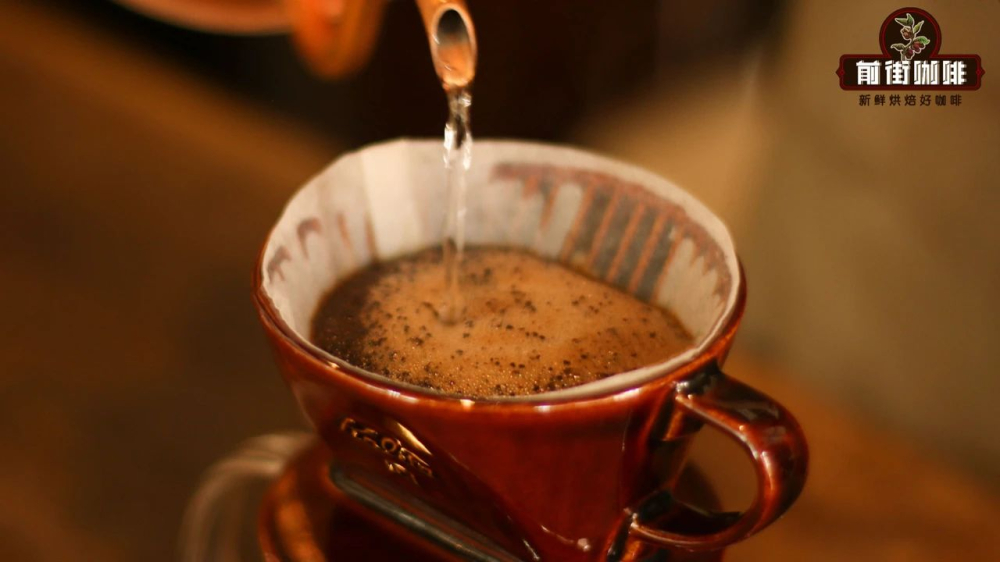
The three-phase pouring method is an ideal choice for beginners, helping control the extraction rhythm and clearly highlight the multi-layered flavors of the coffee’s early, mid, and late stages. This technique achieves even extraction through segmented pouring, reducing the risks of over- or under-extraction.
Step-by-step guide to three-phase pour over
The first phase is the bloom, which helps release gas from the coffee grounds, allowing subsequent pouring to be more even. Then, the second phase involves pouring in small circles from the center, keeping the water flow below the height of the coffee bed; the third phase involves circling again after the water level drops, increasing agitation to release more flavor compounds. Throughout the process, pay attention to pouring speed and rhythm to avoid excessively prolonging the extraction time.
Common causes of bitterness
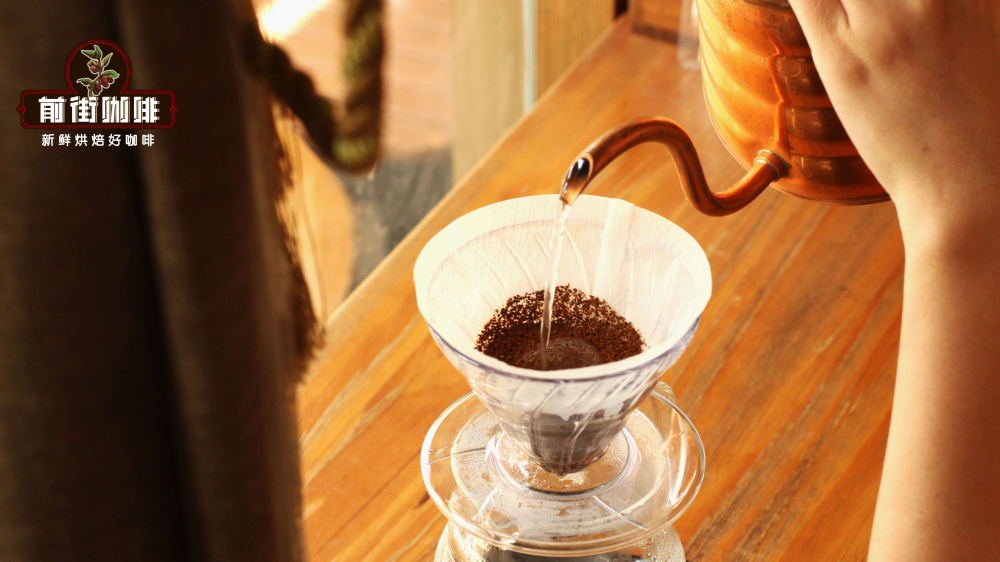
If the brewed coffee has unpleasant bitterness, common causes include improper water temperature, too fast water flow, unsuitable grind size, or inconsistent pouring rhythm. It is recommended to examine these variables one by one, identify the key factors affecting extraction quality, and further optimize the pour over process.
Essential equipment for pour over coffee
To successfully brew pour over coffee, you’ll need a set of specialized tools, including a pour over kettle, filter cone, filter paper, grinder, thermometer, scale, and sieve. Each tool serves a function and has its selection criteria — for example, a gooseneck kettle helps control water flow stability, while different filter cone shapes can affect flow rate and taste.
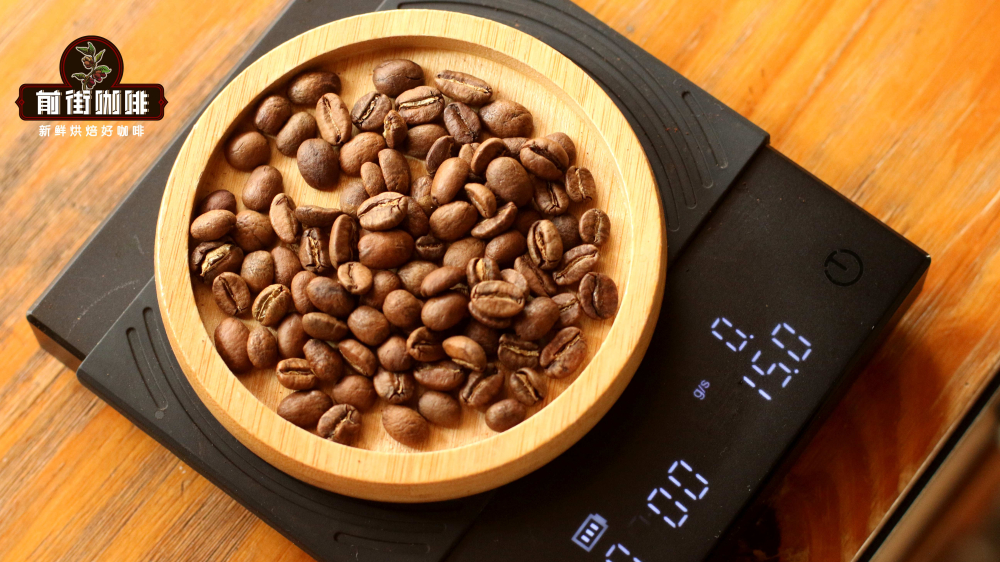

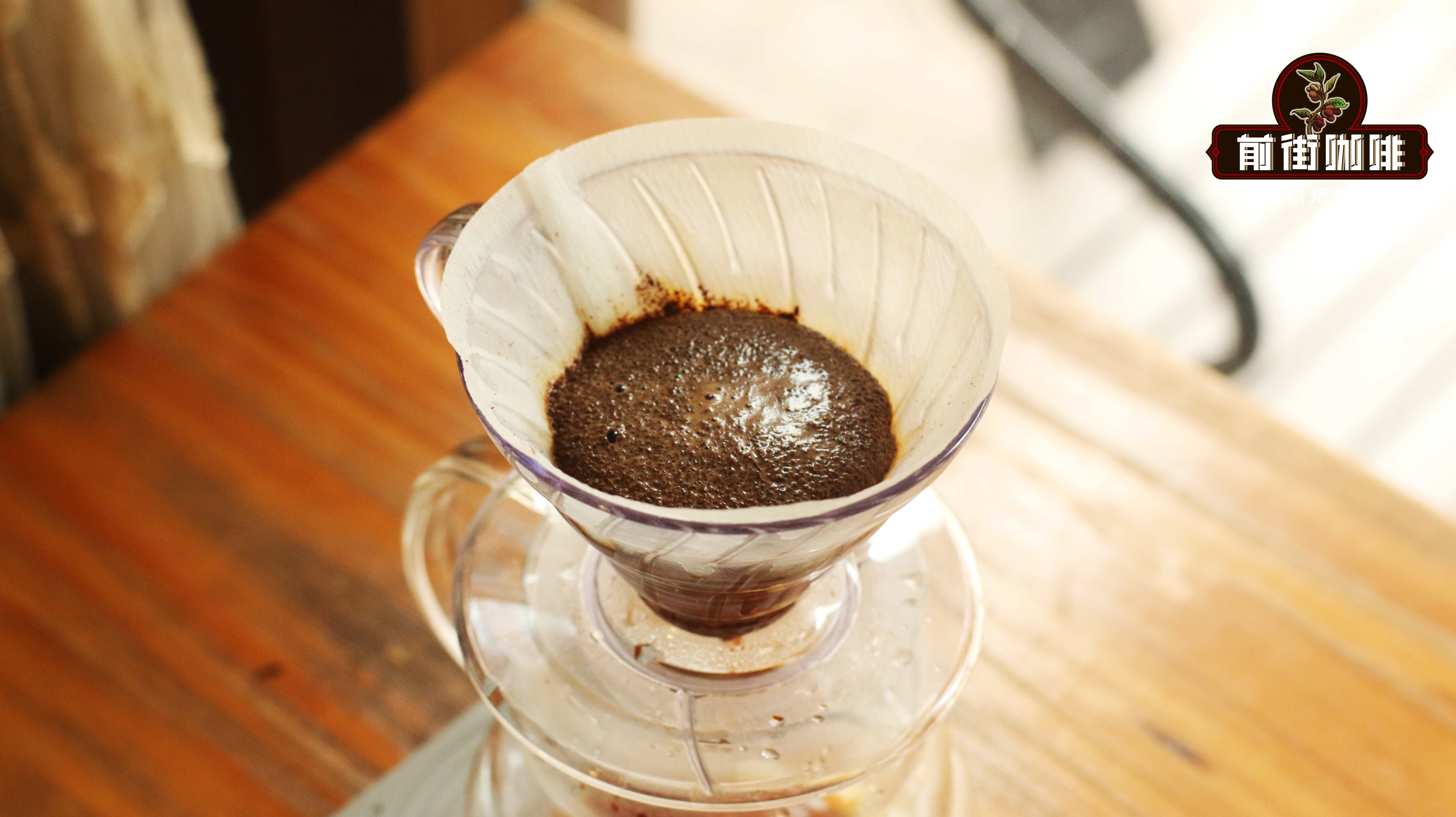
In addition, a sieve can effectively assess whether the grind size meets the target, which is crucial for stable extraction quality. Familiarizing yourself with and correctly using these tools can significantly improve your success rate and flavor outcome when brewing pour over coffee at home.
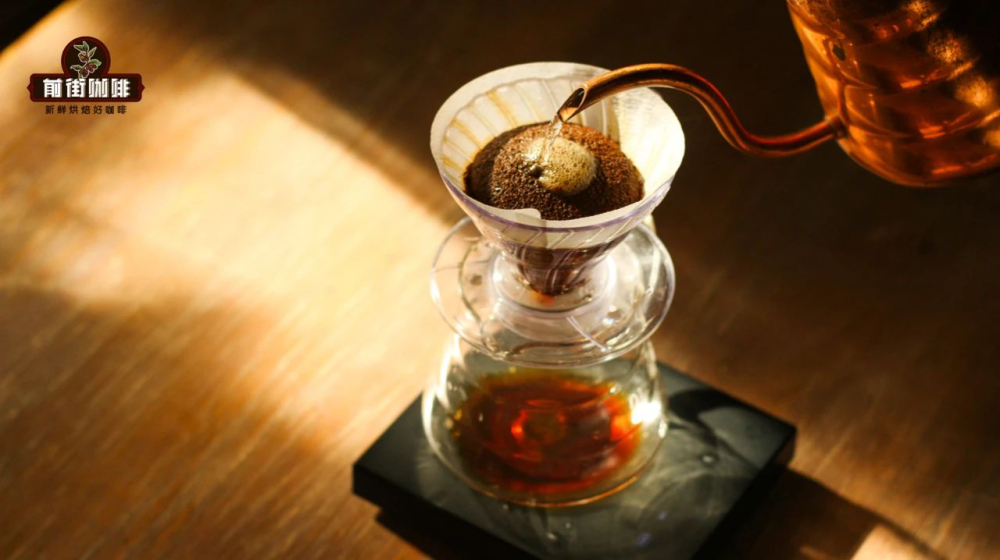
In summary, pour over coffee is a craft that blends science and art. From bean selection and grinding to pouring, every step is filled with details and challenges. Master the 10 key techniques mentioned above, and you too can easily brew professional-level pour over coffee with vivid flavors and rich layers at home.
The above content is compiled by CoffeeHunters, a coffee news website.


