








Introduction:Understanding coffee varieties is the first step in appreciating flavor profiles. This article will delve into the three most representative varieties of the Arabica family: Typica, Bourbon, and Geisha. From their origins, historical context, regional distribution, flavor characteristics to cultivation traits, it will provide you with a comprehensive grasp of the core features and appreciation points of these classic varieties — an essential guide to varieties for both coffee beginners and advanced enthusiasts.
The unique personality of a cup of coffee largely stems from the genetics of its variety. As the mainstream of specialty coffee, Arabica has numerous sub-varieties, among which Typica, Bourbon, and Geisha are not only the most historic and culturally rich representatives, but also each exhibit distinctly different cupping flavors and cultivation challenges. This article will systematically introduce the evolutionary history, characteristic differences, and global distribution of these three classic varieties, along with a practical variety comparison reference, helping readers make more informed choices and enjoy coffee with greater direction.
The variety of coffee determines its flavor profile, sweetness-acidity balance, aroma layers, as well as disease resistance and suitable cultivation altitude. From the wild varieties first discovered in Ethiopia to later spreading globally through trade and colonization, Arabica has evolved into a diverse array of mutations and selected cultivars. Understanding the history of these varieties helps us appreciate the stories and details behind every sip of coffee more deeply.

The cultivation and spread of coffee varieties have a history spanning several hundred years. In 1699, the Dutch East India Company introduced coffee to Java in Indonesia, making it one of the earliest coffee-growing regions in Asia. Subsequently, the Dutch and French played key roles in bringing coffee from the Middle East to Europe and then expanding it to the Americas. In 1706, several coffee trees from Java were successfully cultivated in Amsterdam and later gifted to King Louis XIV of France. In 1723, a French officer secretly brought these coffee seedlings to Martinique, thereby sparking the coffee cultivation trend across the entire Caribbean and Central and South America — marking the beginning of coffee’s globalization.
Over time, coffee has primarily spread across three core regions: Asia and the Pacific, Latin America, and Africa. Although Africa mostly grows Robusta, high-quality washed Arabica beans can also be found in highland regions such as Kenya, Tanzania, and Ethiopia. Latin America is represented by Brazil, Colombia, and Panama — not only leading in production volume, but also setting trends in varietal diversity and processing innovation. Regions in Asia such as Indonesia, India, and Yunnan, China, have also secured a place in the global market thanks to their unique geographic environments and processing techniques.
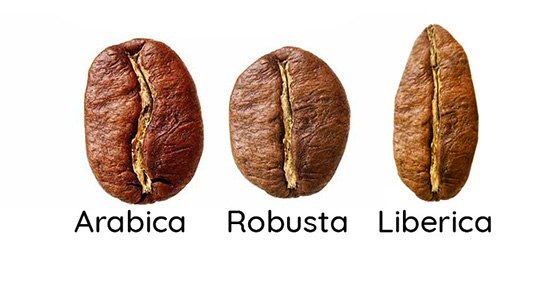
Based on species, coffee can be divided into three main types: Arabica, Robusta, and Liberica. Arabica, known for its delicate aroma, bright acidity, and rich layers, occupies about 60–70% of the specialty coffee market and is the most revered variety. Robusta is highly disease-resistant and yields abundantly, but has a simpler flavor and higher caffeine content, commonly used in instant and canned coffee. Liberica, due to poor adaptability and inferior flavor, holds an extremely low market share and is traded only in small quantities in a few regions.
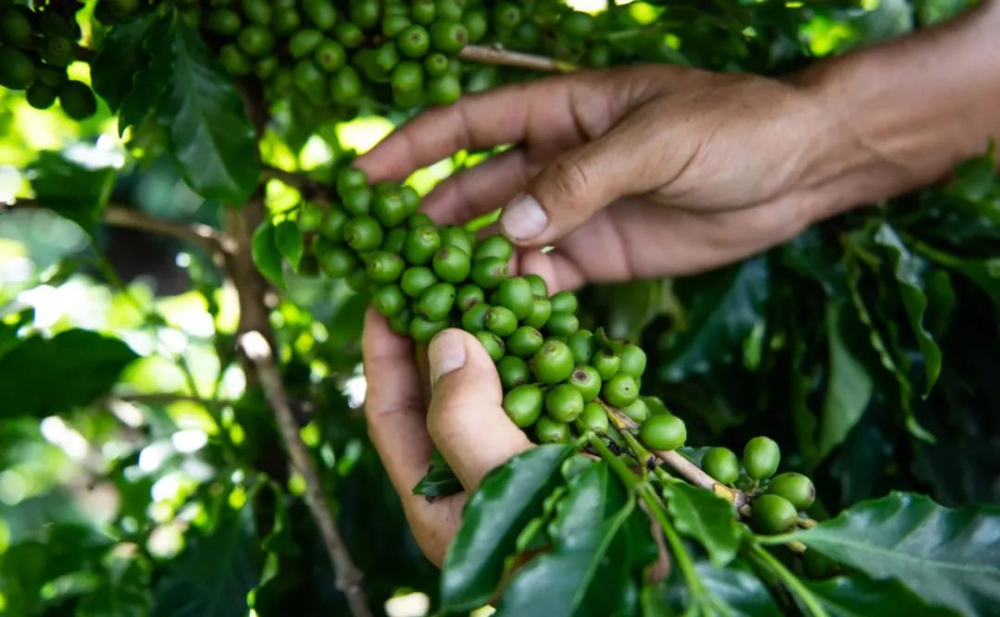
Among the many Arabica sub-varieties, Typica and Bourbon can be considered the most historically significant and representative foundational varieties. Typica originates from Ethiopia and is regarded as one of the variants closest to the original wild type. It offers delicate acidity, good body, and a clean aftertaste, but has low yield and is susceptible to diseases. Its beans are slender and oval-shaped, with bronze-tipped leaves, and the plant grows tall and is hard to manage. Yet, because of its pure flavor, it has long been highly praised in the specialty coffee community.
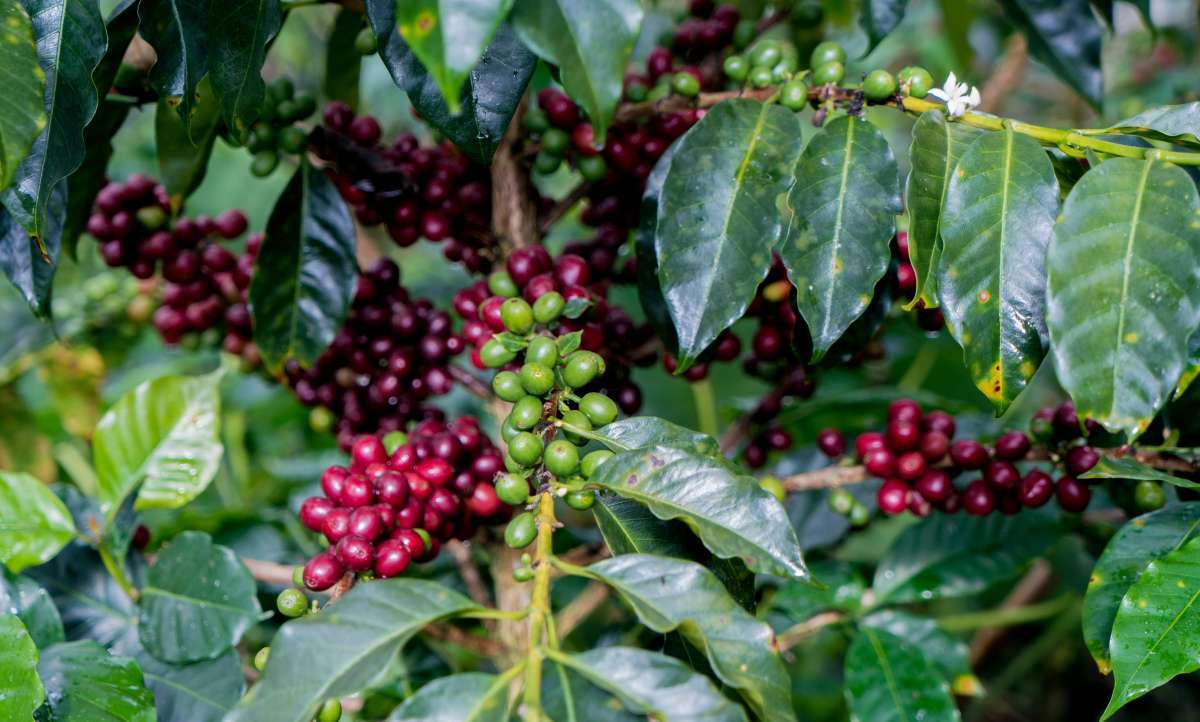
Bourbon naturally mutated from Typica, and its most notable feature is that its bean shape changed from slender to round and plump. This variety was first brought to Bourbon Island (now Réunion) by the French, and later spread to Central and South America, becoming the parent of many modern high-quality varieties. Bourbon typically exhibits a sweeter flavor profile, with notes of caramel, stone fruit, and citrus, along with rich acidity layers, but faces similar challenges of limited yield and disease sensitivity. It has numerous variants, including Red Bourbon, Yellow Bourbon, and the extremely rare Pink Bourbon, each showcasing unique aromatic and taste characteristics.
Geisha (also spelled Gesha), the variety that now shines brightly in the specialty coffee world, actually originated from the Gesha region of Ethiopia. Initially, when planted in Panama, it did not receive much attention until 2004, when the Esmeralda series from Hacienda La Esmeralda stole the show in international cupping competitions, propelling it to fame. Geisha is known for its tall tree structure, delicate floral aromas, citrus tones, and unique notes of bergamot, peach, and honey. Suitable for high-altitude cultivation, it has low yield but delivers exceptionally outstanding flavor performance, making it a dream coffee for many enthusiasts.
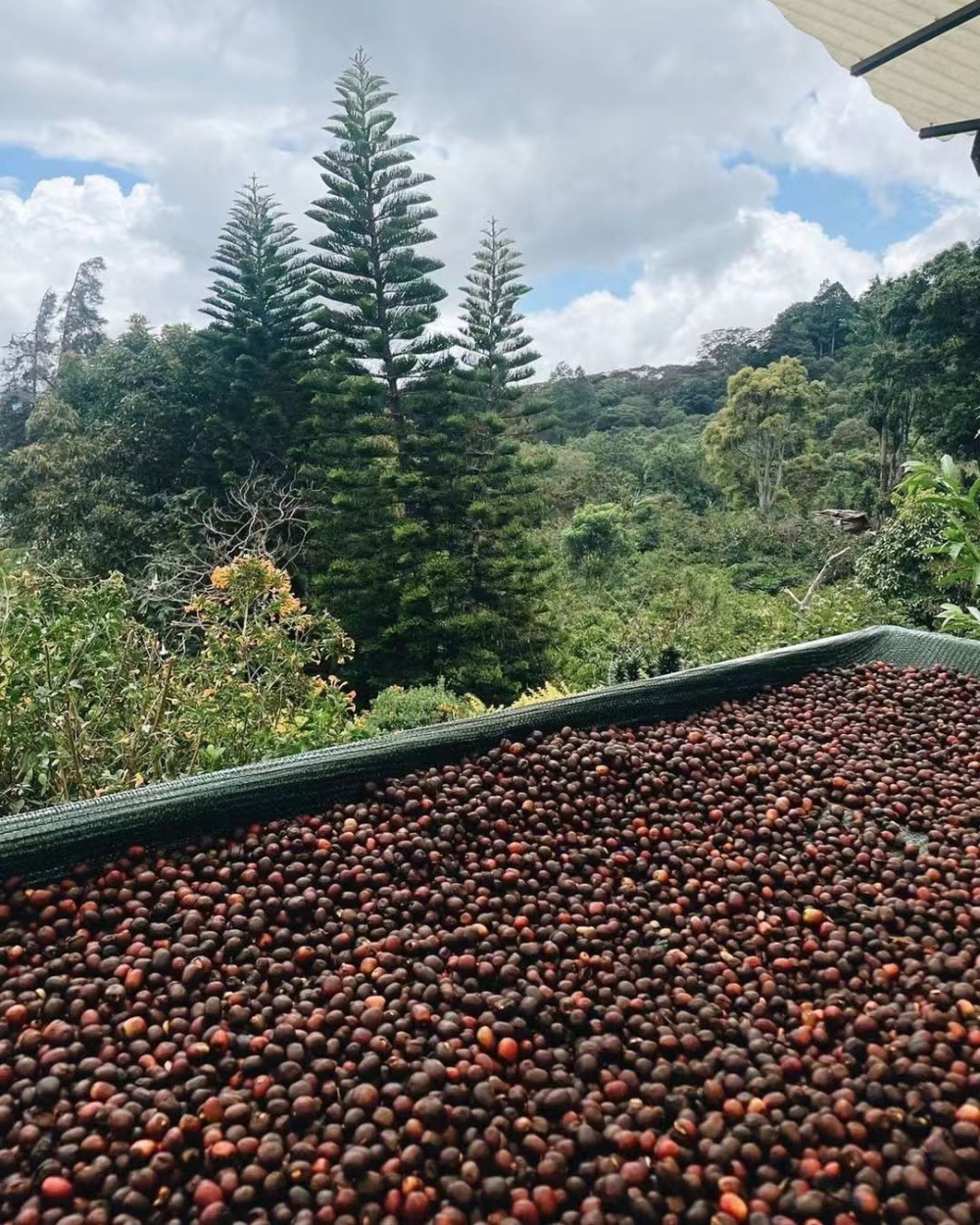
In addition to these three classic varieties, there are many other strains that originated from mutations or crosses between Typica and Bourbon, such as Maragogype, Pacas, Caturra, Yellow Bourbon, Slender Bourbon, and the recently highly regarded Pink Bourbon. These varieties each have suitable growing environments, processing methods, and flavor expressions, not only enriching the diversity of the coffee world but also providing consumers with more opportunities for exploration and enjoyment. Whether you are a coffee newbie just starting out or an advanced enthusiast pursuing ultimate flavor, understanding the characteristics of these varieties will help you choose and appreciate your perfect cup of coffee more accurately.
The above content is compiled by CoffeeHunters, a coffee news website.


