







Introduction:Ethiopia is the birthplace of Arabica coffee and one of the few countries in the world that still retains a rich genetic repository of native coffee varieties. From the legendary story of the shepherd who discovered coffee cherries to the subtle flavor differences across its nine renowned growing regions, this article will take you deep into the history, regional distribution, and unique processing methods of this coffee sanctuary. It also offers practical guidance on flavor interpretation and pour over recommendations to help you explore Ethiopia’s coffee world more precisely.
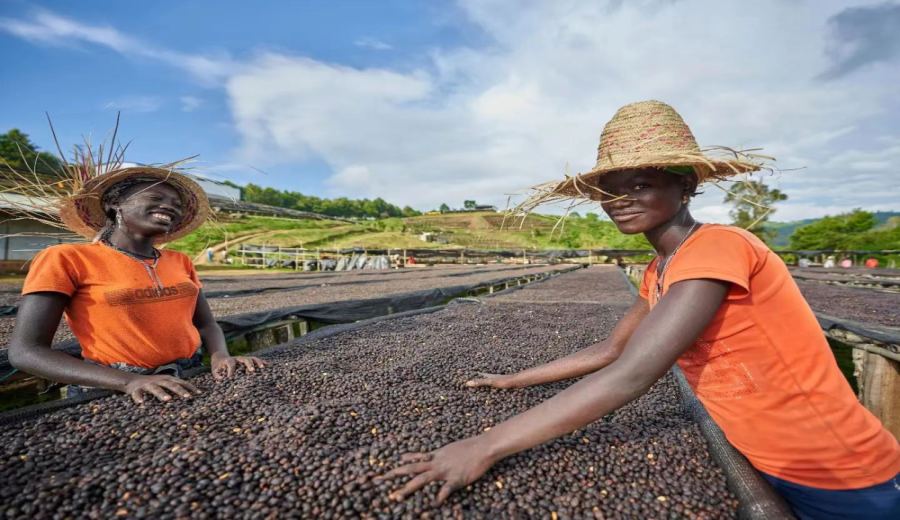
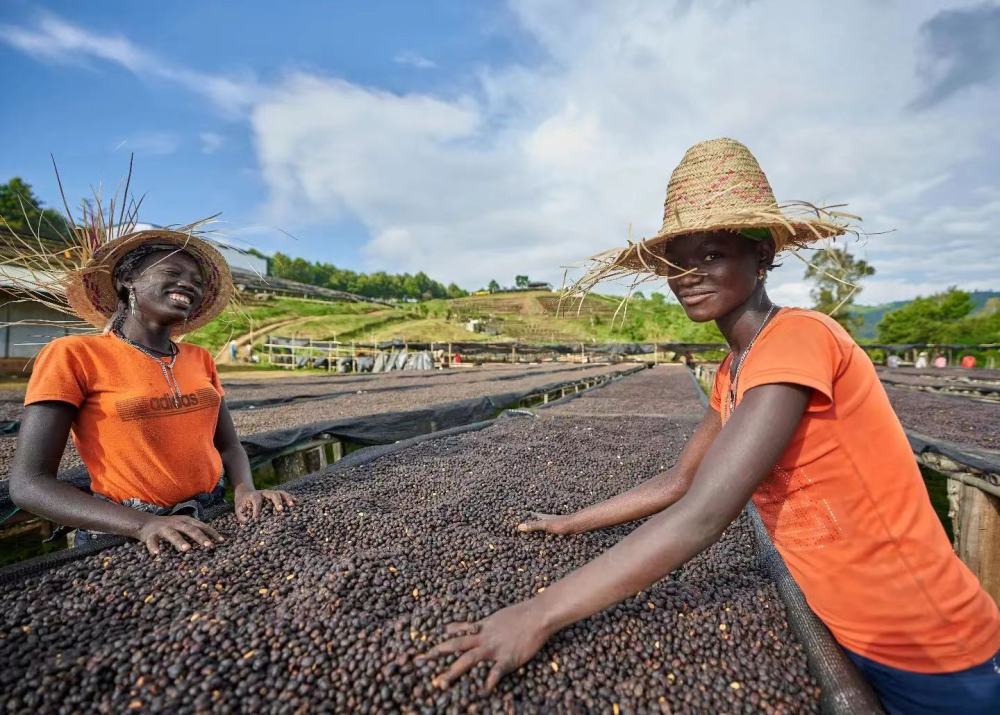
Located in the northeastern part of Africa, although Ethiopia’s overall economic development is still in its early stages, it holds a pivotal position in the global specialty coffee arena. As the birthplace of Arabica coffee beans, it boasts the world’s richest coffee genetic resources and features four cultivation ecosystems: forest, semi-forest, garden, and plantation. Through diverse processing techniques such as natural, washed, and semi-washed, it creates coffee with distinct layers and ever-changing flavors, earning its title as the “flavor gene bank” of the coffee world.
Local farmers often intercrop coffee with other crops such as false banana, grains, and vegetables and fruits. This not only helps maintain soil ecology but also reflects the depth to which coffee is integrated into daily life and culture. Coffee fruits serve as a medium of trade and ritual use in society—whether for weddings, funerals, religious celebrations, or even the birth of livestock at home, a cup of coffee is used to celebrate, showcasing its deeply rooted cultural significance in everyday life.
Ethiopia’s coffee drinking culture is also highly distinctive. Local families hold the “Bunna ceremony” (coffee ceremony) following a strict process, with specific regulations on timing, location, and steps. Its solemnity is no less than that of a religious ceremony. This traditional brewing method differs greatly from modern pour over or electric drip machines, yet it presents unique regional flavors and serves as an important window into understanding Ethiopian coffee culture.
Ethiopia’s coffee-growing regions can be subdivided into nine major producing areas: Yirgacheffe, Sidamo, Harar, Limu, Lekempti, Illubabor, Jimma, Teppi, and Bebeka. These regions, due to differences in terrain, altitude, and climate, produce coffees with distinct personalities.
The East African Rift Valley divides the country into eastern and western blocs, with the eastern half primarily consisting of highland terrain, such as Yirgacheffe and Sidamo, where altitudes mostly range between1800~2000 meters, resulting in coffees that generally boast bright acidity and complex floral and fruity notes—favorites among specialty coffee enthusiasts. The western half, on the other hand, is mostly covered by pristine forests, where coffee varieties are closer to natural evolution. Although the flavors are unique, their stability and consistency are generally slightly inferior compared to those of the eastern regions.
Yirgacheffe, a small town located in the east at an altitude of approximately 1800~2000 meters , was originally part of Sidamo but has stood out due to its unique citrus acidity and jasmine-like characteristics, becoming one of the benchmark producing regions for global specialty coffee. Beginners are recommended to start with washed Yirgacheffe Konga or Guji, which offer clear flavors and distinct aromas—perfect entry points to experiencing Yirgacheffe. Additionally, some high-end green beans are processed using the natural method to enhance fruitiness and body. They are graded from G1 to G5 based on defect rates, with G1 being the highest quality.
Neighboring Sidamo also excels in washed or natural processing, yielding coffees rich in floral and fruity notes with gentle acidity. The beans are of medium size, with some being small and from dwarf varieties. It’s recommended to try the natural “Huakui,” although this name now belongs to an independent Guji sub-region, it is still considered a classic representation of Sidamo flavor. Roasting at a light to medium level is ideal to fully showcase its refreshing and vibrant acidity.
The Harar region, located in the northeast, is known for its dry and cool climate, and exclusively uses the natural processing method. With careful bean selection, one can often enjoy intense berry aromas and fascinating fermented complexity, making it a highly distinctive producing area. However, since some farmers mix specialty and commercial beans for sale, there is a larger quality disparity in the market. It is advised to pay attention to the origin of the green beans and the information of the processing mills when purchasing.
The Limu region is one of the few in the western half known for its specialty coffee, with limited production mainly exported to European and American markets. Its processing methods include washed, natural, and semi-washed. Though its flavors may not be as bold as those of Yirgacheffe or Sidamo, it offers unique grassy notes and black sugar sweetness, along with bright acidity—suitable for consumers who prefer a mellow and subdued profile.
The legend of the shepherd Kaldi is still widely told in Ethiopia. It is said that about 1,500 years ago, in the Kaffa forest, a young shepherd named Kaldi noticed his goats acting unusually energetic and even dancing after eating red berries. Upon trying them himself, he felt invigorated. From then on, these red fruits—wild coffee beans—gradually spread among tribes, marking the beginning of coffee’s thousand-year journey. This story is often seen on the walls of coffee shops in the capital and has become one of the symbols of Ethiopian coffee culture.
The above content is compiled by CoffeeHunters, a coffee news website.


