







Introduction:Bitterness in pour over coffee often puzzles beginners. In reality, bitterness stems from multiple sources, potentially related to bean variety characteristics, storage conditions, grind size, or water temperature control. This article delves into four common causes of bitterness, offering specific adjustment suggestions and practical tips to help you precisely master pour over parameters and brew coffee with distinct layers, richness, and no bitterness. It also includes guidance on bean selection based on different flavor preferences, along with three illustrative diagrams for better understanding.
Many pour over coffee enthusiasts encounter the same issue: despite following the steps, they always end up with coffee that has noticeable bitterness. This bitterness isn’t necessarily due to over-extraction but involves the interplay of multiple factors, including the inherent flavor tendency of the coffee beans, the duration since roasting, the uniformity of grind coarseness, and water temperature control during pouring. This article will break down these four core aspects one by one, helping you identify the root cause of bitterness and providing corresponding correction strategies, so you can consistently brew balanced and smooth coffee at home.
Every coffee drinker has unique taste preferences—some enjoy dark roast beans with pronounced bitter notes and intense flavors, while others seek light roast beans that are bright, refreshing, and sweet. If you’re tired of the uniform flavors of commercial bottled or instant coffee, try pour over brewing yourself and adjust the parameters to find the cup that suits your palate best. Recently, a reader reported that their home-brewed pour over always has an annoying bitterness. So, what’s the problem? We’ll start with the root causes and guide you step by step to find the answer.
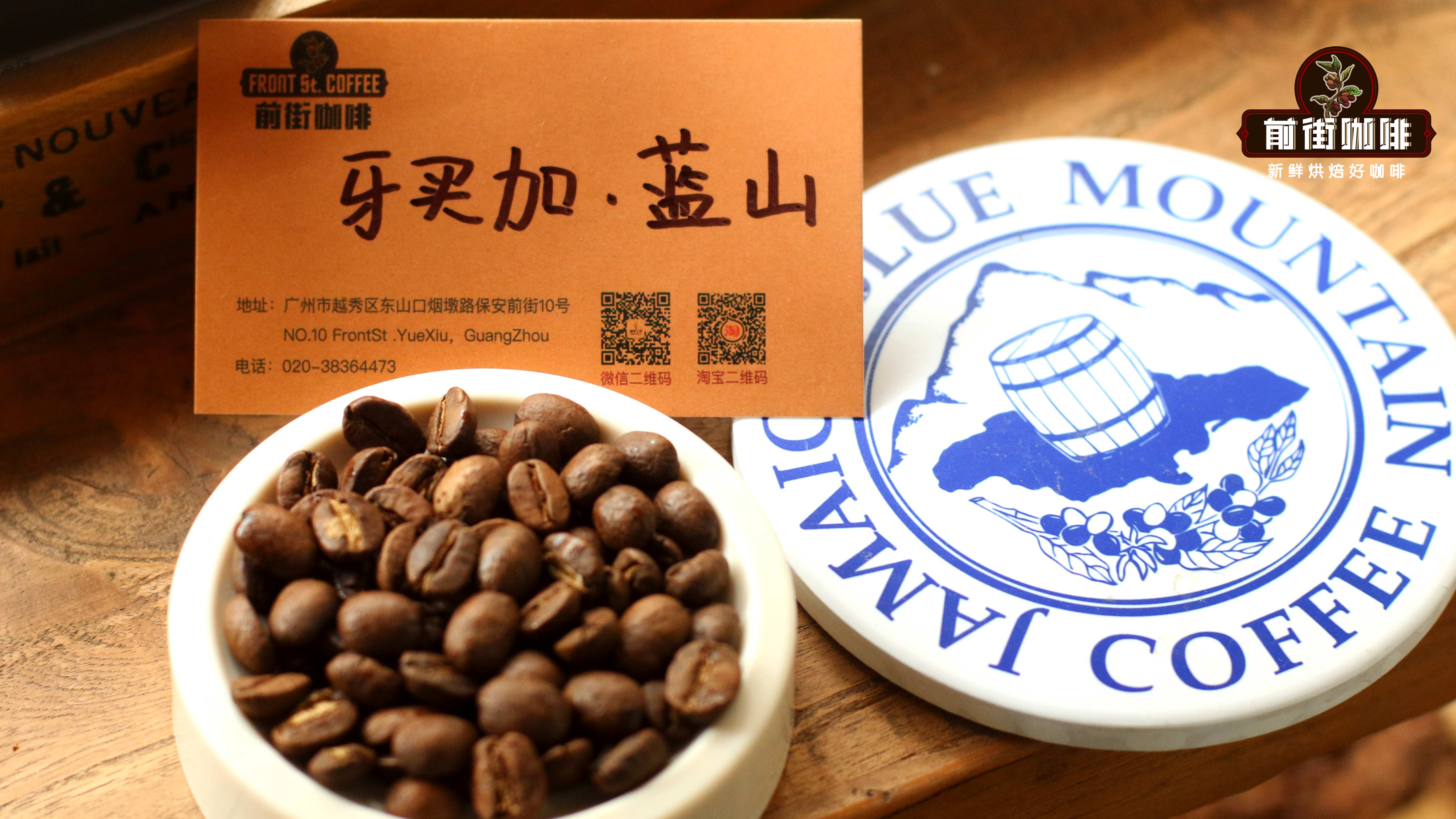
First, the flavor profiles of coffee beans are extremely diverse. Some varieties naturally exhibit deep-toned flavors like nuts and dark chocolate. These beans naturally present a rich and slightly bitter-sweet tone after brewing, such as the common Mandheling or Blue Mountain series. This kind of bitterness is distinctly different from unpleasant burnt or astringent notes—it’s the result of a combination of roasted aroma, sweetness, and a full-bodied taste. However, for drinkers unfamiliar with such flavors, it may be hard to distinguish subtle differences, leading them to mistakenly assume all bitterness is negative. The solution lies in carefully reading the flavor descriptions when selecting beans—even if the terms seem abstract, they serve as important indicators of the bean variety’s style.
For readers who prefer light, floral, and fruity notes, Panamanian Boquete Geisha is recommended, with its delicate jasmine and lemongrass aromas. If you prefer intense fruitiness, strawberry candy or blackberry series can deliver the bold expression of tropical fruits. For those seeking richer juice layers, consider Sidra or Urrao from Colombia’s Finca La Frontera—these beans often showcase vibrant acidity and sweetness with notes of passionfruit, grapes, and blackcurrant, perfect for drinkers who enjoy explosive fruit flavors.
The second common source of bitterness is the prolonged storage of coffee beans, leading to flavor loss. Roasted coffee beans typically have an optimal flavor window of just a few weeks, generally around 4 to 30 days from the roast date, with slight variations depending on roast level and storage conditions. Retail packaging is designed in sizes of 100 to 227 grams, precisely considering the average household consumption rate and alignment with the peak flavor period. For example, at a daily usage of 15 grams, a 227-gram bag can last about half a month, right within the ideal flavor window.
Over time, the volatile aromatic compounds in the beans gradually dissipate. The distinct coffee aroma of freshly roasted beans turns into woody or oily notes. Brewing beans past their prime often results in monotonous and bitter-astringent aftertastes. To determine if beans are past their expiration, besides the general guideline of 30 days after the roast date, a more practical method is to observe the coffee grounds’ reaction during the blooming phase—if there’s no expansion or degassing after pouring water, it’s almost certain the optimal flavor window has passed.
Grind coarseness and uniformity are also key factors affecting bitterness. Grinding too fine prolongs overall extraction time, slowing water flow. The coffee bed remains slow to descend from start to finish, and if total extraction time exceeds 2 minutes and 30 seconds, it’s easy to over-extract and produce burnt bitterness. Conversely, a high proportion of fines (i.e., uneven grinding) often manifests as normal descent of the coffee bed in the early stage but significant slowdown or even blockage later—this issue is mostly related to grinder quality.
To address over-fine grinding, the most direct fix is to adjust the grind size coarser to the standard range: for light roasts, use a 20-mesh sieve with about 80% passing rate; for dark roasts, adjust to 70%. If the issue stems from uneven grinding, consider switching to a high-quality grinder, using a fine sieve to pre-filter overly fine particles, or diverting the easily clogged tail-end coffee liquid during brewing and adjusting the overall concentration with hot water to ensure balanced taste.
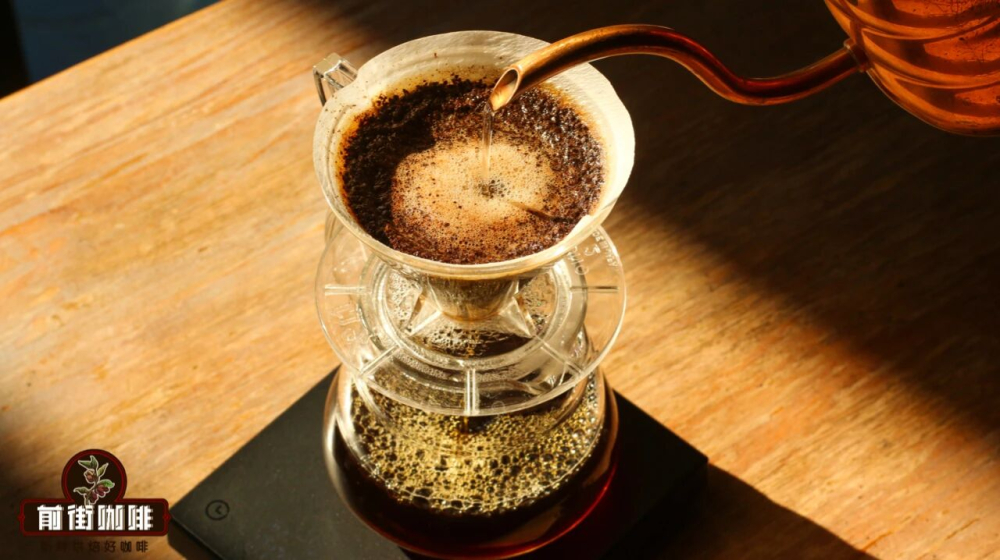
Finally, water temperature control is a critical detail emphasized by many baristas. Excessively high water temperature accelerates the extraction of flavor compounds, particularly those that release bitter and astringent substances. While most people know water temperature shouldn’t be too high, in practice, they often stick to a fixed temperature out of habit or due to similar bean appearance, causing minor differences to accumulate into noticeable bitterness. For example, Blue Mountain coffee at 88°C achieves perfect balance, but a mere rise to 89°C can make it taste overly bitter and lose complexity. Generally, medium-light roasts are best brewed at 90–93°C, while medium-dark roasts should be lowered to 86–89°C. After ruling out variables like bean variety, grind size, and freshness, further fine-tune the water temperature to achieve the ideal extraction balance.
The above content is compiled by CoffeeHunters, a coffee news website.


