







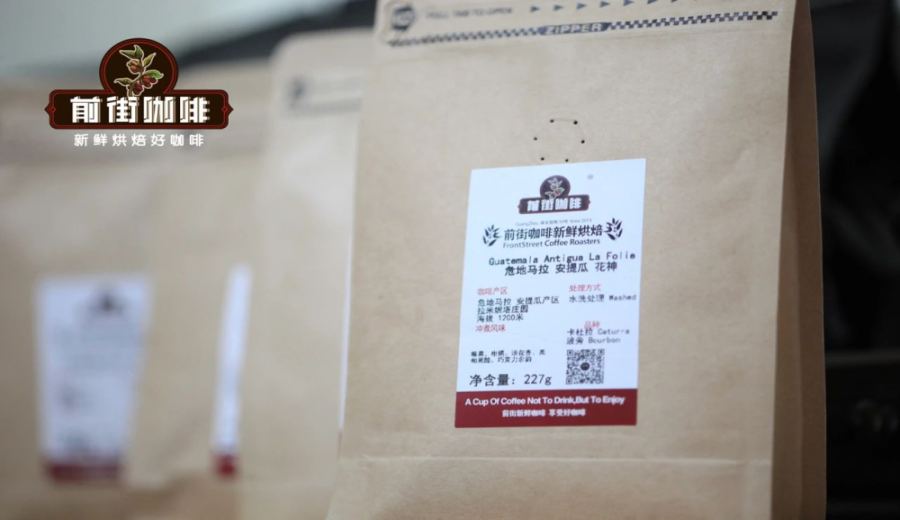
Introduction:Guatemala, with its unique volcanic terrain and highland climate, produces a variety of specialty coffees with distinct flavor profiles. This article focuses on two renowned regions—Antigua and Huehuetenango—offering an in-depth look at the characteristics of washed-process beans from these areas. From exploring the differences among major varieties such as Bourbon, Typica, Caturra, and Catuai, to extraction recommendations and flavor profiles under medium-light roasting, this guide will help you fully appreciate the distinctive qualities of these classic regional coffees.
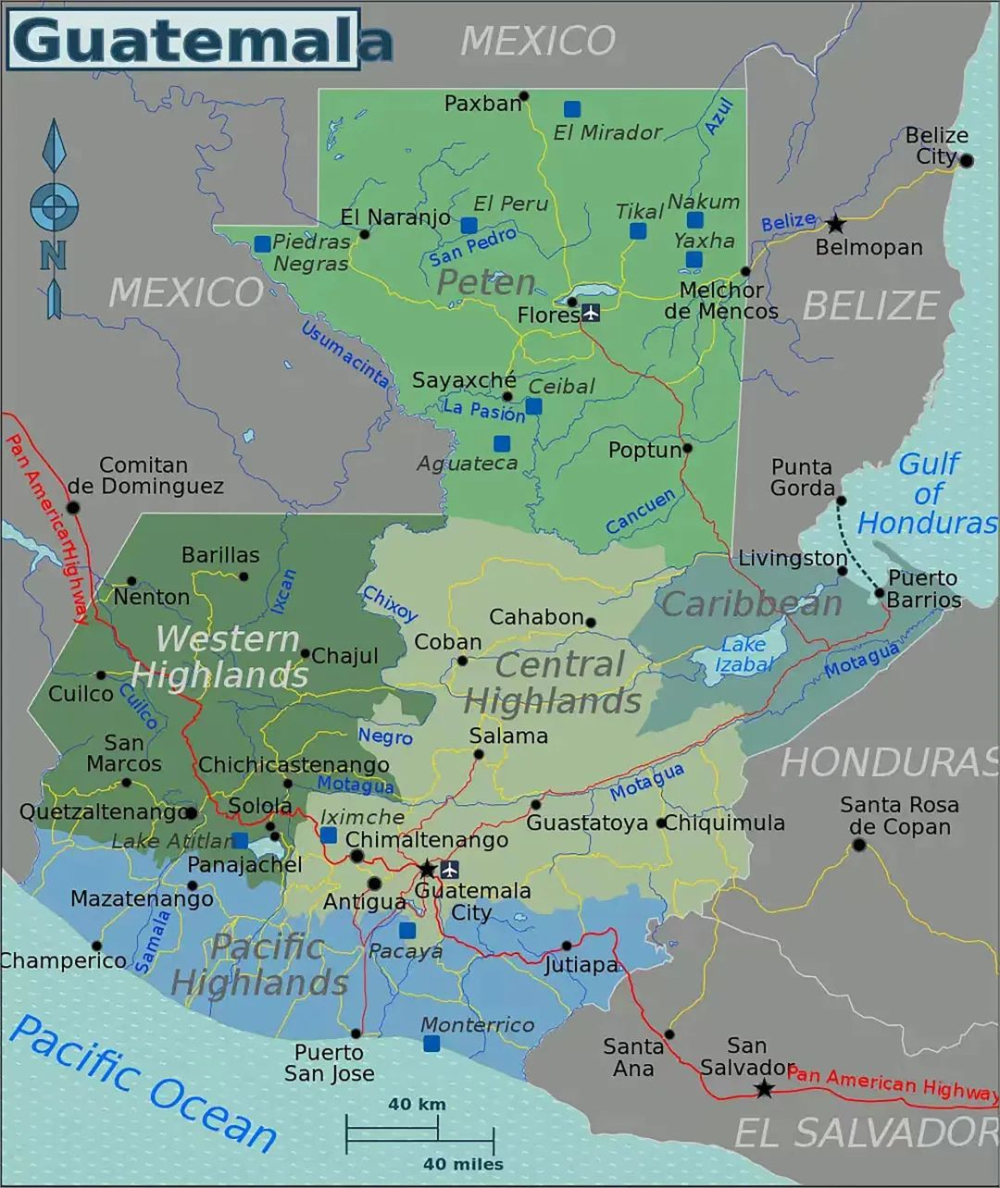
Located in Central America, Guatemala boasts a wealth of volcanic landscapes and diverse highland valleys, giving rise to eight distinct coffee-growing regions. These regions not only vary greatly in terroir but also produce coffees with markedly different flavor profiles. Among them, Antigua and Huehuetenango are particularly celebrated for their high-quality washed beans and are often the first choices for coffee enthusiasts exploring Central American coffees.
Beyond the traditional regions, the Jalapa region has also begun to emerge in recent years, especially noted for its Geisha variety. This variety was cultivated over many years by a farm owner with a strong agricultural background, under Jalapa’s unique conditions, showcasing exceptional aromatic layers and delicate flavors.
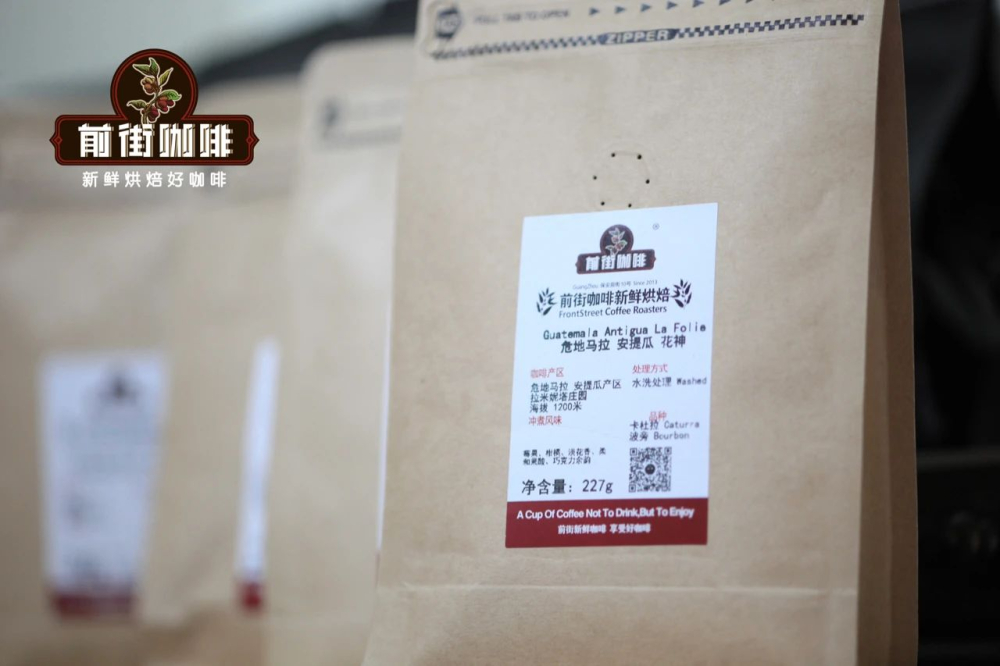
Let’s first take a look at Finca El Injerto in the Huehuetenango region. Established in 1874, this historic estate originally grew sugarcane and produced brown sugar. It wasn’t until around 1900 that the focus shifted to coffee cultivation, and the area was named “El Injerto,” referring to a unique local fruit. The estate still retains a large amount of native vegetation, providing excellent shade and an ecological environment—an important reason why coffee trees can grow steadily here and have won numerous international awards.
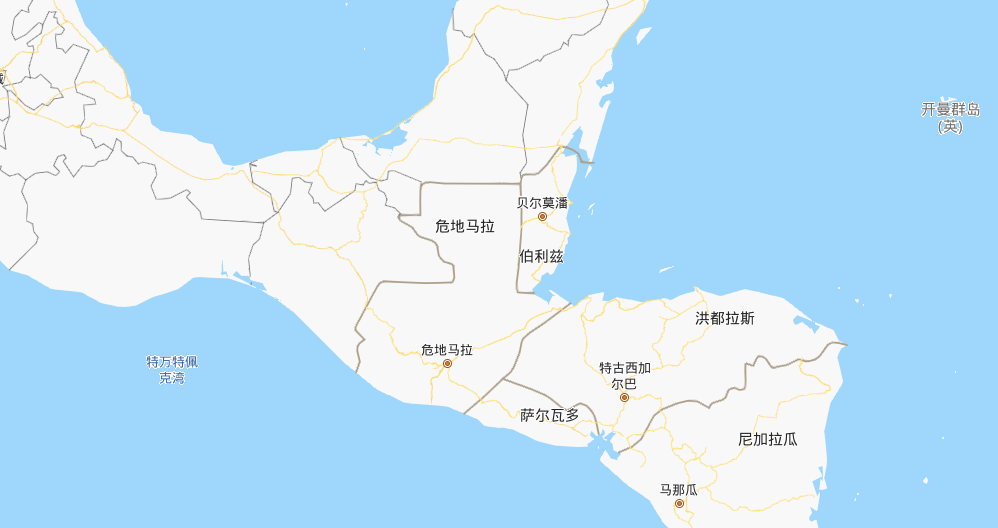
When discussing Guatemala’s overall coffee environment, its exceptional geographical conditions cannot be overlooked. This country, located in the heart of Central America, features high-altitude volcanic terrain and a subtropical climate. Its fertile volcanic soil and cool day-night temperature variations provide an ideal growing environment for coffee. As a result, Guatemalan coffee often carries a distinctive smoky finish, one of its most recognizable characteristics.
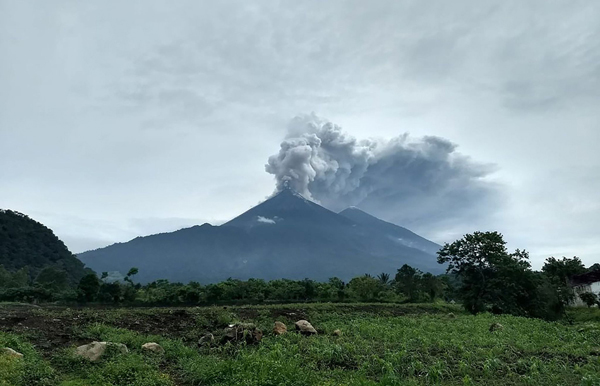
The country is divided into eight major coffee-growing regions, five of which are volcanic—including Antigua, Acatenango, Atitlán, San Marcos Volcanic, and Fraijanes Plateau—while the other three non-volcanic regions are Huehuetenango, Cobán, and Nuevo Oriente. These regions showcase diverse coffee personalities due to differences in altitude, climate, and microclimates.
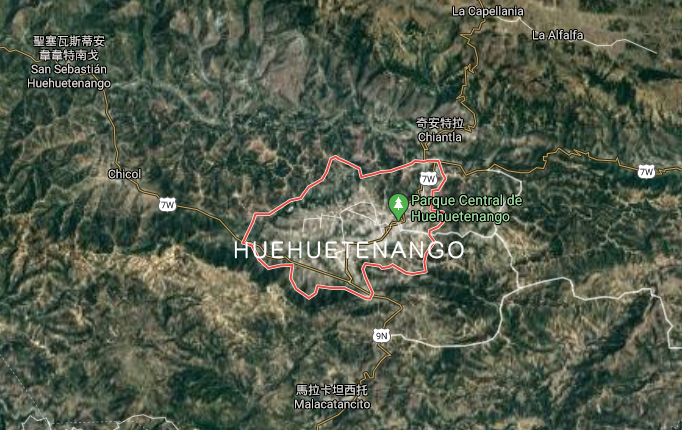
Among these regions, Huehuetenango has the highest cultivation altitudes in the country, ranging approximately between 1,800 and 2,100 meters, making it a typical high-altitude dry region. Being not far from Mexico’s Tehuantepec Plateau, the dry hot winds from there effectively reduce the risk of frost, allowing coffee trees to thrive healthily at elevations close to 2,000 meters. Although the region is relatively dry, it has numerous streams and stable water sources, making washed processing the norm, with most processing taking place directly in the mountains during harvest season.
The Antigua region, on the other hand, is surrounded by three active volcanoes—Agua, Acatenango, and Fuego. The volcanic soil is rich in minerals, and the cool evening breezes combined with intense sunlight shape the coffee’s delicate acidity and rich aroma. Coffees from this region are often considered representative of Guatemala’s classic flavor profile, especially appealing to drinkers who enjoy fruity and nutty notes.
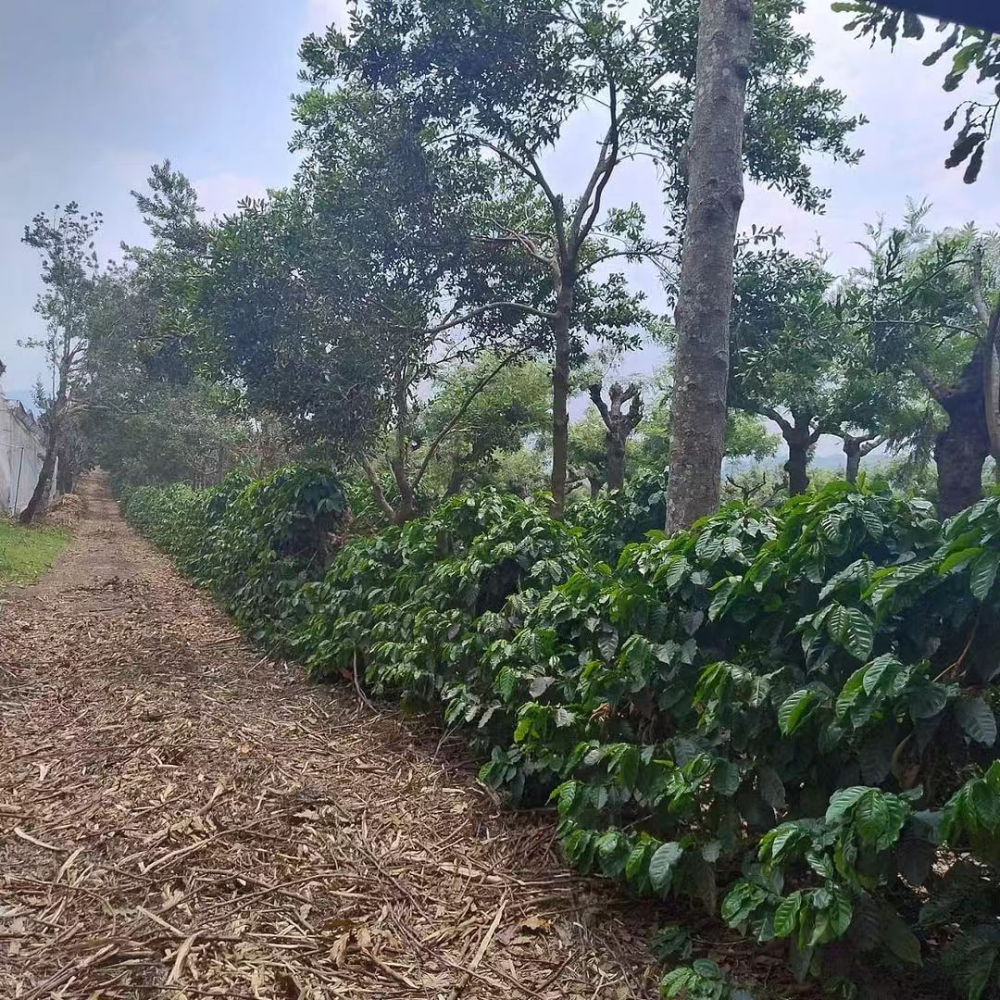
In terms of varieties, Guatemala mainly grows Bourbon, Typica, Caturra, and Catuai. Bourbon is a natural mutation of Typica, with rounder coffee beans that turn wine-red when ripe. When grown at high altitudes, it often exhibits wine-like aromas and bright acidity. Typica is a more traditional variety, known for its clean and clear flavor but with lower yield and higher susceptibility to rust disease, requiring more manual management—making it ideal for coffee enthusiasts who value detail. Caturra is a mutation of Bourbon, with shorter plants and higher yields but slightly weaker disease resistance, and is widely grown across Central and South America. Catuai is a hybrid of Caturra and the Mundo Novo variety, combining resilience with good acidity, and is suitable for various climatic environments.
Coffee processing in Guatemala is predominantly washed, which effectively highlights regional characteristics. The process involves removing the skin and pulp, then fermenting the mucilage-covered beans in water for about 24 hours, followed by rinsing with clean water and drying until the moisture content drops to around 12%, after which the parchment is removed. This method preserves a clean and bright taste, making it an ideal choice for beginners to experience regional flavors.
In terms of roasting and brewing recommendations, medium-light roasting best preserves floral, fruity aromas, and clear acidity. It is recommended to use a V60 filter, with water at 91°C and medium-fine grind (e.g., 80% passing rate through a Chinese No. 20 sieve), using a 1:15 coffee-to-water ratio for a three-stage extraction: start with a bloom phase using twice the coffee weight in water (around 30g) for 30 seconds, then pour in stages up to 125g and 225g, keeping the total extraction time around 2 minutes. These parameters can fully showcase the citrus, berry, and nutty tones of Guatemalan coffee.
Taking Huehuetenango washed beans as an example, their flavor profile often includes bright acidity with notes of citrus and lemon peel, paired with berry aromas and mid-palate nuttiness, with a tea-like finish. Classic Antigua coffee, meanwhile, showcases berry acidity, subtle chocolate notes, and soft floral tones, offering well-layered and smooth flavors, suitable for those who prefer delicate taste profiles.
When brewing, it’s worth noting that freshly roasted coffee beans (ideally used within 5 days of roasting) deliver the best flavor, with a resting period of about 4 to 7 days. If purchasing coffee grounds, it’s recommended to use them immediately to avoid aroma loss due to oxidation. For the fullest experience of each region’s unique character, opt for whole beans and grind them fresh before brewing to fully capture the nuanced flavors.
In summary, Guatemala’s Antigua and Huehuetenango regions, thanks to their special geographical environments and refined processing techniques, produce washed coffee beans with richly layered flavors. Whether you’re a beginner just starting out or an experienced enthusiast seeking new flavors, you can find your own unique coffee experience in these two regions.
The above content is compiled by CoffeeHunters, a coffee news website.


