







Introduction:The French press and pour over are two top choices for many coffee enthusiasts when brewing at home, but do you know the fundamental differences between them in terms of extraction principles, flavor profiles, and ease of use? This article takes an in-depth look at these two classic brewing methods—from equipment requirements and parameter settings to the actual brewing process—to help you choose the method that best suits your taste preferences and brewing habits.
The French press and pour over, two widely loved home brewing methods, each have their own unique extraction logic and flavor characteristics. If you're unsure which one to choose or want to understand their differences more deeply, this comprehensive guide will help you make a smarter decision.
From an extraction perspective, the French press is an immersion-style brewer. It steeps hot water and coffee grounds together before separating the grounds with a metal filter. The overall process is simple and beginner-friendly, making it ideal for those who enjoy a rich, balanced cup. In contrast, the pour over uses a drip filtration method, where manual pouring controls the water flow and timing, bringing out more nuanced layers—perfect for coffee enthusiasts seeking refined flavors and experimental fun.
In terms of flavor, the French press delivers a stable and full extraction due to its immersion process, highlighting the coffee’s natural sweetness and body with a well-rounded and naturally robust profile, especially suited for medium to dark roasts. The pour over, on the other hand, can showcase subtle and varied notes such as fruits, flowers, and caramel through different water flow control, temperatures, and grind sizes. It particularly excels at highlighting the unique characteristics of light to medium roasted beans.
What basic equipment do you need for pour over?
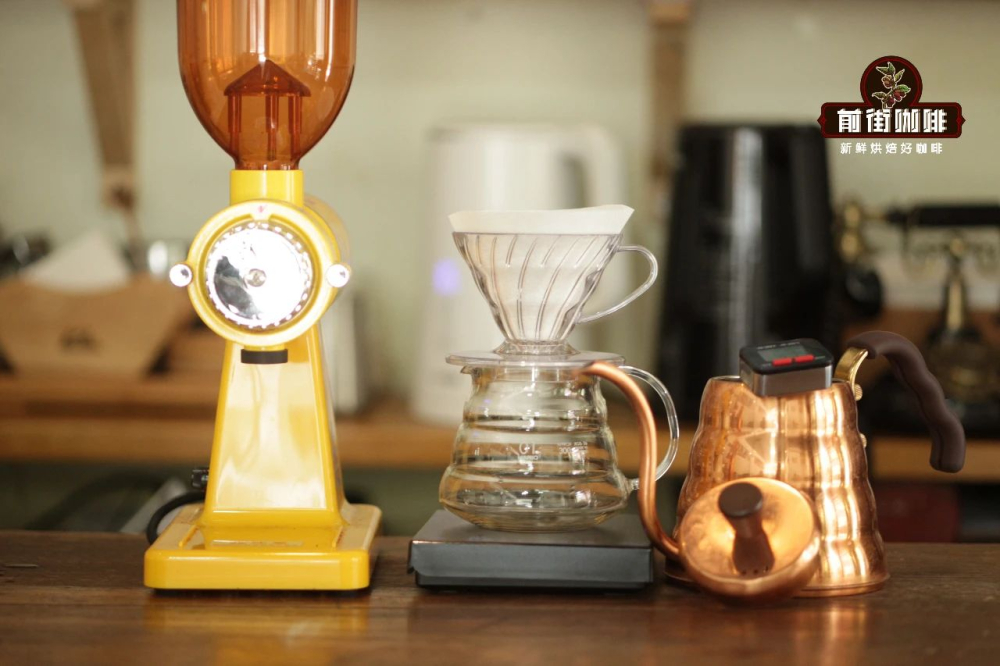
To brew an ideal pour over coffee at home, you’ll need the following basic equipment: a pour over kettle, dripper, paper filter, server, grinder, scale, and thermometer. Among these, the grinder is particularly crucial—whether hand-cranked or electric, it must produce uniformly ground coffee. Grounds that are too coarse can lead to under-extraction and weak flavors, while overly fine grounds may cause over-extraction, resulting in bitterness and off-flavors.
In practice, a Chinese Standard No. 20 sieve with a 0.85mm mesh is used to assess grind size. For example, for medium to light roasted Yirgacheffe beans with higher hardness, it’s recommended to maintain a 20-mesh sieve passage rate of around 80%, which corresponds to a setting of about 10 on certain professional grinders like the EK43s.
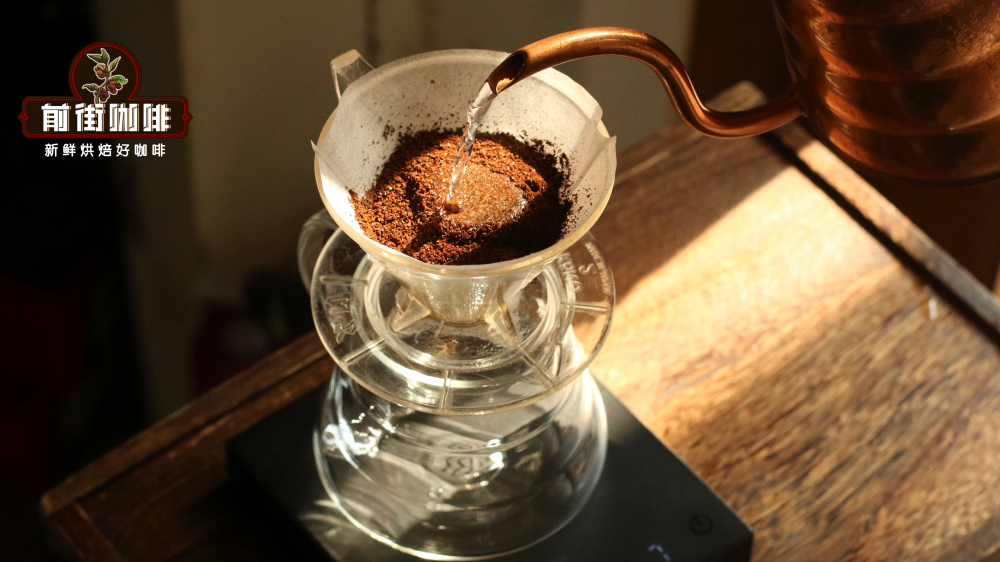
Water temperature is another key factor influencing pour over flavor. Generally, lighter roasts benefit from higher temperatures, around 91–93°C, to enhance bright acidity and fruity-floral notes; medium to dark roasts, on the other hand, should use slightly lower temperatures of 87–90°C to avoid excessive bitterness from over-extraction. Additionally, the choice of dripper affects flow rate and extraction efficiency—for instance, the Hario V60 complements lighter roasts by emphasizing clarity, while the KONO is better suited for medium to dark roasts, softening the mouthfeel.
When selecting a pour over kettle, a gooseneck spout provides more stable water flow, aiding in even pouring and better control over extraction rhythm. For the scale, opt for one with a built-in timer to monitor both water volume and time, ensuring consistency and reproducibility in every brew.
French press operation principles and key factors
Compared to the multi-step process and technical demands of the pour over, the French press follows a simpler and more intuitive logic. It uses an immersion method similar to steeping tea—coffee grounds and hot water are combined in the pot, left to sit for a period, and then separated by pressing down the metal filter at the bottom, resulting in a clean cup of black coffee.
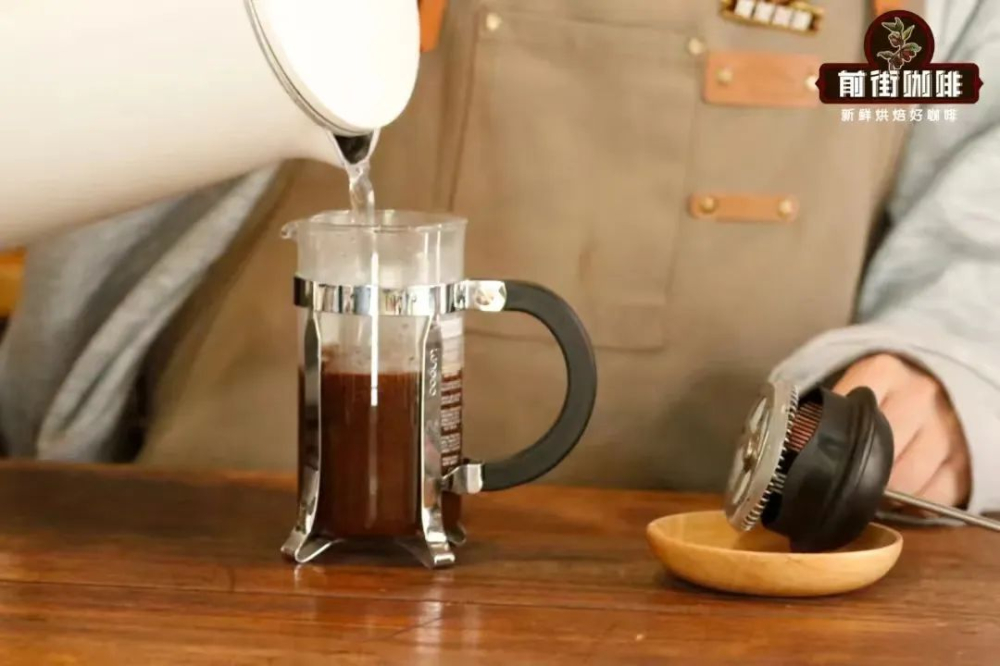
The performance of the French press is influenced by four key factors: coffee-to-water ratio, grind size, water temperature, and steeping time. It’s recommended to use coarsely ground coffee, similar in texture to sea salt, which helps prevent over-extraction and aligns with the immersion characteristics of the French press.
In terms of temperature control, because the water gradually cools during the steeping process in a French press, it’s advisable to use a slightly higher temperature than with pour over. For medium to light roasted beans with pronounced acidity, aim for 92–94°C; for medium to dark roasts, reduce to 89–90°C to balance bitterness and body. In colder autumn and winter conditions, pre-warming the French press with hot water can help reduce heat loss.
For steeping time, depending on grind size and roast level, it’s generally recommended to steep medium to light roasted beans for about 4 minutes, and medium to dark roasted beans for around 3 minutes and 30 seconds to avoid over-extraction that could lead to bitterness, woody notes, or harshness. Proper time management is key to a successful French press brew.
Which is better for you: French press or pour over?
In summary, pour over offers greater flexibility and layered flavors, making it ideal for coffee lovers who enjoy exploring diverse profiles and are willing to invest time and technique. The French press, on the other hand, shines with its simplicity, consistent results, and rich body—making it perfect for busy individuals or beginners, truly a “lazy person’s best friend.”
No matter which method you ultimately choose, understanding their basic principles and key parameters can help you brew a cup of coffee that better suits your taste. Why not try both and find the one that best fits your daily routine?
The above content is compiled by CoffeeHunters, a coffee news website.


