







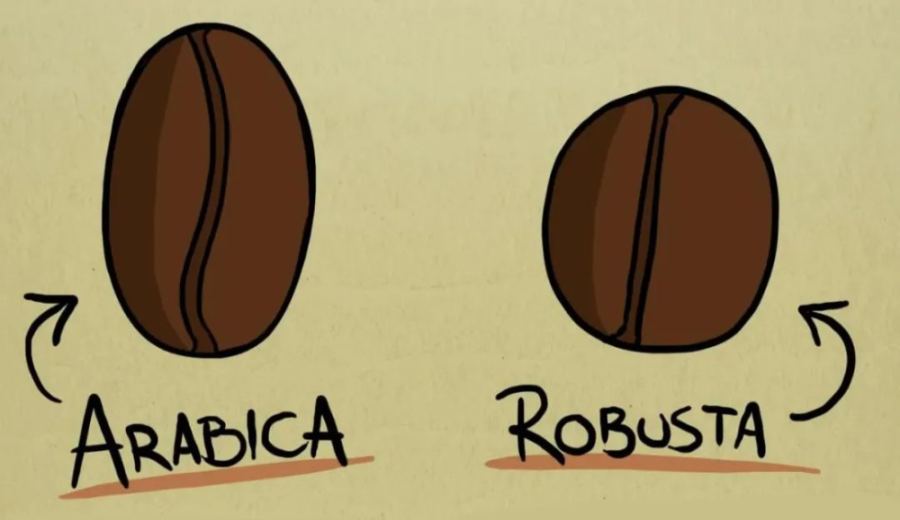
Introduction:Robusta is often regarded as the poster child for "bitter and unpleasant" coffee, but in reality, it plays a key role in espresso blends and commercial coffee mixtures. This article delves into the flavor characteristics of Robusta, its advantages in cultivation, and how appropriate blending can highlight its unique value. It also shares practical formula ratios to help you rediscover this underrated coffee bean.
Robusta (Robusta) is one of the two most widely consumed coffee species globally, alongside Arabica. However, most people's impression of it remains stuck at “bitter, astringent, and off-flavored.” While this perception holds some truth, it overlooks its irreplaceability in certain applications. Understanding Robusta not only broadens your knowledge of coffee flavors but also helps make smarter choices in brewing and blending.
From a flavor perspective, Robusta contains a higher proportion of chlorogenic acids, giving it a bold and heavy taste, often accompanied by notes of nuts, grains, or even earthiness. If processed improperly, it can easily develop undesirable rubbery flavors. Compared to Arabica, Robusta has lower sucrose content and less noticeable sweetness, but when dark roasted, it can produce rich Crema (coffee oils), which secures its place in Italian-style espresso.
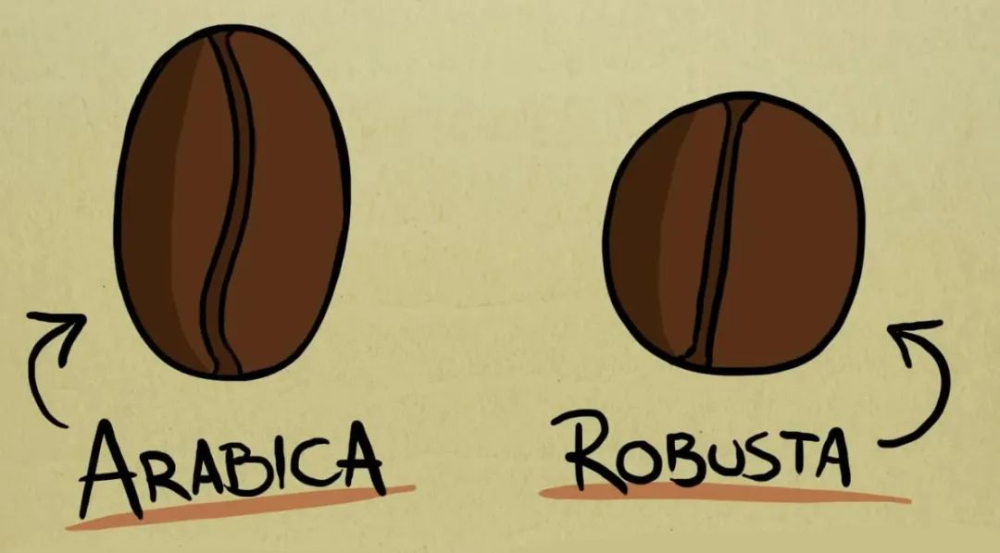
So why is Robusta still widely cultivated and not phased out, especially in the specialty coffee trend that emphasizes delicate flavors and origin characteristics? The key lies in itssurvivability and cost-effectiveness. Robusta contains a high caffeine content of 2.7% to 4%, nearly double that of Arabica (about 1.2% to 1.5%). This natural pest resistance allows it to thrive in low-altitude, loosely managed environments with much stronger resistance to pests and diseases compared to Arabica.
Additionally, Robusta exhibits exceptional adaptability to various environmental conditions—whether it's high temperature, high humidity, or poor soil—it can maintain stable yields. Typically, Robusta is grown at altitudes below 600 meters in lowlands, with high per-tree fruit yield. Harvesting can be mechanized, significantly reducing labor and management costs. As a result, in major global coffee-producing countries like Vietnam, up to 80% of production is Robusta, playing a significant role in the international commercial coffee supply chain.
With climate change intensifying, the growing demands of Arabica are becoming increasingly difficult to meet, while Robusta, with its hardy nature, is gradually gaining more attention from producers. Some regions have even begun focusing on cultivatinghigh-quality Robusta, showcasing different flavor potentials through optimized processing methods and refined management.
When it comes to whether Robusta “tastes good,” it’s not a one-size-fits-all answer. While the Robusta commonly found in mass markets often has a rough mouthfeel, in places like India, there are now specialty-grade Robustas that have been carefully cultivated and processed, offering relatively clean flavors with unique sweet and aromatic profiles. This shows that with sufficient effort in cultivation and post-harvest processing, Robusta can also deliver surprising results.
For the average consumer or coffee enthusiast, drinking pure Robusta straight might be a bit challenging, but through blending, it’s possible to achieve a balance between bold flavor and overall harmony. For example, blending 10% washed Robusta with other mainstream Arabica beans (such as those from Colombia and Brazil) in a proper ratio can not only enhance the richness of the Crema but also add layers and body to the overall flavor profile.
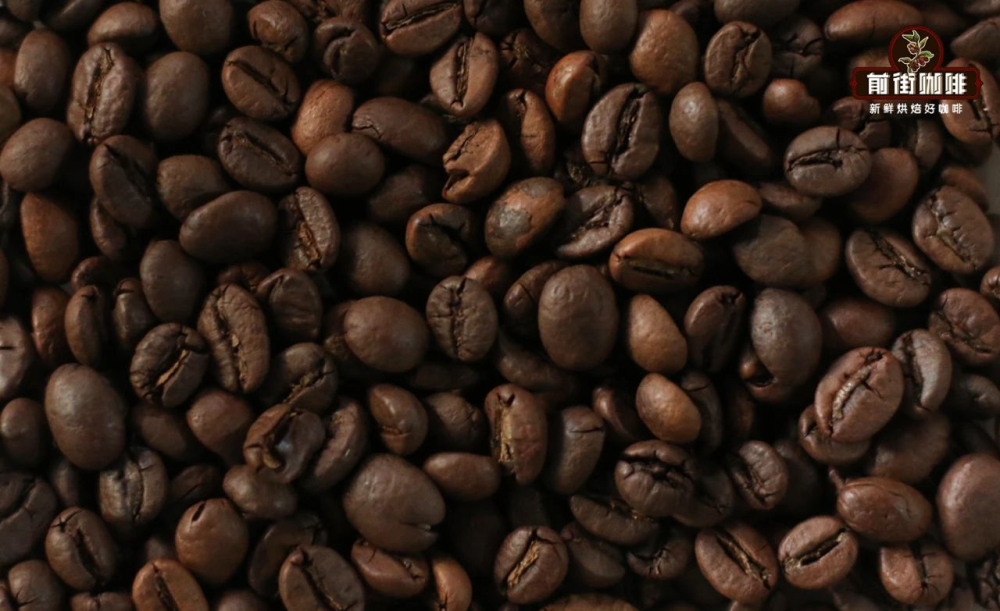
In fact, many Italian-style blended coffees adopt a similar strategy: using 60% Brazilian semi-washed beans to provide a rich base with chocolatey notes, 30% Colombian washed beans to add nutty and caramel flavors, and then adding 10% washed Robusta to boost oil release and intensity. This combination can produce a golden, creamy, and long-lasting Crema, with pronounced nutty aromas and subtle roastiness on the palate. Although the bitterness is more noticeable, it transitions into a buttery smooth aftertaste. The overall performance far surpasses many single-origin commercial blends on the market.
In summary, although Robusta is often misunderstood as synonymous with “low-end” or “bad-tasting,” it actually holds an irreplaceable position in the coffee industry—especially in espresso and commercial blends—where it plays a crucial role. Understanding its characteristics, strengths, and suitable applications helps us more comprehensively appreciate the diversity of coffee and make choices that better suit our personal taste preferences in daily brewing or purchasing.
The above content is compiled by CoffeeHunters, a coffee news website.


