







Introduction:Geisha coffee has carved out a niche in the specialty coffee market with its distinctive acidity and floral notes. However, the flavor profiles of Geisha can vary significantly across different growing regions. This article will delve into the characteristics of Geisha from two major producing regions—Panama and Ethiopia—highlighting their differences in taste and aroma, and providing practical pour over brewing parameters and tips to help you better understand and enjoy Geisha coffee.
Once, Jamaican Blue Mountain and Hawaiian Kona were considered the pinnacle of the coffee world due to their rich and bold flavors. However, with the evolution of specialty coffee culture, Geisha coffee has quickly risen to prominence with its delicate and layered aromas and acidity, becoming a new favorite among many coffee enthusiasts.
What Geisha coffee is most celebrated for is its bright yet non-harsh acidity, paired with fresh floral notes that evoke the fragrance of a spring garden.In recent years, younger consumers have shown a preference for coffee that is refreshing and distinctly fruity, and Geisha fits this trend perfectly, making it a popular choice.
The flavor profiles of Geisha from different regions can differ quite substantially. Taking Panama and Ethiopia—two well-known producing regions—as examples, the Geisha coffee cultivated in each not only varies in aroma and the balance of sweetness and acidity, but also presents entirely distinct overall taste structures.
Panamanian Geisha typically exudes intense rose and jasmine floral aromas, with a bright acidity and citrusy notes, offering a clean and layered mouthfeel.With proper roasting and processing, its flavors can exhibit a high degree of balance and finesse, often described as akin to a refined floral and fruit tea.When tasting, one often experiences bright fruit acids reminiscent of oranges and lemons, along with a sweet honey-like aftertaste.

In contrast, Ethiopian Geisha tends to be more expressive and varied in flavor. It may feature the sweet-tartness of red berries, nutty aromas, even subtle hints of spice, and a tea-like lingering finish.Its overall profile is more robust; although not as refined as Panamanian Geisha, it offers diverse layers, making it suitable for coffee lovers who enjoy complex flavors.Such Geisha, when processed appropriately, often presents a soft and well-integrated mouthfeel, leaving a memorable impression.
Many wonder whether Geisha from Panama and Ethiopia are the same variety. In fact, Geisha was first discovered in the 1930s in the Gesha region of Ethiopia. The plants collected at the time came from various coffee trees found in the region’s virgin forests and local markets, and were later sent to Kenya for research. Subsequently, these seeds spread to Tanzania, Costa Rica, and Panama, among other places.
Adapting to different environments, Geisha gradually acclimated to local terroirs, evolving distinct genetic traits and giving rise to the diverse flavors we enjoy today. Particularly under Panama’s high altitudes and unique microclimates, Geisha has displayed unprecedentedly delicate floral and fruity acidity notes, and gained fame after achieving high scores in the 2004 Best of Panama (BOP) competition, propelling it to international renown.
Ethiopia later established the Geisha Village near the original Geisha forest, cultivating several native varieties retrieved from the forest, including some that resemble Panamanian Geisha in appearance, such as ‘Geisha 1931’.However, due to the lack of long-term domestication, Ethiopian Geisha and the Central and South American versions can actually be considered two slightly different varieties.
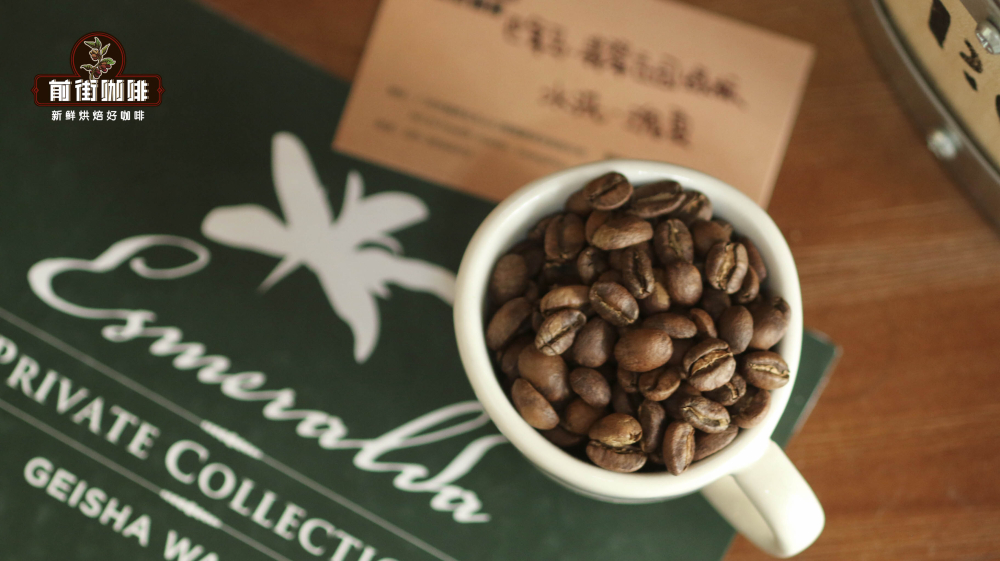
If you wish to brew Geisha coffee at home and capture its essence, it is recommended to choose Geisha beans roasted to a medium-light level, which helps preserve its captivating acidity and floral-fruit aromas. The Geisha coffee beans from this brand are usually shipped within 5 days after roasting to ensure the flavors are at their peak.
For brewing, it is recommended to use a coarseness with a Chinese Standard No. 20 sieve passing rate of about 78% (close to the size of fine sugar), with water temperature controlled between 90-91°C, which helps extract bright fruit acids and delicate aromas. The suggested powder-to-water ratio is 1:16, using 15 grams of coffee powder with 240 milliliters of water.
A practical three-stage pouring method is as follows: first, pour 30 grams of water for a 30-second bloom; then proceed with the second stage by pouring in a circular motion up to 125 grams, and when the water level drops by half, continue pouring up to 225 grams, with a total extraction time of approximately 2 minutes and 10 seconds to 2 minutes and 20 seconds. This method effectively prevents coffee grounds from settling and clogging at the bottom, while fully showcasing the layers and aromatic expression of the Geisha.
The above content is compiled by CoffeeHunters, a coffee news website.


