







Introduction:Want to replicate café-quality espresso at home? Start with choosing the right machine. This article delves into the core differences between home-use espresso and drip coffee machines, including extraction principles, use cases, and budget recommendations, helping readers quickly identify the most suitable equipment based on their needs. It also features 10 classic and single-origin espresso beans, detailing each bean’s processing method, roast flavor profile, and recommended brewing method. Whether you’re a beginner or aiming for a high-end SOE experience, you’ll find the perfect home coffee bean choice here.
In a home setting, if you want to brew lattes, cappuccinos, or Americanos close to café quality, selecting a suitable coffee machine along with high-quality beans is key to the final result. Currently, the most common types of electric home coffee machines fall into two broad categories: espresso machines and drip coffee makers. Understanding the basic differences and functions of these two types can help you make a more efficient choice based on your daily drinking habits and budget.
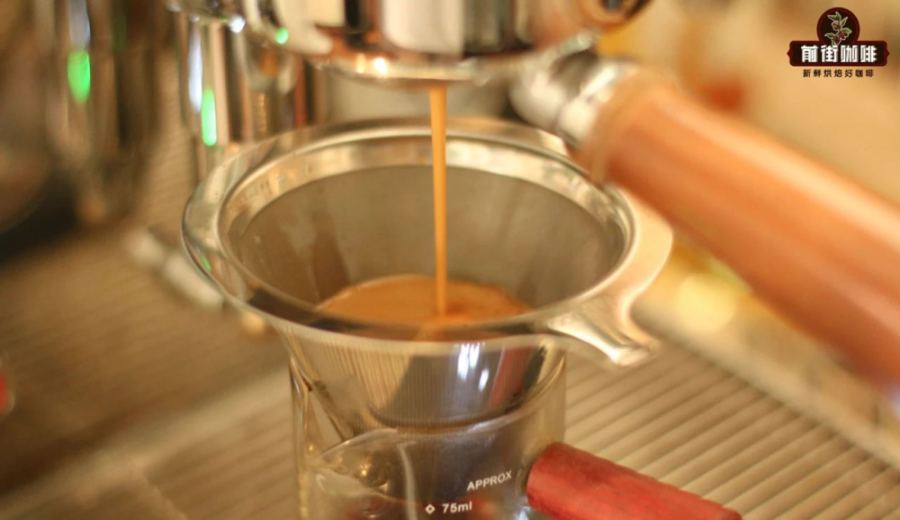
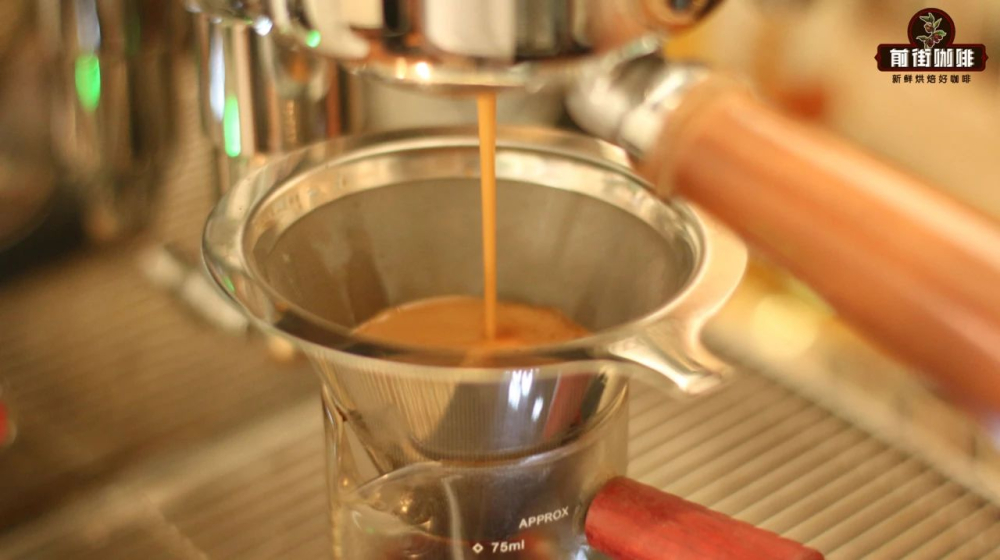
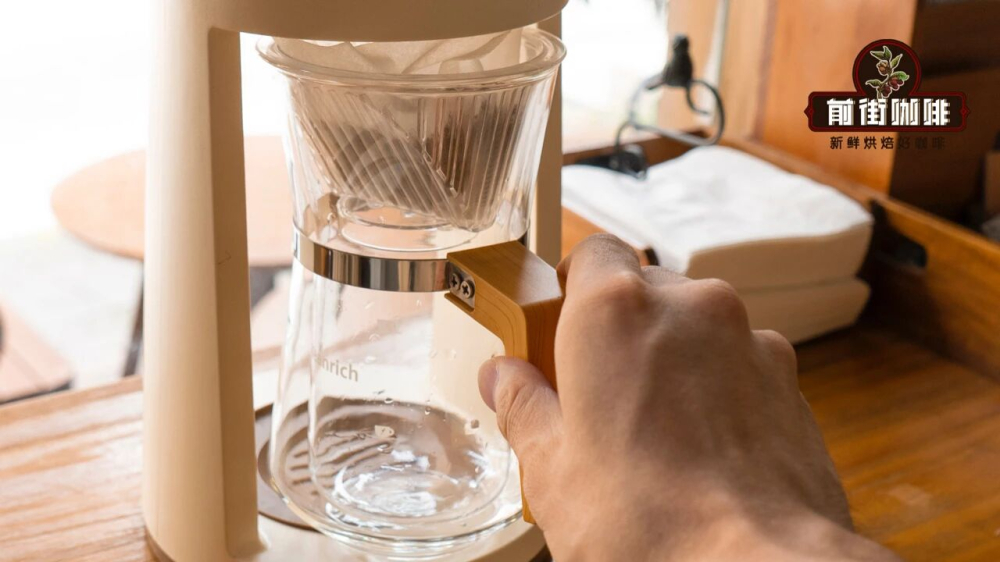
The hallmark of an espresso machine is its ability to extract espresso with a pressure system that produces a rich crema, which can then be used with a milk frother or steam wand to create milk-based coffees like lattes and cappuccinos. These machines typically feature high-pressure extraction capabilities, making them ideal for users who enjoy strong flavors and are keen on creating latte art, though they also tend to come with higher prices and a steeper learning curve. On the other hand, drip coffee machines—also known as Americano coffee makers—operate on a relatively simple principle: hot water evenly drips through a compacted coffee puck to extract a bright, clean black coffee. No high-pressure equipment is needed, making them suitable for daily consumption by multiple family members, often at a more affordable price point.
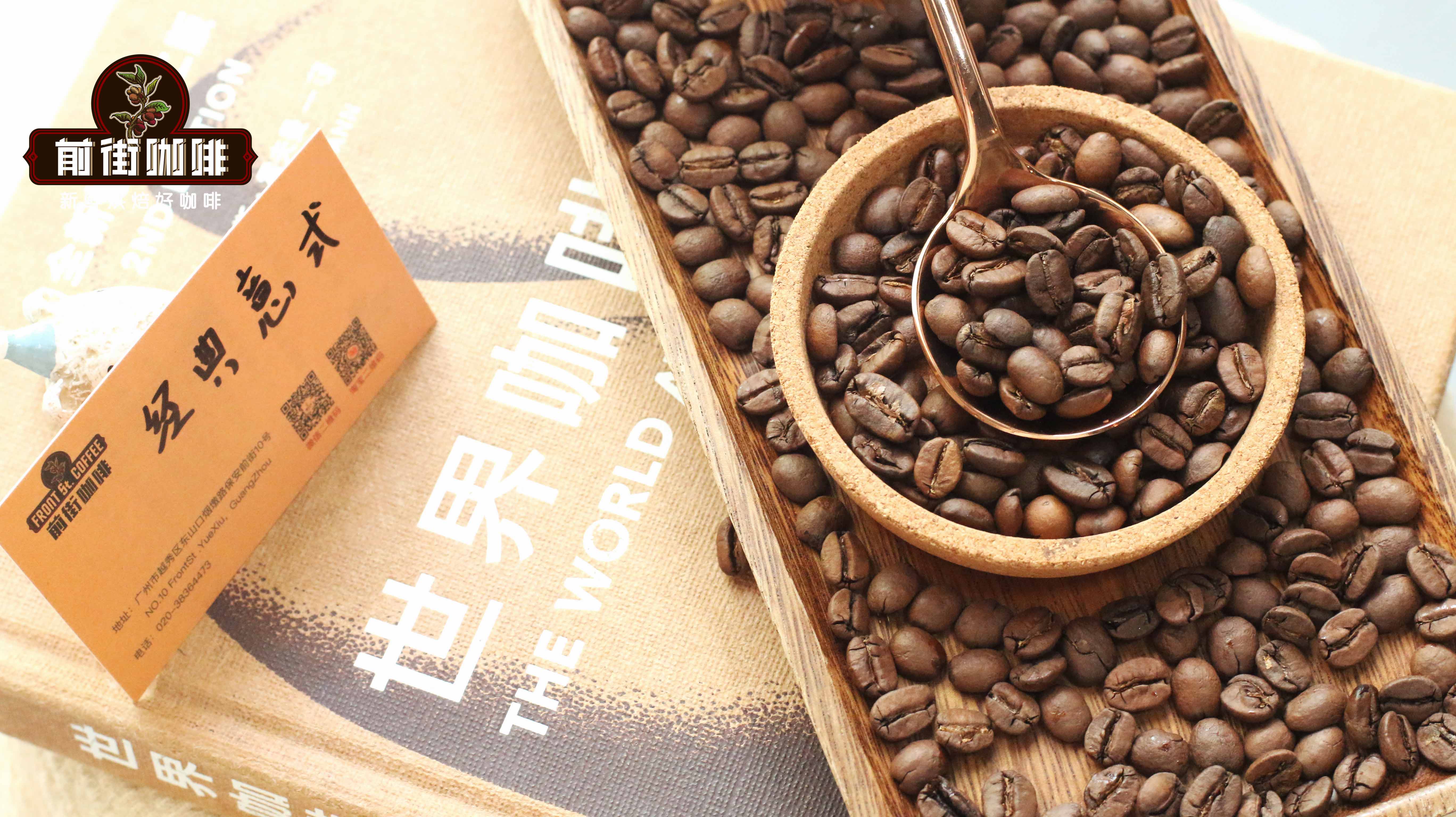
Once you’ve chosen the right coffee machine, the next step is selecting the appropriate coffee beans. Below are 10 carefully selected espresso beans for home use, each accompanied by details on processing methods, primary flavor profiles, and suitable brewing styles, making it easy for readers to quickly find their ideal match based on personal taste preferences and budget.
The first is the 【Classic Espresso Blend】. This blend draws inspiration from the once-popular "Mocha Java" combination, with the addition of Robusta beans to enhance crema and body. Its flavor is bold and full-bodied, especially well-suited for making lattes and performing milk foam latte art at home, making it a practical choice for those seeking a rich taste.
For those who prefer fruity and floral notes, the 【Strawberry Candy Espresso Blend】 is a great option. Based on a medium-light roast, it combines Costa Rica Tarrazu honey-processed beans with Ethiopian beans, delivering a mild acidity and sweet finish reminiscent of strawberry taffy. It’s ideal for making Americanos or light lattes, with a refreshing and non-cloying taste.
If you enjoy nutty and chocolatey profiles, consider the 【Premium Espresso Blend】. It combines beans from Brazil and Colombia—the former providing a base of nutty and toasted bread flavors, while the latter contributes layers of cocoa and caramel. The overall profile is balanced and suits most palates.
Looking to recreate the house blends commonly found in cafés at home? The 【Commercial Espresso Blend】 combines beans from Brazil, Colombia, and Vietnam. A medium-dark roast gives it intense roasted aromas and a full-bodied texture, performing excellently whether you’re making everyday Americanos or smooth lattes. It’s also relatively affordable, making it a great staple for home use.
For beginners, the 【Dark Cocoa Base Espresso Blend】 offers exceptional value. This bean delivers a balanced profile with soft fruit acidity, pronounced caramel, and dark chocolate notes, along with a smooth and thick mouthfeel. It’s suitable for everyday drinking and ideal for users on a budget.
If you’re looking to try a single-origin coffee, the 【Colombia Gesha SOE】 is an outstanding representative. Sourced from the Boundary Estate in the Huila region and processed using double anaerobic sun-drying, it’s grown at an altitude of 1700 meters, resulting in vibrant fruit aromas such as passionfruit, grape, and dried fruit sweetness, with an almond-like finish. It’s perfect for coffee lovers who enjoy unique processing methods.
The 【Ethiopia Huila Huashe SOE】 showcases bright tropical fruit notes, including strawberry, mango, and blueberry, making it one of the standout washed Sidamo beans. It has been recognized in the TOH competition and is ideal for those seeking fresh, fruity profiles.
For those who prefer coffee with a strong juice-like character, the 【Costa Rica Mozart SOE】 is worth trying. Processed with raisin honey, it develops pronounced fermented wine notes after a medium roast, paired with berry and fruit wine characteristics. As the temperature drops, osmanthus aromas become more apparent, making it a fun and versatile choice.
For coffee drinkers who enjoy bold and solid flavors, the 【PWN Golden Mandheling SOE】 is a must-try classic. Carefully selected G1-grade beans of 18+ mesh size with an extremely low defect rate, it reveals layers of nut, caramel, and chocolate when brewed, with a long, balanced, and elegant finish. It’s suitable for making pure black coffee or as an espresso base.
Finally, the 【Brazil Queen Estate SOE】 comes from the yellow Bourbon variety grown in São Paulo, Brazil. It’s known for its mild acidity and distinct cocoa and nut tones, offering a clean flavor profile with sweet sugarcane notes. It’s an ideal choice for those who prefer a smooth and gentle cup.
The above content is compiled by CoffeeHunters, a coffee news website.


