







Introduction:Using the Bingtong filter cone and the V60 to brew Costa Rican coffee, each offers unique advantages in flow rate and flavor expression. This article analyzes the differences in their exhaust and water flow designs from the perspective of filter cone structure, and presents a side-by-side pour over test showing contrasting flavor profiles, including floral-fruity notes, sweetness, and aftertaste. Whether you’re a beginner or an experienced home brewer, you’ll gain practical tips on choosing the right filter cone and adjusting brewing parameters.
In recent years, the Bingtong filter cone has gradually gained attention in the pour over community due to its unique structure and flow rate performance. This eye-catching filter not only fits snugly with the filter paper but also features an intriguing internal design that contrasts with the commonly used V60. This article will delve into the flavor differences when brewing Costa Rican coffee with the Bingtong and V60, using real test data under identical parameters to help you understand their characteristics and suitable brewing scenarios.
First, in terms of structure, the V60 is renowned for its classic spiral ridges. The raised ribs on the cup wall form curved exhaust channels that run from the rim to the central outlet hole. These guide gases smoothly out of the cone while extending the water’s path, ensuring more thorough extraction. This design enhances flavor complexity and is particularly well-suited for those who pursue bright and nuanced flavors.
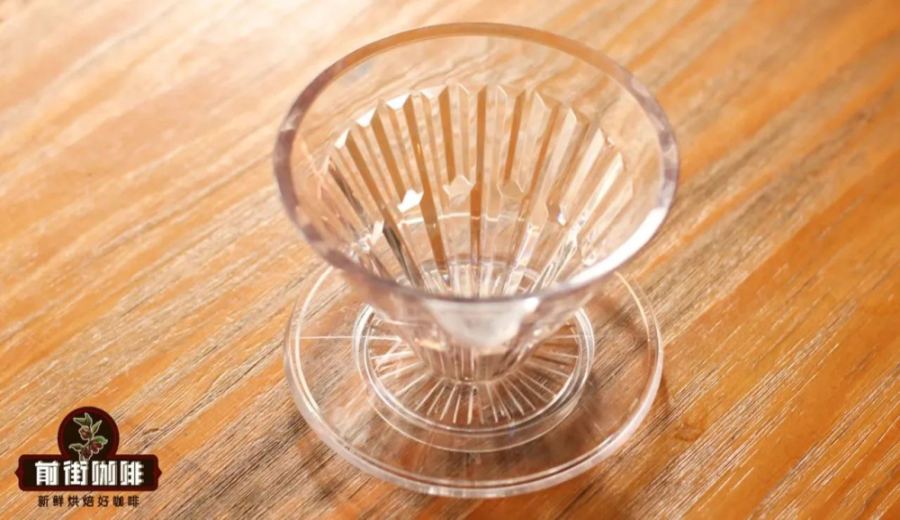
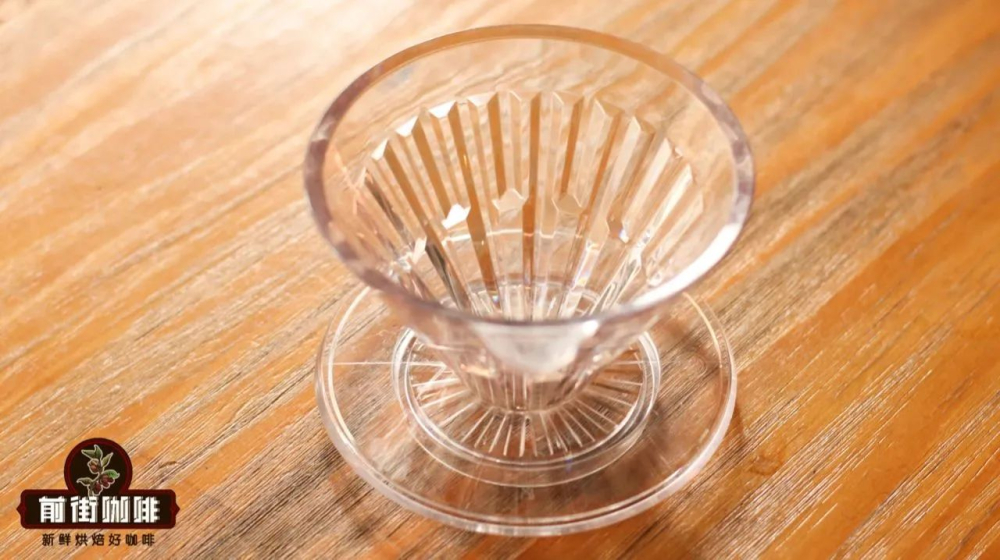
In contrast, the Bingtong filter cone employs a recessed exhaust channel design, with its grooves divided into three distinct levels:The upper level features a completely smooth surfacethat adheres almost seamlessly to the filter paper;the middle level has 24 short groovesextending from the smooth area down to about halfway up the cone;the lower level consists of 12 longer groovesthat extend from the middle tier down to the outlet. These three tiers are arranged in an alternating pattern, slowing the water flow in the middle layer to promote better immersion and extraction of the coffee grounds, while the lower section, being nearly suspended, significantly accelerates the water speed—effectively preventing over-extraction.
So, what different flavor profiles emerge when using these two filter cones to brew the Costa Rican “Strawberry Candy” coffee beans under the same conditions? This blend primarily selects high-quality single-origin beans from Panama and Costa Rica, featuring a medium-light to medium roast with rich fruity aromas, often expressing notes of strawberry taffy, sweet orange, dried fruit, and floral tones.
The following parameters were used for this test:15 grams of coffee beans, ground to a sugar-like fineness (approximately 78% through a Chinese No. 20 sieve), with water temperature controlled at91°C, and a brew ratio of1:15. A three-stage pouring method was applied: the first pour involved30 grams of water for a 30-second bloom, the second pour added95 grams of waterfor main extraction, followed by another pour of100 grams of wateronce the water level dropped to about two-thirds, making the total water volume225 grams.
Test results showed that the V60’stotal brew time was 2 minutes and 10 seconds, yielding flavors that included soft pink-hued floral notes, round and full-bodied dried fruit sensations, a pronounced cane sugar sweetness, and an almond-like finish, all contributing to a layered and vibrant cup. Meanwhile, the Bingtong filter cone, within the same brew time, delivered more delicate rose floral aromas, fresh orange blossom notes, a slight hint of astringency that was not overpowering, along with a distinct honey-like sweetness. The aftertaste left a mellow, tea-like warmth in the throat, resulting in a more balanced and full-bodied mouthfeel overall.

In terms of user experience, the Bingtong filter cone benefits from the extremely tight seal between its upper smooth surface and the filter paper. Once wet, the filter paper remains firmly attached to the walls, helping maintain a stable coffee bed—an advantage for those concerned about uneven flow or bed collapse. The V60 excels in flexible flow control, making it ideal for experienced brewers who can adjust extraction rhythm through pouring techniques. However, while it offers excellent layering, insufficient pouring stability can easily lead to overly fast flow or disrupted coffee beds, resulting in uneven extraction.
Overall, the Bingtong filter cone, due to its immersion-style extraction characteristics, maintains relatively balanced flavor output even with minor inconsistencies in water control, especially excelling in sweetness. The V60, on the other hand, can showcase richer layers and brighter acidity when operated skillfully, making it suitable for beans with pronounced aroma and fruity profiles.
If you prefer coffee with distinct flavor layers and bright acidity, the V60 is recommended—especially for medium-light roasted washed or natural process beans. For those who favor a fuller body, noticeable sweetness, and a fermented character in medium-light to medium roasted natural or honey-processed beans, the Bingtong filter cone makes an excellent choice. Understanding these traits allows you to more precisely highlight the unique profile of each coffee during your pour over sessions.
The above content is compiled by CoffeeHunters, a coffee news website.


