







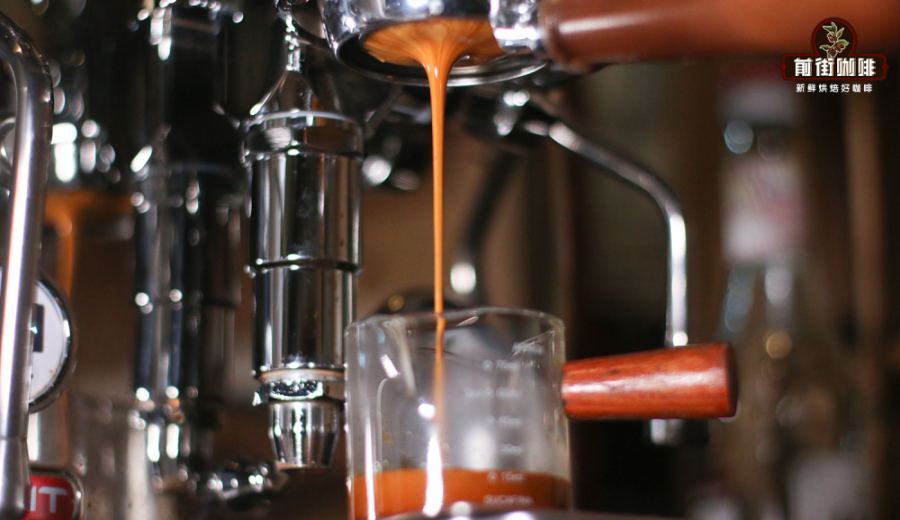
Introduction:Understanding the extraction principles of espresso and mastering key parameters such as coffee-to-water ratio, extraction time, and water temperature is essential for consistently brewing balanced and flavorful shots. This article delves into why espresso is not suitable for double extraction, explores multiple core factors that influence extraction quality—including crema formation mechanisms, pressure, and water temperature settings—and provides practical reference suggestions to help you adjust your espresso to perfection.
Making espresso is a highly technical craft. Every step—from selecting the grind size of the coffee grounds, controlling extraction time, to adjusting the coffee-to-water ratio and water pressure—directly impacts the final flavor profile. To understand why espresso shouldn’t be re-extracted, one must first grasp its fundamental extraction principles.
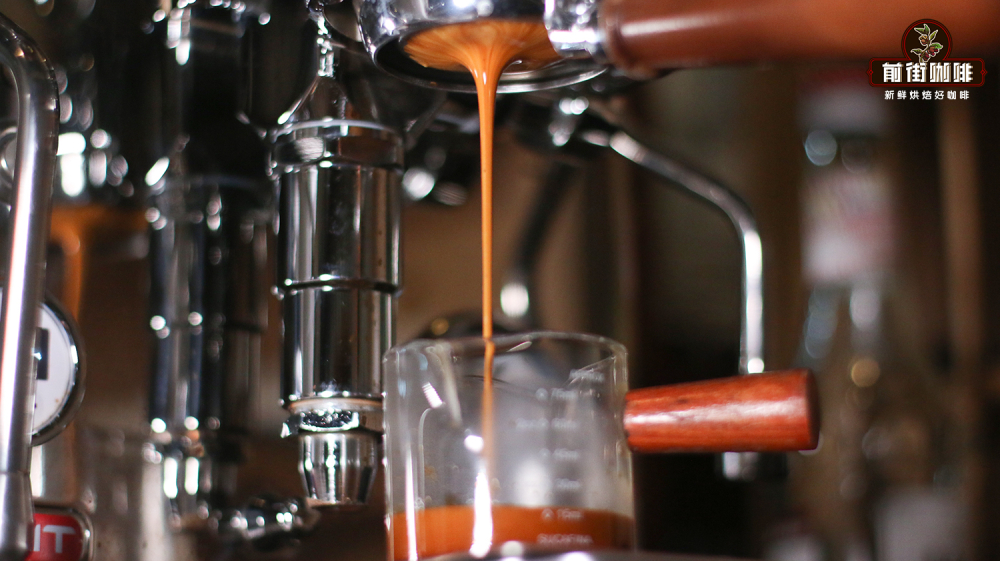
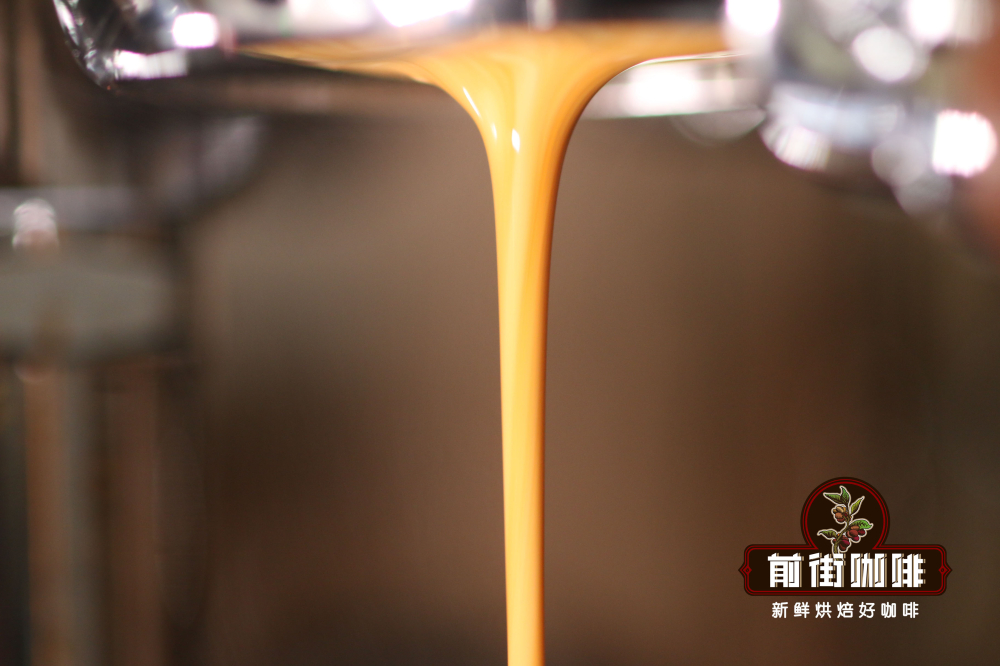
Espresso is produced by forcing high-pressure water (typically around 9 to 10 bar) through a compacted puck of coffee grounds, with an extraction time usually controlled between 25 to 30 seconds. This pressurized extraction method is fundamentally different from pour over coffee, which relies on gravity. Under high pressure, water can penetrate deep into the coffee cell walls, extracting flavor compounds, sugars, and oils—especially that captivating crema, which is a unique result of carbon dioxide released under high pressure.
So, why is double extraction not recommended for espresso? The key lies in the limited amount of soluble components in coffee beans. According to the Golden Cup extraction theory, only about 30% of roasted coffee beans consist of water-soluble aromatic substances, while the remaining approximately 70% are indigestible lignocellulosic fibers. During the first extraction, the water can dissolve about 18% to 22% of these aromatic compounds, a range considered the ideal extraction yield, capable of delivering a balanced flavor with sweet, sour, and bitter notes, as well as rich complexity.
Once a standard extraction is completed, most of the soluble aromatic compounds have already been released. If a second injection of water or repeated pressing is performed, the substances released are mostly large-molecule impurities, including over-extracted bitter and astringent compounds as well as lignocellulosic fibers. These do not enhance flavor but instead disrupt the original balance, making the coffee taste bitter, heavy, and lacking the desired brightness and complexity.
To consistently brew high-quality espresso, the following key parameters must be precisely controlled:
1. Coffee-to-Water Ratio
The generally recommended coffee-to-water ratio is 1:2, meaning 20 grams of coffee grounds yield 40 grams of espresso. This ratio maintains a rich yet not overly intense taste. If the ratio is too high (e.g., 1:1.5 or lower), the espresso becomes overly diluted, often resulting in a flat flavor; if the ratio is too low (e.g., 1:2.5 or higher), it may become excessively strong, losing detail and balance.
2. Grind Size
Since espresso extraction time is extremely short, the coffee grounds need to be ground very finely and uniformly—a level of precision difficult to achieve manually, so it’s recommended to use a professional espresso electric grinder. A grind that is too coarse leads to under-extraction, resulting in pronounced acidity and thin flavors; a grind that is too fine can cause over-extraction, producing burnt bitterness and astringency. Adjustments should be made carefully by observing flow rate and flavor performance, fine-tuning as needed.

3. Extraction Time
The ideal extraction time falls between 25 to 30 seconds, allowing for sufficient extraction of desirable acidic and sweet compounds while avoiding excessive release of undesirable impurities. If the extraction time is less than 25 seconds, under-extraction often occurs, leading to weak flavors and prominent acidity; if it exceeds 30 seconds, over-extraction is likely, increasing bitterness and astringency.
4. Flow Rate
Flow rate is an intuitive indicator of whether the overall extraction is balanced. Normally, about 5 seconds after pressing the extraction button, coffee should begin to drip, and the flow should be even and stable. If liquid does not appear until after 10 seconds (excluding pre-infusion), the grind may be too fine or the tamp too tight; conversely, if the flow is too fast or even spraying out, the grind may be too coarse or channeling may be occurring—both situations require immediate adjustment.
5. Pressure and Water Temperature
Extraction pressure is recommended to be maintained at 9 to 10 bar, the optimal range for fully extracting coffee essence without damaging its structure. Water temperature is generally set between 90 to 94°C. Temperatures that are too high can lead to over-extraction, releasing excessive burnt and bitter substances; temperatures that are too low result in under-extraction, with incomplete flavor development. Stable water temperature and pressure not only affect extraction efficiency but are also crucial for crema formation.
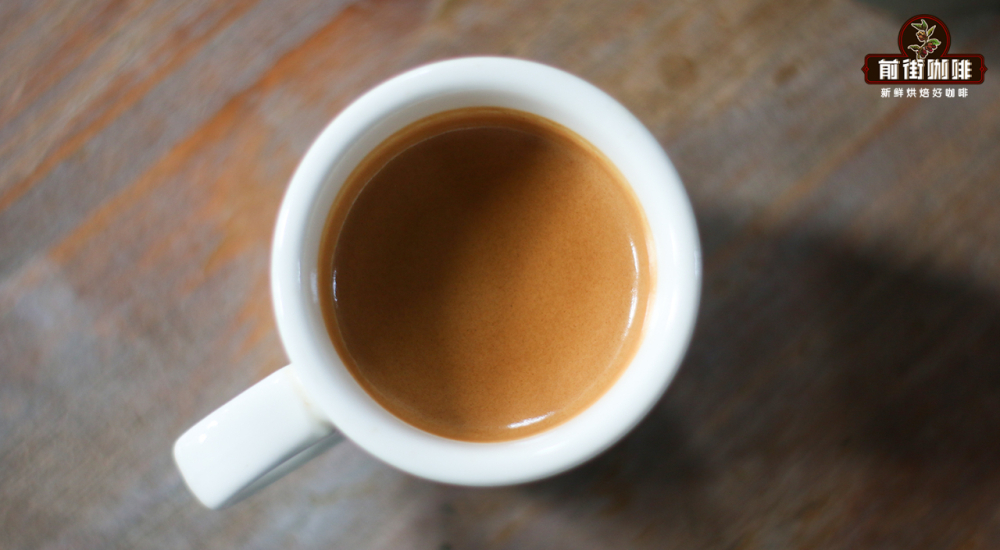
Crema is the product of carbon dioxide and oils interacting under high pressure. Freshly roasted coffee beans, rich in carbon dioxide, are more likely to form a dense and fine layer of crema. Over time, as gases in the beans dissipate, the thickness and stability of the crema will also decline. Therefore, it is recommended to use coffee beans with a recent roast date for the best extraction results.
Finally, choosing an espresso blend that suits your personal taste can greatly improve your chances of successful extraction. Below are several common and well-regarded espresso blend flavor profiles for reference:
Classic Bold Type:Containing Robusta, Colombian, and Brazilian beans, this blend has a rich body, with smoky and creamy textures, suitable for those who prefer a bold flavor.
Mildly Acidic Bold Type:Combining Yunnan small beans and Brazilian beans, this blend features gentle acidity with layers of caramel and plum-like sourness, ideal for those who enjoy a balanced sweet and sour profile.
Balanced Rich Type:Based on Colombian and Brazilian beans, this blend offers stable flavors with distinct notes of chocolate and caramel, suitable for everyday drinking.
Delicate Winey Type:Made with Ethiopian natural and Honduran sherry cask beans, this blend delivers intense black chocolate and caramel aromas with a long finish, perfect for pairing with milk or crafting refined specialty drinks.
The above content is compiled by CoffeeHunters, a coffee news website.


