







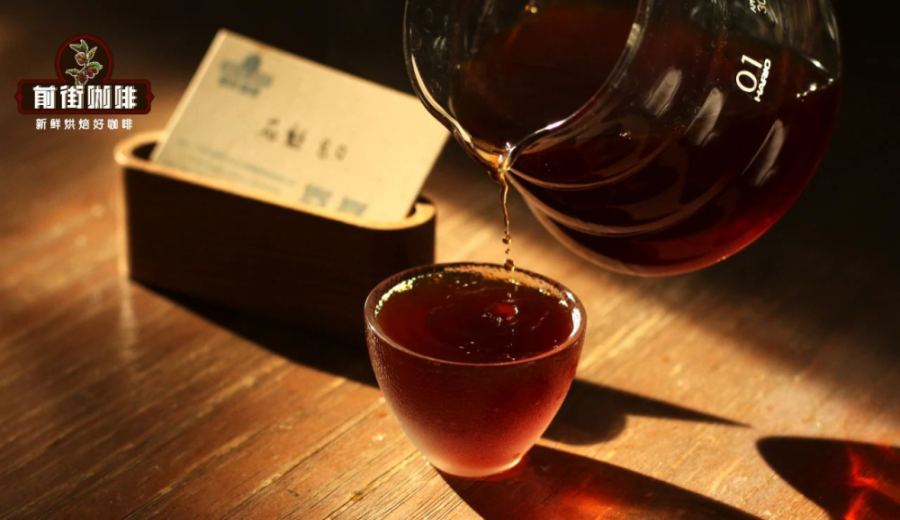
Introduction:Two top-tier coffee beans often compared with each other represent the pinnacle of refined flavors from Ethiopia and Panama. This article delves into their variety origins, naming backgrounds, processing methods, and batch evolutions, while providing a detailed comparison of differences in aroma, acidity, sweetness, and aftertaste. It also offers practical pour over recommendations and standard extraction parameters to help you better understand the charm and brewing secrets of these two coffee beans.
In the world of specialty coffee, Huacai (Hua Kui) and Geisha are undoubtedly two shining stars. One hails from Ethiopia, the other from Panama. They are frequently compared not only because they have achieved remarkable results in international competitions, but also due to their uniquely distinct flavor profiles. But do you know how their backstories, varietal origins, and processing methods differ? This article will take you deep into understanding these two classic coffee beans—from their naming origins and regional backgrounds, all the way to flavor characteristics and suitable pour over parameters—so you can grasp their differences and allure in one go.
Huacai: A High-Altitude Representative from Ethiopia
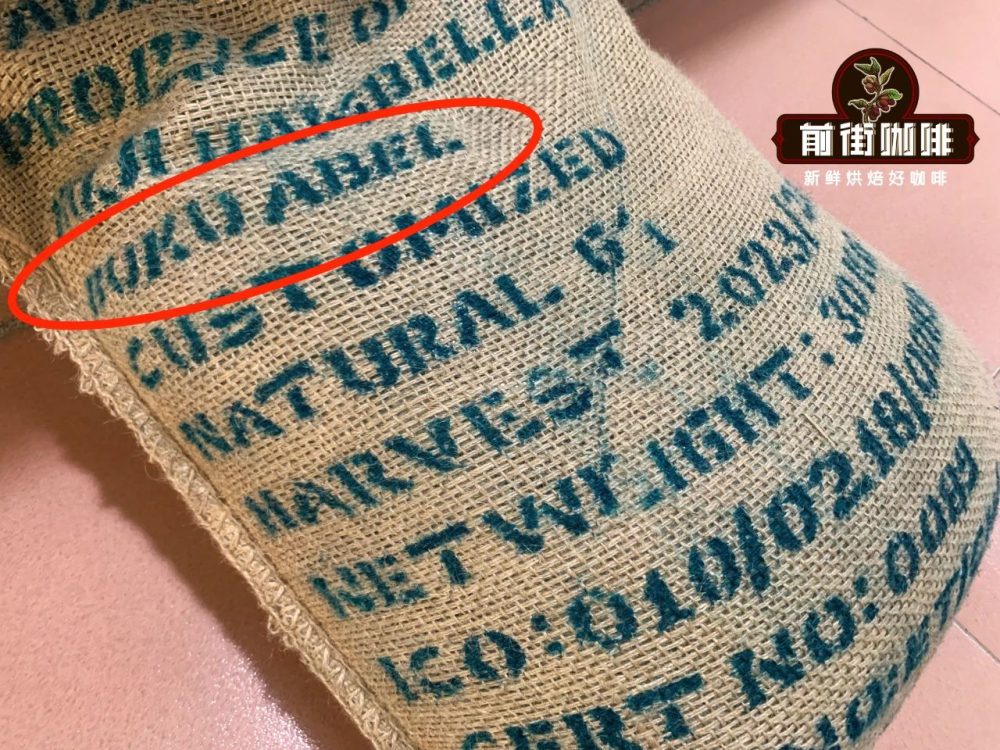
The Huacai coffee bean was not originally called by this name. When it first appeared in international competitions, it was introduced under the name "Guji Hambella," which is a sub-region of Yirgacheffe in southern Ethiopia. In 2017, Chinese competitor Li Jianfei used this coffee in the China leg of the World Brewers Cup, breaking the then-prevailing dominance of Geisha on the competition scene and bringing this coffee from Hambella into the spotlight.
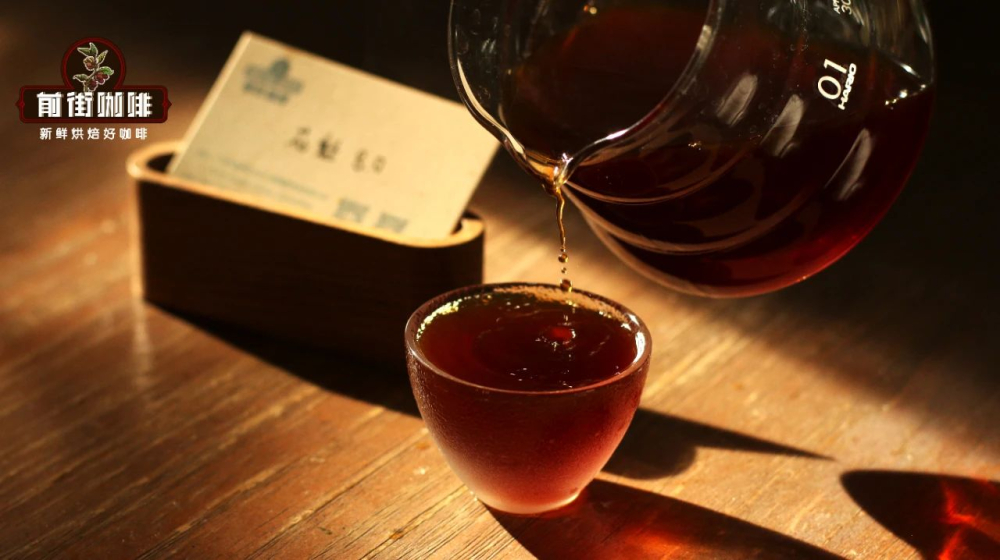
With its delicate rose-like floral aroma, rich berry and peach flavors, coupled with a soft red wine-like finish, it quickly won the hearts of many coffee professionals and consumers. Initially, it was exported solely under the regional name "Hambella," but after entering the Chinese market, its highly promising performance and impressive competition results inspired a Beijing-based coffee importer to creatively rename it "Huacai" (meaning “Flower Queen”), symbolizing its status and potential within the coffee world.
The origin of Huacai—the town of Hambella Buku—is located about 400 kilometers south of Addis Ababa, at an altitude of up to 2000 meters, with some areas even exceeding 2300 meters. The high altitude slows down the ripening process of the coffee cherries, resulting in coffee beans with richer aromas and higher acidity.
This batch of coffee is primarily cultivated by local smallholder farmers and processed at the Buku Abel washing station, which is owned and managed by DW Exports. Since 2016, coffee from this area has consistently performed well in the Taste of Harvest (ToH) African green coffee competition, with Buku Abel winning first place in the natural process category in both 2016 and 2017, and securing third place in 2018.
The processing method for Huacai is traditional sun-drying, but in practice it is closer to a refined washed process: harvested coffee cherries are first soaked in cold water to remove floaters, then placed on raised beds to dry slowly, ensuring even moisture evaporation and preserving maximum fruitiness and sweetness. This meticulous processing method is key to Huacai’s ability to showcase such complex and balanced flavors.
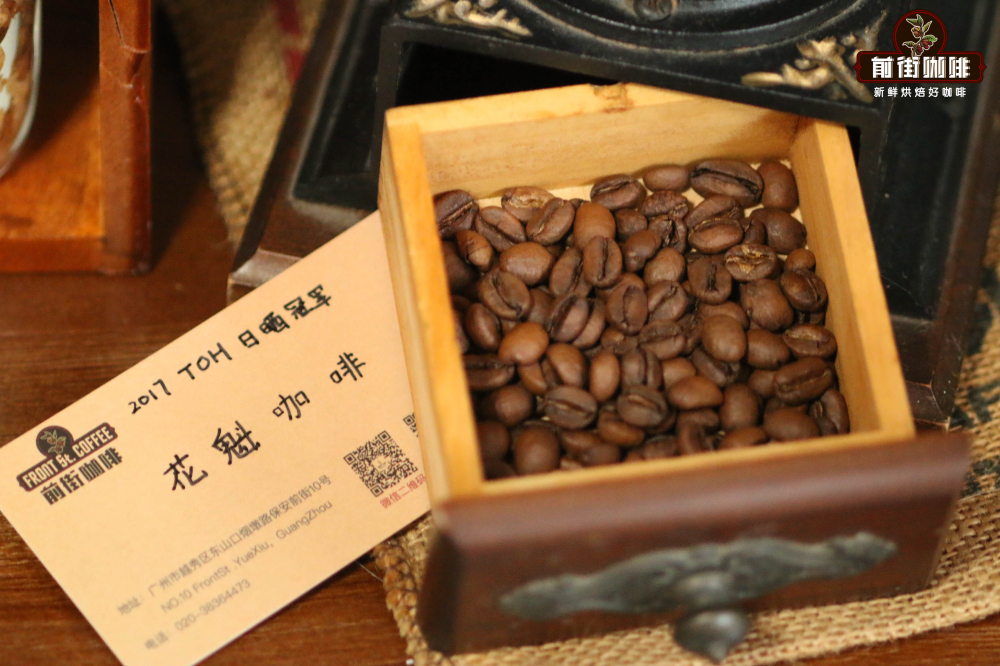
It’s worth mentioning that this product has different “versions” each year, from “2.0” in 2018 to “5.0” in 2021, with each version labeled with an “X.0” suffix to distinguish yearly batches. Although the overall flavor profile remains similar, cupping tests revealed that the 2018 and 2019 versions were slightly inferior in aroma and body compared to earlier ones, later found to be related to the inclusion of smaller bean varieties. Therefore, after 2020, the product was divided into two lines: “X.0” and “Small Bean Huacai,” allowing consumers to choose based on preference.
For pour over brewing of this product, it is recommended to use a V60 filter, with water temperature controlled at 91°C, a coffee-to-water ratio of 1:15, around 15 grams of coffee, and grind size roughly equivalent to 80% passing rate through a Chinese Standard No. 20 sieve. For specific technique, start with a 30-second bloom using 30 grams of water, then pour in a circular motion to reach 125 grams for the first pour. After the water level drops, pour again to 225 grams, and finally remove the filter just before the water level exposes the coffee bed. Total brew time should be around 2 minutes to fully highlight the fruitiness and layered complexity of the coffee.
Geisha: From Niche Variety to Global Superstar
When it comes to Geisha, many people immediately think of the legendary bean variety from Panama’s Hacienda Esmeralda. But in fact, the term “Geisha” has multiple meanings: it is both the name of a village in Ethiopia’s Kaffa region and the original name of the coffee variety discovered in 1931. It has also become synonymous with high prices and high scores in today’s specialty coffee scene.
This coffee variety was first discovered in Gesha Village in Ethiopia and later introduced to Panama, where it flourished under the careful cultivation of Hacienda Esmeralda. Interestingly, the Chinese name “Geisha” actually originates from the Japanese word “花魁” (oiran), since “Geisha” in English originally refers to a “geisha” or “performing artist,” and the most elite geishas in Japan are honored as “花魁” (flower queens), symbolizing the most elegant and top-tier performance—an apt metaphor that perfectly matches the status of this coffee.
In terms of flavor, what Geisha is most praised for is its layered floral notes, delicate citrus acidity, bright berry tones, and a tea-like finish with honey-like sweetness. However, depending on the processing method and grade, the expression of Geisha can vary. For example, Red Label Geisha is known for its clear fruit character and juice-like mouthfeel, with bright acidity that is not overly sharp; whereas Blue Label Geisha is relatively softer, with less pronounced floral notes and a more reserved overall flavor profile.
Flavor Differences and Selection Tips: Huacai vs. Geisha
Comparing Huacai and Geisha, the most interesting aspect lies in the distinct flavor directions they represent: Huacai features intense berry, peach, and jam aromas, accompanied by a notable richness and a slight tea-like undertone; Geisha, on the other hand, showcases a more premium citrus acidity, clear floral notes, and a tea-like character, offering a fresher and more transparent profile overall.
If you prefer coffee with rich fruitiness and a hint of wine-like notes, Huacai is an excellent choice; if you lean more toward bright, clean, floral-fruity coffees with high acidity, Geisha may better suit your palate.
No matter which one you choose, it is recommended to adjust your pour over parameters according to its characteristics: for instance, Huacai benefits from a slightly higher water temperature to bring out its fruitiness and body, while Geisha can be brewed with a slightly lower temperature to highlight its delicate acidity and layered aromas.
In summary, Huacai and Geisha are not just two types of coffee beans—they represent refined expressions shaped by different regions, processing techniques, and market expectations. Whether you’re a beginner in the coffee world or an experienced enthusiast, gaining a deeper understanding of their backgrounds and traits will enrich your tasting and brewing experiences with greater enjoyment and insight.
The above content is compiled by CoffeeHunters, a coffee news website.


