







Introduction:Do you know why Sumatran coffee is often referred to as Mandheling? This coffee, known for its bold and full-bodied profile, mainly comes from two renowned regions in northern Sumatra: Lake Toba and Lake Takengon. This article delves into the origin of the Mandheling alias, the geographical environments of these regions, as well as the cultivation background of its representative Typica variety, and helps you understand why Lake Toba is considered the core producing area of Mandheling — enabling you to choose and appreciate this classic coffee more precisely.
Mandheling coffee, often called "Sumatran coffee," is one of the flavor-distinctive representatives beloved by many coffee enthusiasts. The widespread recognition of this coffee is closely tied to its main production areas — the two major lake regions in northern Sumatra: Lake Toba in North Sumatra Province and Lake Takengon in the Aceh Special Region, forming what is known as the "dual lakes, dual Mandhelings" phenomenon. These two regions not only differ in geographical conditions but also impart subtle yet unique flavor profiles to Mandheling coffee.
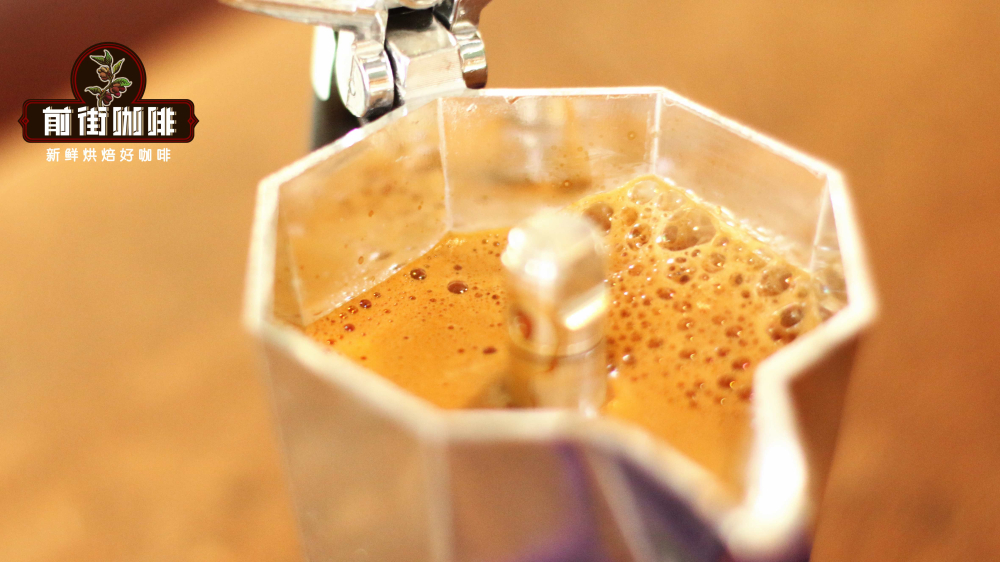
When it comes to the commonly seen Mandheling on the market, many people first think of that taste experience where bitterness and sweetness intertwine upon entry, with intense and direct aromas. The representative style of this type often features medium to dark roasts, and whether brewed using pour over, French press, or moka pot, it can showcase rich crema and a solid mouthfeel, making it highly suitable for everyday drinking. Additionally, the aftertaste of such Mandheling often carries distinct notes of caramel and wood, adding layers to the overall flavor.
Among the various Mandheling products, some beans that have undergone carefully selected processing — such as Golden Mandheling, which is screened multiple times manually and by machines — have more consistent green bean quality with low defect rates. Not only are the beans plump and even in appearance, but there is also a noticeable improvement in richness and cleanliness in the cup, making it an excellent choice for coffee lovers seeking a higher level of flavor.
It’s worth noting that the name "Mandheling" is actually not the official name of the place, but originates from a historical misunderstanding. However, over time, this name has become synonymous with high-quality Sumatran coffee, especially closely associated with the Typica variety or its variants grown in the mountainous areas around Lake Toba.
Lake Toba is located in the central part of North Sumatra Province in northern Sumatra. It is a typical highland freshwater lake with an average elevation of about 900 meters. Such altitude and geographical environment provide ideal climatic conditions for coffee cultivation, including advantages like significant day-night temperature differences, moderate rainfall, and fertile soil. In fact, as early as 1888, Dutch colonists transplanted coffee varieties originally grown in Java — later referred to as "Java Mandheling" — to the Lake Toba area, thus marking the beginning of this region’s history as a key Mandheling-producing area.
The mountainous areas around Lake Toba are what most people today consider the main source of Mandheling coffee, especially the Lin Tong area by the lake, which is regarded as the core producing region of Mandheling. Lin Tong is not only geographically close to Lake Toba, but its altitude, microclimate, and soil conditions are all conducive to producing coffee beans with a robust body and distinctive aromatic profile. Although the Lake Takengon area in Aceh’s special region of Sumatra also produces coffee with a Mandheling-style profile, in most cases, when referring to Sumatran Mandheling, the products from the Lake Toba region remain the most representative.
In summary, understanding the origin of Mandheling’s alias and the distribution of its producing regions can help consumers make more informed choices when selecting coffee beans. Whether you’re a beginner just starting out or a daily drinker seeking stable and full-bodied flavors, the Mandheling coffee from these two major regions — Lake Toba and Lake Takengon — can offer you different taste experiences and learning value.
The above content is compiled by CoffeeHunters, a coffee news website.


