







Introduction:Learning to appreciate coffee is not just about taste—it’s the result of a combined effort involving sight, hearing, smell, touch, and taste. This article will take you on an in-depth journey to discover how, through daily practice and professional tools, you can gradually build your own sensory system for coffee. Whether you’re a beginner or a coffee professional, these methods will help you more acutely capture the subtle flavors in coffee, making each cup a delightful surprise.
Tasting a cup of coffee relies on far more than just your taste buds. In fact, the presentation of a great cup of coffee is a holistic experience woven together by sight, sound, smell, touch, and taste. From professional tasting interactions at specialty coffee shops to self-training in daily life, we can systematically cultivate our sensitivity to coffee flavors through various methods. This article will guide you on how to evoke taste memories through smell, how to distinguish sour, sweet, bitter, and salty with your tongue, and how to perceive coffee’s body and smoothness through touch. We’ll also introduce useful tools like the Le Nez du Café 36-flavor kit and the 100-flavor flavor map to help you establish your very own coffee sensory system.
With the growing popularity of specialty coffee culture, more and more consumers are beginning to see coffee as a form of lifestyle aesthetics and cultural experience. The rise of pour over coffee not only aligns with the market’s pursuit of flavor details but has also transformed the way cafes operate. Many shops have lowered their counters and added seating so customers can closely observe the barista’s brewing process. This open and interactive atmosphere encourages baristas to proactively engage with guests: “Come, first smell the dry aroma of this coffee—do you detect any freshness of jasmine, rose, or lemon?” Then they guide the guests to taste, asking: “What do you feel? What does this coffee remind you of?” Such interaction not only adds fun but also helps customers gain a deeper understanding of coffee’s multi-sensory expressions.
Many people mistakenly believe that tasting relies solely on taste. However, some aromas are actually perceived when they enter the nasal passage from the back of the mouth, known as retronasal olfaction, while mouthfeel comes from tactile feedback. Research shows that vision, hearing, touch, smell, and taste—all five senses—influence how we judge the overall flavor of coffee. Our memory plays a crucial role as well, because whether identifying, evaluating, or comparing, memory is always involved in the tasting process. Even if you don’t aim to become a professional cupper, you can start with the most basic step: before taking your first sip of coffee, deeply inhale its dry and wet aromas. Because smell and taste play equally vital roles in tasting, just as when you have a cold and food loses its flavor, it’s often due to nasal congestion blocking the reception of aroma.
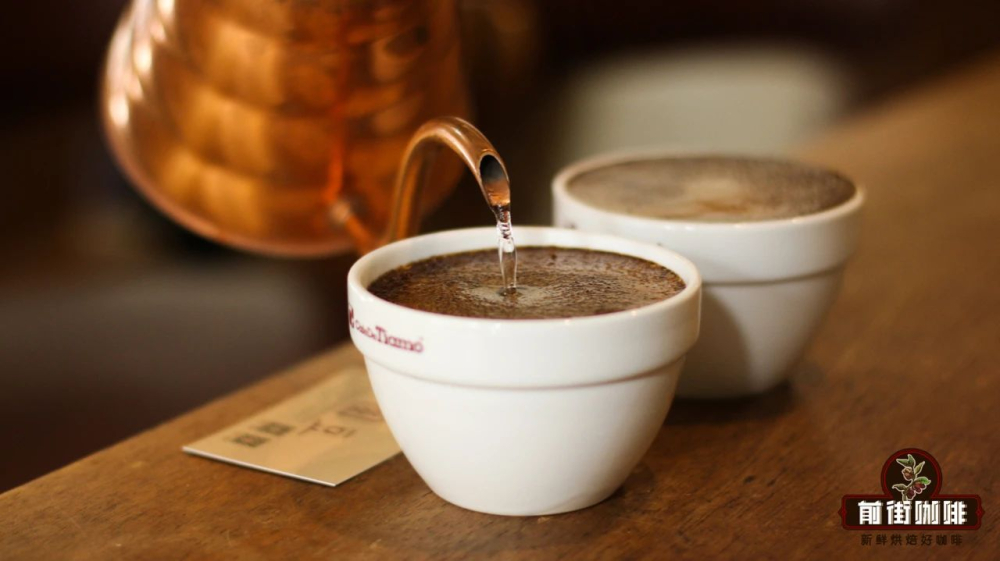
Scent is an invisible and colorless presence, perceptible only up close. To train your sensitivity to smells, you need to accumulate memories from daily life—for example, remembering the scents of asphalt, gardens, forests, or market seasonings—and categorizing them into types such as floral, fruity, nutty, resinous, or burnt. This helps you grasp the common characteristics of each scent type. The moment you brew a cup of coffee, the very first aromas that greet your nose mark the beginning of the tasting experience. These may include floral notes, fruity acidity, earthy herbs, or caramel—this diverse combination of aromas is what makes coffee so captivating.
Smell and taste are closely linked. When you catch the scent of berries or caramel, you can anticipate the corresponding flavors that might be present in the cup. If the expected aromas are not prominent or the cupping results fall short of expectations, you can tap into your olfactory memory bank, recalling what aromas “should” be present in that coffee, and then adjust your brewing or roasting strategies accordingly. Especially during the roasting process, the Maillard reaction produces a large number of volatile aromatic compounds, which are key to shaping the coffee’s aroma. Therefore, training yourself to remember these smells helps you more accurately grasp roast expression and flavor direction.
The core of taste training lies in continuously accumulating and identifying experiences. This requires time and patience—only through constant tasting and recording can you gradually enhance your sensitivity to sour, sweet, bitter, and salty. Taste is primarily handled by the taste buds on your tongue, with slightly varying sensitivities across different areas, but overall, the tongue can perceive the four basic tastes: bitter, salty, sour, and sweet. When you take a sip of coffee, let it linger in the front part of your mouth first, distinguishing whether the acidity is bright or dull, sharp like lemon or soft like berries, and the depth and layers of bitterness. Then, pay attention to how the aromas diffuse in your mouth and nasal cavity, as well as the aftertaste and throat sweetness after swallowing.
In addition to taste, touch is also an essential aspect of coffee tasting. We often use words like “smooth,” “thick,” “heavy,” or “refreshing” to describe the mouthfeel of coffee, which come from tactile feedback via the tongue, lips, and oral cavity. Different brewing methods can significantly influence the mouthfeel—pour over, for instance, usually results in a cleaner and lighter texture because the filter paper removes most of the coffee oils, whereas espresso feels richer and smoother due to its crema. Additionally, astringency, temperature, and lip sensation all fall within the tactile dimension of tasting.
If you want to further train your sense of smell and taste, besides trying various fruits and spices, you can also use professional aroma kits for systematic practice. Two popular tools on the market are France’s Edition Jean Lenoir’s 36-flavor Le Nez du Café and South Korea’s Scentone 100-flavor Coffee Flavor Map. These aroma bottles can help you build more precise olfactory memories, thereby enhancing your ability to identify coffee flavors. When using them, it’s recommended to first sniff the bottle cap lightly, then gently shake the bottle to release the aroma, and alternate sniffing through each nostril to more comprehensively capture the nuances of the scent.
The 36-flavor Le Nez du Café is divided into four major groups: First is the enzymatic group, including fruits (like lemon, apple, apricot), vegetables (like potato, cucumber, pea), and nectars (like coffee flower, tea rose, honey); next is the sugar browning group, covering nuts (like roasted almond, roasted peanut, walnut), desserts (like caramel, dark chocolate, vanilla), and meal flavors (like toast, fresh butter); the third category is the dry distillation group, consisting of seasonings (like pepper, vanilla bean, clove), beverage ingredients (like blackcurrant, maple syrup, malt), and processed herbs (like roasted coffee, tobacco, cedarwood); finally, the defect group includes wet funk (like soil, straw, medicinal), dry pungent (like rubber, leather, smoke), and pleasant aromas (like coffee pulp, fragrant rice, roasted beef).
The 100-flavor Coffee Flavor Map is even more detailed, encompassing tropical fruits (like guava, mango, banana), berries (like strawberry, blueberry, blackberry), nuts (like hazelnut, almond, walnut), spices (like cinnamon, star anise, cardamom), dairy (like cream, cheese, yogurt), floral teas (like rose, jasmine, lavender), wood and tobacco (like pine, cedar, smoke), as well as coffee-related flavors (like roasted coffee beans, caramel, creamy chocolate), helping you analyze the complex aromatic composition of coffee from multiple dimensions.
The above content is compiled by CoffeeHunters, a coffee news website.


