







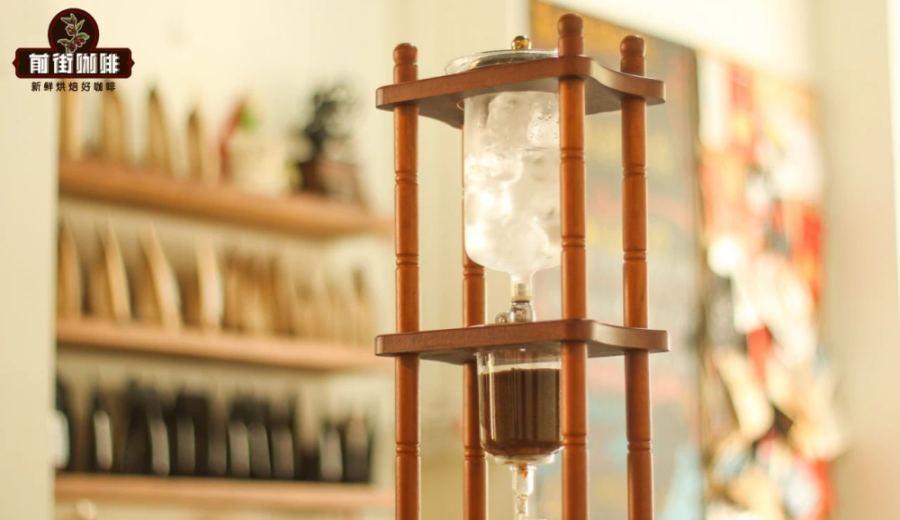
Introduction:Cold drip coffee is an excellent choice for cooling down in the summer, but the coffee bean variety and extraction method directly affect the final flavor. This article takes a medium-dark roasted bean from Brazil’s Queen Estate as an example, detailing the golden 1:10 ratio, coarse sugar grind size, and key settings of 7 drips per 10 seconds, while breaking down each step from coffee distribution and filter paper application to refrigeration and oxidation. It also explains specifically how medium-dark roasting enhances layers of chocolate and nuttiness, and helps you master the core techniques for achieving low acidity with a sweet aftertaste.
To enjoy a rich-flavored cold drip coffee in the hot summer, choosing the right beans and mastering the correct extraction parameters are crucial. This time, we use medium-dark roasted coffee beans from the renowned Queen Estate in a well-known coffee-producing region of Brazil as our practical subject. Not only do we provide a lab-tested 1:10 ice-to-water ratio (60 grams of coffee grounds to 600 milliliters of ice water), but we also deeply analyze the grind size setting of coarse sugar — this coarseness is slightly finer than that typically used for medium-roasted pour over beans, which can effectively avoid the off-flavors caused by over-extraction.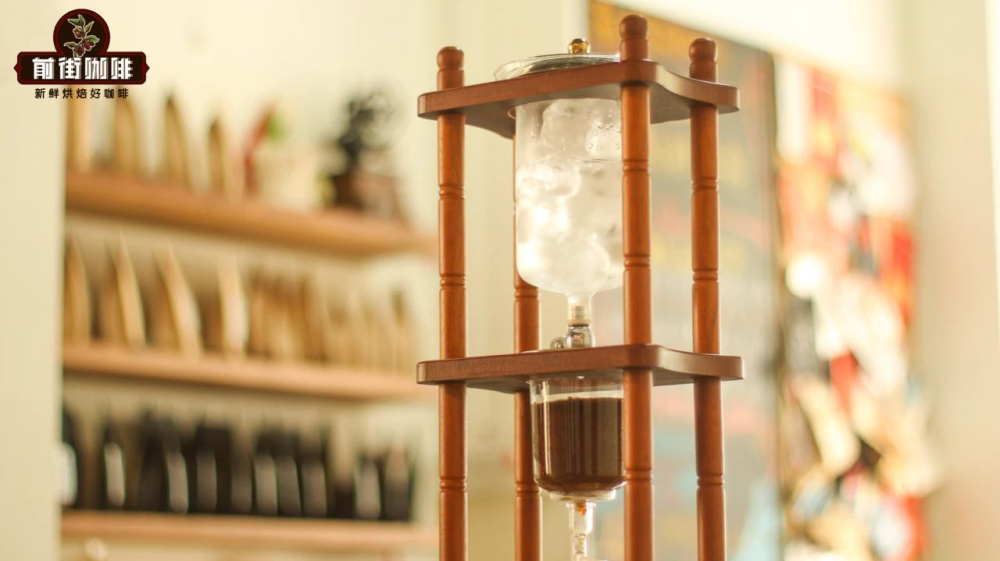
The production process begins with prepping the filter cup: first, place a round filter paper at the bottom, wet it with water to make it adhere tightly to the cup wall, then evenly fill in 60 grams of ground coffee. At this point, you can gently shake the filter cup to level the surface or lightly tamp it with a coffee tamper to ensure even distribution of the water droplets later. Next, laying a second layer of filter paper is a key technique — the tension of the filter paper prevents the coffee bed from collapsing due to prolonged dripping, maintaining a stable extraction environment.
The wetting stage is equivalent to the blooming step in pour over brewing. Using ice water to evenly saturate the entire coffee bed not only activates the coffee's flavor compounds but also significantly improves the consistency of the final product. Special attention should be paid to the preparation ratio of the ice water; it is recommended to mix edible ice and purified water in a 1:1 ratio to ensure that flavor molecules are stably released in a low-temperature environment.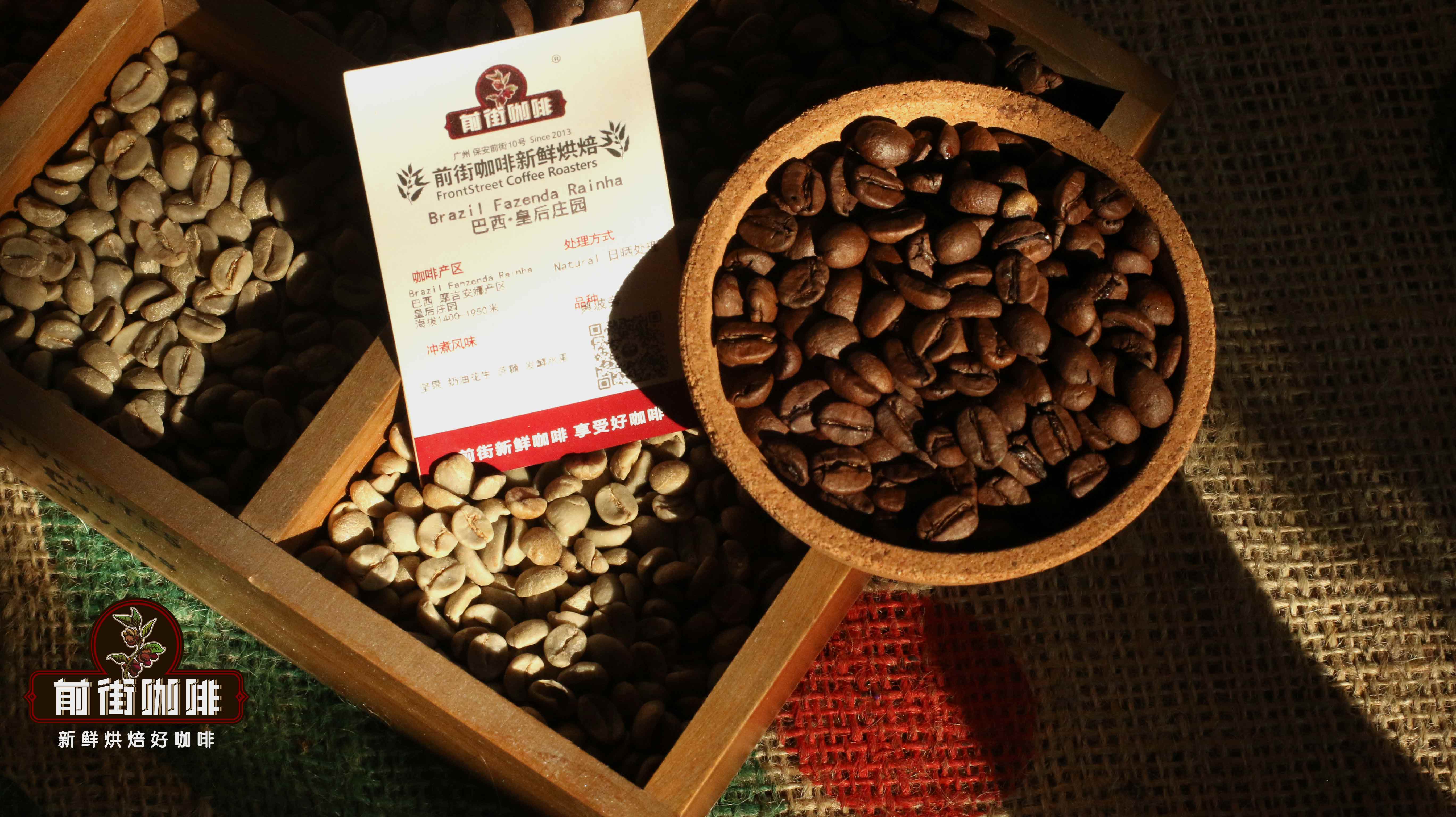
Controlling the dripping speed is the soul parameter of cold drip coffee. Through repeated testing, a rhythm of 7 drips per 10 seconds achieves the best balance — too fast can lead to over-extraction, while too slow results in underdeveloped flavors. It is recommended to use a professional cold drip device with an adjustable valve; if using a manual method, maintain a consistent rhythm. After completing the extraction, be sure to pour the coffee liquid into a completely sealed, oil-free, and water-free glass container, and let it sit in the refrigerator for at least 12 hours of oxidation to allow the flavor molecules to fully integrate and release.
Why are medium-dark roasted beans especially suitable for the cold drip method? Compared to the bright fruit acidity of light roasts, medium-dark roasts produce rich caramelized substances through the Maillard reaction, which is the core reason why the Queen Estate exhibits intense flavors of chocolate, nuts, and peanuts. Its full-bodied taste has a silky texture, with extremely low acidity upon entry, and the long-lasting sweet aftertaste is a favorite among cold drip enthusiasts. This flavor combination is not only resistant to refrigeration but also pairs well with dessert after meals.
Practical tips: it is recommended to use white, unbleached filter paper to avoid chemical substances affecting the flavor; during the refrigeration and oxidation stage, if you notice a distinct “smoky aroma,” it indicates that the flavor has entered its optimal drinking period; if you prefer a richer taste, you can adjust the ratio to 1:8 and extend the oxidation time to 18 hours. Mastering these details allows you to replicate a professional-grade cold drip coffee experience at home.
The above content is compiled by CoffeeHunters, a coffee news website.


