








Introduction:Want to enjoy a refreshing and flavorful iced coffee on a hot summer day? Did you know that the same coffee beans can perform very differently in cold drinks compared to hot ones? This article will delve into the key techniques for making iced coffee, including the standard ratios and extraction essentials for classic iced americano and iced latte, as well as sharing tips on choosing coffee beans suitable for cold drinks—so you can easily brew professional-level iced coffee at home.
On a scorching summer day, sipping on a cool cup of coffee is definitely one of the most soothing pleasures. However, many people find that even when using high-quality coffee beans, the flavor of homemade iced coffee still falls short compared to what they get at cafes. In fact, this has to do with the unique extraction and blending logic of iced coffee. Since low temperatures affect our taste buds—making acidity more pronounced while muting sweetness and bitterness—making iced coffee requires a different strategy when it comes to bean selection, grinding, and brewing.

Tracing back through history, the birth of iced coffee is closely tied to commercial needs. As early as a hundred years ago, coffee merchants in the United States began actively promoting various types of iced coffee drinks to boost summer sales. In the classic movie Roman Holiday, the character played by Gregory Peck even ordered a “Cold coffee,” showing that iced coffee has long been part of global daily drinking culture. To this day, iced coffee remains the top-selling summer beverage, with demand surging every year during the hot season.
To make delicious iced coffee, it’s essential first to understand the relationship between taste perception and temperature. Research shows that when a beverage is served cold, our sensitivity to sweetness and bitterness decreases, while sensitivity to acidity increases. That’s why many people find iced coffee tends to have a sharp or overly acidic taste. Therefore, it’s recommended to choose medium to dark roasted beans—or blends with a higher proportion of Robusta (Canephora variety)—which help balance overall flavor, resulting in a smoother, less acidic, and more layered cup.
Iced coffee comes in many forms, but among the most popular are iced americano, iced latte, and cold brew. Whether you prefer something quick and simple or a more refined experience, there’s an option for you. No matter which one you choose, you’ll need a reliable brewing tool—such as a home semi-automatic espresso machine or even more convenient drip coffee bags—to easily step into the world of iced coffee.
Let’s start with the most classic iced americano. Its basic composition is espresso plus cold water. The method is very simple, but the ratio and steps are the key.It’s generally recommended to use 20 grams of medium to dark roasted blend beans, ground to a very fine consistency, to extract 40 grams of espresso liquid within a time frame of 25 to 30 seconds.Then, dilute with about 180 milliliters of room temperature or slightly warm water at a 1:5 ratio. If you want to make it an iced americano, simply pour the 40 grams of espresso directly into a cup with 100 grams of ice cubes, then add 180 milliliters of cold water. This helps preserve the coffee’s richness while keeping the taste fresh and crisp.

As for iced latte, the method is similar to iced americano, except that some of the water is replaced with milk.It’s recommended to first place 100 grams of ice cubes in the cup, then pour in 180 milliliters of fresh milk, and finally add 40 grams of espresso liquid.This not only preserves the smooth, milky flavor of a latte, but also uses the ice to lower the temperature, resulting in a smoother, more refreshing summer version. The choice of milk is also important—whole milk or high-quality fresh milk is recommended for a richer taste and better foam stability.
If you want to skip the manual extraction process, you can also choose high-quality drip coffee bags. Brew them with hot water, let them cool, then pour over ice cubes and mix with water or milk to achieve a great iced coffee flavor as well.
For those who prefer using an espresso machine, here are several blend bean recommendations suitable for making iced coffee. These beans are commonly used in professional shops to produce iced americanos and iced lattes, and they offer stable flavor profiles:
- Classic Italian Blend: Offers aromas of nuts, dark chocolate, maple syrup, and caramel. It has a rich crema, a full-bodied texture, and is ideal for those who enjoy intense flavors.
- Queen Estate SOE: Features a balanced flavor profile with notes of cream, chocolate, peanuts, and citrus. The acidity is mild, making it suitable for those who prefer less pronounced sourness.
- Premium Italian Blend: Known for its harmonious blend of creamy peanut, nutty, and chocolate notes, with a notable aftertaste. Suitable for a variety of cold drink applications.
- PWN Golden Mandheling SOE: Exhibits herbal, pine, and sandalwood tones, paired with chocolate and nuts. The flavor is rich with a spicy edge, perfect for iced coffee lovers seeking a unique character.
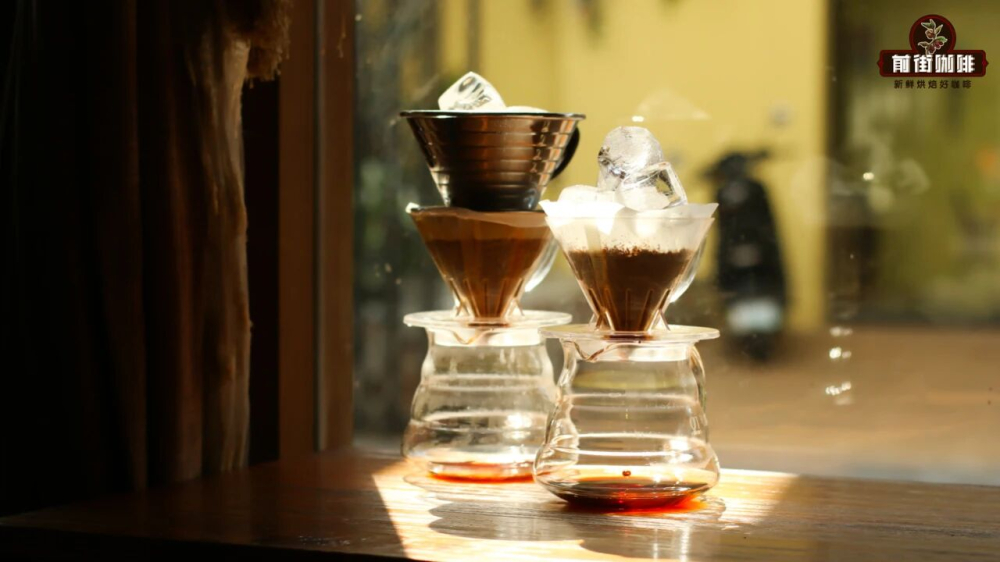
In summary, making a delicious cup of iced coffee is not just about choosing the right beans—it also involves mastering the appropriate extraction parameters and blending ratios for cold drinks. Whether you’re using a professional espresso machine or a simple drip coffee solution, as long as you pay attention to how temperature affects taste, select beans with a suitable roast level, and follow the standard ratios, you can easily enjoy a professional-grade iced coffee experience at home, making this summer cooler and more delightful.
The above content is compiled by CoffeeHunters, a coffee news website.


