








Introduction:Espresso is a daily choice for many coffee enthusiasts, but when it comes to blends vs. single-origin beans, different roast levels, and storage methods, it can be overwhelming. This article delves into the key points of choosing espresso beans, compares the differences between blends and single origins, explains the impact of medium-dark roasts on extraction, and offers practical storage tips to help you find the most suitable beans and brew balanced, flavorful espresso.
Espresso is not only a widely loved brewing method, but also the starting point for many people’s coffee journeys. However, precisely because it is so familiar, many beginners often have questions about how to choose the right espresso beans, whether to go with blends or single origins, and how to store them to maintain optimal flavor. This article will thoroughly answer these common queries, guiding you through various aspects of espresso beans—from roast levels to storage—to help you build a clear purchasing mindset.
First, let’s talk about the selection and storage of espresso beans.Freshnessis one of the most critical factors. Only freshly roasted, ground, and brewed coffee beans can showcase the richest aromas and flavors. It is recommended that consumers choose packaging with a one-way valve and try to start using the beans within five days of roasting to ensure the flavors are at their peak. Additionally, once coffee beans are ground into powder, their aroma dissipates rapidly. Therefore, it is best to buy whole beans and grind them just before brewing to preserve the maximum number of flavor compounds.
As for making espresso, should you choose blends or single-origin beans? Both have their pros and cons. Blends are typically composed of beans from different regions, aiming to create a stable and balanced flavor profile, which is particularly suitable for daily brewing where consistency is key. On the other hand, single-origin beans can highlight the unique terroir characteristics of a specific region, but they tend to have lower brewing stability and are usually more expensive. For this reason, many cafés opt for blends to produce espresso, ensuring consistent quality in every cup.
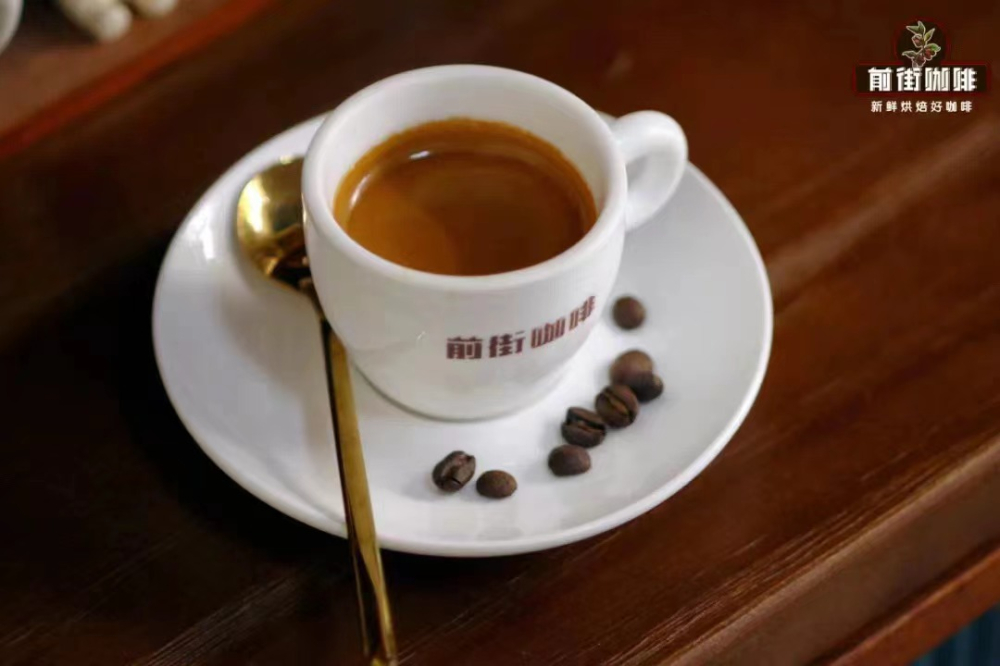
In the market, there are many blend recipes specifically designed for espresso. These blends often feature medium-dark roasts to bring out a rich, full-bodied taste and enhance the body, fatness, and sweetness of the coffee. For example, some blends focus on notes of wine, nuts, or dark chocolate, using different bean ratios to create complex layers of flavor. These flavor characteristics often pair well with milk, making them ideal for classic drinks like lattes or cappuccinos.
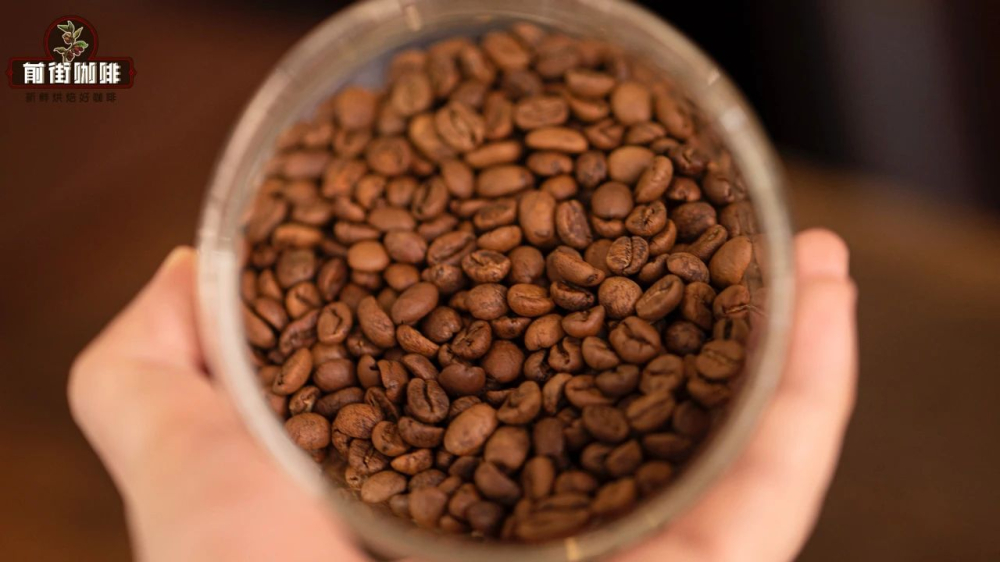
When it comes to roast levels, espresso beans are typicallymedium-dark roasted. This level of roasting helps bring out the coffee’s richness and caramelized flavors while allowing the beans to release an appropriate amount of oils, which contribute to a rich crema during high-pressure extraction. After medium-dark roasting, coffee beans contain a relatively high level of carbon dioxide, which, although beneficial for preserving flavors, may interfere with extraction stability. Therefore, it is recommended to let the beans rest for about five to six days after receiving them. This allows excess CO₂ to escape through the one-way valve in the packaging before grinding and brewing, achieving the best extraction results.
In contrast, light-roasted beans, while capable of showcasing bright acidity and rich fruitiness in pour over brewing, may transform these traits into sharp acidity under the high-pressure environment of espresso extraction, disrupting overall flavor balance. Moreover, light roasts undergo less caramelization, often failing to deliver sufficient richness and sweetness, resulting in a thinner mouthfeel. Therefore, if your goal is to brew a balanced and smooth espresso, a medium-dark roast is the more suitable choice.
Regarding whether blends qualify as specialty coffee, the answer is yes. As long as the beans used in the blend meet the criteria of specialty coffee—including traceable origin, quality processing methods, and passing SCA (Specialty Coffee Association) evaluation standards—then both single-origin and blended beans can be considered specialty coffee. Therefore, blends should not be mistakenly seen as synonymous with low quality. On the contrary, many thoughtfully crafted blends can offer complex flavors and stability that single-origin beans alone may not achieve.
Finally, regarding the acidity in espresso, it is actually a normal phenomenon. The flavor profile of espresso largely depends on the coffee bean variety, roast level, and extraction parameters. If you’re using beans with fruity acidity—whether single-origin or blended—they may exhibit a certain degree of acidity in the espresso. This does not indicate poor quality; rather, it is part of the flavor expression. The key lies in whether the acidity is balanced with sweetness and body, creating a harmonious overall flavor profile.
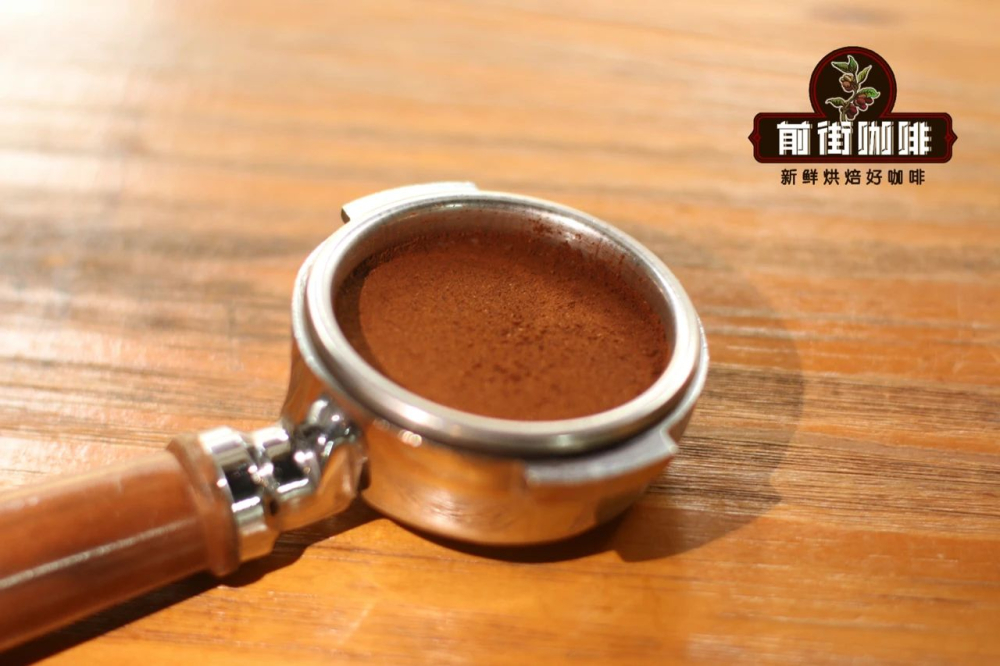
In summary, choosing the right espresso beans involves considering the characteristics of blends and single origins, the impact of roast levels on flavor, and the correct methods for storage and extraction. Whether you’re a beginner or an experienced coffee enthusiast, understanding these basic principles can help you make smarter choices and brew satisfying espresso at home or in a café.
The above content is compiled by CoffeeHunters, a coffee news website.


