







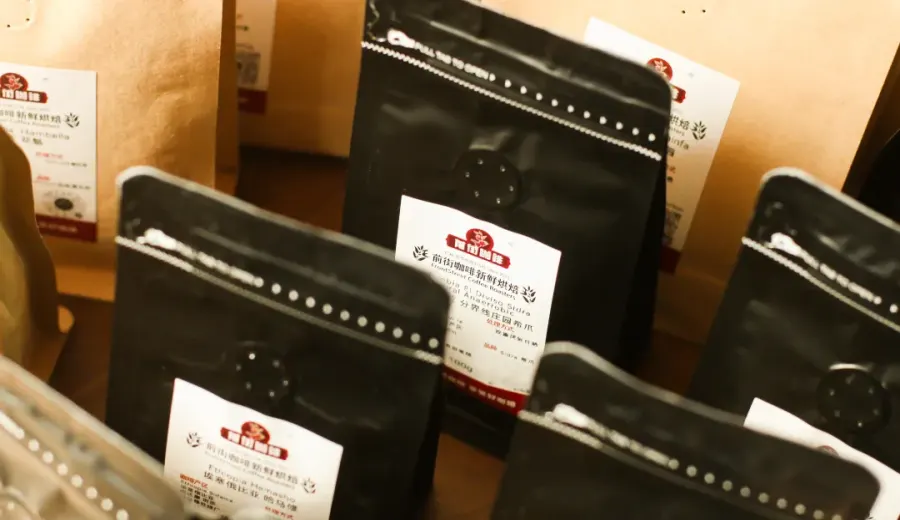
Introduction:Many people’s first impression of coffee is that “imported = high quality,” but in fact, specialty coffee from Yunnan has quietly entered the international market in recent years. This article explores the rise of Yunnan’s small-bean coffee by starting with the global coffee belt distribution and flavor characteristics, and takes you through how two representative domestic coffee beans showcase unique layers under different brewing methods—helping you find the beans that best suit your taste.
Although coffee is a globally popular beverage, many Chinese consumers have long held the stereotype that “imported coffee is the genuine article.” In reality, evaluating the quality of coffee isn’t just about its origin—it also requires a comprehensive consideration of factors such as coffee growing zones, microclimatic environments, variety traits, and processing methods. This article will guide you from the basic distribution of the world’s major coffee-producing regions, gradually introduce the development status of the Yunnan region, and through practical product analysis, help you deeply understand the potential and unique characteristics of domestic specialty coffee.
The regions around the world suitable for growing coffee are mainly concentrated within the “coffee belt” between 23.5 degrees north and south of the equator, covering Central and South America, Africa, and the Asia-Pacific. Among these, Central and South America account for the highest production, about 60%, while Africa and the Asia-Pacific each make up about 20%. Due to differences in altitude, soil, rainfall, and sunlight conditions, coffee beans produced in different regions each have distinct flavor profiles. For example, African beans often exhibit pronounced floral and fruity acidity, Central and South American beans tend to show nutty, chocolatey, and cocoa notes, while Asian beans generally possess a richer body and occasionally carry hints of spice or herbal aromas.
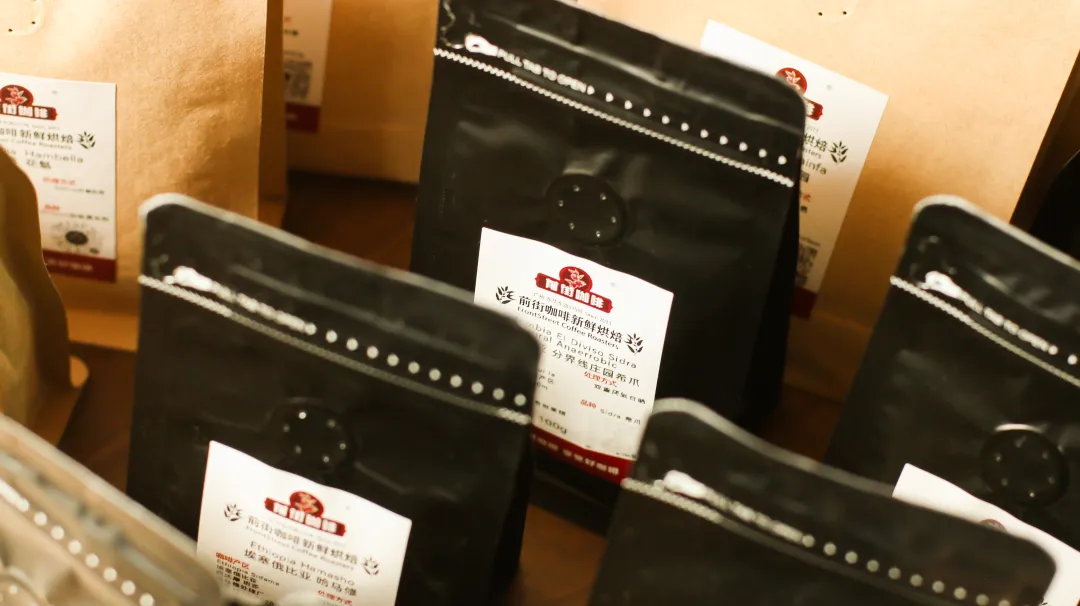
In the past, many consumers tended to equate “imported” directly with “high quality” when choosing coffee beans, but in reality, selecting coffee beans is more about understanding the characteristics of different regions and varieties based on personal taste preferences. For instance, those who enjoy fresh fruity and floral notes might consider African origins first; if you prefer a fuller-bodied taste with flavors like chocolate and caramel, Central and South American coffees may be more to your liking; and drinkers who appreciate rich, aromatic, and uniquely herbal profiles might want to try beans from Asian origins.
Focusing on domestic coffee, Yunnan’s performance in recent years has been particularly outstanding. Located in southwestern China, Yunnan boasts uniquely favorable geography and climate conditions, making it highly suitable for cultivating Arabica coffee varieties. In the past, when mentioning Yunnan coffee, many people thought of “small-bean varieties,” namely the early Typica variety. In fact, the Arabica species can be further divided into many different types, among which the oldest in history are Typica and Bourbon, both originating from Ethiopia—and these two varieties also serve as the foundation for many high-quality coffees today.
Currently, there are two representative products among the well-known Yunnan specialty coffees worth exploring in depth. The first is a brand’s offering called “Yunnan Small Bean,” made from the Catimor variety, processed using the washed method and medium roasted—ideal for those new to Yunnan-origin coffee. This coffee, after brewing, presents a balanced flavor profile of nuts, brown sugar, and plum notes, accompanied by natural herbal aromas and a gentle caramel sweetness, with a faint hint of refreshing fruity acidity lingering in the aftertaste. It is very suitable for brewing via pour over or drip bags.
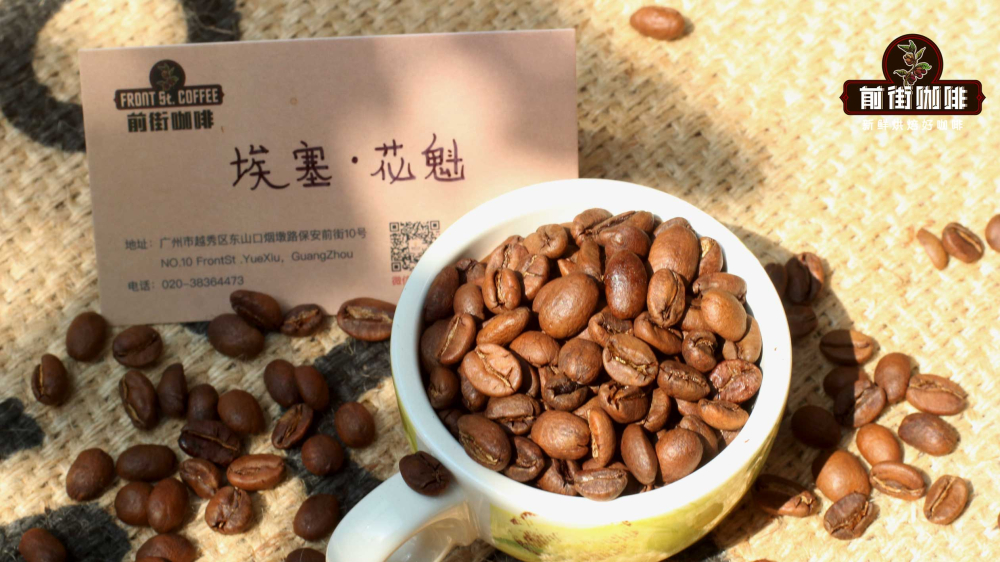
If you wish to further explore the diverse layers of Yunnan specialty coffee, the “2013 Natural Typica” is an extremely representative choice. This coffee bean is grown at high altitudes, preserving the original flavor characteristics of pure small-bean coffee, and uses the natural (sun-dried) processing method to bring out richer fruit tones and sweetness. After brewing, you can perceive the sweet-sourness of dried apricots, the fullness of nuts, the sweetness of chocolate and brown sugar, along with distinct layers of Chinese plum and berries, and even a light tea-like sensation in the aftertaste. This coffee is suitable for various brewing methods including pour over, cold brew, clever dripper, and drip bags, and can also be paired with a French press to showcase different flavor dimensions.
Regardless of which style you prefer, it’s recommended to pay attention to basic parameters such as water temperature, grind size, and coffee-to-water ratio during brewing to fully bring out the potential of the coffee beans. For example, when using pour over, it’s advised to control the water temperature between 90–93°C, with a grind size ranging from medium-fine to medium-coarse, and adjust the steeping time slightly according to personal taste. Through continuous experimentation and comparison, you’ll be able to more precisely grasp the coffee flavors you enjoy, and more objectively evaluate the differences between imported and domestic coffees.
The above content is compiled by CoffeeHunters, a coffee news website.


