








Introduction:Fully automatic coffee machines can automatically complete the entire process from grinding beans to extraction, making them the top choice for many home and office users. This article will take you in-depth into the main button functions of fully automatic coffee machines, the correct operation procedures, and recommend suitable coffee beans based on different taste preferences. Whether you're a beginner or an enthusiast looking to optimize your home coffee flavor, you'll be able to master practical skills and easily brew a delicious cup of coffee.
The biggest feature of a fully automatic coffee machine is that it automates the entire coffee-making process—from grinding coffee beans and extracting espresso to the final pour—allowing you to enjoy a stable and flavorful cup of coffee with just the press of a button. With the rise of coffee culture in homes and offices, fully automatic models have become a popular choice in the market due to their convenience and increasingly refined extraction performance.
Compared to semi-automatic machines, fully automatic coffee machines integrate more functions, such as automatic grinding, temperature control, water volume adjustment, and some high-end models even feature dual heating systems that can significantly reduce waiting time. Moreover, their operation is relatively intuitive—even without professional coffee knowledge, users can quickly get the hang of it and brew espresso with a certain level of quality.
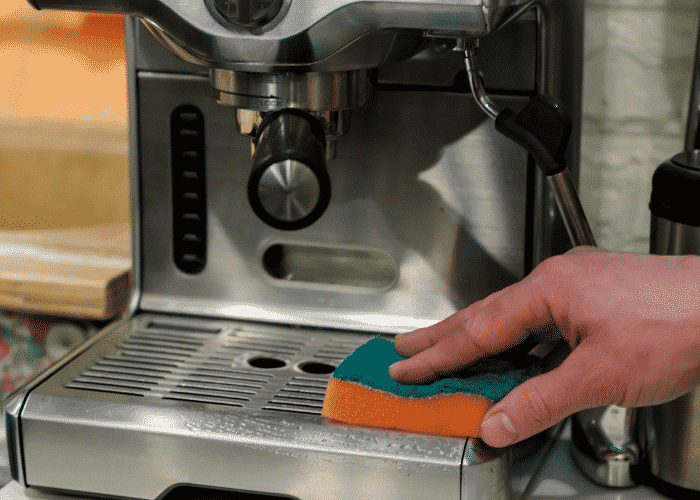
Fully automatic coffee machines usually come with multiple built-in function options, such as cup size adjustment (common options include small and large cups), coffee bean grind size, extraction temperature settings, preheating modes, and automatic cleaning functions. Some models also offer a double-cup mode that can dispense two cups of coffee at once, which is ideal for shared environments. Additionally, there are hot water buttons and steam wands that provide the ability to brew other beverages or froth milk.
In terms of cleaning and maintenance, many fully automatic models are designed with automatic cleaning cycles that regularly remove residual coffee grounds and scale, extending the machine’s lifespan. However, some removable parts such as the water tank, drip tray, and grounds container are still recommended to be manually cleaned regularly to maintain optimal extraction quality.
Choosing the right coffee beans is crucial for the experience of using a fully automatic coffee machine. If you prefer a coffee with prominent flavors and nutty and chocolatey notes, you can try the ‘Brazilian Queen Estate’ beans, which have a distinct roasted peanut aroma and are suitable for users who enjoy a strong flavor profile. The ‘Golden Mandheling’ beans, on the other hand, are known for their spicy characteristics and are ideal for coffee lovers who prefer herbal and earthy flavors.
For those who want stable extraction and easy latte art, it is recommended to choose the rich and full-bodied ‘Classic Blend’, which often produces espresso with aromas of butter, toasted bread, and caramel cookies—it's the ideal choice for making lattes or cappuccinos. If you value cost-performance and balance, the ‘Dark Cocoa Base Blend’ is a great option. It combines the mature plum acidity of Yunnan small beans with creamy chocolate flavors, and after extraction, it showcases complex nutty notes such as almond, apricot kernel, and roasted walnut. When milk is added, it has a smooth texture with pronounced roasty aromas, making it especially suitable for making Dirty drinks that present a beautiful crema layer and deep brown 'tiger stripe' effect.
Operating a fully automatic coffee machine is actually very simple. First, connect the machine to a power source that meets the specifications, ensuring that the voltage matches what is indicated on the machine to avoid using damaged power cords. Then turn on the machine’s power switch and allow it to complete the preheating process.
Next, open the bean hopper and pour freshly roasted coffee beans into the bean chamber. It is recommended to fill it to about eight-tenths full, and not to exceed the machine’s maximum capacity (usually within 400 grams). Then take out the water tank and fill it to about three-quarters of its capacity with clean water—note that the bottom of the water tank usually has a drain valve, which can be used for cleaning. When reinstalling the water tank, make sure the valve is properly aligned and gently press it back into place.
Finally, select the corresponding function key based on the type of coffee you want. Most models will have buttons such as ‘Small Cup’, ‘Large Cup’, ‘Hot Water’, and ‘Steam’, while some advanced models also support adjusting grind size, concentration, cup size, and double-cup mode. Simply press the desired button, and the machine will automatically complete the grinding and extraction process without any additional manual steps.
In addition to making espresso, fully automatic coffee machines can also produce cappuccinos or lattes using a manual milk frother, and some models even come with a cup holder for convenient placement of cups. Whether for everyday home use or in a small office environment, fully automatic coffee machines can deliver an efficient, stable, and convenient coffee experience.
The above content is compiled by CoffeeHunters, a coffee news website.


