








Introduction:Costa Rican Bacha coffee beans are renowned for their raisin honey processing method, originating from the high-altitude Tarrazú region. They boast pronounced berry sweetness and a subtle fermented wine-like character. This article details the origin background, processing technique, roasting characteristics, and provides V60 pour over recommendations along with actual cupping flavor profiles to help you master the brewing essentials of this tropical-fruit-forward specialty bean.
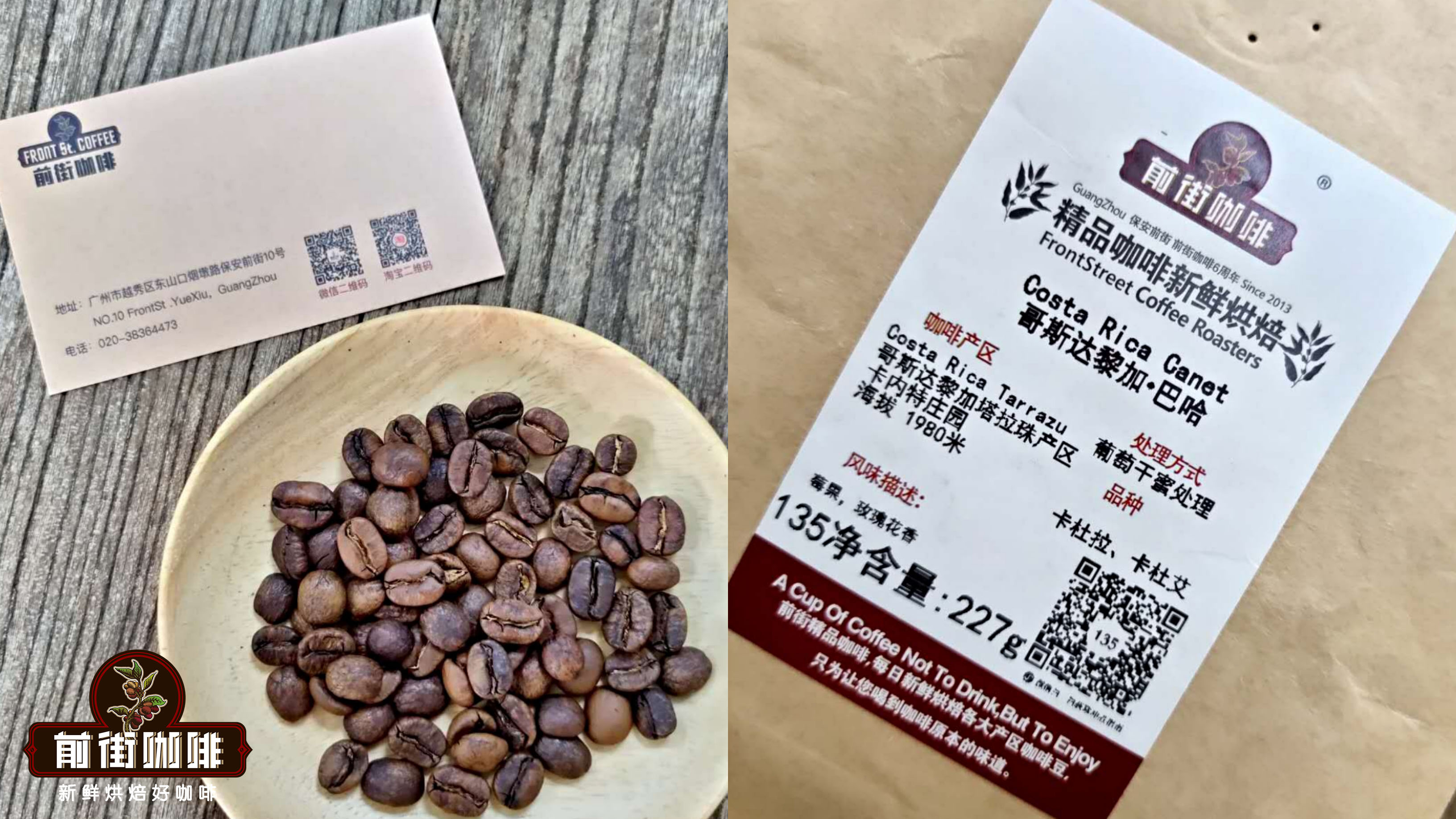
The Bach coffee bean from Costa Rica’s Musician Series employs a unique raisin honey processing technique to bring out intense fermentation aromas and tropical berry notes. Grown at 1,950 meters above sea level in the Tarrazú region using the Caturra variety, this bean undergoes a whole mucilage-retained honey process that delivers a sake-like rich fermentation sensation, paired with bright, tangy berry acidity and a chocolatey, full-bodied finish. This article will take you deep into the layered flavors of this coffee, covering everything from the growing environment, processing details, roasting profile to practical pour over application.
Origin and Growing Environment
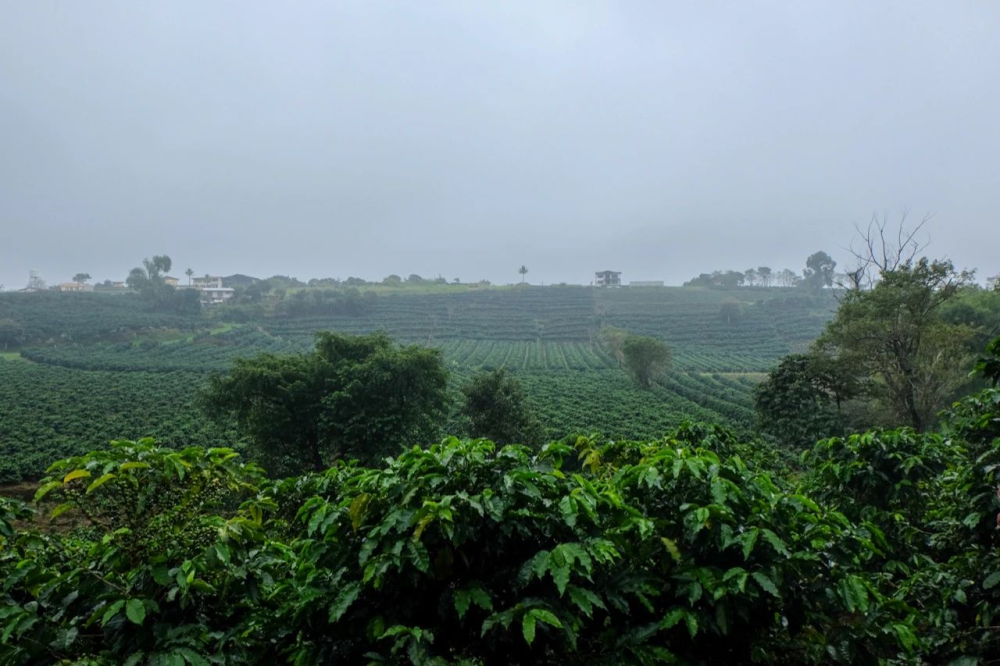
Costa Rica is located in Central America, influenced by both the Pacific Ocean and the Caribbean Sea, with numerous volcanoes exceeding 2,000 meters in altitude. These provide mineral-rich soil and cool day-night temperature variations, making it highly suitable for coffee cultivation. The national coffee harvest season is roughly divided into the dry season (December to April) and the rainy season (May to November), with the dry season being the primary harvesting period. Recently, micro-processing mills have emerged. These facilities use only 5% of the water required by traditional washed-processing mills and do not require large drying spaces, making innovative processes like honey processing more accessible and also driving the trend toward coffees with both fruity aroma and sweet taste.
Introduction to the Tarrazú Region
Tarrazú is one of Costa Rica’s most representative high-altitude coffee-growing regions. It not only has a long history of cultivation, but its coffee quality has even earned recognition from the British royal family. The area features fertile soil and stable climate, offering ideal ripening conditions for coffee cherries, resulting in flavors that are concentrated, bright in acidity, and long in aftertaste. For coffee enthusiasts looking to experience the classic flavors of Costa Rica, the Tarrazú region is an unmissable choice.
Finca Canet and the Musician Series
The Bach coffee bean comes from Finca Canet, located in the highest altitude area of Tarrazú. This estate primarily grows passion fruit, with only a small, designated section dedicated to coffee cultivation. The estate insists on handpicking only ripe red coffee cherries. After harvest, the cherries undergo a secondary screening to remove underripe or overripe beans, ensuring consistency in raw materials. The Musician Series is named after classical musicians such as Beethoven, Bach, Chopin, and Mozart, each showcasing a distinct flavor personality. The Bach coffee bean uses the Caturra variety combined with raisin honey processing to express rich fruitiness and a subtle wine-like character.
Raisin Honey Processing Method
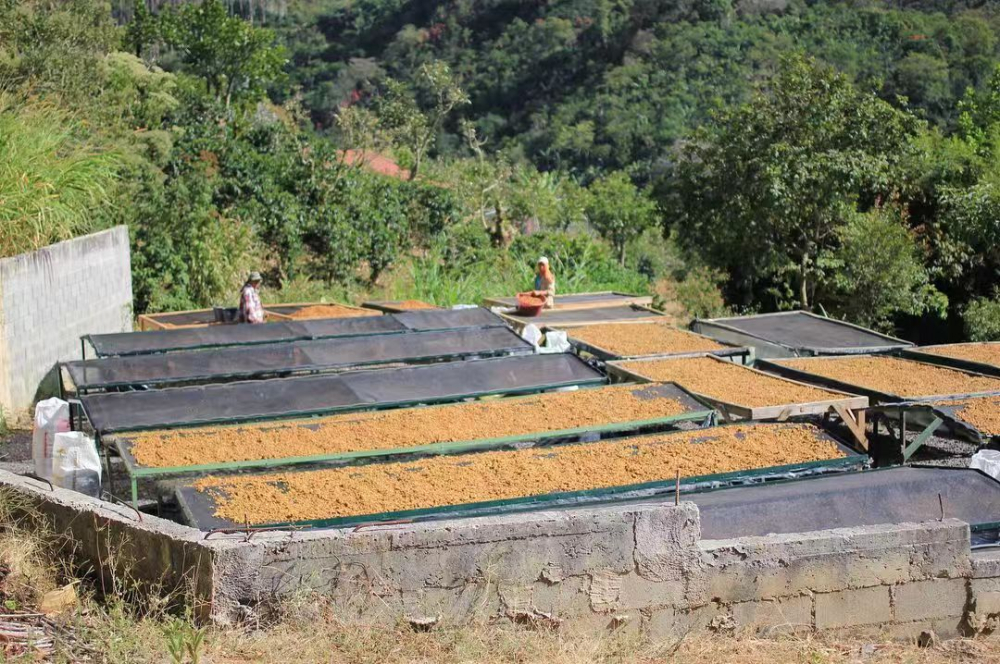
The most distinctive feature of the raisin honey process is the retention of 100% mucilage, with no additional water added throughout—making it a high-difficulty zero-water processing method. On the day of harvest, coffee cherries first go through a flotation tank to remove underripe or overripe defective fruits. They are then placed on elevated drying beds for at least three days of initial drying until the skin forms grape-like wrinkles. Subsequently, the outer skin is removed while retaining the sticky mucilage layer for subsequent drying. This process requires close monitoring of temperature and humidity, with timely turning of the cherries to ensure even fermentation and avoid over-fermentation or mold. Climate control is crucial.
Characteristics of the Caturra Variety
Caturra is a natural mutation of Bourbon, originating in Brazil and widely planted in Central America. Compared to Bourbon, Caturra has higher yield, stronger disease resistance, and shorter plant height, making it easier to harvest. It is suitable for planting between 700 and 1,700 meters, with high-altitude cultivation significantly enhancing flavor complexity and aroma concentration. The raw Bach coffee beans exhibit the typical yellow-green hue of honey processed beans, along with fresh citrus notes and subtle fermentation aromas, visually reflecting their quality.
Roasting Curve Analysis
This coffee bean is roasted using a Yangjia 800N semi-direct-fire roaster with a capacity of 300 grams. During roasting, the drum temperature is preheated to 200°C and the beans are dropped in at 160 power with the air vent set to 3. At around 1 minute and 36 seconds, the turning point is reached and the power is maintained. Then, the power and air vent are gradually adjusted. During the dehydration phase, at 166°C, the power is reduced to 135 and the air vent remains at 4. Around 8 minutes and 5 seconds, the bean surface shows wrinkles and dark spots, entering the pre-first crack stage, at which point attention should be paid to listening for the first crack sounds. First crack begins at 8 minutes and 38 seconds, whereupon the air vent is opened wide to 5, and the beans are dropped at a drum temperature of 193.8°C, with a development time of about 1 minute and 45 seconds. The overall roast level is moderate, fully showcasing fruitiness and sweetness.
Cupping Flavor Profile
In the dry aroma, pronounced rose floral and berry notes can be detected; the wet aroma releases rich fermented fruitiness paired with soft cocoa tones. Upon tasting, sweet-tangy berry, strawberry, and citrus flavors intermingle with creamy and caramel richness, accompanied by a chocolatey aftertaste and delicate floral notes. The overall flavor is balanced and layered, with a lingering, warm caramel sweetness in the aftertaste.
Pour Over Recommendations and Parameters
It is recommended to use a V60 filter cone, with a brew ratio of 1:15, water temperature controlled at 90°C, and a coffee dose of about 15 grams, ground to a coarseness where 80% passes through a Chinese standard No. 20 sieve (medium-coarse to slightly fine). During brewing, start with a 30-second bloom using 30 grams of water, followed by a center pour up to 125 grams for the first stage. When the water level drops to just about to expose the coffee bed, switch to a slightly larger stream and pour up to 225 grams to finish. Total extraction time is about 2 minutes (including bloom). Note that bean freshness greatly affects flavor, so it is advised to use recently roasted beans for optimal performance.
In summary, the Costa Rican Bach coffee bean, with its raisin honey processing, exhibits a rare wine-like aroma and rich fruity sweetness. Paired with appropriate pour over parameters, it fully unlocks complex layers of tropical berries, creaminess, and cocoa—making it highly suitable for coffee lovers who enjoy fruit-forward and fermented flavor profiles.
The above content is compiled by CoffeeHunters, a coffee news website.


