







Introduction:The Hario V60 is one of the most well-known pour over cones in the specialty coffee world. With its unique 60-degree conical design and spiral ribs, it has become a favorite brewing tool for both beginners and professionals. This article dives deep into the design principles of the V60, compares it with the KONO dripper, and provides a complete three-stage pour over brewing guide, covering key parameters such as water temperature, grind size, brew ratio, and extraction time — helping you master the use of this classic dripper and extract more layered flavors from your coffee.
Among the many pour over tools available, the Hario V60 dripper is undoubtedly one of the most iconic choices. Whether in professional coffee shops or home setups, almost everyone has used this classic design originating from Tokyo, Japan. But what makes the V60 stand the test of time and remain so highly regarded? We’ll explore its historical background and design features to uncover how it influences coffee flavor, and walk you through the full process of performing a three-stage pour over.
The name “V60” comes from its distinctive structural design — a 60-degree conical angle. This angle directs the flow of water toward the center of the dripper, prolonging the contact time between water and coffee grounds, which in turn affects extraction efficiency and flavor expression. Launched in 2007 by Japanese company Hario, the V60 quickly became a representative product that blends design with functionality, and even today its award-winning design certification label can still be seen at the bottom of the dripper.
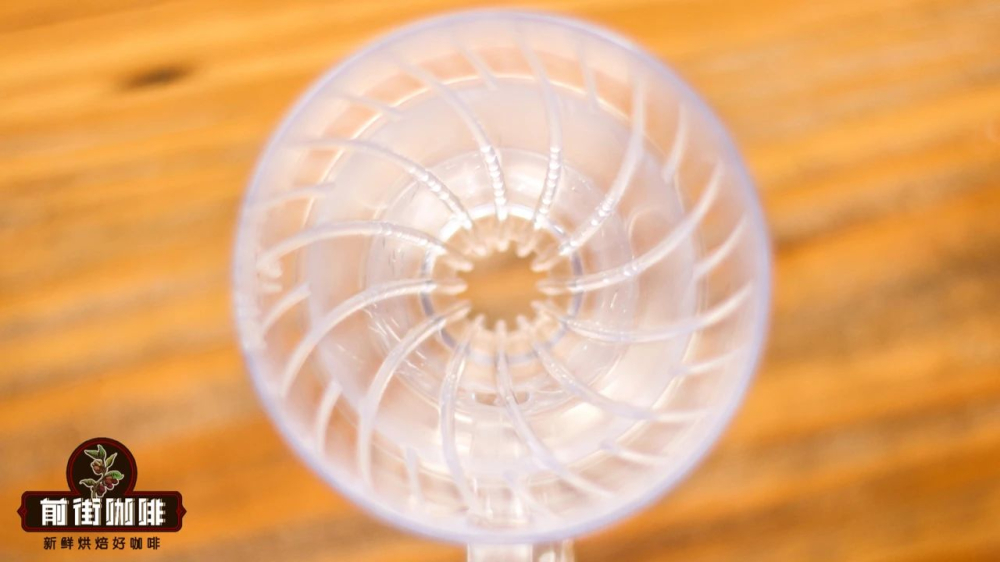
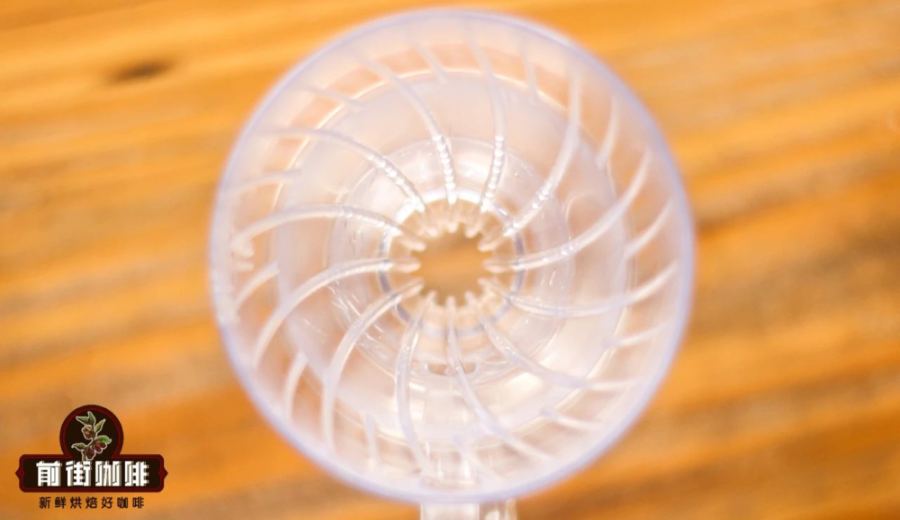
In terms of materials, Hario offers various versions including ceramic, glass, resin, and metal to suit different user preferences. The resin version, in particular, provides good heat retention, reducing heat loss during the brewing process, making it ideal for single servings. One of the design highlights of the V60 is its large center hole, which allows for relatively fast water flow, affecting the coffee’s body and flavor complexity. Additionally, the spiral rib structure along the inner wall helps channel air upward, keeping the coffee bed fluffy and enhancing extraction uniformity.
Compared to another common dripper, the KONO, the V60 shows clear differences in structure and extraction style. The KONO has shorter ribs mainly located at the bottom, paired with a smaller outlet hole, which causes the filter paper to fit tightly against the dripper walls, resulting in slower water flow and a more immersion-style extraction. This suits bold, full-bodied flavors — especially dark roasts like Mandheling. In contrast, the V60’s longer spiral ribs leave more space between the filter and the dripper wall, and its larger outlet hole allows for faster flow, highlighting brighter acidity and more complex flavor layers.
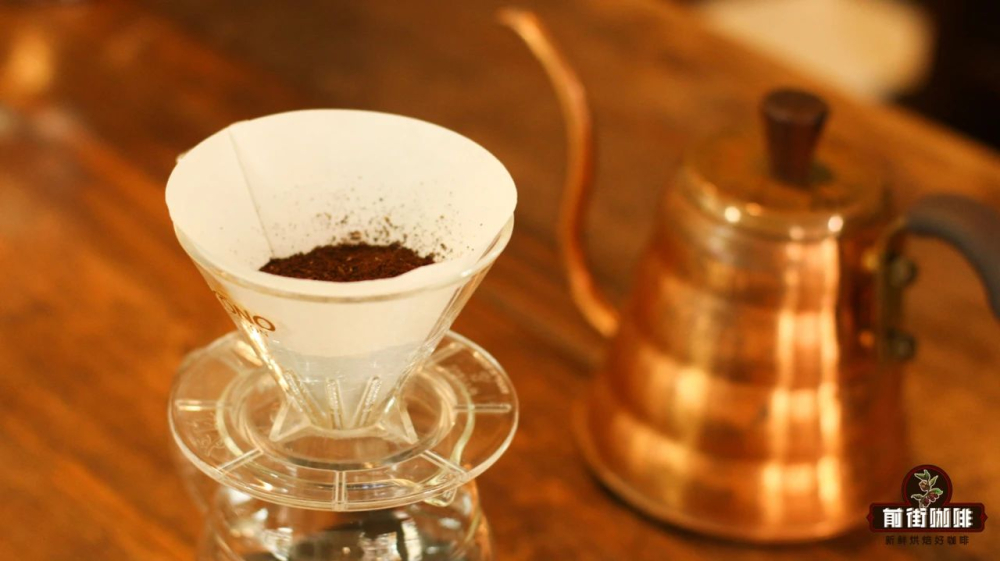
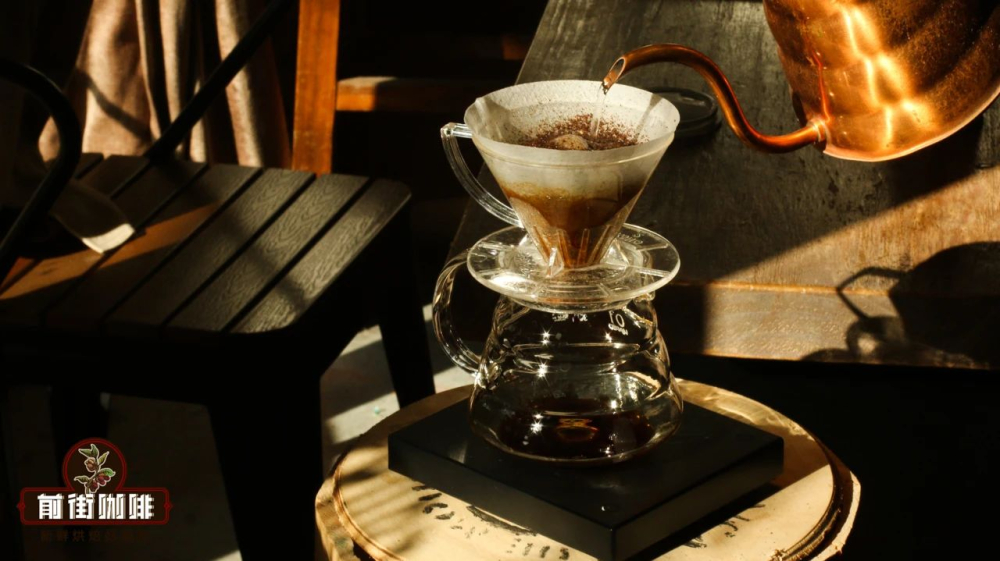
So, how do you use the V60 dripper for pour over? Below is a battle-tested three-stage extraction method suitable for beginners and adjustable for advanced users. First, prepare the necessary equipment: we recommend using a resin V60 size 01 dripper, ideal for single servings. You’ll also need a pour over kettle, server, grinder, digital scale, thermometer, and filter paper that matches the dripper size.
Step 1: Wet the filter paper. Before adding coffee grounds, thoroughly rinse the filter paper with hot water. This not only removes the papery taste but also helps the filter adhere tightly to the dripper, preventing coffee grounds from slipping through any gaps.
Step 2: Add coffee grounds. Place the pre-ground coffee into the dripper. A medium-fine grind is generally recommended — using a standard 0.85mm sieve, an 80% pass rate is ideal. This grind size balances extraction efficiency and clarity of flavor. A common brew ratio is 1:15, meaning 15 grams of coffee to 225 grams of water, though you can adjust according to personal taste.
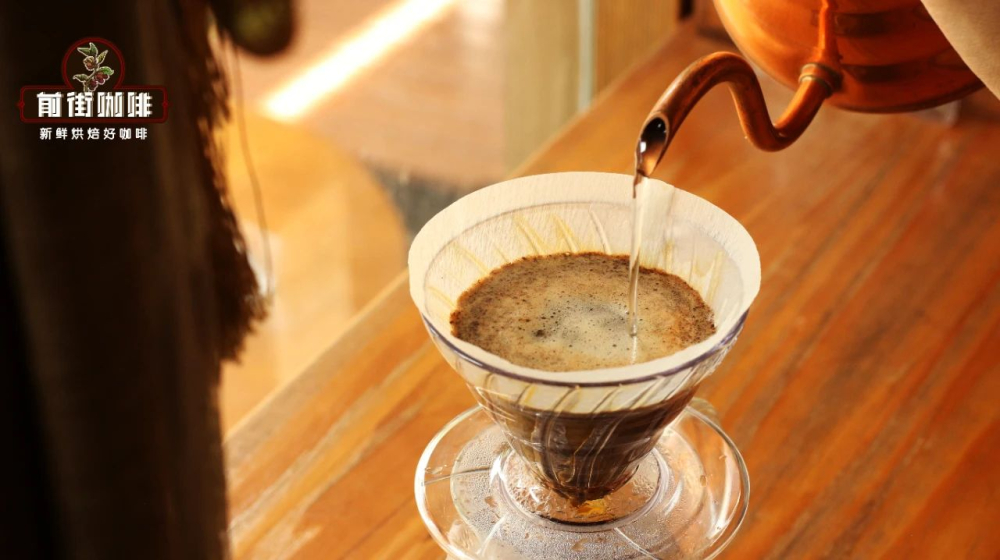
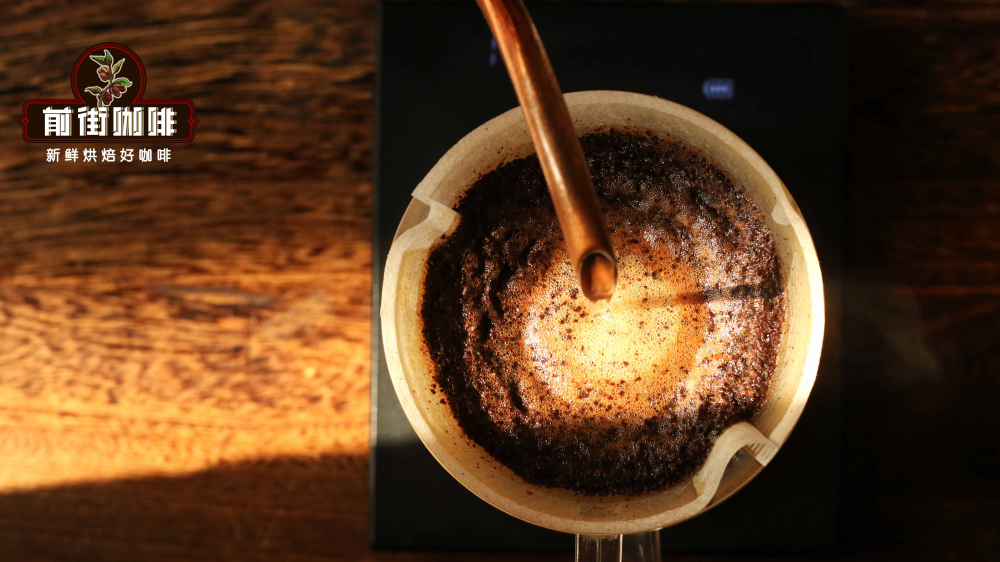
Step 3: Begin pouring for extraction. It’s recommended to use a three-stage pouring technique. First, pour about 30 grams of hot water for the bloom. Adjust water temperature based on roast level: around 90–92°C for light roasts, and lower to 88–89°C for dark roasts. Let it bloom for about 30 seconds. This step helps release CO₂ from the coffee grounds, laying a solid foundation for subsequent extraction.
Next, pour up to 125 grams of water. When the coffee liquid level drops to about half, proceed to the third pour until the total reaches 225 grams. The overall extraction time should be kept around 2 minutes. Too long may lead to over-extraction and bitterness, while too short may result in under-extraction and weak flavor. Use a pouring technique that moves from the center outward in a spiral motion, maintaining a steady flow.
Step 4: Once all the coffee has filtered through, gently swirl the server to balance the flavors, then enjoy your freshly brewed cup.
In practice, the V60 works best with light to medium roasted coffee beans, such as Ethiopia’s Yirgacheffe or fruity Colombian varieties, which can fully showcase its bright acidity and multi-dimensional flavor profile. If you prefer bold, full-bodied dark roasts, you might consider switching to the KONO dripper for a more immersion-style extraction.
In summary, the Hario V60 dripper, with its scientifically designed structure and high degree of adjustability, has become a classic tool in the pour over community. It not only lets you experience how water flow control and extraction parameters influence flavor, but also allows you to tailor your brewing approach based on different beans and roast levels. For beginners, the V60 is an excellent starting point; for more experienced pour over enthusiasts, it offers endless possibilities to explore diverse extraction styles.
The above content is compiled by CoffeeHunters, a coffee news website.


