







Introduction:To brew a stable and flavorful Americano at home, choosing the right drip coffee maker and coffee beans is key. This article details single-origin bean varieties suitable for drip machines, including their regional characteristics and flavor profiles, and provides standardized parameters for water volume, coffee dosage, and grind size, along with a complete brewing process. Whether you're a beginner or looking to refine your brewing skills, this guide will help you easily master the art of making a great-tasting Americano at home.
If you want to brew a clear-flavored, convenient cup of coffee at home, an American-style drip coffee maker is definitely a great choice. These machines are not only affordable and easy to operate, but also feature a highly standardized extraction process — usually taking just 5 to 8 minutes to brew a full pot, making them ideal for daily mornings or office use.
Compared to complex espresso equipment, drip coffee makers function more similarly to pour over methods, extracting coffee flavors through normal-pressure filtration that faithfully highlights the beans’ intrinsic characteristics. This article will focus on single-origin bean varieties suitable for drip coffee makers, introducing their regional background and flavor performance, while detailing key parameters such as coffee-to-water ratio, grind size, and machine operation to help you create a stable and enjoyable home coffee experience.
First, let’s discuss which coffee beans pair well with an American drip coffee maker. Since drip extraction operates under normal pressure, it can clearly reflect the original flavor characteristics of the beans, so selecting single-origin beans allows for a richer sensory experience. Below are five representative single-origin beans from different regions, all suitable for drip extraction, each with its own unique flavor profile:
The first is the Hambela Guji region's Huila coffee beans from Ethiopia. This area is located in the Oromia Region, within the Guji Zone, adjacent to the renowned Yirgacheffe Kochere region but at an even higher elevation, making it one of the highest-altitude sub-regions in Ethiopia. The Huila beans are typically sun-dried and medium-light roasted, offering sweet strawberry sugar notes, pronounced floral aromas, citrus, and tropical fruit tones, with balanced acidity and sweetness and a pleasant aroma.
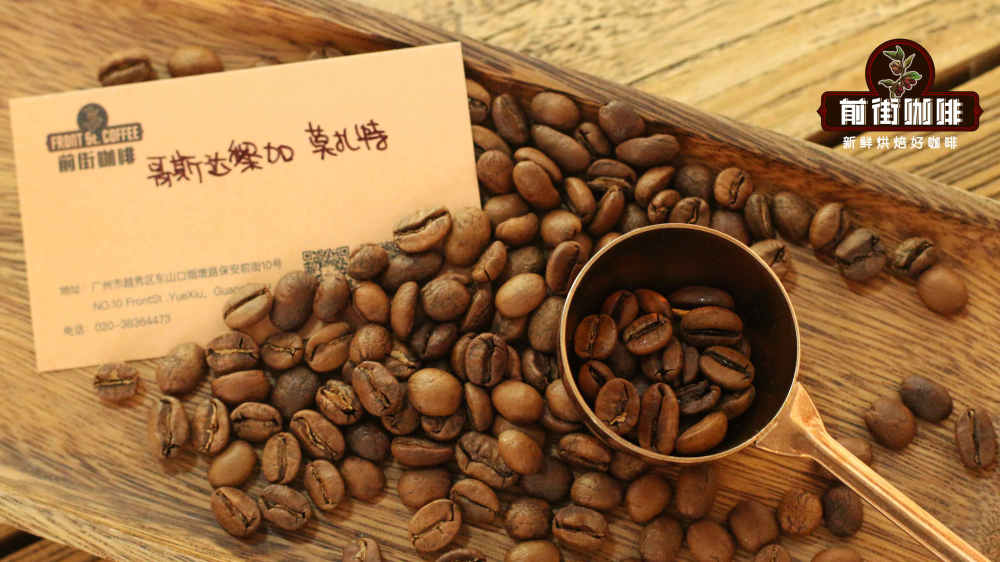
The second is the Mozart coffee bean from Costa Rica, which uses a raisin honey processing method — essentially a double fermentation technique. The coffee cherries are first washed and sorted after harvest, then placed on raised beds to dry for at least three days. The outer skin is subsequently removed while the mucilage is retained for continued drying, with regular turning to ensure evenness and prevent over-fermentation. The final cup exhibits complex aromas of osmanthus, berries, fermented wine, and raisins, with rich layers.
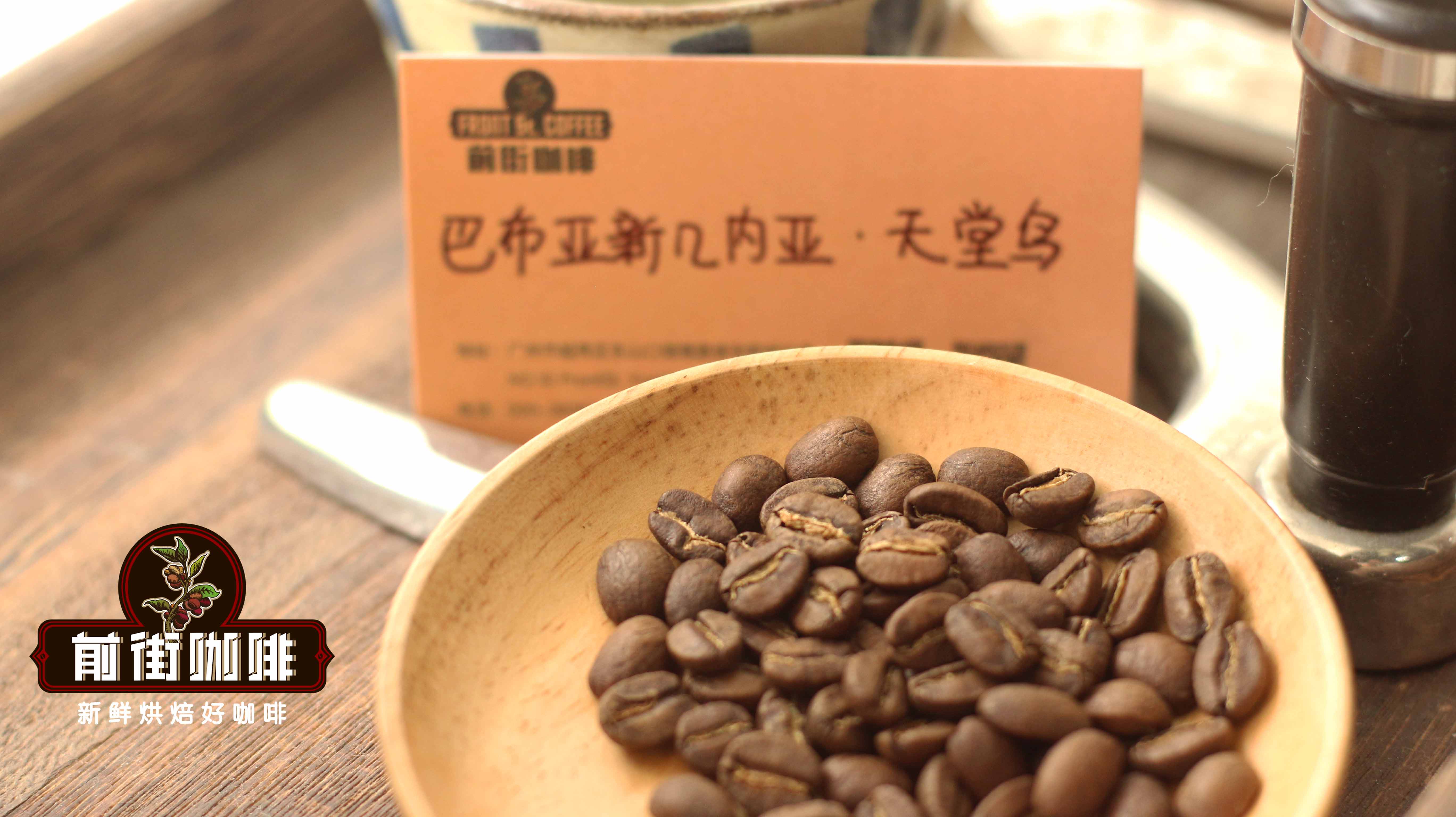
The third is the Bird of Paradise coffee bean from Papua New Guinea, where the Jamaican Blue Mountain Typica variety was introduced. The growing environment, altitude, and rainfall are all similar to those of Blue Mountain, hence its nickname “Little Blue Mountain.” Although slightly closer to the equator than Blue Mountain, resulting in slightly more fruity acidity, the overall profile still showcases a strong nutty and cocoa character, along with a hint of berry sweetness, making it ideal for those who prefer a fuller-bodied taste.
The fourth is the Yellow Bourbon coffee bean from Brazil's Queen Estate, a Bourbon variety whose fruits turn orange-yellow when ripe — hence the name. This variety performs exceptionally well at high altitudes. The Queen Estate’s Yellow Bourbon offers sugarcane-like brightness, black tea aroma, soft fruit sweetness, and notable nutty flavors, with clean and balanced acidity, distinct chocolate notes, and a smooth, delicate mouthfeel.
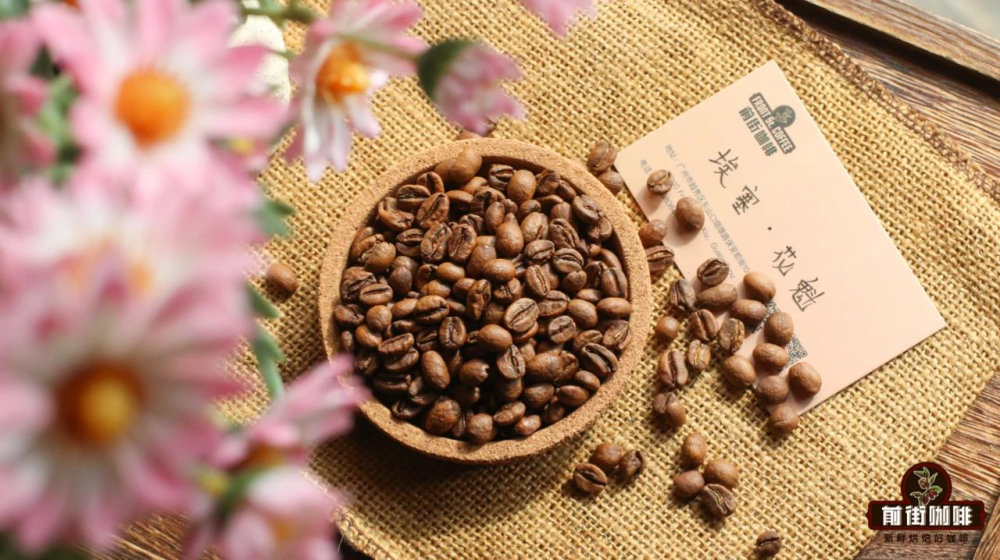
The fifth is the Geisha (70%), Catuai, and Caturra blend from Panama’s Finca Hartmann, known as the Flower Dance or “花蝴蝶” in Chinese, hailing from the Boquete region. Due to the region’s unique microclimate — abundant rainfall, significant day-night temperature variation, volcanic soil, and meticulous processing — this coffee delivers a full body, excellent acidity, and captivating floral notes, making it a premium favorite among many coffee enthusiasts.
Next, let’s look at the basic equipment parameters for extraction. Most commercially available drip coffee makers come in two capacity sizes: 5-cup and 12-cup. A 5-cup machine’s water reservoir and glass carafe typically hold about 550 to 650 milliliters, while a 12-cup machine holds around 1.2 to 1.3 liters. A standard “cup” of coffee is about 100 to 120 milliliters, so it’s recommended to brew at least 2 cups at a time to achieve better flavor.
For the coffee-to-water ratio, for a 100 to 120 milliliter cup of coffee, it’s recommended to use 5 to 7 grams of coffee grounds — roughly one level scoop from the scoop usually included. If your machine doesn’t come with a scoop, you can adjust based on 6 grams per cup as a baseline, or modify slightly according to personal taste preference. Remember, different coffee beans — even if all freshly ground — can be used in drip machines, with the key being control over the coffee-to-water ratio and grind size.
Here’s how to proceed with actual operation: First, grind the coffee beans into powder according to the number of cups needed. A medium-coarse grind is recommended, similar to that used for pour over coffee. If you don’t have a grinder at home, you can ask the shop to grind it for you and specify “for drip coffee” or “for American coffee machines.” Generally, about 6 grams of coffee is needed per cup, adjustable slightly depending on cup size and taste.
Step 1: Take out the glass carafe, open the filter basket on the machine, and place the ground coffee into the filter. If your machine comes with a dedicated coffee spoon, one spoon is about 6 grams — add the corresponding number of spoons according to the number of cups.
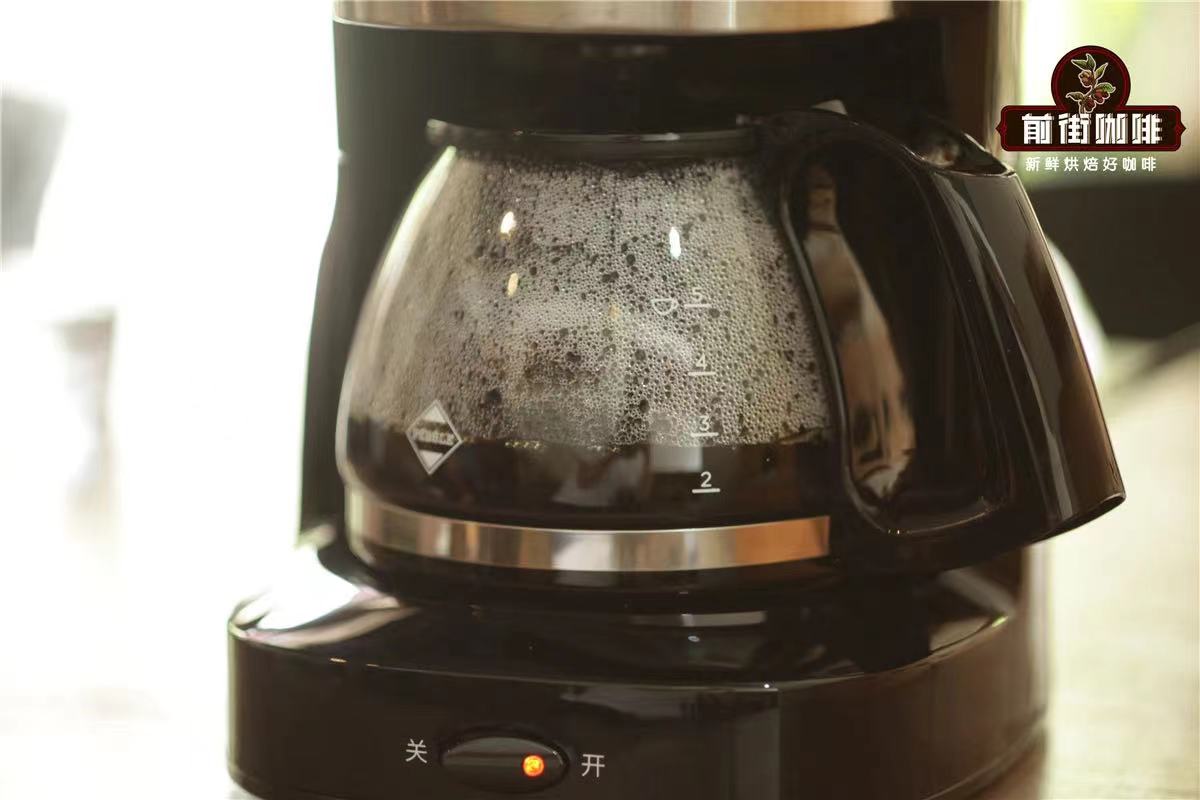
Step 2: Close the filter basket, open the water tank lid, and add the appropriate amount of water according to the number of cups desired. Typically, each cup corresponds to 100 to 120 milliliters of water. You can refer to the water level markings on the machine or measure using the glass carafe before pouring into the water tank. Note that some models also have markings on the glass carafe itself to help with more precise water control.
Step 3: Replace the water tank lid, close the filter basket, put the glass carafe back onto the machine base, plug in the power, and turn on the switch, then wait for the brewing process to complete.
Step 4: After about 5 to 8 minutes, when dripping from above the glass carafe stops, the brewing is complete. You can then turn off the power, pour out the hot coffee, and enjoy. Based on personal taste, you can add sugar or milk as desired.
If you want to try an iced Americano, there are two common methods: one is to simply reduce the amount of water used during hot brewing and then add ice cubes to the finished product, though note that this may dilute the coffee; the other method is to mix concentrated espresso with cold water in a 1:1 ratio, yielding a bolder and more refreshing iced coffee.
Finally, remember that the grind size required for an American drip coffee maker is completely different from that for an espresso machine. Drip machines should use a medium-coarse grind, similar to the standard for pour over coffee. Too fine a grind can lead to over-extraction, bitterness, or clogging of the filter; too coarse may result in under-extraction and weak flavor. If you don’t have a grinder, it’s recommended to ask the shop to grind the beans for you when purchasing, and be sure to specify that it’s for a “drip coffee machine” or “American coffee,” to ensure the grind size meets your needs.
In summary, the flavor performance of American coffee depends not only on the machine itself, but also closely relates to the coffee bean variety, origin, processing method, and roast level. Light roasts often feature bright fruit acidity and a juicy mouthfeel; medium roasts showcase nutty and balanced profiles; dark roasts are known for their caramel, chocolate, and bold bitter notes. No matter which beans you choose, as long as you master the coffee-to-water ratio and use the correct grind size, you can brew satisfying coffee with a drip coffee maker.
The above content is compiled by CoffeeHunters, a coffee news website.


