








Introduction:Geisha coffee has become a standout in the specialty coffee world thanks to its unique floral and fruity aromas. From its origins in Ethiopia to its meteoric rise at Panama’s Hacienda Esmeralda, and the emergence of Ethiopia’s Gesha Village, the evolution and grading of this variety are worth exploring in depth. This article compares the classification logic and actual flavor profiles of different grades such as Hacienda Esmeralda’s Red Label, Green Label, and Blue Label, as well as Ethiopia’s Gesha Village’s Auction, Gold Label, and Red Label, providing a clear guide for selecting Geisha beans.
Geisha (Gesha) coffee is now a star variety in the specialty coffee market, renowned for its delicate floral notes, tropical fruit character, and bright acidity. Its rise to fame is quite legendary: it was first discovered in 1931 in Ethiopia’s Gesha Forest, then traveled through Kenya, Uganda, Tanzania, and Costa Rica, before finally being introduced to Panama in the 1970s. However, due to its low yield and finicky growing requirements, it was long overlooked until 2003, when Hacienda Esmeralda singled it out and won the Best of Panama (BOP) competition in 2004, ushering in Geisha’s golden age.
Hacienda Esmeralda has been a key driver in popularizing Geisha worldwide. To precisely capture the differences brought by various plots and processing methods, the farm divides Geisha into three main grades, represented by the Red Label, Green Label, and Blue Label, each signifying distinct altitude, processing method, and cupping score.
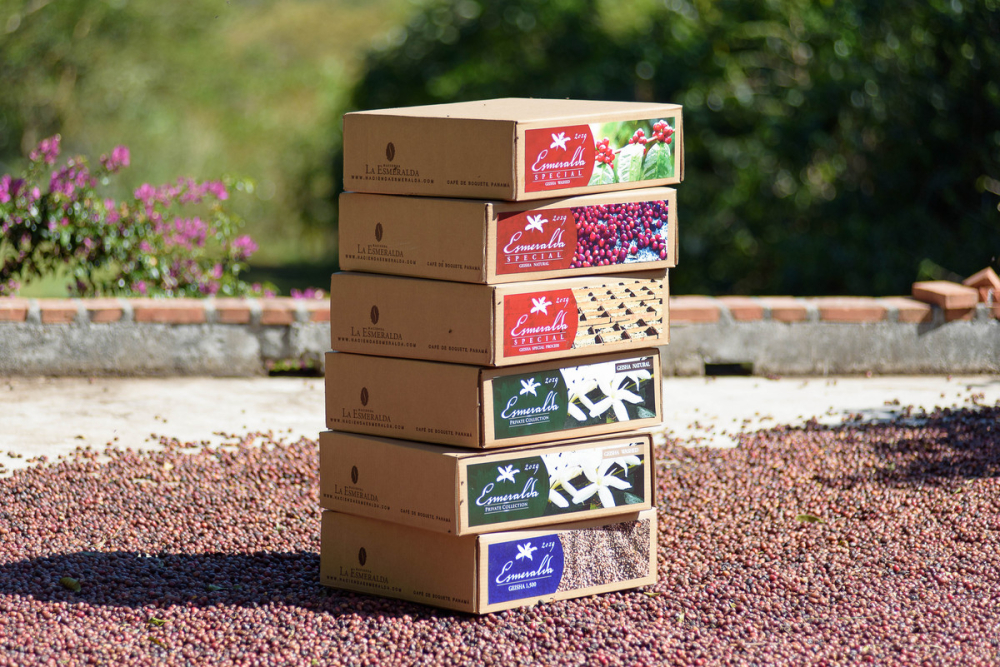
First, let’s talk about the most prestigious Red Label Geisha, also known as “Esmeralda Special.” This Geisha is exclusively sourced from the Jaramillo and Canas Verdes sub-farms, grown at altitudes between 1600 and 1800 meters, with cupping scores of 90 or above, and is only available through Hacienda Esmeralda’s annual private auction. If you see an “un-auctioned Red Label” on the market, it also comes from the same plots but hasn’t gone through the auction process—its price is usually more affordable while maintaining high quality.
The common processing method for Red Label Geisha is natural (sun-dried), with a distinctive flavor profile often featuring citrus, tropical fruits, rose tea, and a honey-like finish, with bright and layered acidity.
Hacienda Esmeralda’s Green Label Geisha, also known as “Private Collection,” is another popular choice. Unlike the Red Label, the Green Label is not from auction lots but is a blend of micro-lots from three different farms, also grown at 1600 to 1800 meters. Although individual plots can’t be traced, its flavors still retain the classic characteristics of Geisha, such as jasmine, citrus, melon, and berry aromas. It offers better value for money and is suitable for everyday drinking.
The Blue Label Geisha (also known as Geisha 1500) used to come from plots at 1400 to 1500 meters, typically a blend of three plots, with a lighter profile compared to the Red and Green Labels. It mainly features subtle floral notes, gentle fruit acidity, and sweet melon-like flavors, with a less full-bodied mouthfeel and a more affordable price. However, between 2019 and 2022, Hacienda Esmeralda gradually reduced the supply of Blue Label, with some versions now released by external brands, such as the “Las Rocas” washed Blue Label, which offers flavors like lemon, oolong tea, cane sugar, and peach.
On par with Panama’s Hacienda Esmeralda is Ethiopia’s Gesha Village Coffee Estate. The establishment of this farm is deeply connected to the origins of Geisha: in 2007, documentary filmmaker Adam Overton and his photographer wife Rachel Samuel were shooting in Ethiopia’s Bench Maji region when they accidentally discovered a forest that might be the origin of the original Geisha variety. After years of exploration, they found the native Geisha variety in the Gori Gesha Forest in 2011 and decided to establish Gesha Village there.
Gesha Village sits at an altitude of about 1900 to 2069 meters, with fertile red-brown soil and a dense jungle environment. The farm spans 320 hectares and primarily grows three varieties: Gesha1931, Gori Gesha, and Illubabor. Among them, Gesha1931 is considered the closest to Panamanian Geisha, while Gori Gesha is a unique strain collected from the original jungle in 2011.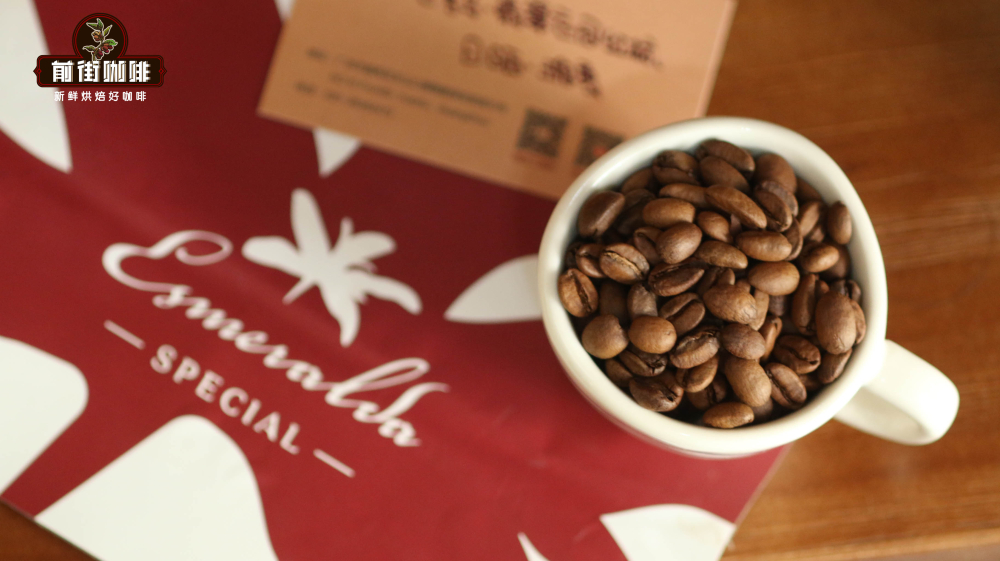
Gesha Village’s grading system is entirely different from Hacienda Esmeralda’s. It currently consists of five main grades: Auction, Gold Label, Red Label, Green Label, and Chaka, each with its own unique selection criteria and flavor profiles. The Auction grade is the highest tier, accounting for only 3.7% of annual production, and undergoes strict selection with cupping scores ranging from 88.15 to 92.67. These lots are sold via global auctions. Such batches typically exhibit exceptional purity and complexity—for example, the 2018 RSV.6 batch is a classic representation.
The Gold Label grade accounts for about 10% of annual production. Though not auction lots, its quality is equally outstanding and is a favorite among many international competition contestants and high-end roasters. Its flavor profile is similar to the Auction grade but comes with more accessible pricing, making it ideal for consumers seeking ultimate flavor without compromising value. For instance, the Oma plot’s natural Gold Label often showcases delicate notes of citrus, lemon, tropical fruit, and tea.
The Red Label grade makes up 15% of Gesha Village’s total output and is a highly cost-effective option, with cupping scores of 88 or above by SCA standards. While its flavor is slightly less refined than the Gold Label, it still delivers the classic citrus, cream, and nut layers typical of Gesha Village. This grade also provides complete traceability for origin and processing.
The Green Label grade, also known as Single-Terroir, consists of micro-lots from single farms. Although not yet fully launched, each batch can be traced back to the farm name, variety, and processing date. It is expected to offer flavors such as citrus, cherry, berries, honey, and slight fermentation notes, providing Geisha enthusiasts with a more detailed terroir experience in the future.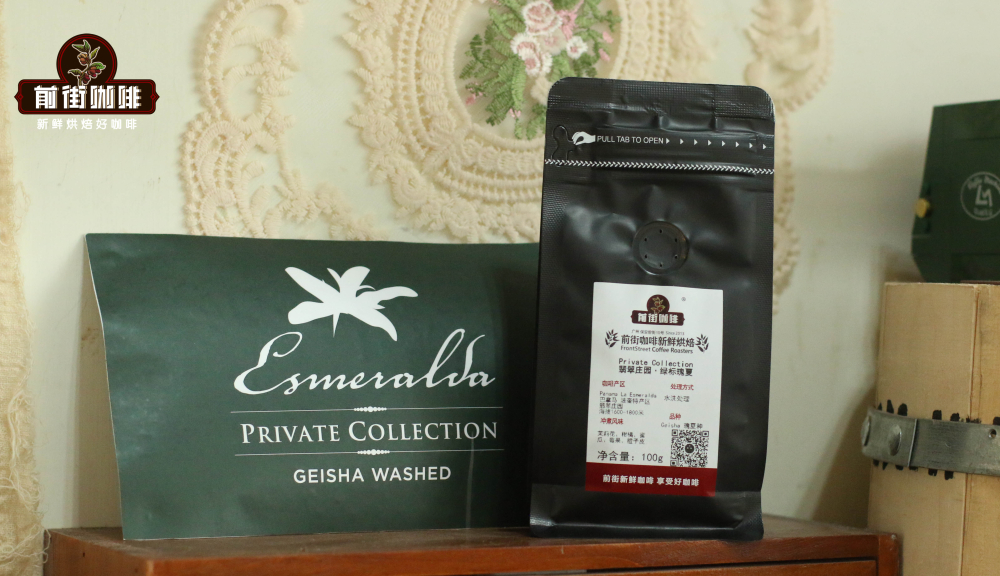
Lastly, the Chaka grade is a blend that combines Gori Gesha, Gesha1931, and Ethiopia’s native disease-resistant variety Illubabor, aiming to showcase the diversity of Gesha Village. Its flavors are dominated by citrus, grapefruit, cream, chocolate, and caramel, making it suitable for coffee lovers who enjoy rich taste profiles and unique profiles.
In summary, both Hacienda Esmeralda in Panama and Gesha Village in Ethiopia offer diverse expressions of Geisha coffee through their unique grading systems and regional characteristics. Whether you’re pursuing the ultimate experience of auction-grade beans or prefer the high-value Gold and Red Labels, understanding the selection criteria and flavor profiles behind each grade can help you find the Geisha coffee that best suits your taste.
The above content is compiled by CoffeeHunters, a coffee news website.


