







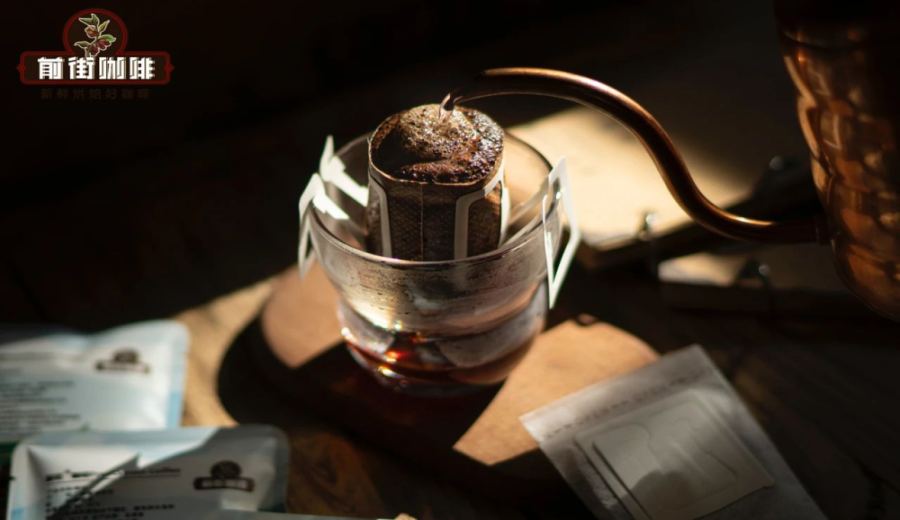
Introduction:Drip bags are a great choice for enjoying pour over flavors in a busy life, but many people simply soak the drip bag in hot water, which can negatively affect the taste. This article delves into the differences between drip bags and pour over, the correct brewing process, recommended water temperature and coffee-to-water ratio, and explains how freshness impacts flavor — helping you easily brew a smooth, non-bitter filtered coffee at home.
For those who drink coffee daily but don’t have time to visit a café for a pour over experience, drip bags offer a convenient solution without compromising on flavor. However, when you first get a drip bag, have you ever wondered if you can just drop it into hot water like a tea bag? In fact, this brewing method not only fails to bring out the coffee’s potential, but may also cause you to miss out on its best flavors.
Although drip bags are relatively simple to use, there are still some key details that shouldn’t be overlooked — such as not soaking the entire drip bag in water, not reusing the same coffee grounds, and not taking the coffee out to brew separately. This article will explain everything from the basic concept of drip bags, their similarities and differences with pour over, the correct brewing method, ideal water temperature and coffee-to-water ratio, to how freshness affects flavor — so you can brew professional-level filtered coffee at home.
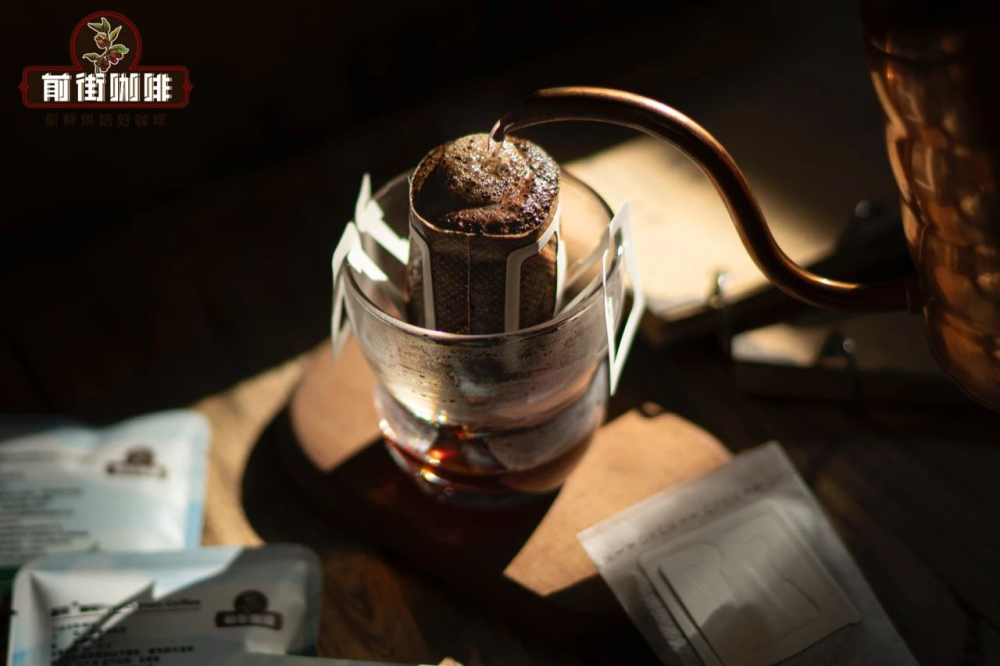
So-called drip bags are essentially pre-ground coffee packed in a filter pouch with two “ear”-shaped handles designed to hang over the edge of a cup for easy placement. All you need is hot water and a cup to complete the extraction. Compared to traditional pour over coffee, drip bags don’t require additional tools like a grinder, filter cone, or paper filters — because the coffee is pre-ground, and the filter pouch is usually made of biodegradable non-woven fabric that allows hot water to pass through and effectively extract the coffee’s desirable flavors.
Pour over coffee typically requires a set of specialized equipment, such as a pour over kettle, filter cone, paper filters, grinder, and weighing tools, which might feel a bit cumbersome for beginners. Drip bags eliminate these steps, allowing you to enjoy a flavor profile similar to pour over with just a few simple items. But remember, even though drip bags are easy to use, there are still some guidelines to follow for a good cup — such as not soaking the drip bag in hot water, not reusing it, and not recommended to pour out the grounds for separate brewing.
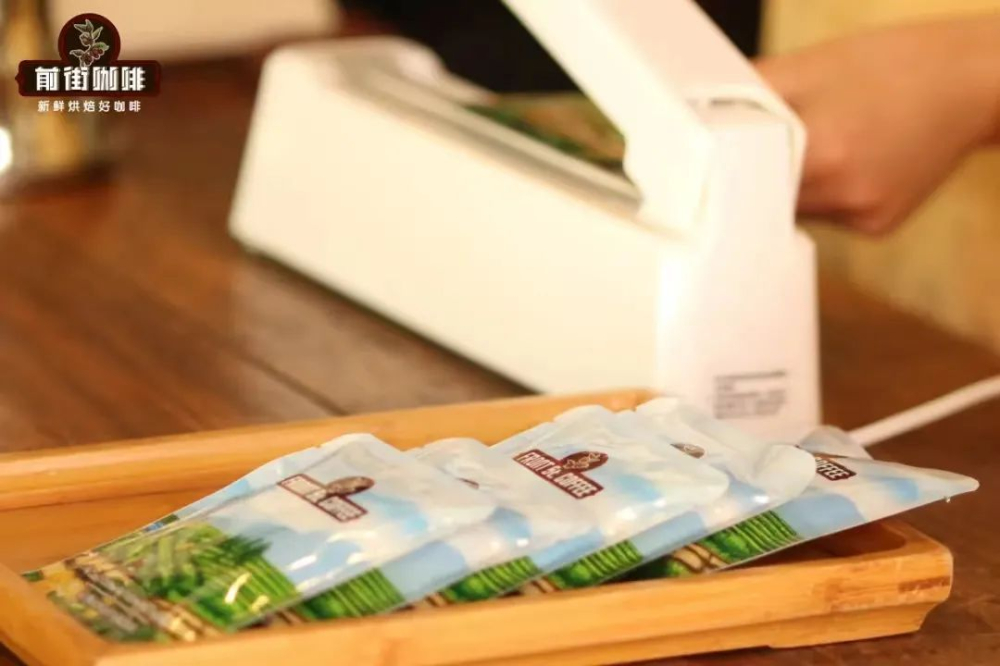
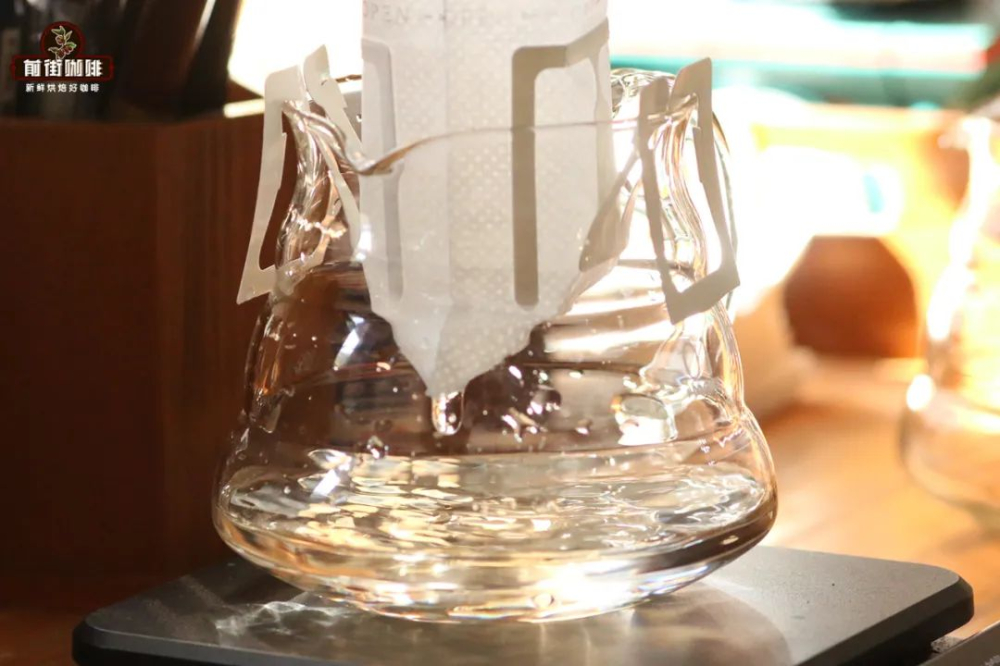
A common drip bag contains about 10 grams of coffee. Based on the recommended coffee-to-water ratio of 1:15, each bag of coffee grounds would require about 150 milliliters of hot water. In practice, you can use your favorite drinking cup or sharing pitcher, paired with a steady pour over kettle to get started. First, after opening the drip bag, tear along the dotted line on the top to open the non-woven fabric pouch, then unfold the two “ears” on the sides and securely hang them over the edge of the cup.
The first step is the bloom, which is a crucial step that many beginners tend to overlook. Pour hot water evenly over the coffee grounds to “wake up” the coffee and release its aroma and gases. This blooming stage is recommended to last about 10 to 20 seconds, depending on the coffee’s reaction. Next, switch to a thin and steady stream of water, pouring slowly and evenly from the inside out until the water level approaches the top edge of the drip bag, then pause to let the coffee drip naturally. Finally, add the final bit of water until you reach your desired total volume, and wait until all the coffee has dripped through before gently stirring to enjoy.
To brew a delicious cup of drip bag coffee, besides technique, there are also some important parameters and details to consider. First is water temperature, one of the key factors affecting coffee extraction efficiency. Generally, it’s recommended to use hot water between 86 to 93 degrees Celsius. If the water is too cool, it may lead to under-extraction, resulting in a sour or thin-tasting coffee; whereas if the water is too hot, it may cause over-extraction, leading to bitter notes. If you can’t precisely control the water temperature at home, you can try extending the contact time between the coffee grounds and hot water as a compensatory measure.
The coffee-to-water ratio also plays an important role. The recommended standard ratio is 1:15, meaning 10 grams of coffee to 150 milliliters of water, which suits most people’s taste preferences. Of course, if you prefer a stronger flavor, you can slightly reduce the water volume; if you like a lighter taste, you can increase the water volume — adjusting to 1:16 or 1:17 are common variations.
Another common mistake is using water that flows too fast. A fast flow rate shortens the contact time between water and coffee grounds, leading to incomplete extraction and ultimately affecting the coffee’s complexity and flavor. It’s recommended to maintain a stable and fine stream of water during pouring, giving each coffee particle enough time to be fully saturated — this way, you can bring out richer aromas and tastes.
Lastly, it’s essential to mention the freshness of the coffee grounds. Once coffee beans are ground, the surface area exposed to air increases dramatically, causing the aroma and flavor compounds to dissipate quickly — therefore, the shelf life of drip bag coffee is usually shorter than whole bean coffee. If the coffee grounds are stored for too long, not only will the aroma weaken, but you may also encounter unpleasant “woody” notes or a dull taste. That’s why choosing freshly roasted coffee grounds is particularly important. It’s recommended to consume them soon after purchase to enjoy the full depth and fresh aroma that coffee should offer.
The above content is compiled by CoffeeHunters, a coffee news website.


