







Introduction:Blended coffee is not just about combining flavors—it’s the key to achieving consistent performance and multi-dimensional taste. This article delves into the technical principles behind pre-roast blending and post-roast blending, explores how different blending ratios affect the flavor profile, and analyzes the formulation logic and suitable scenarios of common commercial blends. It helps readers develop a professional perspective on blend selection, whether for pour over or espresso extraction.
Blended coffee plays an extremely important role in the coffee world, especially for drinkers who seek stable flavors and diverse layers. By blending beans from different origins and processing methods in specific proportions, it’s possible to create complexity and consistency that single-origin beans often struggle to deliver. Understanding the essence of blending not only allows you to better appreciate a good cup of coffee but also helps you make smarter choices when purchasing or brewing at home.
Among the various blending methods, pre-roast blending and post-roast blending are the two most commonly discussed techniques. Pre-roast blending refers to mixing green beans with distinct flavor characteristics before roasting, according to a target flavor profile, and then roasting them together. This approach allows beans from different regions to harmonize under the same roasting conditions, helping to develop complementary flavor layers—such as the balance between sweetness, acidity, and body. In contrast, post-roast blending involves mixing already roasted single-origin beans in desired proportions. This method is usually used to fine-tune existing flavor traits or optimize for specific brewing methods.
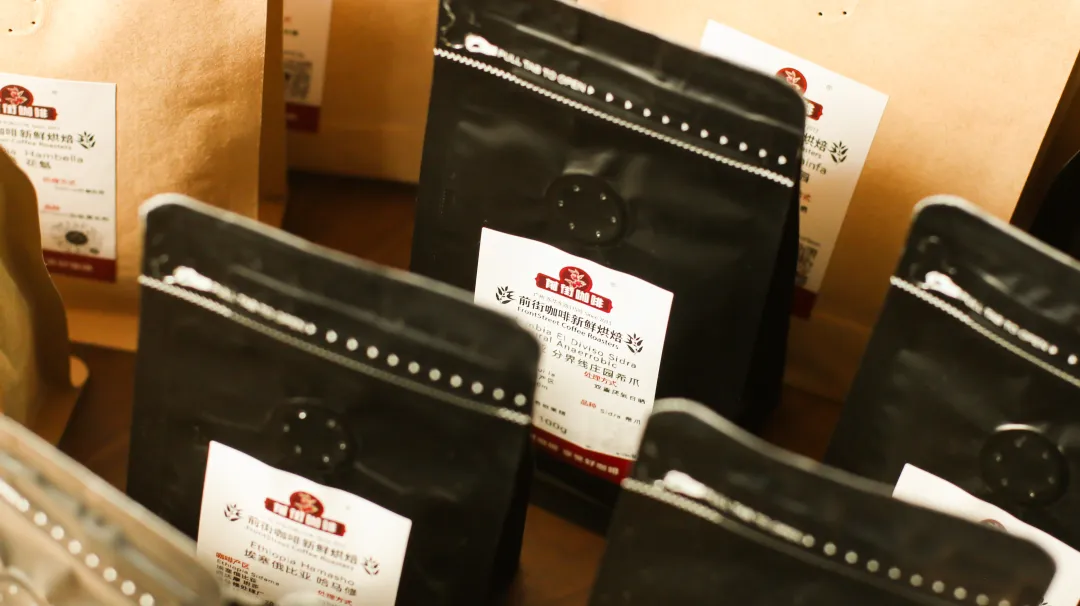
During actual tasting, the differences brought by these two blending methods can be clearly perceived. Take a classic medium-dark roast blend as an example: it often features a rich, full-bodied mouthfeel and a solid base note. Such blends typically combine Brazilian Red Bourbon, Indonesian Mandheling, and a small amount of Robusta. These formulas not only bring out abundant crema but are also well-suited for making milk-based drinks like espresso, latte, or cappuccino, giving the beverages a silky-smooth texture and improving latte art stability. It’s worth noting that many professional roasters adjust the blend ratio seasonally based on bean characteristics to ensure consistently high performance across batches.
If you prefer coffee with lower acidity and a rounder mouthfeel, a medium roast blend is a great choice. For instance, some blends with notes of rose, grape, blueberry, and almond offer a relatively balanced sweet-and-acid profile, ideal for consumers who aren’t fond of intense bitterness. Dark roast blends, on the other hand, tend to present a heavier body with intense chocolate, nutty, or caramel tones, appealing to those who enjoy bold flavors. For example, certain blends based on Yunnan small-grain coffee and Brazilian semi-washed beans may showcase a subtle plum-like acidity, a rich chocolate aftertaste, and nutty aromas. These are generally stable in performance and also serve as ideal options for beginners.
Beyond regular full-caffeine blends, the market has gradually introduced low-caffeine options tailored for sensitive individuals. These products typically use special processing techniques to reduce caffeine content while still retaining the rich flavors of blended coffee, making them suitable for consumption in the evening or before bed. For home brewing, medium-roast blend beans ground slightly coarser also pair very well with drip coffee makers or French presses, delivering a consistently mellow and robust character.
For home brewers, starting with a French press is recommended. This tool is not only affordable and easy to use, but also excels at highlighting the richness and layered profile of medium-to-dark roast blends. Even when dealing with dark roast beans with an espresso-like profile, using a French press can still yield surprisingly pleasing results. In comparison, while the moka pot can quickly produce coffee with intense flavors, it has a higher learning curve and is prone to overflow or over-extraction due to improper water temperature or pressure control—something beginners should pay special attention to.
In conclusion, whether you choose the overall flavor harmony of pre-roast blending or the detailed fine-tuning of post-roast blending, understanding the logic and differences behind these techniques can give you more confidence and direction when selecting or brewing coffee. From everyday black coffee for a pick-me-up to refined milk-based pairings, blended coffee offers a variety of possibilities waiting for you to further explore and savor.
The above content is compiled by CoffeeHunters, a coffee news website.


