







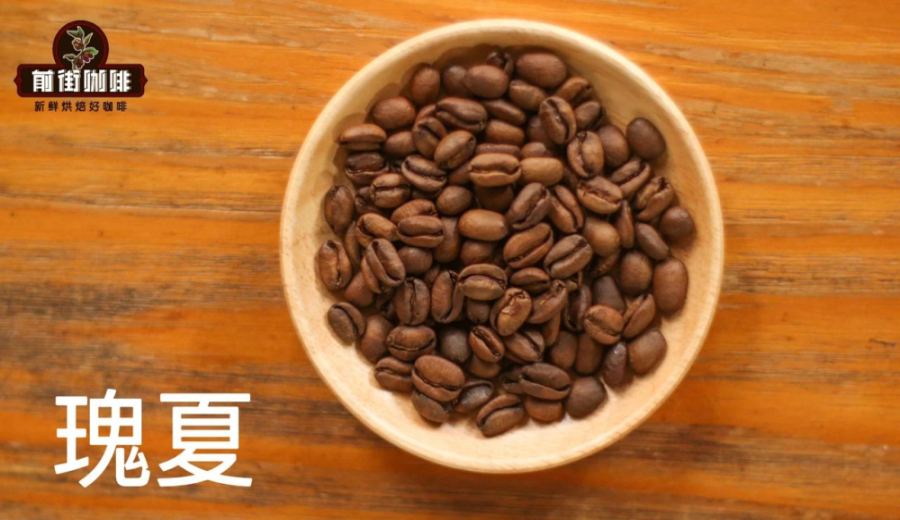
Introduction:The Panama Geisha Green Label from Finca Elida is a classic choice for many coffee beginners exploring the Geisha variety. This article delves into the unique charm of Geisha coffee, the differences between Green Label and Red Label grades, and provides detailed recommendations on pour over brewing parameters such as water temperature, coffee-to-water ratio, grind size, and a three-stage extraction process—helping you fully appreciate the delicate floral-fruity notes and fruity-tea finish of this premium natural-processed bean.
The status of Geisha coffee in the specialty coffee world needs no introduction, and the Green Label natural-processed Geisha from Panama’s Finca Elida is a classic entry-level option for many first-time tasters. This article will explore from the basics to the details: why Geisha commands such high prices, how Finca Elida cultivates this variety, the grade distinctions between Green Label and Red Label, and how to bring out the best flavors through light roasting and a three-stage pour over method. We also provide practical pour over brewing suggestions, including optimal water temperature, grind size, and coffee-to-water ratio, so you can brew a flavorful Green Label Geisha at home.
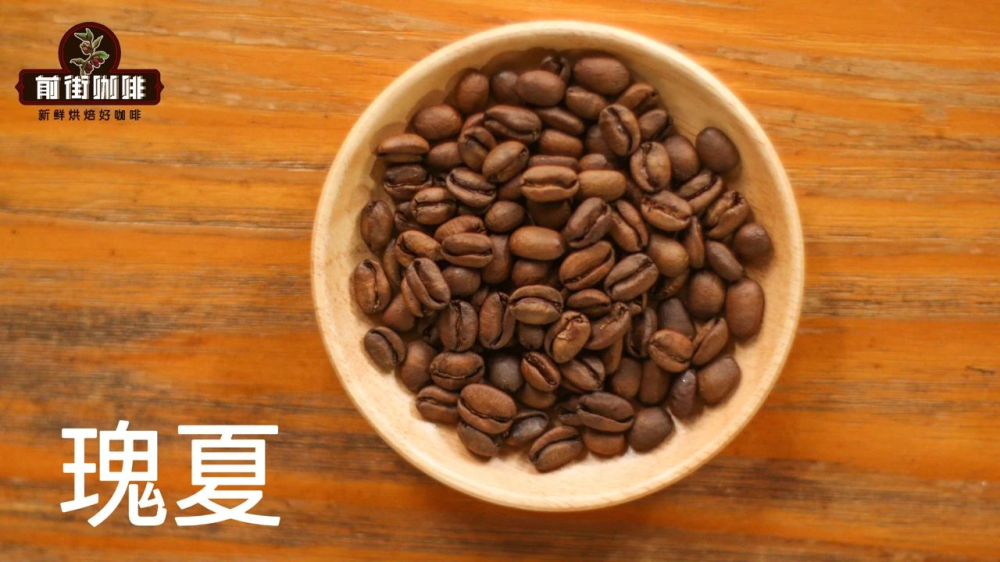
In the world of specialty coffee, it’s often joked that “coffee is either Geisha or other Arabicas.” Though said in jest, it truly reflects the lofty status Geisha holds among global specialty coffee enthusiasts. What exactly makes Geisha so exceptional, turning it into the most sought-after bean variety, and why are its prices always so high?
The allure of Geisha lies in its ability to showcase extremely delicate and layered floral, citrus, peach, and tropical fruit notes. Its acidity is bright yet not sharp, the mouthfeel is silky smooth, and the finish carries a light oolong or black tea aroma—making the overall flavor feel more like sipping a high-end fruit tea than just coffee. These stunning qualities stem from a combination of the variety itself, cultivation altitude, microclimate, soil conditions, and meticulous post-harvest processing and roasting techniques—each element indispensable.
Apart from its extraordinary flavor profile, the rarity and high price of Geisha are largely due to its extremely low yield. Taking Panama’s national annual coffee production of about 10,000 metric tons as a reference, Finca Elida produces only around 150 bags of green beans per year—equivalent to roughly 9,000 kilograms. If Geisha accounts for just 3% of that, the output is only about 270 kilograms. Coupled with strong market demand and continuous media and competition hype, it’s no surprise that prices remain consistently high. Additionally, the Geisha plant is highly demanding of its environment, requiring high altitudes, fertile soil, and shaded growing conditions. Its leaves are thin, photosynthetic efficiency is low, and root systems absorb nutrients slowly, resulting in yields less than half that of the Caturra variety—further cementing its prestigious status.
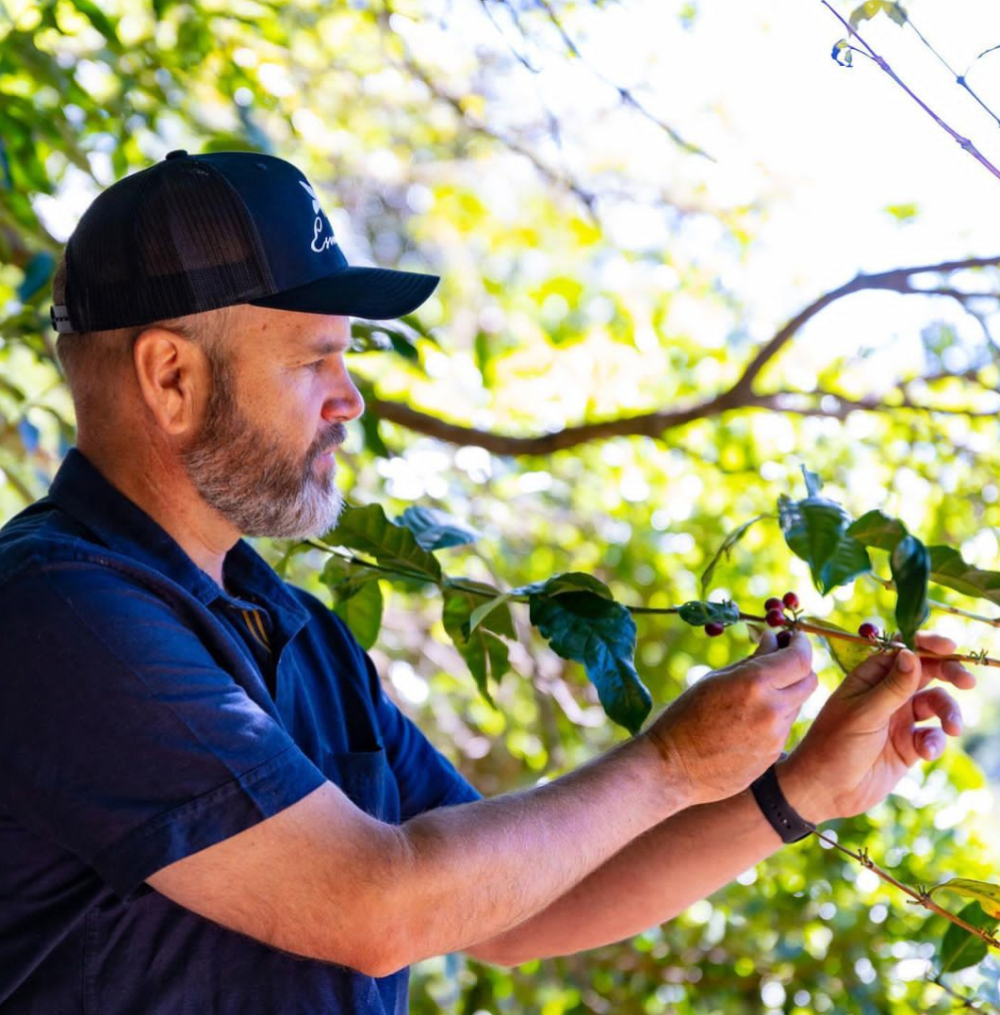
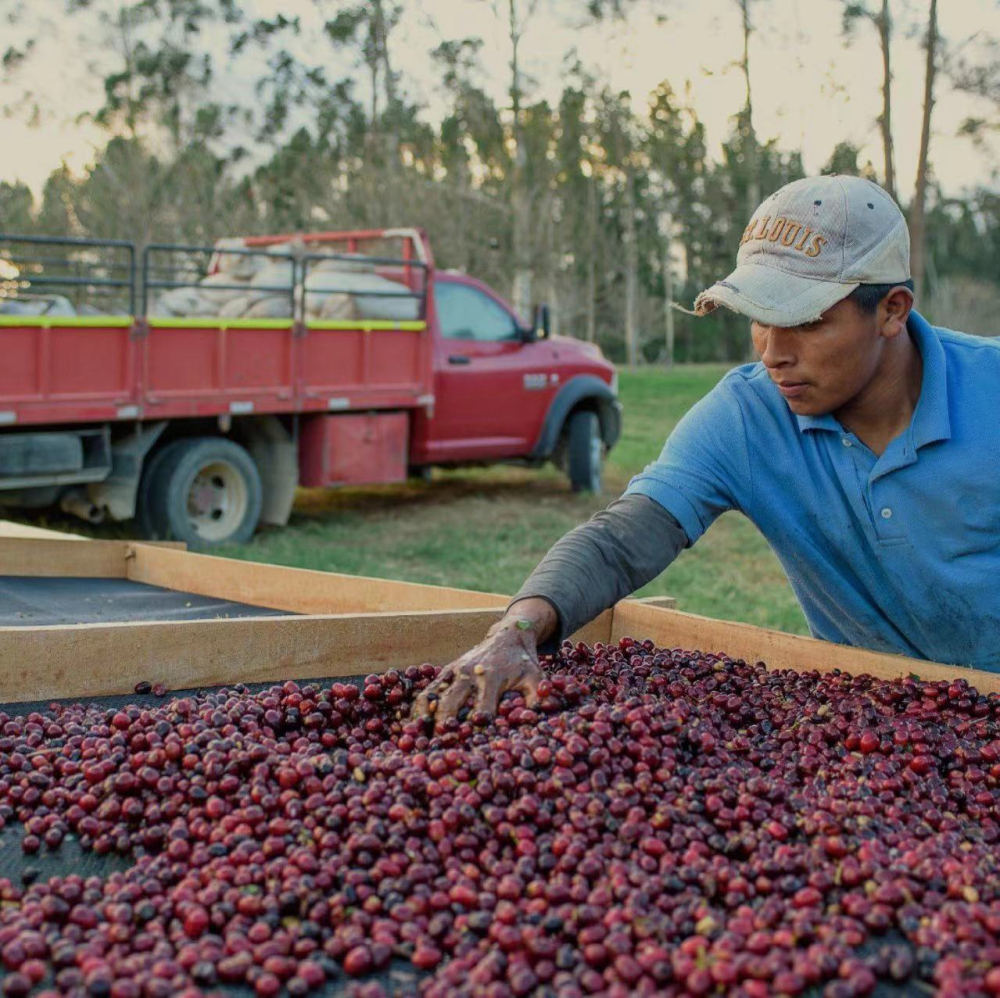
According to the farm’s management, Geisha plants initially require substantial shade trees and traditional pruning methods to prevent plant death. Moreover, the higher the altitude, the longer the fruit takes to mature, leading to increasingly complex flavors—but also greater challenges in harvesting timing and post-harvest processing. Missing the optimal harvest window can significantly compromise the quality of the entire batch, which is one of the reasons why Geisha stands out as a representative of top-tier specialty coffee.
Geisha’s international fame originally stems from Panama’s Best of Panama competition (BOP). It is understood that Daniel Peterson, the third-generation owner of Finca Elida, confirmed the potential of the Geisha variety after years of testing in 2003. Just two weeks before that year’s BOP competition, he discovered during an internal cupping session that Geisha exhibited complex aromas of jasmine, citrus, peach, blueberry, bergamot, and sugarcane. Although slightly different from the mainstream preferences of the time, he decided to enter it into the competition—and won first prize. In 2005, it defeated numerous strong contenders in the SCAA (Specialty Coffee Association of America) international competition, earning global recognition, and went on to win championships in both 2006 and 2007, solidifying its legendary status.
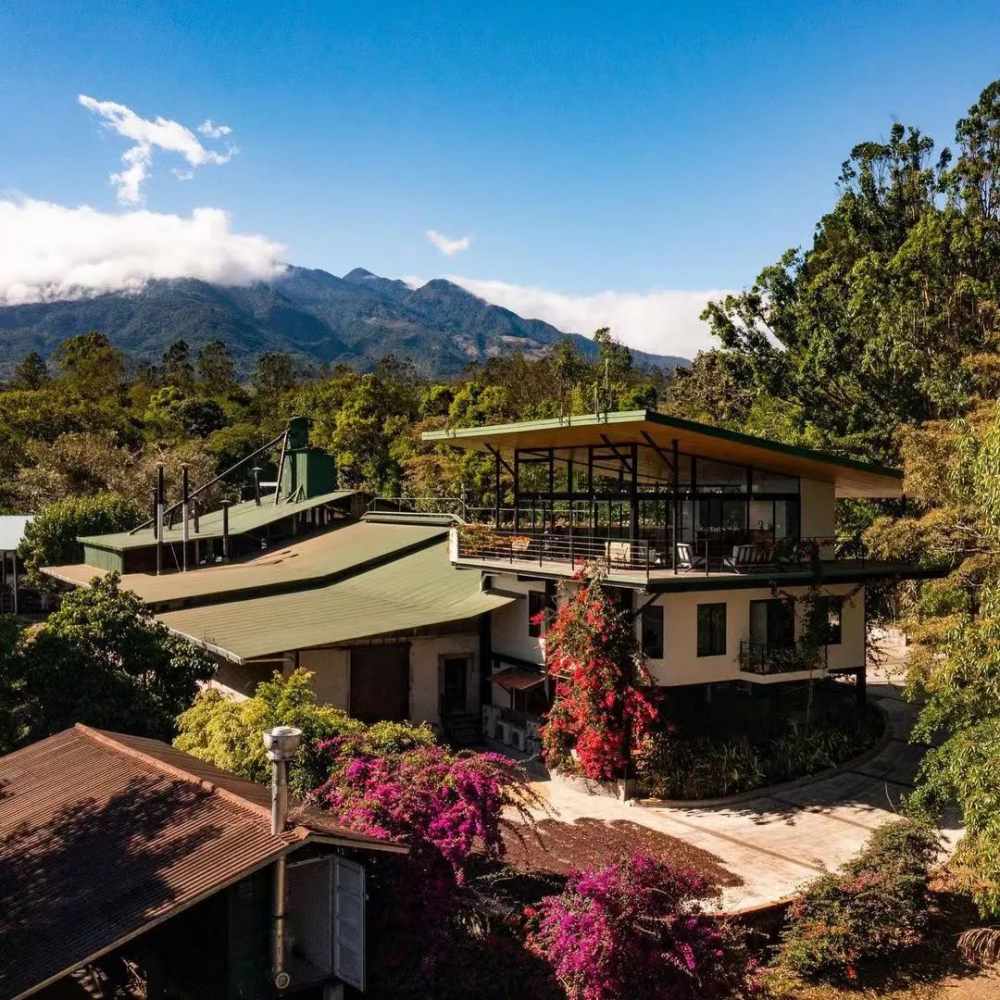
For consumers, the most common way to purchase Finca Elida’s Geisha is through its two main grades: Red Label and Green Label. The Red Label, also known as “Elida Special” (ESMERALDA SPECIAL), refers to the auction lots commonly seen in the market. It features a striking red label and comes from the Jaramillo and Cañas Verdes farms at altitudes of 1,600 to 1,800 meters, often scoring over 90 points in cupping. These beans are individually labeled in specific auction sections, such as the renowned Mario plot, and are typically natural-processed, offering intense and layered flavors. The Green Label, also called “Private Collection,” has a green label and represents non-auction but still high-quality lots. It mainly consists of blends from different plots within the two main farms, also at 1,600 to 1,800 meters altitude. Classic flavor notes include orange, honey, lemon, and berry tones, making it a great choice for consumers with budget constraints who still want to experience the charm of Geisha.
Starting in 2022, the Green Label also began indicating origin farm and plot information, allowing consumers to appreciate more nuanced terroir-driven flavors based on regional differences. If you prefer a cleaner, more natural acidity and tea-like profile, the Green Label washed-process Geisha is an excellent choice, often showcasing flavors of lemon, grapefruit, and Tieguanyin tea.
To fully highlight the delicate floral-fruity aromas and high acidity of Geisha, light roasting is the definitive approach. It’s recommended to use water at 92–93°C for extraction, along with a grind size of 80% passing through a 20-number standard sieve (approximately the coarseness of fine sugar), to fully release its aromatic compounds. Note that even with the same grinder setting, actual particle fineness may vary slightly across different grinders. Using a sieve for verification is advised to ensure extraction consistency.
Additionally, since light-roasted beans have a denser structure, using slightly higher water temperatures and appropriate grind sizes is recommended to effectively extract flavor compounds—but be mindful of over-extraction risks. Freshness is also key: opt for beans roasted within the last five days to achieve the richest aroma expression.
For filter cones, if you wish to emphasize the layered profile and orange-honey tones of the Green Label Geisha, a V60 with its flow-guiding ribs and central large hole design is recommended. It extends brew time while maintaining stable flow rate, helping to highlight the delicate fruit acidity and tea-like finish.
Below are the suggested pour over parameters and three-stage extraction steps for Finca Elida’s Green Label Geisha for your reference and practice:
Pour over recommended parameters:
Filter cone: V60 (resin or ceramic material both acceptable)
Water temperature: 91–92°C
Coffee dose: 15 grams
Coffee-to-water ratio: 1:16 (total water volume approx. 240 grams)
Grind size: 80% passing through a 20-number standard sieve (fine sugar coarseness)
Three-stage extraction steps:
1. Place 15 grams of coffee grounds in the filter cone, then pour 30 grams of hot water for a 30-second bloom. Use a small stream, circling from the center outward, to ensure even saturation of the coffee bed.
2. Next, pour 120 grams of water with a slightly larger stream, reaching a total of about 150 grams by around 55 seconds. The water stream should be vertical and even to help lift the coffee bed.
3. Finally, when the liquid level drops to about halfway, switch to a small stream and pour in a small circular motion for 90 grams of water, bringing the total to 240 grams. Control the total drip time to around 2 minutes and 10 seconds, maintaining a steady stream to avoid disturbing the coffee bed excessively.
After brewing, gently swirl the server to evenly distribute the coffee liquid before tasting. The Green Label Geisha natural-processed beans typically exhibit bright citrus, berry, and tropical fruit acidity, paired with honey and tea-like finish. Flavor layers shift subtly with temperature changes, delivering an overall clean and delicate mouthfeel—perfectly suited for coffee lovers who enjoy fruity-tea profiles.
The above content is compiled by CoffeeHunters, a coffee news website.


