








Introduction:Although an iced americano may seem simple, every step—from the espresso ratio and choice of ice to water temperature—impacts the final flavor. This article delves into the golden ratio for iced americanos, common issues such as sources of bitterness, and explores creative variations like icy concentrate, "flowing sand," and "waterfall" styles. It helps you master professional-level iced coffee techniques to elevate both home-brewed and shop-quality results.
Iced americanos are a daily favorite among many coffee enthusiasts—not only because they’re refreshing and thirst-quenching, but also due to their flexible brewing methods that can be tailored to personal taste. However, the key to a memorable iced americano lies in the precise ratio of espresso, ice, and water, as well as the details of extraction and presentation. These factors not only determine the strength of the coffee but directly affect the complexity of its flavor profile.
Generally, the basic recipe for an iced americano includes espresso, ice cubes, and cold or room-temperature water. While there’s no absolutely unified standard, the common coffee-to-water ratio typically falls between 1:2 and 1:5, adjusted according to the amount of ice and water used. For example, using 20 grams of coffee grounds to extract 40 grams of espresso, along with about 180 grams of water and an appropriate amount of ice, can produce a balanced cup that is rich yet not overly diluted. Among these,the water temperature is recommended to be controlled at 80–85°C, which helps fully release the flavor compounds without causing over-extraction due to excessively high temperatures.

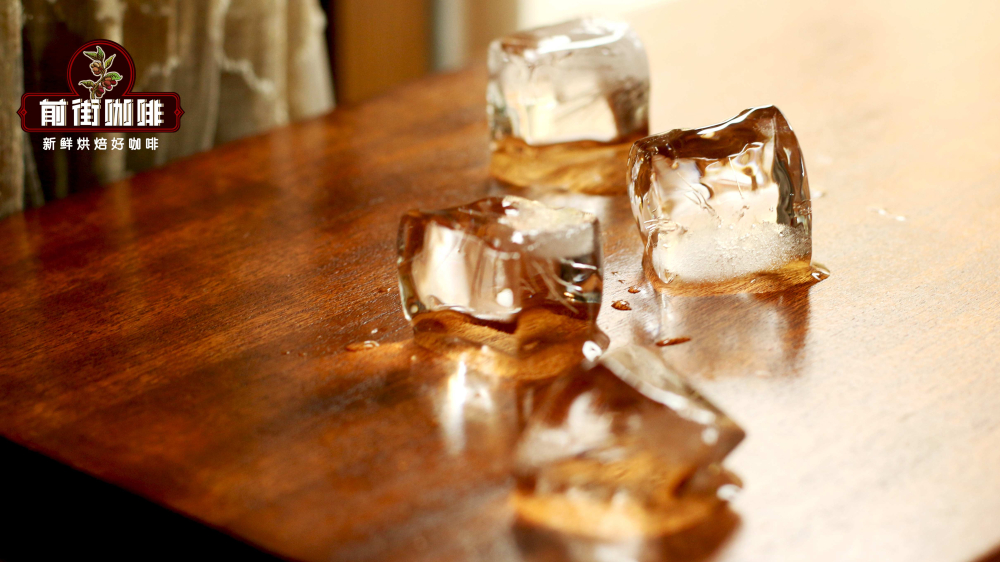
The choice of ice is equally crucial. Many professional shops use what’s called “old ice”—ice cubes that are pre-frozen and have a higher density. These melt more slowly, extending the optimal drinking window of the iced coffee and preventing it from becoming diluted too quickly. Additionally, the size of the ice cubes affects overall mouthfeel. It’s recommended to use larger cubes weighing about 25 grams each to more steadily control dilution. In practice, some shops use a 1:2.5:3 ratio of espresso, large ice cubes, and room-temperature water to achieve an ideal balance that is sweet, tangy, refreshing, and suitably rich.
Beyond the traditional iced americano, making an iced concentrate by pouring espresso directly over ice is a classic variation. This method skips the addition of water, allowing the espresso to cool rapidly in the ice, which not only preserves a brighter acidity and sweetness but also reduces the occurrence of bitterness. In direct comparison, iced concentrate often has a more vibrant flavor and lower bitterness than water-added iced americanos, making it ideal for those who prefer a refreshing taste.
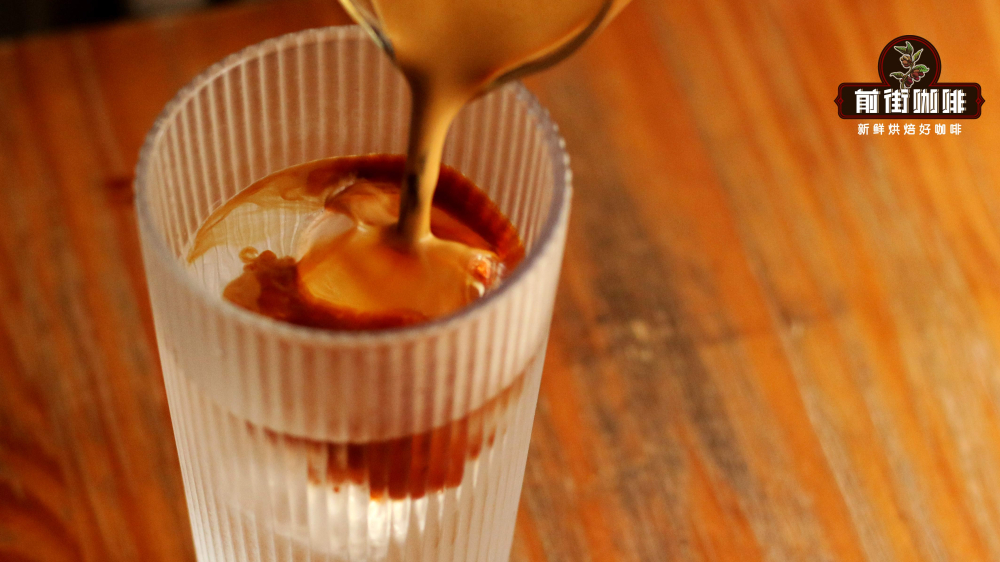
In recent years, flowing sand iced americanos and waterfall iced americanos have become popular choices for social media photo ops. The flowing sand effect comes from the fine crema on the surface of the espresso, which is steamed to create a golden layer of delicate foam. When poured into a cup, it naturally separates from the coffee liquid, creating a visual effect resembling flowing sand. This technique not only adds fun but also softens the bitterness of the coffee through the buffering effect of the foam, while highlighting layers of berry and vanilla notes. The waterfall iced americano, on the other hand, involves pouring espresso into a pre-chilled glass. The temperature difference during the melting process causes the coffee to flow slowly down the inner walls of the cup, creating a dynamic visual experience.
As for why many people wonder if iced americanos often taste bitter, the key actually lies in the type and roast level of the coffee beans used. Since espresso is extracted under high pressure, it demands strict requirements for the roast level and blend ratio of the beans. Therefore,it is recommended to choose medium-to-dark roasted blends, which can deliver a rich and balanced flavor during extraction, reducing the risk of excessive bitterness. Blends typically combine beans from different origins—for example, a mix of Honduran Sherry and natural-process Yirgacheffe can offer a diverse aromatic profile of whiskey, cream, berries, and chocolate. Not only is it smooth on the palate, but it’s also more approachable for novice coffee drinkers.
Taking commonly available blends as examples, some brands opt for a combination of Colombian washed beans and Brazilian semi-washed beans in a ratio of around 30% and 70%. This delivers a strong nutty character and chocolate aroma, paired with moderate caramel sweetness, making it ideal for those who prefer bold flavors. Some blends also include a small amount of Robusta beans to enhance the thick crema of the espresso. Although the bitterness is more pronounced, when balanced well, it can transform into a rounded, creamy mouthfeel with a long aftertaste. Additionally, blends that fuse Yunnan small-grain coffee with Brazilian Cerrado beans can highlight a soft acidity and plum-like notes, delivering a more balanced tasting experience.
In summary, making a great iced americano requires not just mastering ratios and techniques, but also understanding bean characteristics and extraction principles. Whether you're aiming for the refreshing taste of iced concentrate or the visual and flavor complexity of flowing sand and waterfall styles, as long as you grasp the key elements, you can easily replicate a professional-grade iced coffee experience at home or in your shop.
The above content is compiled by CoffeeHunters, a coffee news website.


