







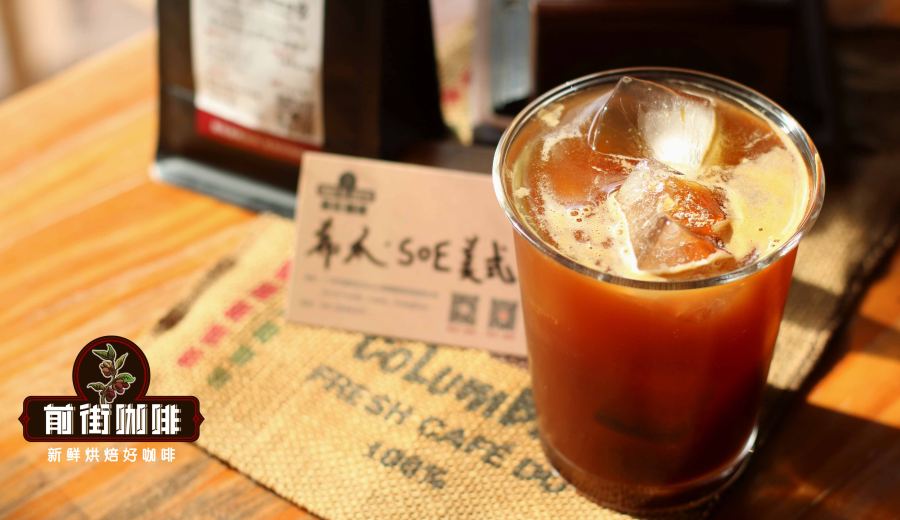
Introduction:Want to make café-quality iced coffee at home with simple tools? This article provides a complete guide to making four popular types of iced coffee—Americano, Latte, Cold Brew, and Cold Drip—including brewing steps, equipment needed, and recommended beans. From basic brewing parameters to bean profiles that suit different flavor preferences, you’ll learn how to master the essence of iced coffee and enjoy your own refreshing coffee moments with ease.
On a hot summer day, a refreshing iced coffee is a lifesaver for many. Whether it’s the clean and light Americano, the creamy and rich Latte, or the smooth and rounded Cold Brew and Cold Drip, each type of iced coffee has its own unique charm. This guide will take you step-by-step through selecting beans, choosing equipment, and brewing these four classic iced coffees. We’ll also recommend some high-quality beans perfect for iced drinks, so you can enjoy a professional-level iced coffee experience from the comfort of your home.
Iced Americano is one of the most common types of iced coffee, and it’s actually very easy to make—just dilute espresso with iced water. Since it uses only coffee beans and water, Iced Americano is a zero-calorie, sugar-free, and fat-free healthy choice. Many people love its refreshing taste and ability to cut through grease, plus the caffeine helps boost alertness and metabolism, making it a top choice for office workers and fitness enthusiasts in the summer.
To make an Iced Americano, you’ll need an espresso machine to brew the shot, along with some ice cubes and cold water. If you drink Iced Americanos frequently, it’s worth investing in a user-friendly home espresso machine—it’ll save you money in the long run. Remember,the ratio of espresso to iced water should be about 1:2, which balances the overall flavor without losing intensity.
Iced Latte is made by replacing the water in an Iced Americano with milk—the process is just as simple. Start byextracting 40g of espresso using 20g of coffee grounds, then prepare100g of ice cubes and 180ml of fresh milk, and pour the espresso over the ice and milk mixture. This combination perfectly blends the richness of coffee with the smoothness of milk, making it ideal for those who prefer a creamier, milk-forward taste.
The flavor profile of Iced Americano and Iced Latte largely depends on the beans used. To maintain complexity even after being diluted with water or milk, many cafés opt for medium-dark or dark roasted blended beans. If you’re after a bold, rich espresso with a thick crema, a certain classic blend is a great choice; if you prefer nutty and chocolatey notes, a certain specialty blend might suit you better; and for those who are sensitive to bitterness or love fruity flavors, a certain strawberry sugar espresso stands out—it yields an iced coffee with a distinct juice-like quality and rose aroma, offering a unique and easily recognizable flavor.
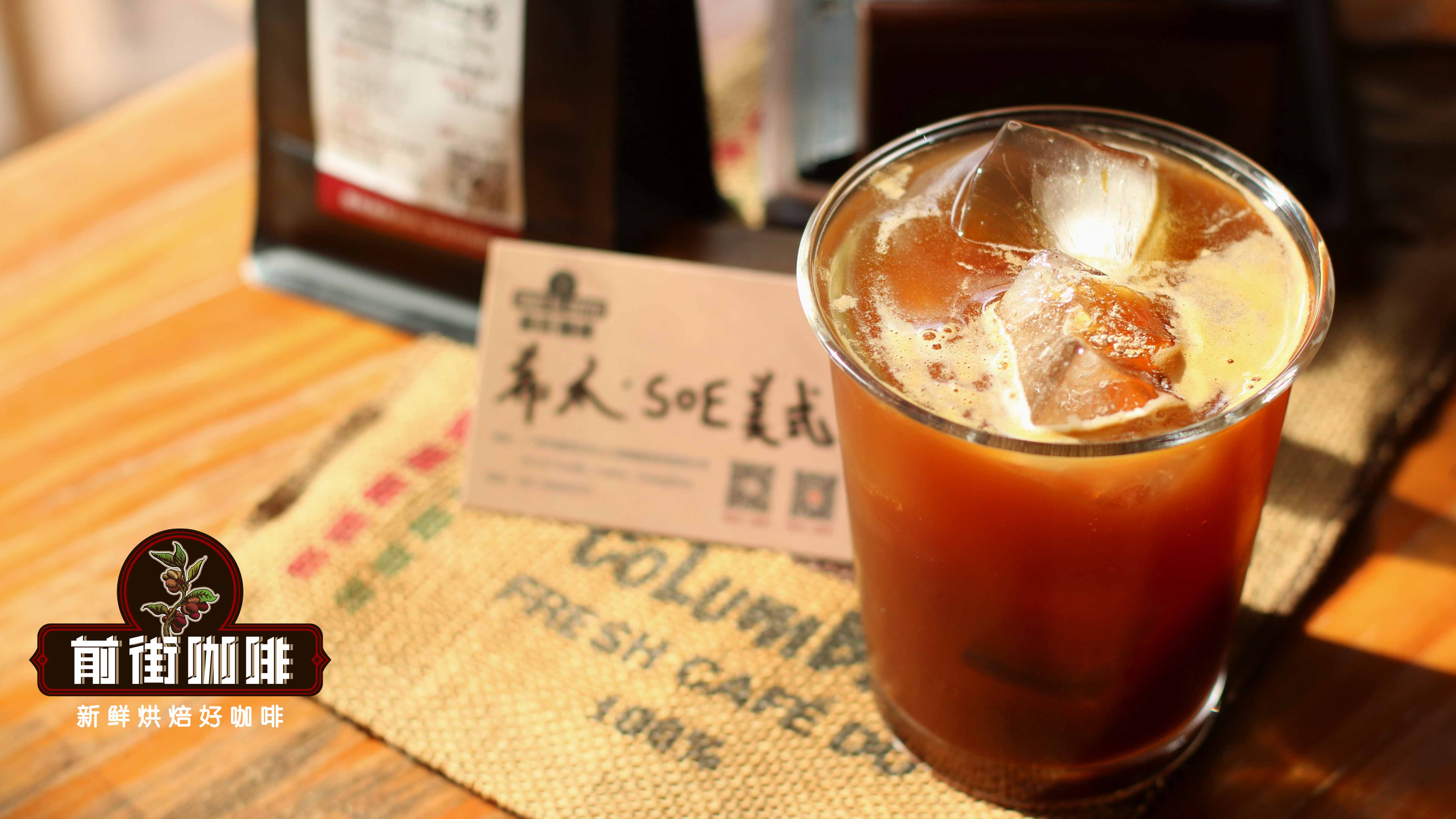
Cold Brew and Cold Drip are completely different brewing methods. They extract coffee slowly in a low-temperature environment, effectively reducing the release of bitter and astringent compounds. The result is a smoother, cleaner cup with a unique sweetness and layered complexity. These types of iced coffee have become increasingly popular in specialty cafés in recent years and are now a must-have summer beverage for many coffee lovers.
Making Cold Brew is surprisingly easy—you only need40g of coffee grounds (ground to the fineness of granulated sugar), mixed with400ml of room temperature water, at acoffee-to-water ratio of 1:10. Stir well, seal, and refrigerate for8 to 12 hours, then filter out the grounds to enjoy. No special equipment is required—just a glass jar or a Cold Brew maker will do, making it perfect for everyday home brewing.
Cold Drip requires a dedicated cold drip tower, and while the process is a bit more involved, the flavor is even more refined. Place40g of coffee grounds (ground to the fineness of granulated sugar)in the middle chamber, fill the top chamber with an ice-water mixture, adjust the valve to a dripping speed of8 drops per 10 seconds, and follow a1:10 coffee-to-liquid ratio, waiting until the bottom chamber collects approximately400mlof coffee. The whole process may take several hours or even over ten hours, but the final product often has exceptional purity and refinement.

However, whether you’re making Cold Brew or Cold Drip, it’s not recommended to use overly dark roasted beans, as dark roasts tend to bring out unnecessary bitterness and smokiness, which can overshadow the clean and refreshing qualities of low-temperature extraction. Instead, opt formedium-light roasted beans, which better highlight fruity, floral, and sweet aftertaste notes, resulting in a more refreshing and pleasant overall flavor.
Here are some specially recommended beans for Cold Brew and Cold Drip:
First up is the [Panama Geisha Flower Butterfly], a washed coffee bean with a high proportion of Geisha lineage (about 70%) and excellent value for money. Cold Brew made from this bean showcases bright citrus, floral notes, and an oolong tea-like freshness, with a clean and layered profile—perfect for those who enjoy fruity and tea-like flavors.
Next is the [Ethiopia Yirgacheffe Red Cherry], a classic African origin bean renowned for its intense floral and fruity characteristics. The naturally processed Yirgacheffe under the Red Cherry Project is of outstanding quality, and when used for Cold Brew, it releases sweet berry aromas, honey-like sweetness, and rich layers—a delightful surprise in every cup.
Finally, we recommend the [Mozart Costa Rica Musician Series], a bean processed using anaerobic honey method with strong identity. Its flavor profile includes osmanthus, grape, and fermented wine notes. When used in iced coffee, it offers a rich yet refreshing character with balanced acidity and sweetness, and a long-lasting aftertaste—ideal for Cold Drip or Cold Brew enthusiasts seeking distinctive flavor profiles.
The above content is compiled by CoffeeHunters, a coffee news website.


