







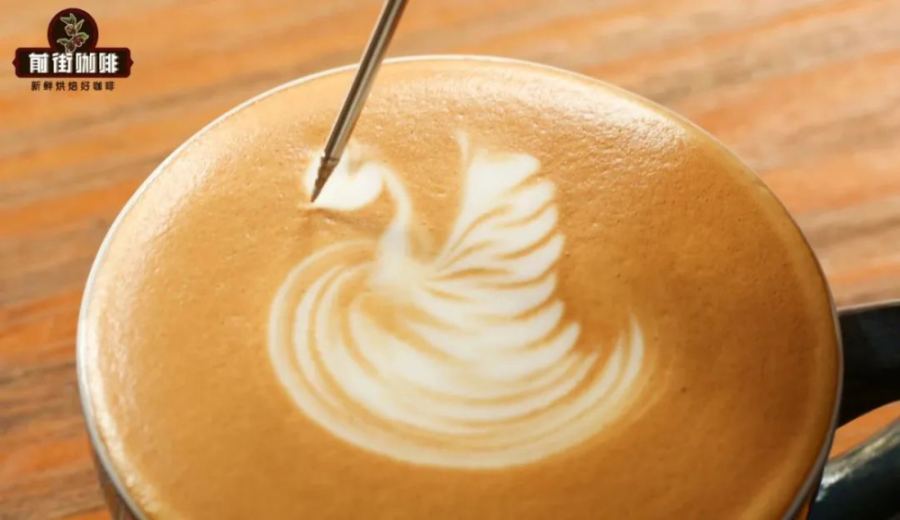
Introduction:Is a latte considered an espresso or a flavored coffee? In fact, once you understand the basic recipe and extraction logic, it’s easy to tell them apart. This article delves into the key aspects of making a latte coffee, from espresso extraction parameters and milk ratio, to practical differences between hot and iced lattes. It also addresses common flavor issues such as bitterness, being too weak, or both bitter and weak, offering specific adjustment directions. Whether you’re a beginner or a coffee enthusiast aiming to improve consistency, you’ll find practical guidance in this guide.
Do you still remember the first time you had a latte? The memory might be a bit hazy, but many people’s first impression is often the delicate latte art, the subtle balance of sweetness and bitterness brought by the crema upon the first sip, followed by the rich fusion of body and the sweetness of milk, leaving a creamy chocolate-like aftertaste in the throat.
In reality, everyone has a different definition of what makes a “good latte.” Some enjoy the satisfying fullness, some seek balanced flavors and aromatic layers, while others simply admire the beautiful latte art on top. But if a latte is hard to swallow, the general reaction is surprisingly consistent: it’s either too bitter, too weak, or both.
So, is a latte really a flavored coffee? What sets it apart from traditional espresso?
Simply put, espresso usually refers to a basic beverage made using an espresso machine that extracts high-concentration coffee under high pressure, such as espresso. Flavored coffee, on the other hand, is a beverage made by adding milk, foam, water, or other ingredients to this base — and the latte is one of the most representative types of flavored coffee.
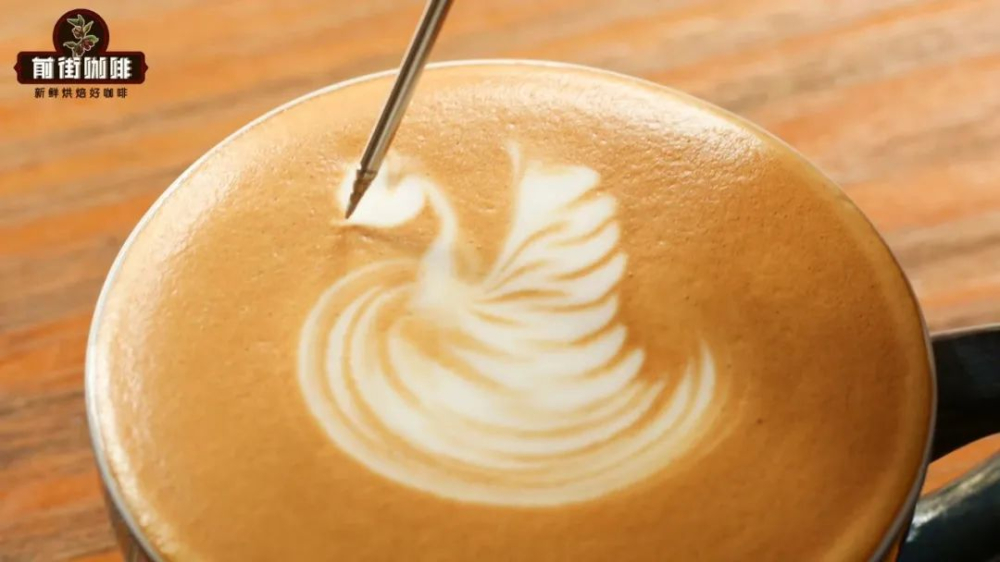
Below, we will explore in detail the standard formula logic and practical details of a latte based on hands-on experience, including key parameters for espresso extraction, the ratio of milk to coffee, the differences between hot and iced preparation methods, and we’ll delve into common flavor issues to help you adjust your latte to better match your expectations.
【Standard Formula and Operational Details of a Latte Coffee】
In practice, our stores use a medium-to-dark roast blend from our own roastery — "Sunflower · Warm Sun." This bean excels at showcasing flavors of vanilla, cream, chocolate, and caramel cookies, making it an ideal base for lattes. For the espresso part, we use a standard coffee-to-water ratio of 1:2, meaning about 2 grams of coffee liquid is extracted per 1 gram of coffee grounds. The recommended extraction time is maintained between 25–35 seconds.
Taking a double shot basket as an example, 20 grams of coffee grounds are used, with the goal of extracting 40 grams of espresso. The extraction time is controlled between 27–33 seconds, during which channeling, splashing, or unstable flow rate must be avoided.
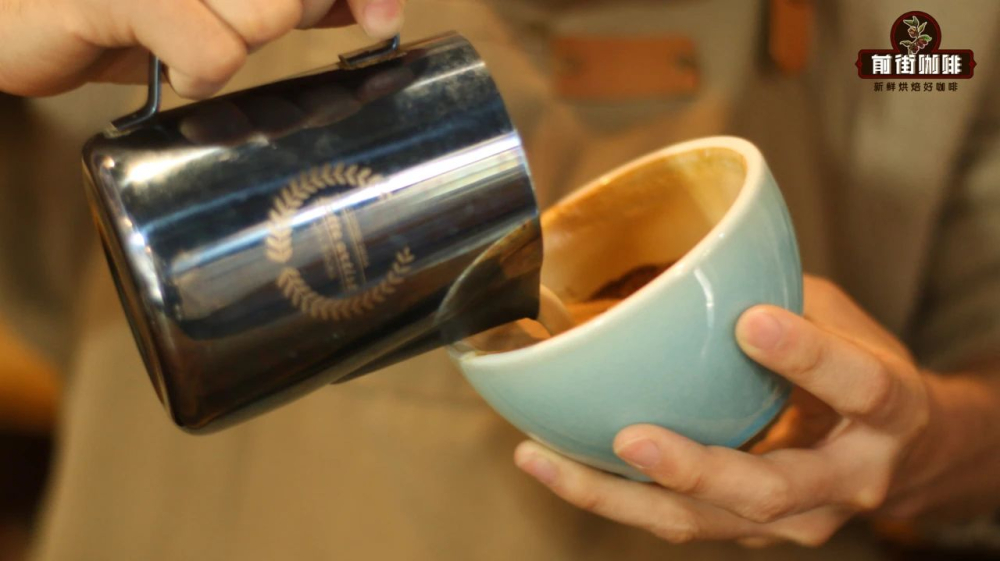
As for the milk, if it's a hot latte, it’s recommended to use fresh milk with a ratio of 1:5.5 — that is, 20 grams of espresso to 220 milliliters of milk. Heat the milk to 55–65°C, froth it to a foam thickness of 0.3–0.5 centimeters, then combine it evenly with the espresso and pour it into a ceramic cup, finishing with a clear and well-shaped latte art pattern.
For an iced latte, it’s suggested to start by placing 3 ice cubes in the cup, using a 1:5 ratio of coffee to milk. First pour in 200 grams of fresh milk, then drizzle 40 grams of espresso over it. This method preserves an attractive layered effect, adding both visual and flavor complexity.
As long as you master coffee bean selection, milk quality, extraction stability, and ratio control, making a smooth and well-balanced latte isn’t actually difficult. Conversely, if obvious flavor flaws appear, they can usually be traced back to these same aspects.
【Common Issue 1: Why is the latte too bitter?】
Without added sugar, a latte is supposed to be the least bitter among flavored coffees because the large amount of milk effectively buffers the strong flavors of the coffee. But if you clearly taste bitterness, the issue is usually with the espresso itself — possible causes include the coffee beans being roasted too dark or improper extraction parameters.
Generally, commercial espresso blends used for lattes are medium-to-dark or dark roasted. Their aim is to preserve flavor while delivering moderate bitterness and crema, creating a smooth mouthfeel when blended with milk. If the extraction time is too long (over 35 seconds), or if channeling or splashing occurs, it can easily lead to over-extraction, making the coffee bitter and astringent.
A customer once reported that although using the same beans and parameters, a particular latte suddenly tasted unusually bitter and lacked aroma. Upon inspection, it was found that the coffee puck had a hole, likely caused by clumped coffee grounds leading to channeling and over-extraction. In such cases, try adjusting to a coarser grind or gently shaking the portafilter to distribute the coffee grounds more evenly, which can help resolve the issue.
【Common Issue 2: Why is the latte too weak or watery?】
The richness of a latte mainly depends on the two key elements: milk and espresso, with the milk’s ratio and quality playing especially crucial roles. It’s recommended to choose whole fresh milk, as its higher fat content produces more stable and velvety foam, giving the coffee a fuller body.
If you’re using a light-roast single-origin coffee bean (such as an SOE), pay special attention to whether the extraction is sufficient. Once, we used a lightly roasted Huakui 8.0 to make an SOE latte. Even with reduced milk ratio, the light roast level led to insufficient extraction, resulting in a drink that tasted like hot milk with hints of citrus and caramel aroma — overly mild in flavor.
Therefore, if you opt for a single-origin bean with prominent fruity notes to make a large cup of latte, it’s advisable to choose the corresponding SOE version and appropriately adjust the extraction and ratio of espresso to milk to avoid an overly “watery” taste.
【Common Issue 3: Why is the latte both bitter and weak?】
This seemingly contradictory flavor usually stems from the coffee beans being roasted too dark. The espresso itself carries heavy roasted notes and late-stage woody or off-flavors. When processed with a high extraction rate, it easily leads to over-extraction, resulting in a coffee that is both bitter and thin.
For example, if you use 18 grams of coffee grounds to extract only 40 grams of coffee liquid — a coffee-to-water ratio of about 1:2.22 — while the caffeine content may be slightly higher, the increased water proportion lowers the overall concentration of the coffee, naturally compromising its flavor performance.
If you encounter a similar issue, try reducing the liquid yield by about 5 grams. This increases the espresso’s concentration, not only helping to avoid over-extraction but also making the latte’s mouthfeel richer and more balanced.
The above content is compiled by CoffeeHunters, a coffee news website.


