








Introduction:Delve into the distinctive regional characteristics, processing methods, and variety differences of Colombian coffee — from Huila to Cauca — and explore the unique flavor profiles of beans from each area. This article will help you grasp the refined expression of washed processing, the impact of altitude on flavor, and the suitable scenarios for light to medium and medium to dark roasts. It also provides practical pour over recommendations to help you precisely extract the layered complexity and fruity tones of Colombian coffee.
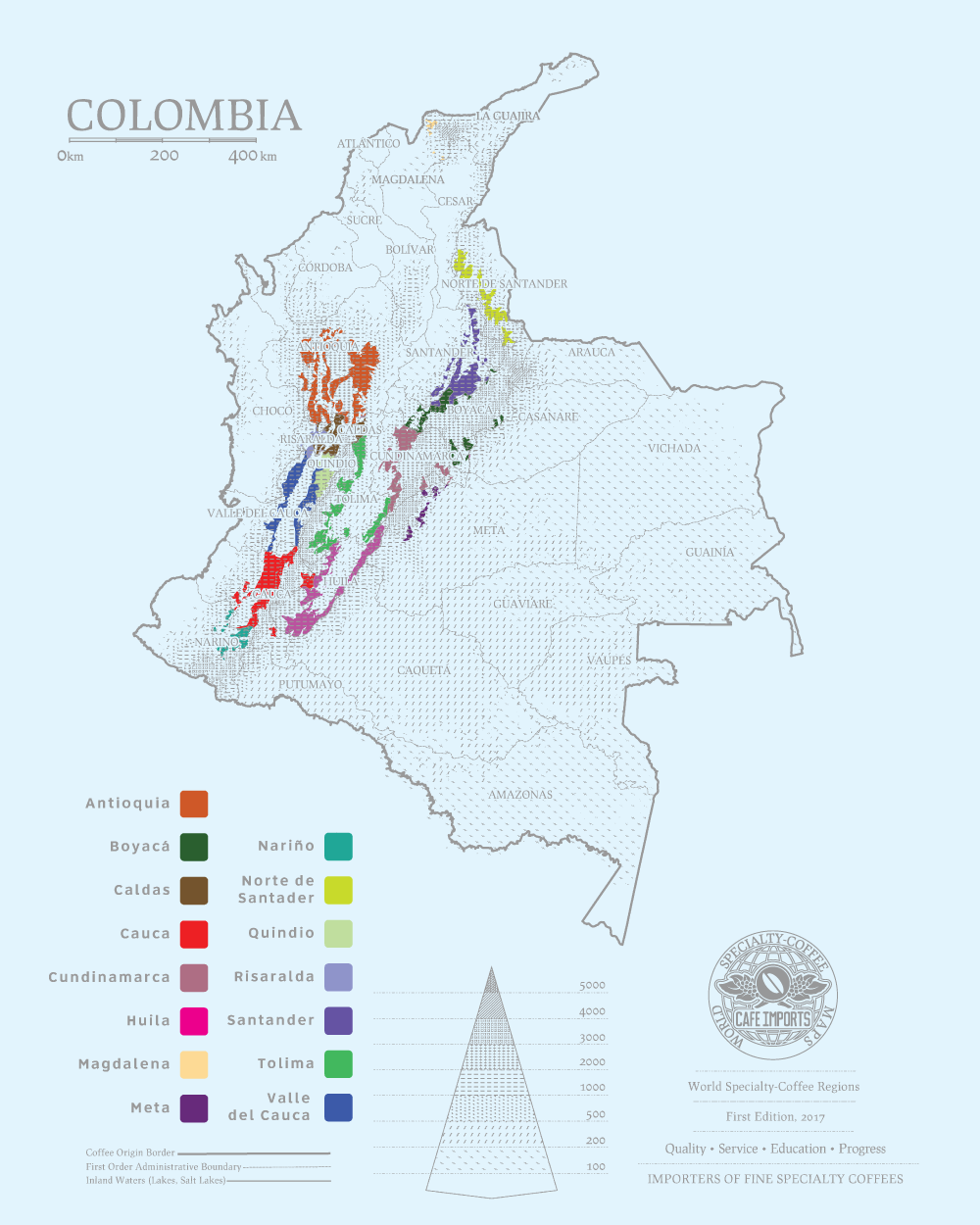
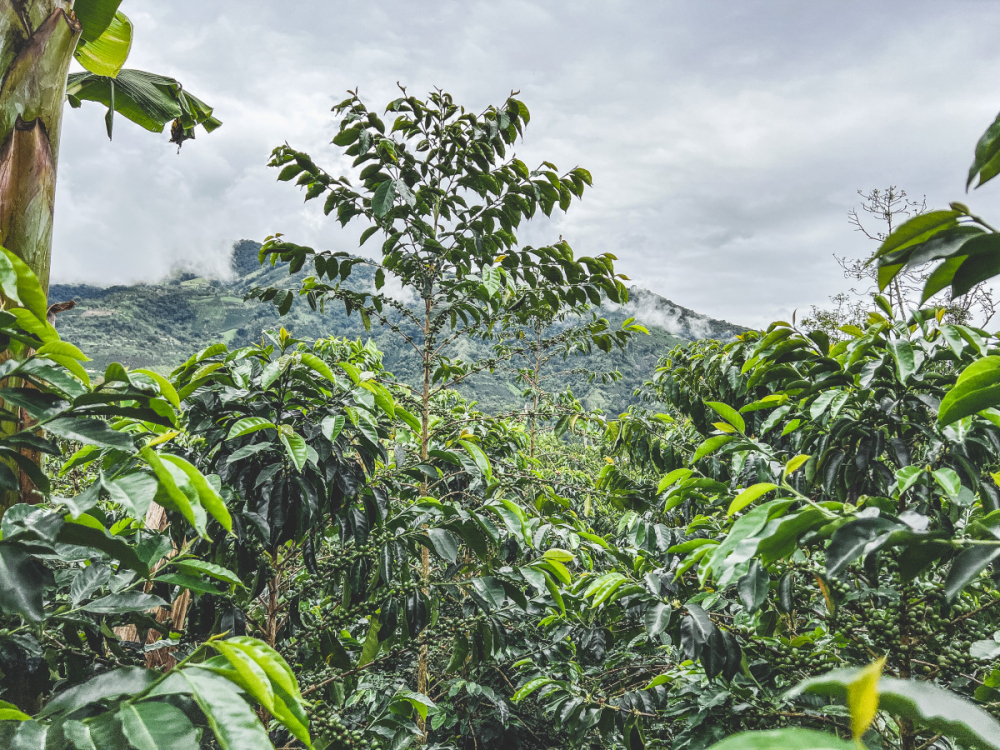
Colombia is the world’s third-largest coffee producer. Thanks to the high-altitude terrain and stable climate of the Andes Mountains, it cultivates numerous Arabica coffee beans with unique flavors. Its coffee-growing regions are primarily distributed along north-south mountain ranges, resulting in significant microclimate variations that give each region’s coffee distinct characteristics in aroma, acidity, and body.
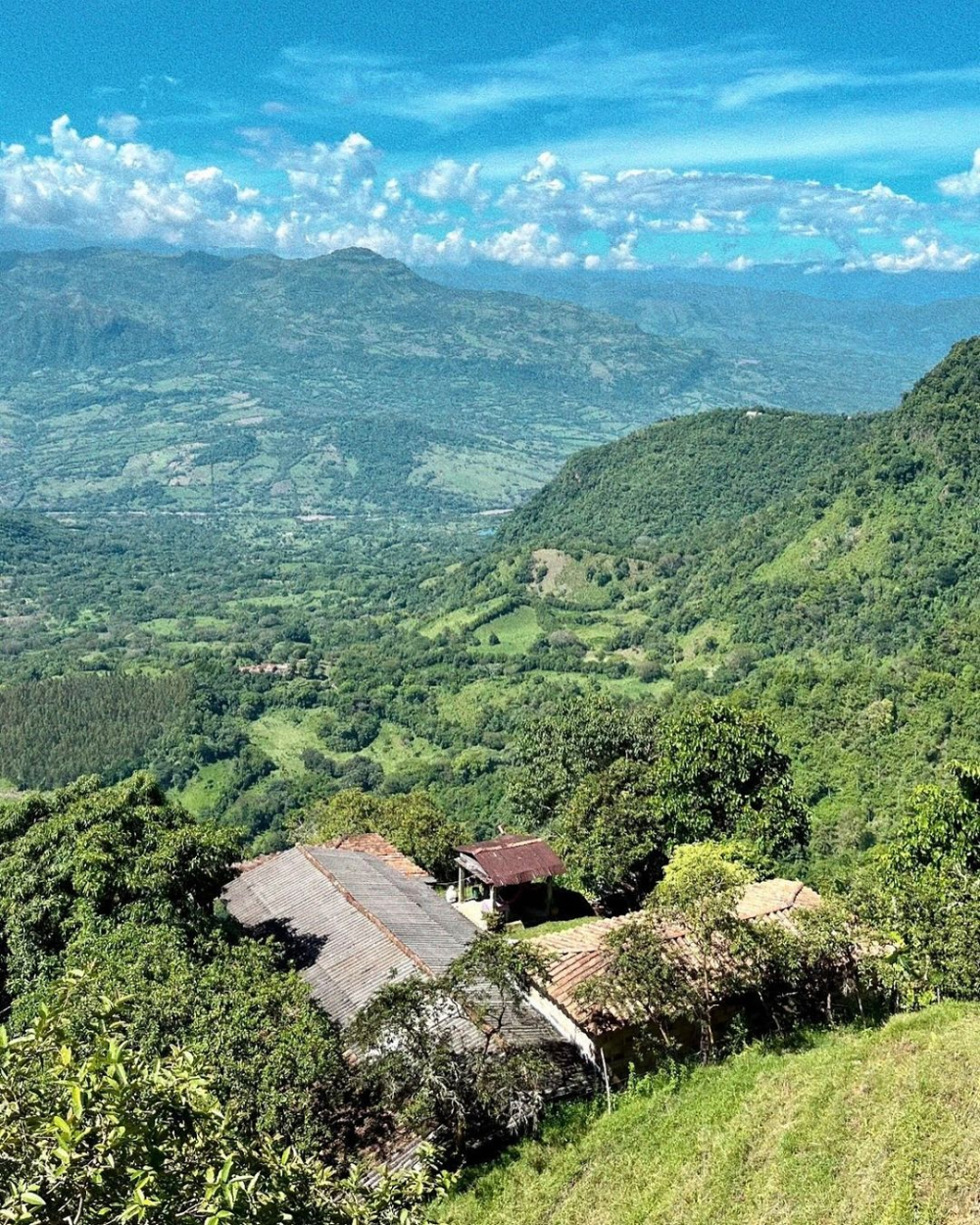
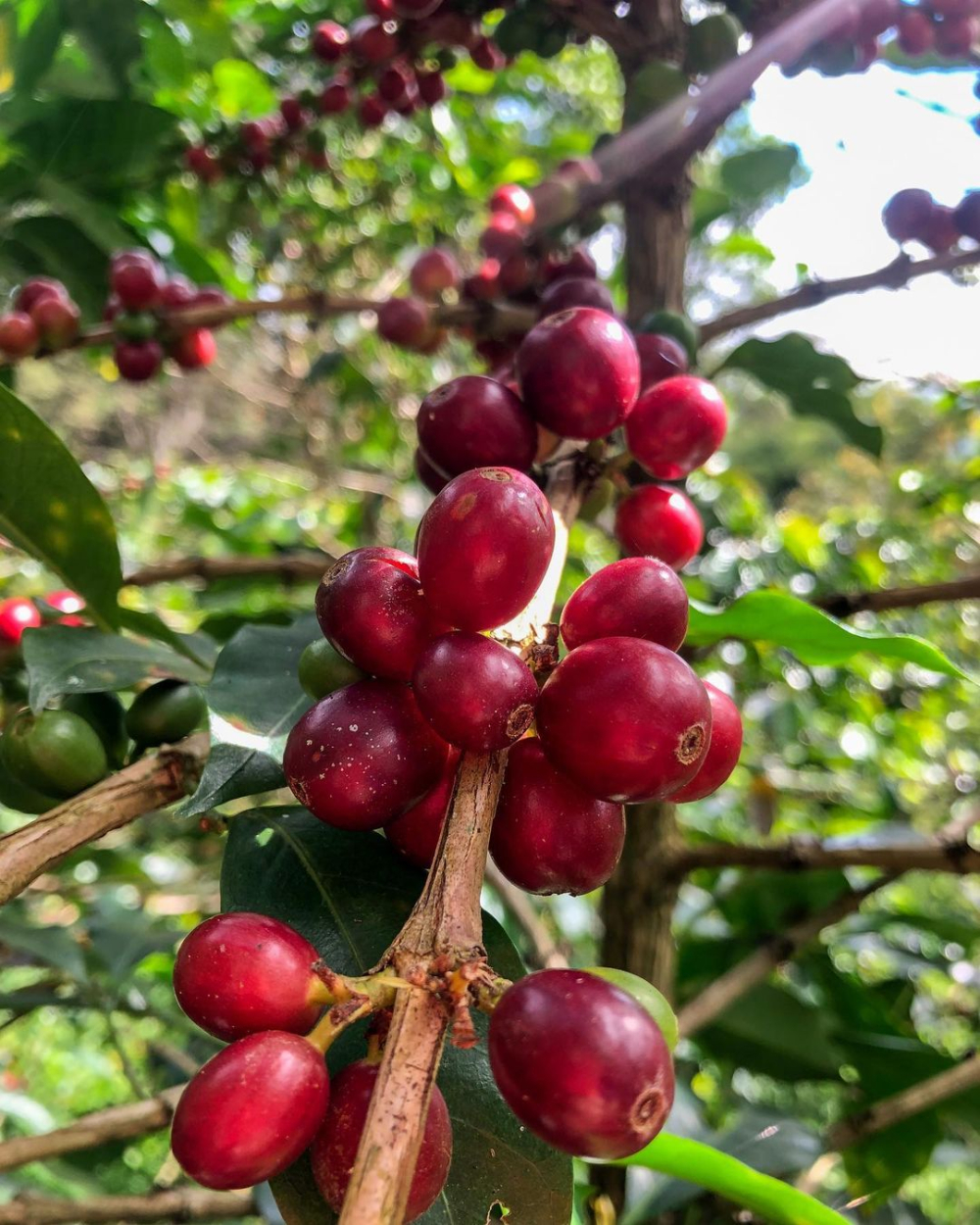
From Santander in the north to Nariño in the south, Colombia’s specialty coffees are mostly concentrated in plateau areas above 1,500 meters in altitude. These regions have mild average annual temperatures and large day-night temperature differences, which help coffee cherries ripen slowly and accumulate richer flavor compounds. Particularly in Huila Province, its exceptional geographical conditions have made it a renowned representative origin frequently highlighted in international coffee competitions.
< >
Colombia’s coffee grading system is meticulous, with the highest grade being “Supremo,” requiring bean diameter of 18/64 inch or above. This grading reflects not only bean size but is also closely related to defect rate and overall uniformity. Most exported specialty beans fall into this grade or the next level, “Excelso,” both of which are highly recognizable and quality-assured in the market.
In terms of processing methods, Colombia widely employs washed processing, which clearly highlights the inherent flavor profiles of each origin, with bright and clean acidity. Compared to natural sun-dried processing, washed processing relies more on water resources and strict craftsmanship, effectively reducing the risk of over-fermentation and ensuring the consistency and stability of coffee flavors.
Regarding varieties, Colombia grows a range of classic and specialty coffee varieties, including Typica, Bourbon, Caturra, and Castillo. Among them, Caturra has become the main cultivated variety locally due to its high yield, disease resistance, and adaptability to high-altitude environments. Castillo, meanwhile, is a leaf rust-resistant variety independently developed by Colombia, refined over the years to offer both yield and good flavor potential.
< >
In terms of regional characteristics, coffee from Santander often exhibits distinct herbal notes and a rich aftertaste, making it suitable for drinkers who prefer a fuller mouthfeel. Huila Province, on the other hand, is known for its floral and fruity aromas, with coffees often showcasing bright layers such as jasmine, citrus, and berries — it is the origin of many competition-grade beans. Cauca and Nariño, blessed with volcanic soils and high altitudes, produce specialty coffees with vibrant acidity and pronounced sweetness.
Regarding roast levels, Colombian coffee performs exceptionally well across light to medium and medium to dark roasts. Light to medium roasts highlight the inherent fruit acidity and floral notes, making them ideal for pour over or filter brewing; medium to dark roasts bring out caramel sweetness and a fuller body, appealing to consumers who prefer a richer taste. Among these, Huila beans often achieve the best balance of acidity and sweetness when roasted to a medium level.
For brewing recommendations, use water at 90–91°C, a 1:15 coffee-to-water ratio, and a medium-fine grind (approximately 78% extraction through a #20 sieve) for pour over. Employ a three-stage pouring method: initial bloom for 30 seconds, first pour of 30 grams, second pour adding up to 130 grams, and final pour reaching 240 grams, with total extraction time controlled around 2 minutes and 15 seconds. This approach helps fully express the layers and fruity tones of Colombian coffee.
< >
In summary, Colombian coffee stands out as an essential choice for coffee enthusiasts worldwide, thanks to its diverse regional flavor profiles, consistent quality, and flexible processing options. Whether you’re pursuing bright fruit acidity or rich chocolatey tones, you can find corresponding specialty beans from different regions in Colombia, each showcasing a unique terroir expression.
The above content is compiled by CoffeeHunters, a coffee news website.


