







Introduction:Geisha (Geisha) coffee is often mistakenly referred to as "Geisha bean," but it actually originates from Ethiopia and later shone brightly in Panama, becoming famous for its unique floral and fruity aromas. This article explains the relationship between Geisha and Geisha, explores the reasons behind the high prices of Panamanian Geisha, and provides key points for selection and storage. It also recommends several high cost-performance ratio Geisha coffees with different flavor profiles, helping readers find their ideal choice based on personal preference.
Geisha coffee, known in English as Geisha, is sometimes also called Geisha coffee, and has been a star variety in the specialty coffee world in recent years. Its origins can be traced back to the Geisha Mountains in the southwestern part of Ethiopia. It was later introduced to Kenya, Tanzania, Costa Rica, and other places, and finally took root in Panama. Between 2005 and 2007, it won the Best of Panama green coffee competition for three consecutive years, even surpassing traditional Jamaican Blue Mountain and Hawaiian Kona coffees. Today, in Latin American producing regions such as Panama, Guatemala, Colombia, and Costa Rica, the Geisha variety showcases extremely complex and elegant flavors, often described as sipping a refined fruit tea. However, there are many types of Geisha on the market, and consumers often don’t know where to start when choosing. This article will deeply analyze the origins of Geisha, the reasons for its high prices, and provide practical purchasing advice to help you find the most suitable Geisha coffee for yourself.
Geisha was first discovered in 1931 in the Geisha Mountains of southwestern Ethiopia. It was initially brought to Kenya for cultivation, then later moved to Tanzania and Costa Rica, and did not arrive in Panama until the 1960s. For nearly the next fifty years, Geisha did not attract much attention until it won the Best of Panama green coffee competition for three consecutive years in 2005, 2006, and 2007, suddenly gaining fame. Geisha defeated the mainstream varieties of the time, such as Bourbon, Caturra, Catuai, and Typica, and even made the long-revered Jamaican Blue Mountain and Hawaiian Kona seem inferior. This achievement not only made Geisha widely known but also established its top-tier status in the specialty coffee world. Currently, Geisha grown in various Latin American regions, led by Panama, generally demonstrates a high level of flavor complexity, especially its unique fruity aroma and tea-like qualities, which are unforgettable.
The English name for Geisha is Geisha, and it is sometimes translated as "Geisha coffee." Although the names are easily confused, they are actually completely unrelated. Today, the Geisha variety is grown all over the world, but those produced in Panama, Guatemala, Colombia, and Costa Rica are the most highly regarded. In particular, Panamanian Geisha is renowned for its complex, delicate, and elegant flavors, often featuring a layered fruit-tea profile that attracts countless coffee enthusiasts. However, even for general consumers, comparing Geisha from different countries can often be difficult to distinguish. Therefore, how to choose high-quality and reasonably priced Geisha coffee has become a common question for many.
When selecting Geisha coffee, there are several key factors worth paying attention to, including brand reputation, roast date, and origin flavor characteristics. Mastering these points can help you more accurately purchase a Geisha coffee that meets your taste expectations.
1. Choose a reputable roasting brand
When buying Geisha, it is recommended to prioritize roasters with a good reputation. These brands usually have strict control over coffee bean selection, roast profiles, and freshness, ensuring you enjoy Geisha with the best possible flavors. In addition, fresh roasting is one of the keys affecting coffee flavor performance. It is advised to choose products roasted within 10 days to get the most vivid aroma and layers.
2. Pay attention to the roast freshness of the coffee beans
Look at the roast date on the packaging, not the expiration date. Generally, the optimal flavor window for coffee beans is within 40 to 50 days after roasting, but if you want to fully experience the delicate aroma and balanced acidity and sweetness of Geisha, it’s recommended to enjoy it within 10 days of roasting. Overly aged roasted beans may lose their vibrant aroma or even develop unpleasant woody or cardboard flavors, affecting the overall drinking experience.
3. Choose a suitable Geisha based on origin and flavor preferences
• Panamanian Boquete Geisha
Flavor characteristics: White floral, honey, citrus, orange, caramel
Feature description: This Geisha from Panama’s renowned producing region showcases the typical clean floral and fruity notes, with clear layers, soft tea-like quality, and balanced acidity and sweetness, making it an excellent choice for experiencing classic Geisha flavors.
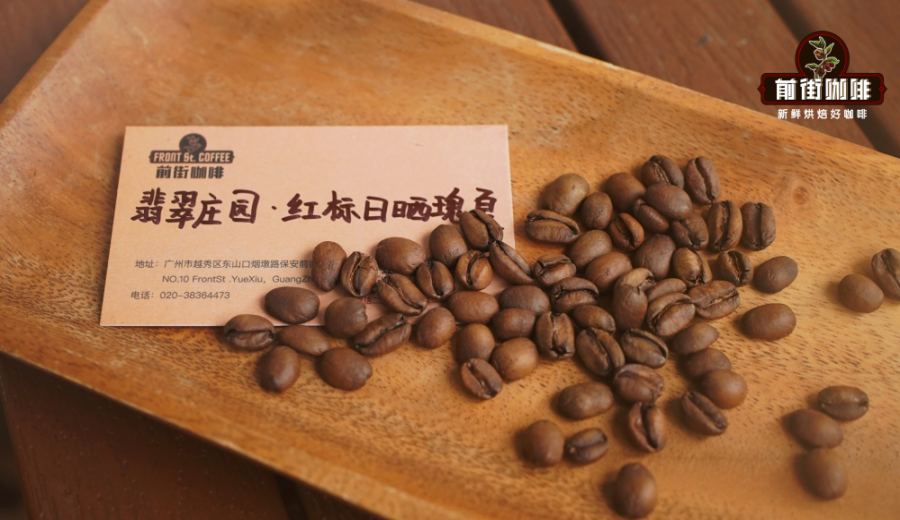
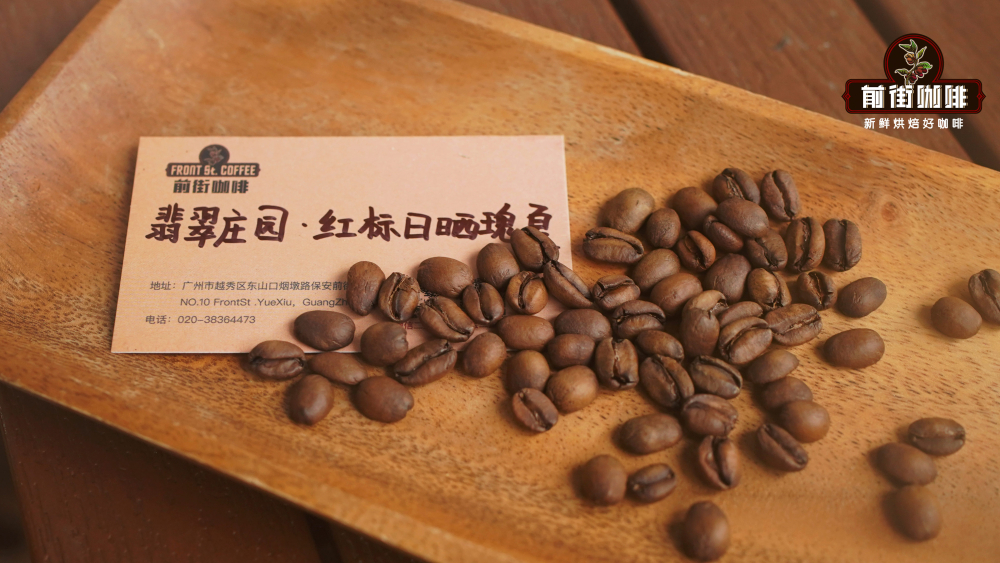
• Ethiopian Geisha Village Red Label Geisha
Flavor characteristics: Berry, lemon, plum, citrus, black tea
Feature description: Produced on a large estate near the Geisha forest, belonging to the Gori Geisha variety, it has the bright acidity and rich fruitiness typical of African beans, suitable for drinkers who prefer vibrant acidity.
• Geisha Blend – Flower Butterfly
Flavor characteristics: Floral, citrus, nuts, sweet orange
Feature description: A blend of 70% Geisha variety with Caturra and Catuai, offering outstanding cost-performance, with flavors combining citrusy acidity and sweetness along with a tea-like quality, making it a great entry-level choice for trying Geisha.
• Costa Rican Honey Processed Flavor – Strawberry Candy
Flavor characteristics: Rose, grape juice, orange, dried fruit, almond
Feature description: Combining the refined floral and fruity notes of Panamanian Geisha with Costa Rica’s renowned honey processing technique, medium roast brings out sweet fruitiness and a rich mouthfeel, suitable for those who enjoy juice-like coffee.
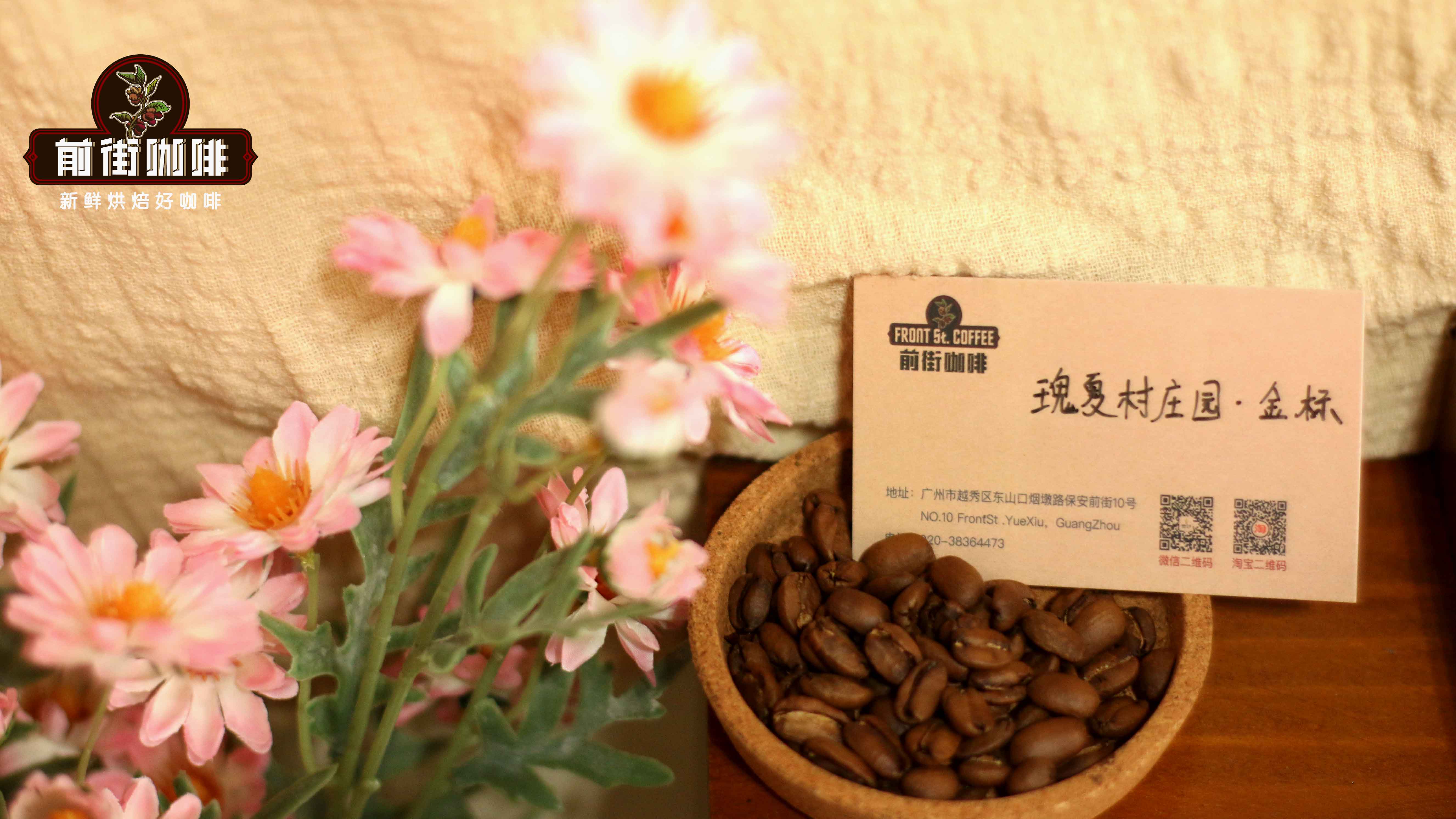
• High-end Geisha – Emerald Estate Green Label Geisha
Flavor characteristics: Bergamot, melon, citrus, green tea, jasmine
Feature description: Produced by an important estate pivotal in the development and promotion of the Geisha variety, grown at altitudes above 1600 meters, with cupping scores as high as 90+, elegant aroma, suitable for pour over or drip bags, and also makes an excellent gift.
In summary, Geisha coffee is not only one of the representatives of specialty coffee, but its diverse flavor characteristics can also satisfy coffee lovers at different levels. As long as you master the selection points and pay attention to roast freshness and origin characteristics, you can easily choose a satisfying Geisha coffee and enjoy its unique fruity aroma and tea-like charm.
The above content is compiled by CoffeeHunters, a coffee news website.


