







Introduction:Ethiopia’s Yirgacheffe is renowned for its diverse processing methods, with washed and natural techniques bringing out distinctly
The Yirgacheffe region is located on the eastern edge of the East African Rift Valley, with an average altitude ranging from 1,800 to 2,000 meters, making it one of the highest-altitude specialty coffee producing areas in the world. To the west of the region lies Lake Abaya, which provides abundant water resources, creating a natural advantage for washed processing. Originally part of Sidamo, Yirgacheffe was later designated as an independent zone due to its distinctive flavor characteristics, becoming one of Ethiopia’s most iconic coffee brands. The area is composed of numerous small cooperatives, each operated by voluntarily joined farmers dedicated to improving coffee quality and community development.
Among them, the Worka Cooperative, though not large in scale, has earned high praise in the international market for its rigorous cultivation and processing procedures, along with its EU Skal organic certification achieved without the use of chemical agents. The coffee produced here is primarily washed, with some sun-dried batches, showcasing the dual processing methods of Yirgacheffe.
An In-depth Look at the Washed Processing Method
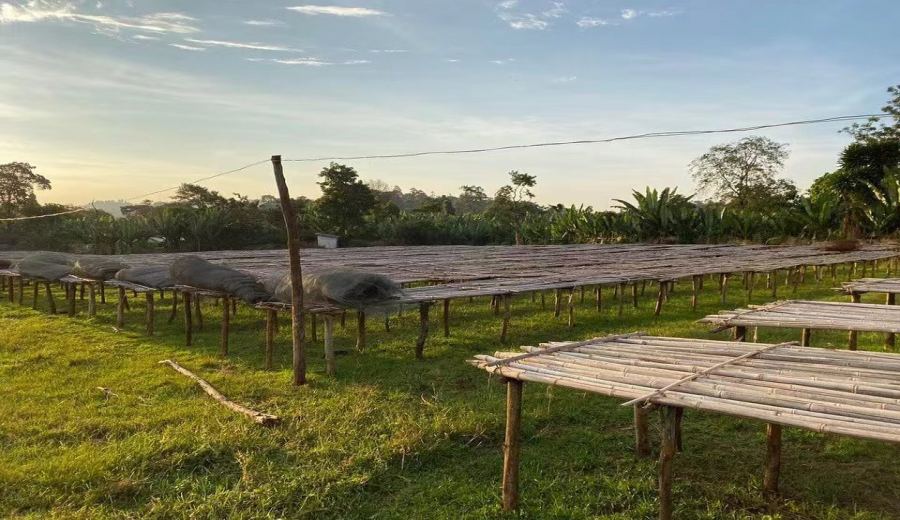
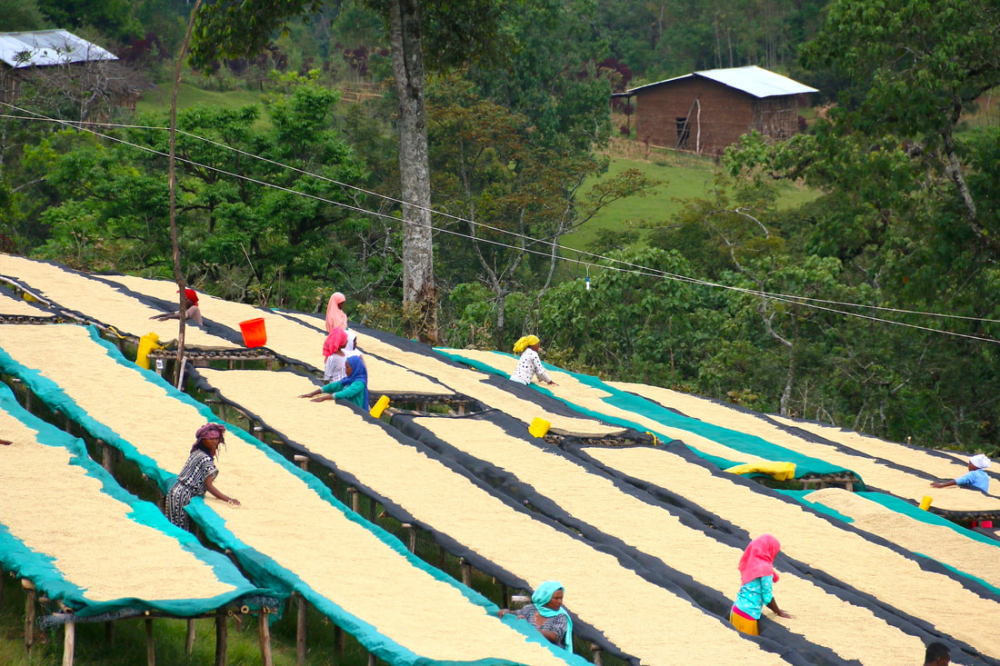
The washed beans introduced by a certain coffee brand from the Worka Cooperative follow the typical Ethiopian "wet fermentation washed process." This method involves quickly transporting the coffee cherries to the processing facility within 6 to 12 hours after harvest, where they undergo a floatation process to remove defective cherries with lower density. Next, a pulper is used to remove the fruit pulp, leaving the beans coated with mucilage, which then enter the fermentation stage lasting 18 to 36 hours, during which natural enzymes break down the sticky mucilage. After fermentation, the beans are thoroughly rinsed with clean water to remove any residual mucilage. Finally, the parchment-covered beans are spread out on raised beds or cement surfaces to dry for approximately 5 to 14 days until the moisture content is reduced to 11%.
This processing method results in washed Yirgacheffe coffee with bright acidity, a clean mouthfeel, and good body, with clearly visible silver skin center lines—one of the characteristics of high-quality washed beans. Additionally, washed coffee boasts high stability, with minimal flavor variation between batches, making it ideal for coffee enthusiasts who value consistency.
Details of the Natural (Sun-Dried) Processing Method
In contrast, the natural processing method presents a distinctly different flavor profile. Take the Yirgacheffe natural beans under the Red Cherry Project (Operation Cherry Red) as an example. This initiative, led by Dutch trader Trabocca, encourages farmers to harvest only 100% ripe red cherries and puts more effort into the processing to ensure fruit quality. After harvest, these coffee cherries are manually sorted to remove defective ones, then dried in the sun for 3 to 4 weeks, with moisture content similarly controlled around 11%, before finally being hulled.
As the sugars in the fruit pulp and mucilage gradually concentrate and are absorbed by the beans during sun drying, natural Yirgacheffe often exhibits intense berry and dried fruit notes, with prominent sweetness and rich layers. However, compared to washed coffee, its cleanliness is slightly lower, and its flavors are more complex and varied. [Image placeholder for visual reference of the natural processing procedure.]
Actual Flavor Profiles of Worka Washed and Red Cherry Natural
The Worka washed beans belong to Grade G1, grown at an altitude of approximately 1,650 to 1,800 meters, with the local traditional Heirloom variety. In cupping, their dry aroma reveals floral and citrus notes, while brewed cups present bright fruit acids such as citrus, lemon, and kumquat, accompanied by a soda-like sweet effervescence. The overall mouthfeel is refreshing and balanced. On the other hand, the Red Cherry natural beans use native varieties, grown at even higher altitudes of 2,000 to 2,200 meters. Cupping reveals intense berry and dried fruit aromas, with layers of berries, strawberries, mango, and apricot jam intertwining on the palate. The sweetness is prominent, and the finish carries a honey-like aroma.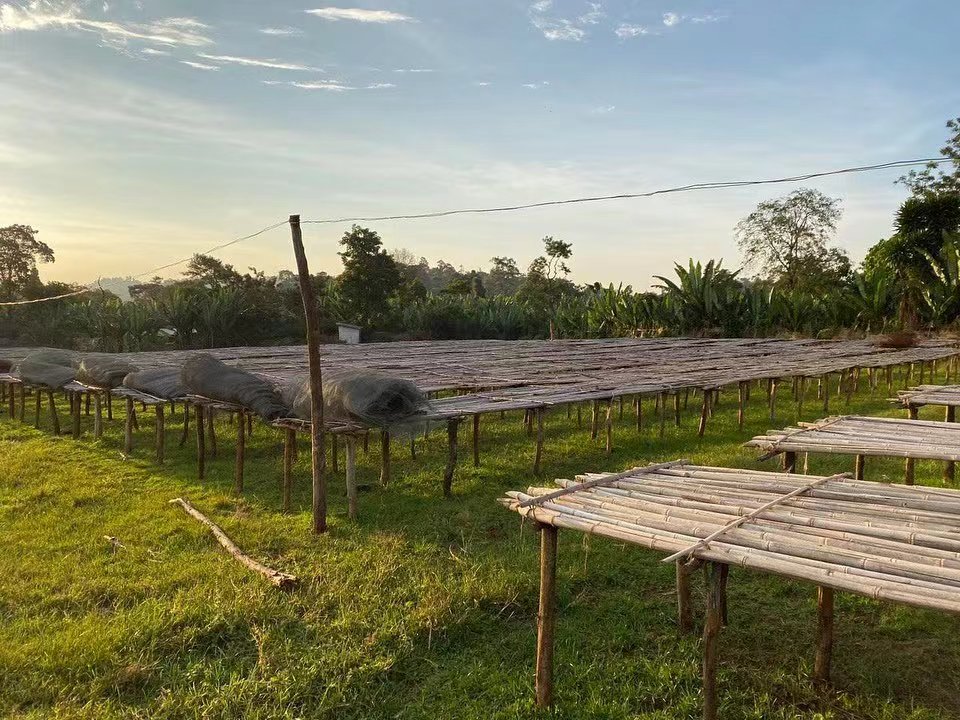 andcorrespond to the process flow diagrams of the two processing methods, respectively.
Roasting and Pour Over Recommendations
In terms of roasting, the washed Worka beans are recommended to be roasted using a Yangjia 800N roaster, with an entry temperature of 200°C, a charge weight of 480 grams, and precise initial heat control to stabilize the drying phase. The first crack development time is about 1 minute and 45 seconds, with a drop temperature of around 195°C, highlighting its bright acidity and citrus character. For the natural Red Cherry beans, a slightly higher entry temperature and air vent setting are suggested, with the first crack starting at 9 minutes and 7 seconds, and a drop temperature of about 194°C, helping to bring out the sweetness and complex fruity notes.
For pour over, it is recommended to use a V60 #01 filter cone, with water temperature controlled at 90–91°C, a coffee-to-water ratio of 1:15, and a medium-fine grind size with 80% of particles passing through a #20 sieve. The brewing process begins with a 30-second bloom, followed by three pours totaling 225 grams, with a total extraction time of about 2 minutes and 10 seconds, effectively showcasing the unique flavor profiles of both processing methods.
The above content is compiled by CoffeeHunters, a coffee news website.


