







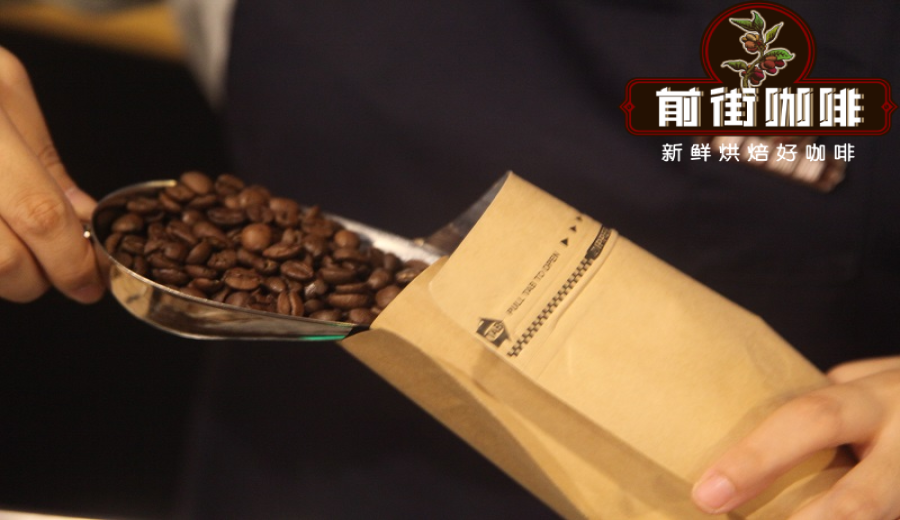
Introduction:Coffee beans don’t necessarily taste better the fresher they are right after roasting. In fact, freshly roasted beans need a “resting period” — known as degassing — to allow internal carbon dioxide to release properly, in order to fully reveal their captivating flavor profiles. This article will delve into the principles of resting beans, covering everything from degassing characteristics at different roast levels, recommended resting times, to storage tips and emergency brewing methods, helping you grasp the optimal tasting window for each coffee bean.
Why shouldn’t freshly roasted coffee beans be brewed right away? The answer lies in the seemingly simple yet crucial process called “degassing.” In essence, degassing is the stage where coffee beans release the carbon dioxide produced during roasting, allowing them to stabilize and fully develop their flavors. The rate of gas release and the necessary resting time vary greatly depending on the roast level — light roasts, with slower degassing, require longer resting periods, whereas dark roasts, with more vigorous gas release, need relatively shorter resting times.
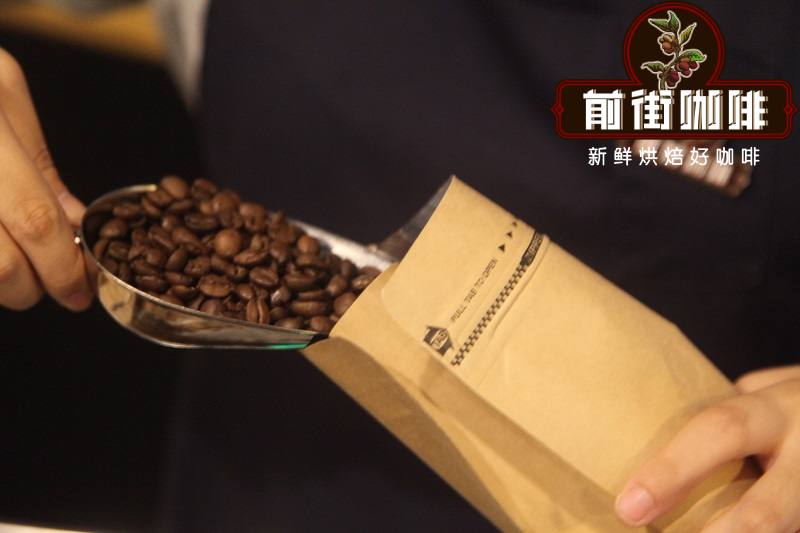
Many consumers, when purchasing coffee beans, not only seek ideal flavors but also emphasize “freshly roasted.” However, unlike the common knowledge that fruits and vegetables are best when freshest, the charm of coffee beans often truly unfolds after a period following roasting. In fact, beans right out of the roaster contain a large amount of built-up carbon dioxide, and brewing them immediately can hinder extraction, resulting in sharp mouthfeel and abrupt acidity. Even with correct parameters, it’s difficult to showcase the bean’s intended layers and delicate flavors.
Resting is actually a natural process of gas release, and the industry often refers to it as “waking the beans” or “maturation.” Starting about three hours after roasting, the carbon dioxide inside the beans gradually begins to dissipate. Brewing them immediately at this point will cause the hot water to collide with the large volume of gas, creating a barrier that prevents proper extraction between water and soluble compounds in the coffee grounds, ultimately affecting the overall balance and expression of flavors.
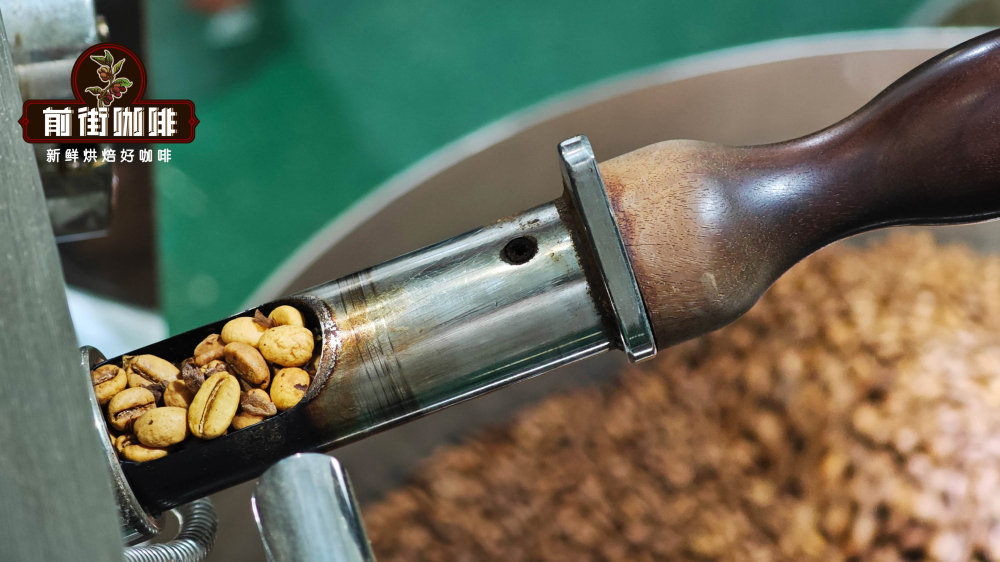
There is no fixed standard for how long beans should rest; it needs to be adjusted based on roast depth. If the resting time is too short, the coffee may taste thin and dull; if too long, it might miss its flavor peak, leading to gradual decline in aroma and taste. Generally speaking,Light roast coffee, due to its slower degassing, is recommended to rest for 7 to 14 days;Medium roast around 5 to 10 days; whileDark roast usually reaches its optimal state in just 3 to 7 days. These figures are for reference only, and actual conditions may require fine-tuning based on specific beans.
The method of resting isn’t complicated — simply store unopened coffee beans in a cool, dry, dark, and odor-free environment. Once the resting period is over, it’s recommended to cover the one-way valve on the packaging with transparent tape to prevent air from entering and accelerating oxidation. It’s especially important to note that once opened, coffee beans are prone to moisture and odor contamination, so it’s best to transfer them to an airtight container as soon as possible, or continue using the original packaging while ensuring the one-way valve functions properly and the seal is tight. If no professional storage container is available, at least place the beans in a cool, ventilated spot, away from direct sunlight and high temperatures.
Some coffee enthusiasts have the habit of storing beans in the fridge, but this practice actually carries risks. Coffee beans are highly absorbent, and various food odors in the refrigerator can easily seep into the beans, compromising flavor purity. Moreover, humidity in the fridge can quietly damage the beans’ dry state, leading to aroma loss and flavor alteration. Therefore, unless professional sealing and temperature acclimation measures are in place, it’s not recommended to refrigerate coffee beans long-term.
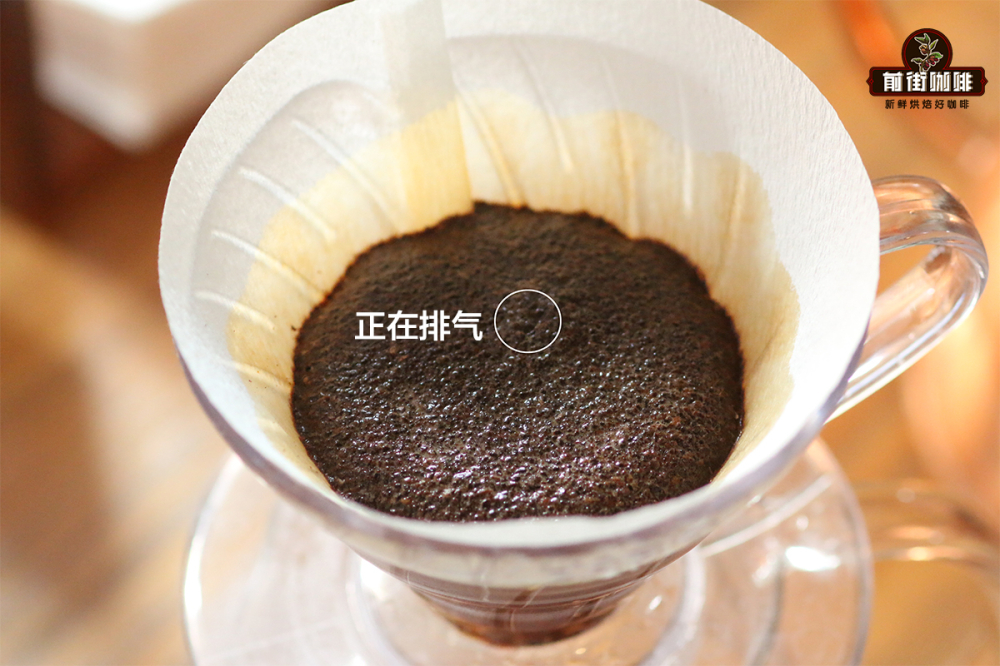
If you’re eager to enjoy freshly roasted beans but haven’t reached the recommended resting time, you might try these two emergency tips. First, let the ground coffee powder sit for about two to three minutes after grinding to allow some carbon dioxide to release naturally, which helps reduce brewing resistance and allows water to interact more smoothly with the grounds. Note that once coffee is ground, its surface area exposed to air increases significantly, causing flavor compounds to evaporate faster, so it’s advised to brew shortly after grinding. Second, you can moderately extend the blooming time to allow the coffee grounds to release more carbon dioxide during the initial pour. It’s generally recommended to use twice the amount of water as coffee grounds for about 30 seconds of blooming; if you want to further reduce gas interference, you can slightly extend this step, which aids smoother and more even extraction afterward.
As for common drip bags (hung kou coffee), since they come pre-ground, their flavor shelf life is relatively shorter. It’s generally recommended to consume them within a week to enjoy the best flavor. If you notice during brewing that the coffee grounds in the drip bag fail to puff up like a hamburger shape during blooming but instead flatten out, it likely means the beans are no longer fresh, with a significantly reduced ability to release carbon dioxide. Although drip bags offer convenience and are loved by busy individuals, there are still several usage details to note. For example, a single drip bag is typically recommended for just one brew — reusing it may still yield a strong taste, but in reality, it’s a sign of over-extraction, which can lead to bitterness and off-flavors, stripping the coffee of its original layered profile. Additionally, when purchasing drip bags, pay attention to the production or grinding date, and opt for products that are no more than a week old to ensure the full presentation of aroma and flavor.

The above content is compiled by CoffeeHunters, a coffee news website.


