







Introduction:Cold brew coffee is widely loved for its smooth texture and refreshing flavor, but what sets its preparation apart from regular iced coffee? How do you choose the right coffee beans? This article will delve into the extraction principles and flavor characteristics of cold brew, introduce three types of coffee beans suitable for low-temperature extraction, detail a practical single-serving brewing process including grind size and coffee-to-water ratio, and offer suggestions for refrigerated storage to help you easily enjoy professional-grade cold brew at home.
With its silky texture and clean flavor profile, cold brew coffee has gradually become a daily choice for many coffee enthusiasts. However, it is fundamentally different from the iced coffee we commonly see. So, how is cold brew actually made? And why can it deliver such a unique flavor experience?
First, the most distinctive feature of cold brew coffee is that it uses room temperature or cold water for extended extraction, rather than hot water. This low-temperature brewing method significantly reduces the release of bitter and astringent substances in coffee, resulting in a final brew that is smoother, more layered, and less likely to have sharp acidity or overly intense aftertaste.
Compared to traditional methods that use hot water for rapid extraction, cold brew relies on prolonged steeping—usually 8 to 12 hours—allowing water molecules to slowly penetrate the coffee grounds and extract more delicate flavor compounds. This brewing process not only creates its signature richness and smoothness but also better highlights the regional characteristics and processing method flavors inherent in the coffee beans.
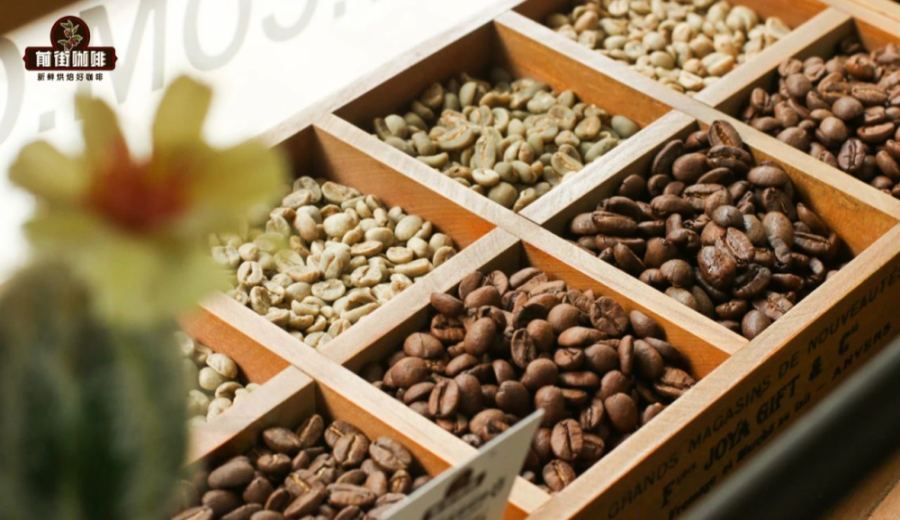
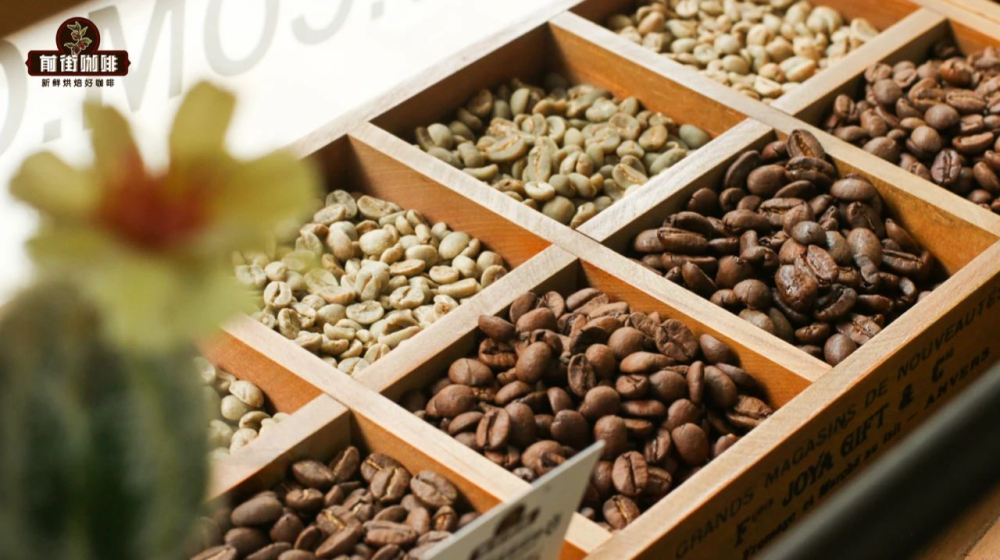
Among the many types of coffee beans, not all are suitable for cold brew. Generally speaking, medium-light to medium roast beans with pronounced sweet and acidic profiles, especially freshly roasted ones, can better showcase the potential of cold brew. These beans typically retain abundant aromatic compounds and, under low-temperature extraction, can balance the release of fruity, floral, and sweet notes. It’s particularly important to note that for optimal flavor, it’s recommended to choose beans shipped within five days of roasting to maintain their freshness and activity.
If you prefer bright fruit acidity and rich layers, you might consider trying sun-dried beans from Ethiopia’s Guji region. Grown at high altitudes, these beans exhibit distinct berry-like sweetness and acidity, honey-like notes, and an Earl Grey-like finish. When brewed cold, they present highly distinctive tropical fruit flavors.
For those who enjoy floral and fruity aromas but want to avoid excessive acidity, a blended variety from Panama’s Boquete region is an ideal choice. This blend combines the characteristics of Geisha, Caturra, and Catuai, showcasing gentle floral notes, citrus acidity, caramel sweetness, and a smooth green tea-like finish. After cold brewing, the flavors are well-balanced and layered.
If you’re sensitive to acidity but still hope to preserve rich fruitiness, a blend that incorporates honey processing and Geisha elements is a great option. These beans often carry sweet traits reminiscent of raisins and soft candy, and when cold-brewed, they release rose floral notes, dried fruit sweetness, orange-like tones, and nutty flavors, resulting in an overall mild yet dynamic cup.
To make a standard single serving of cold brew coffee, start by preparing a clean glass container with a capacity of about 200 milliliters, featuring a tight bottle opening and sealable design, ensuring there’s no oil residue inside. Next, precisely weigh out 20 grams of coffee beans and grind them to a medium-coarse consistency similar to white sugar, with a recommended sieve passing rate of around 75% to facilitate subsequent extraction.
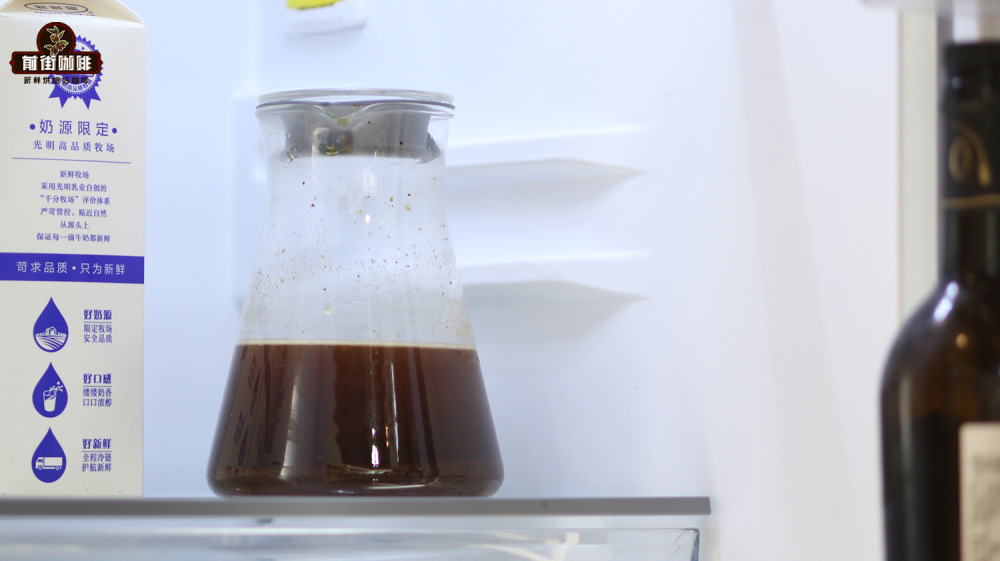
Pour the ground coffee into the glass bottle, then add room temperature or ice water at a ratio of 1:10 (coffee to water). It’s advisable to use a stirring stick or spoon to mix evenly, ensuring all coffee particles are fully saturated with water. After stirring, tightly seal the bottle and place it in the refrigerator’s cooling compartment to steep for 8 to 12 hours. During this time, there’s no need to shake it deliberately; simply letting it sit allows the coffee flavors to slowly infuse.
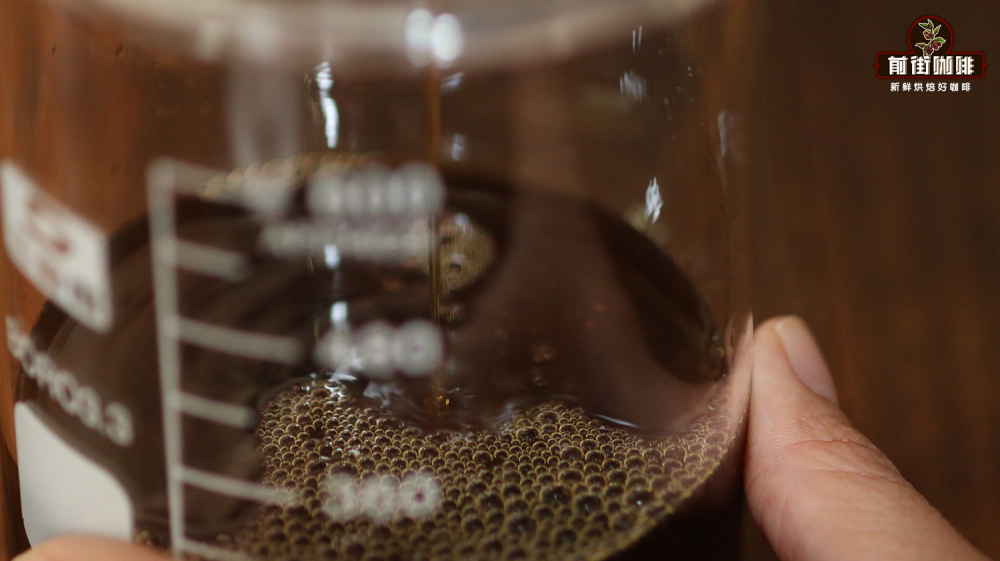
Once the steeping period is complete, use filter paper or a dedicated filtering tool to thoroughly separate the coffee grounds, then pour out the clear cold brew coffee liquid for enjoyment. At this stage, the coffee not only has a smooth mouthfeel but also a clear and distinct flavor, making it perfect for direct drinking or as a base for other beverages.
Regarding the storage of cold brew coffee, although it’s commonly said to be storable for 2 to 3 weeks, in reality, to ensure both drinking safety and optimal flavor, it’s recommended to consume it within 72 hours after brewing and filtering, under sealed conditions. Since household refrigerators often contain various foods, even with strict sealing, it’s difficult to completely prevent bacterial contamination, so it’s best to drink it sooner for the optimal experience.
The above content is compiled by CoffeeHunters, a coffee news website.


