







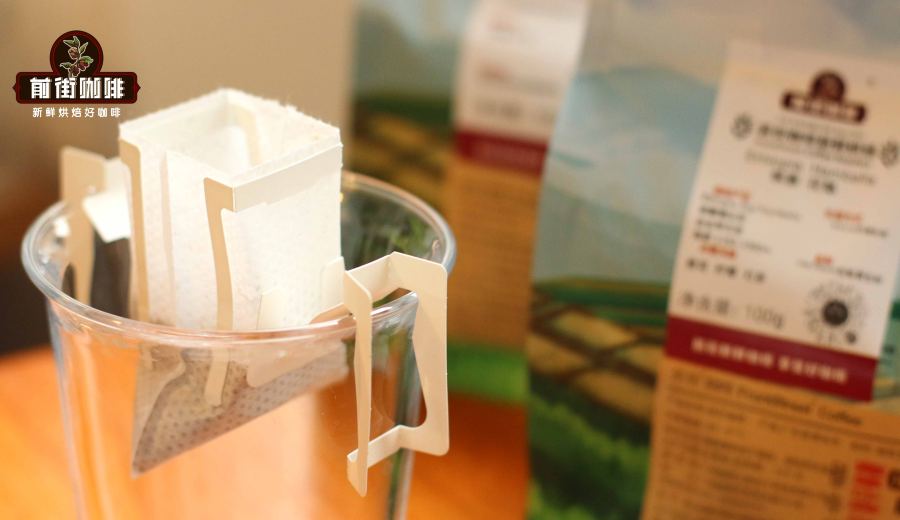
Introduction:Due to their convenience, drip bags have become a top choice for many people when enjoying coffee at home or on the go. However, brewing a well-balanced cup of drip bag coffee involves nuanced techniques — from water temperature control and coffee-to-water ratio to pouring methods. This article will walk you through the standard brewing process for drip bags, including blooming time and ideal water temperature range, and explore how to adjust your brew based on different flavor preferences. Additionally, we’ll offer expert advice on common questions such as whether you can add flavors or brew multiple times, along with creative ideas for reusing coffee grounds, to help you elevate your overall drip bag coffee experience.
Drip bags combine the convenience of instant coffee with the layered flavors of pour over coffee, making them perfect for outdoor activities like hiking, camping, or even daily commuting. But to brew an outstanding cup of drip bag coffee, there are actually quite a few details to pay attention to — including water temperature, coffee-to-water ratio, and pouring technique — all of which can greatly affect the final taste.
First, tear open the drip bag along the "OPEN" dashed line indicated on the packaging. Choose a cup with a not-too-wide rim to ensure the two “ears” of the drip bag can be securely placed over the cup’s edge. Then, fold the two “wings” outward and hang the drip bag stably on the rim.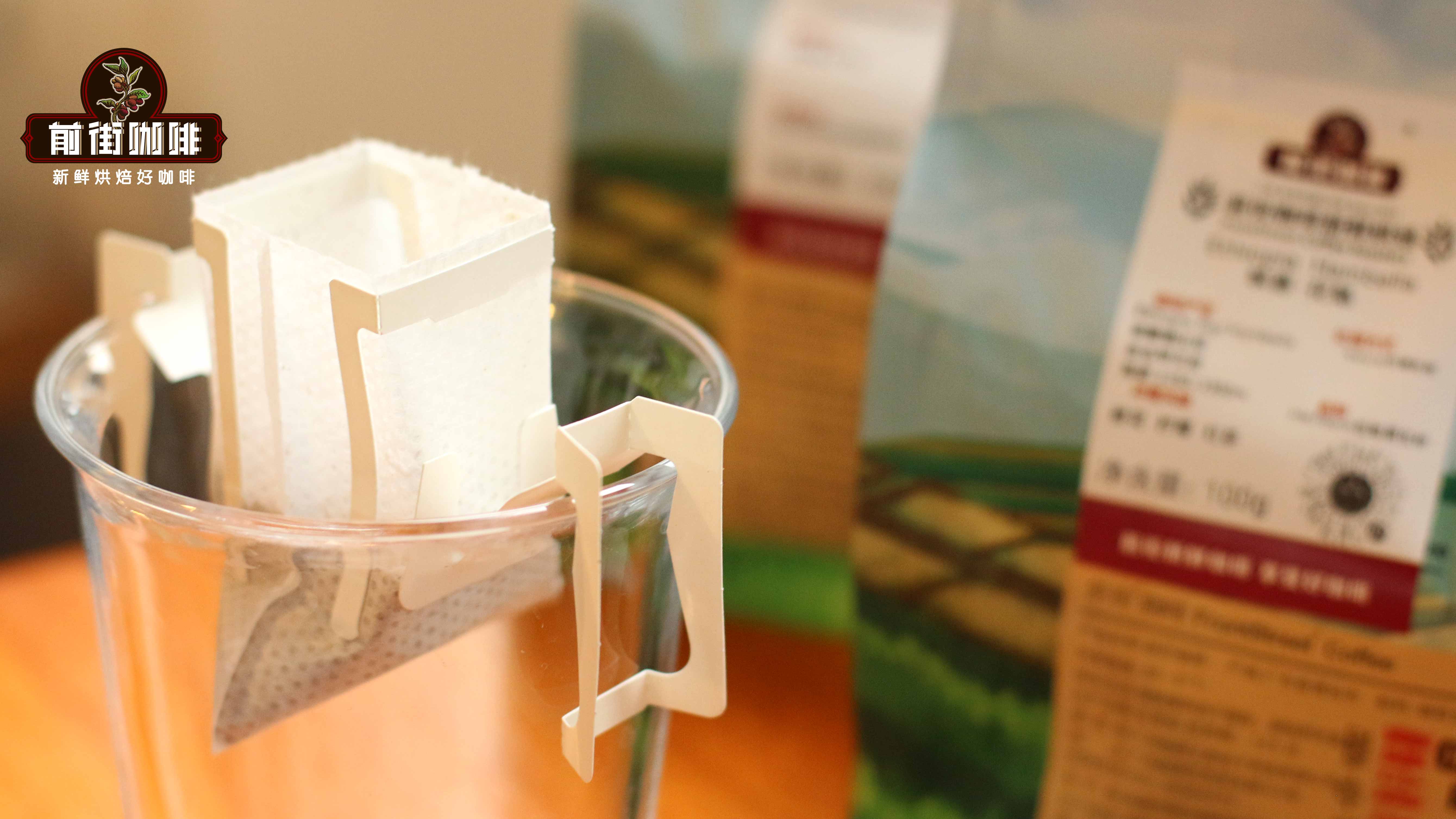
It is recommended to use hot water between 88°C and 93°C for brewing. The first step is to pour a small amount of hot water just enough to saturate all the coffee grounds, then let it bloom for about 15–20 seconds. This step helps fully awaken the aroma of the coffee grounds and lays a solid foundation for subsequent extraction.
After blooming, you can begin the main pouring. The generally recommended coffee-to-water ratio is 1:15. For a 10-gram coffee pack, the total water volume should be around 150 milliliters. If you prefer a stronger taste, you can reduce the water volume; if you like a lighter flavor, you can moderately increase the water. This ratio can be flexibly adjusted according to personal taste.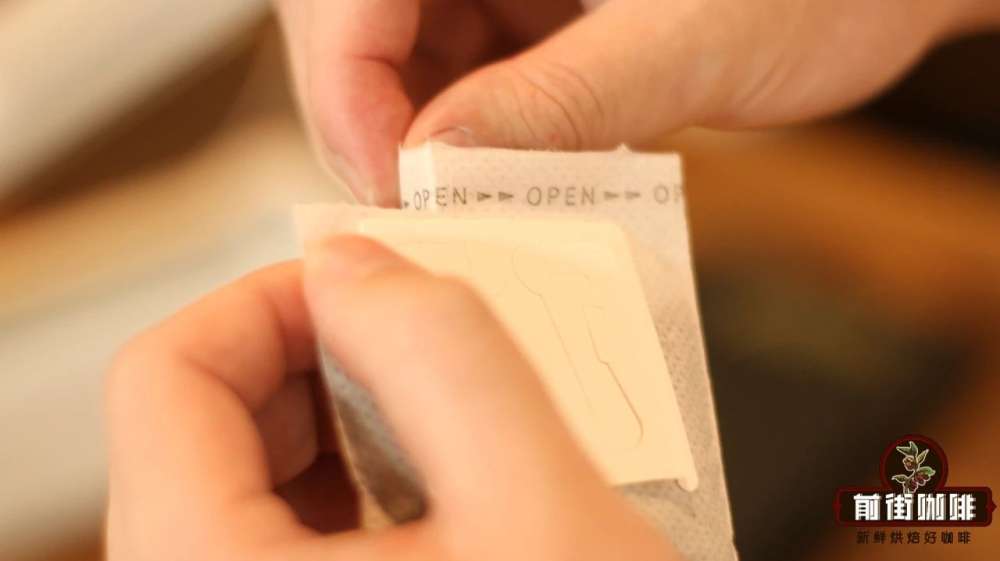
As for the pouring method, there’s no need to overcomplicate it. Use a fine stream of water and pour in a circular motion until you reach 150 milliliters. Drip bags are designed for simplicity, so you don’t have to pursue multi-step pouring to achieve good extraction results.
Once brewing is complete, simply remove and discard the drip bag. By this point, the brewed coffee has already revealed the inherent flavor characteristics of the beans. If you enjoy floral notes, you might choose a drip bag product with citrus or jasmine profiles; if you prefer bold fruitiness, sun-dried beans will bring a richer juiciness; and if you’re after a full-bodied and rich taste, dark-roasted Indonesian beans are usually a great choice.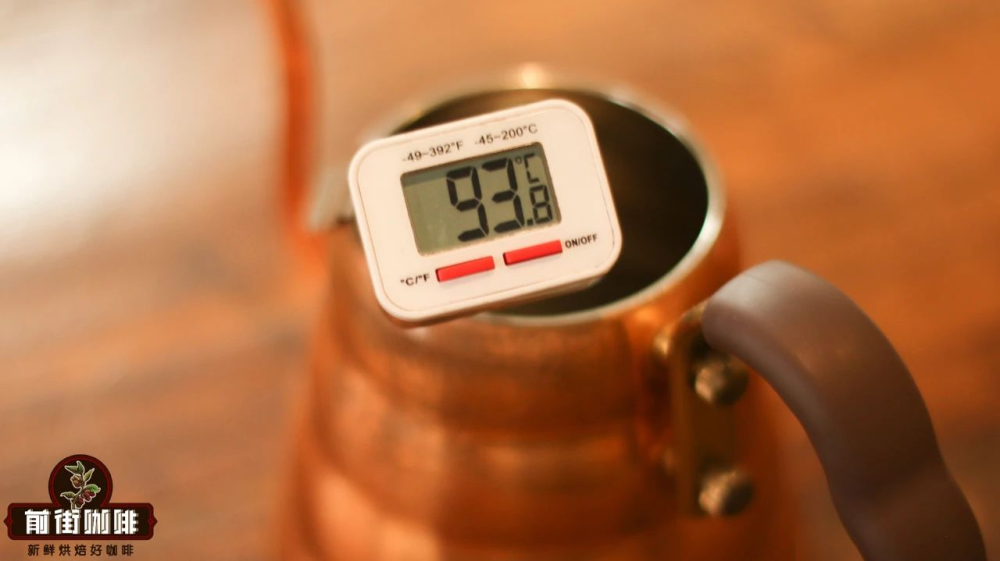
For those trying black coffee for the first time and who may not be accustomed to its slightly bitter taste, you can adjust it according to your preference by adding fresh milk, sugar, or honey. These additions can soften the intensity of the coffee, making the overall flavor smoother and more approachable.
Can you reuse a drip bag? Generally, it is recommended to brew only once. Most of the essential compounds in the coffee are extracted during the first brew, and a second brew not only yields an extremely weak flavor but may also produce noticeable astringency, failing to deliver a satisfying drinking experience. Therefore, a second extraction is not advised.
If you’re reluctant to simply throw away used coffee grounds, they actually have many potential reuse applications — for example, using them to absorb odors in the fridge, as a natural dehumidifier, or as an organic fertilizer for potted plants. These are all great eco-friendly ways to make use of them. Feel free to get creative and explore more clever uses for coffee grounds.
The above content is compiled by CoffeeHunters, a coffee news website.


