







Introduction:Gain an in-depth understanding of the operational principles and practical techniques of semi-automatic espresso machines, from high-pressure extraction to temperature control, with a comprehensive analysis of the key designs of professional equipment. This article also provides detailed brewing procedures, common parameter settings, and recommends espresso blends suitable for espresso, lattes, and Americanos, helping you consistently extract coffee with your desired flavor profile.
In the world of specialty coffee, semi-automatic espresso machines are essential tools for professional-grade enthusiasts. Through high-pressure extraction, these machines can release the essence of coffee beans in a short period of time, delivering a rich and multi-layered taste. This article will guide you from the basic principles, step by step mastering the operational logic of semi-automatic machines, boiler system designs, and detailed brewing processes, helping you understand how to achieve balanced and expressive coffee through correct operation and bean selection.
The most mainstream semi-automatic espresso machines on the market are typically equipped with high-pressure pumps that can steadily provide around 9 bars of extraction pressure, one of the key conditions for pulling espresso. In addition to pressure, the machine’s hot water and steam systems are also highly sophisticated. Some high-end models even feature dual or multiple boilers, dedicated separately to brewing and milk frothing, allowing for precise control of water temperatures for different purposes. For example, the optimal brewing temperature for espresso is generally between 92 to 96°C, while producing fine milk foam requires a higher temperature. The dual-boiler design ensures the two functions do not interfere with each other.
Operating a semi-automatic espresso machine requires certain skills and experience. Every step—from grind size, tamp pressure, to brew time and flow rate—can affect the final flavor. It is generally recommended to use medium to dark roasted espresso blends. These beans, due to their darker roast level, can release more caramel, nutty, and chocolatey notes, and help form a thick coffee crema. Beginners may want to avoid single-origin beans or very light roasts to prevent uneven extraction or overly sharp acidity.
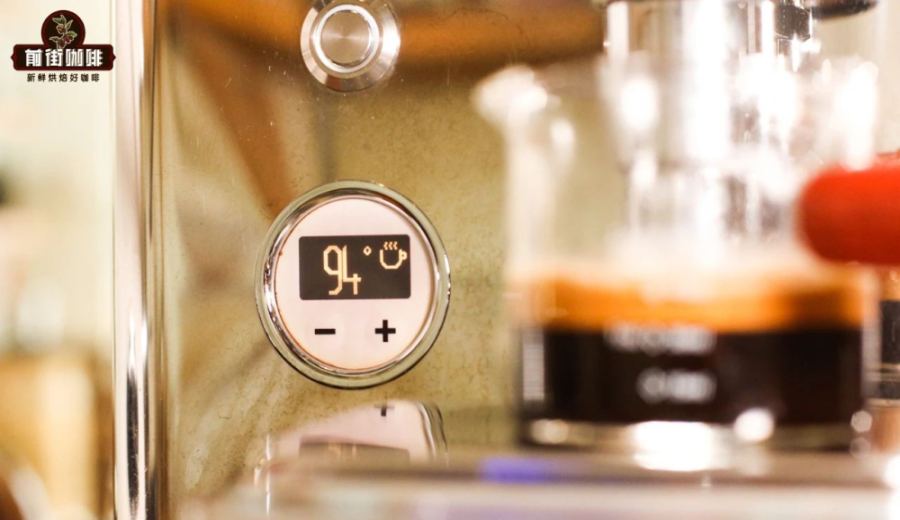
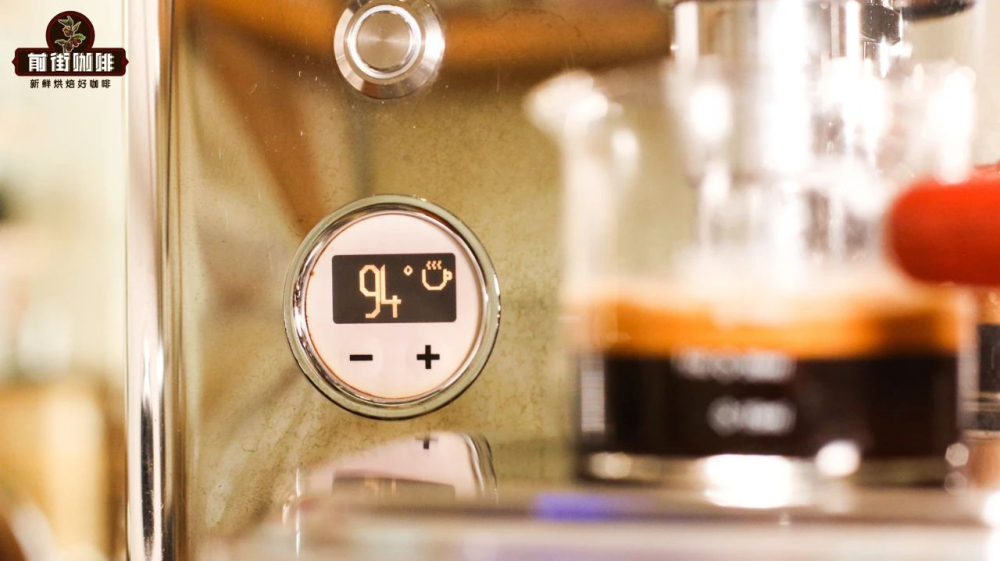
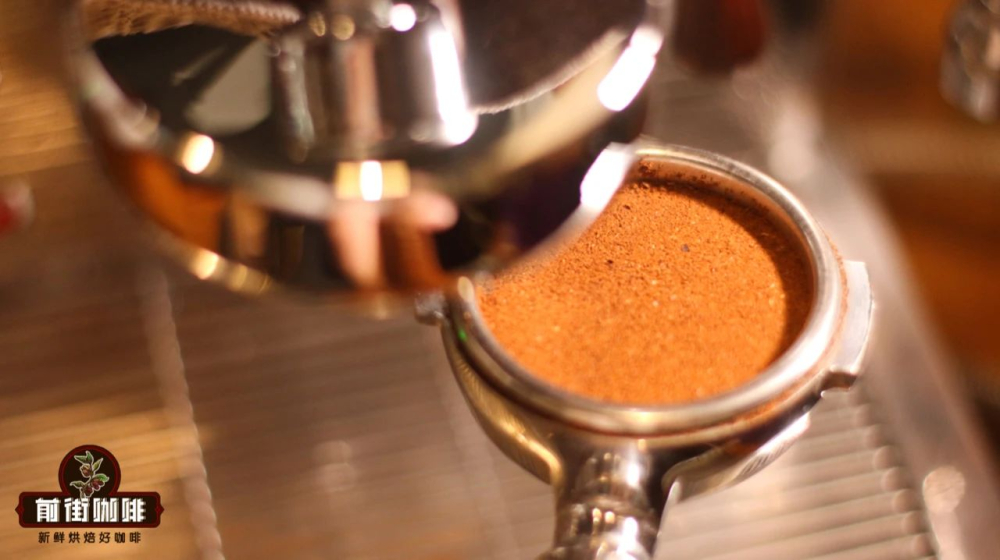
While the steps to pull an espresso shot may seem simple, each one hides subtle techniques. First, preheat the machine and wait until the temperature stabilizes at around 94°C before starting. Before loading the portafilter, ensure it is clean and free of leftover coffee grounds. Then, grind approximately 20 grams of double-shot coffee beans using the grinder, distribute them evenly with a WDT tool or distribution tool, and tamp them firmly and vertically with a tamper to ensure the puck is compact and stable. This step is key to extraction stability—too light or too heavy tamping can lead to channeling or under-extraction.
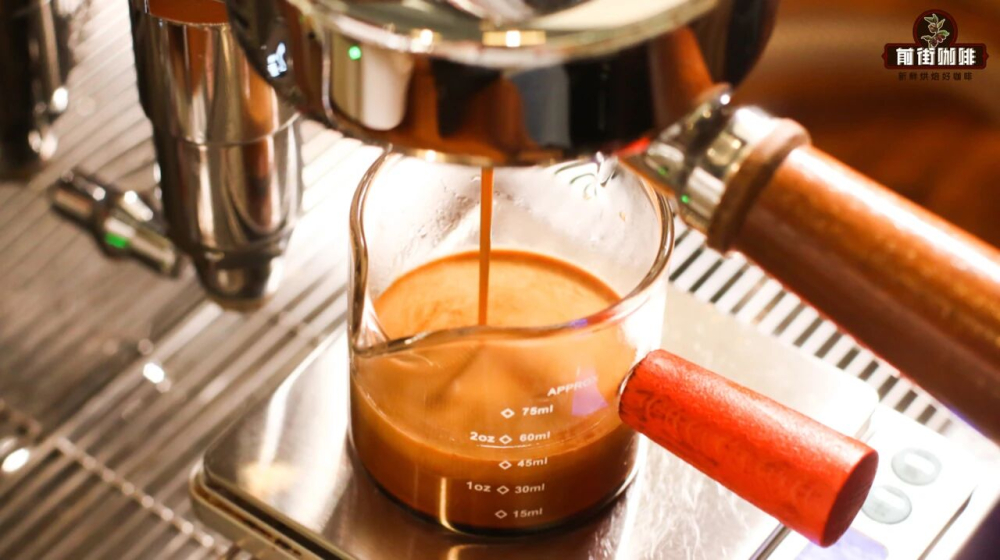
Before officially brewing, you can first run water for 1 to 2 seconds to pre-wet the group head. This not only preheats the components but also clears any residual coffee grounds. Place the preheated cup under the group head, reset the scale to zero, then steadily press down the handle and start the extraction. Observe the extraction: when about 40 grams of liquid has flowed out within 25 to 30 seconds, you can stop. This parameter range helps you achieve a balanced espresso, though adjustments may still be needed depending on the bean type, grind fineness, and ambient humidity.
To make a classic Americano, simply pour the freshly pulled espresso into about 200 to 250 milliliters of hot water. The ratio can be adjusted to personal taste, usually around 1:3 to 1:5. To make a latte, prepare a 300-milliliter cup, pour in the espresso first, then add about 220 milliliters of steamed fresh milk heated to 55 to 60°C. When steaming the milk, focus on creating a fine and velvety microfoam, which helps with latte art and improves the overall smoothness and layered mouthfeel of the drink.
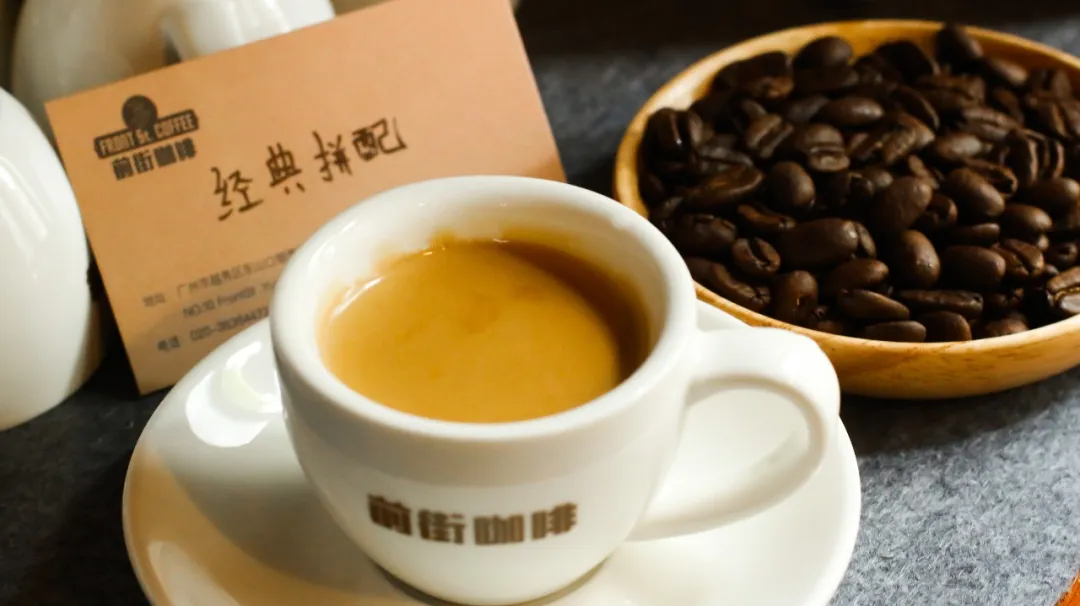
The choice of coffee beans has a decisive impact on the final flavor. For example, a certain classic blend and a commercial blend both use medium to dark roasts as their base. The former combines the characteristics of Brazilian and Mandheling beans, highlighting intense nutty and chocolatey notes; the latter focuses on various nutty aromas and adds a small amount of Robusta to enhance crema performance and color richness. Both blends are excellent for espresso bases and are daily favorites for many baristas.
If you prefer a sweeter and softer flavor profile, you can try a certain strawberry sugar espresso blend. This blend consists of three beans from different origins, featuring distinct rose floral notes, and reveals a complex layering of grape, dried blueberry, sweet orange, and fruit candy flavors after extraction. Whether used directly for espresso, or prepared as an Americano or latte, it delivers a unique fruity sweetness, making it perfect for coffee lovers who enjoy innovative flavor experiences.
It’s important to note that even with identical settings, slight daily variations in environmental humidity, bean freshness, or grind consistency can affect extraction results. Therefore, it’s recommended to regularly review and fine-tune parameters such as coffee dosage, grind size, and brew time to ensure every cup maintains consistently high quality. By mastering these fundamental principles and practical details, you too can use a semi-automatic espresso machine at home or in a small shop to reliably pull professional-grade espresso.
The above content is compiled by CoffeeHunters, a coffee news website.


