







Introduction:Indonesia is one of the world’s most renowned high-quality coffee origins, known for its diverse terrain and unique processing methods. This article will provide a detailed introduction to the growing environments, processing techniques, and flavor profiles of three core producing regions—Sumatra Mandheling, Java, and Sulawesi Toraja—and help you understand their subtle differences, as well as master the key points for selecting and brewing these distinctive coffees.
This equatorial archipelagic nation, composed of over 17,000 islands, lies within the tropical rainforest climate zone. Its active volcanic landscape contributes to fertile soil, creating an ideal environment for coffee cultivation. Among its many producing areas, Sumatra Mandheling, Java, and Sulawesi Toraja are the three most representative regions in Indonesia, each showcasing distinctly different flavor profiles.
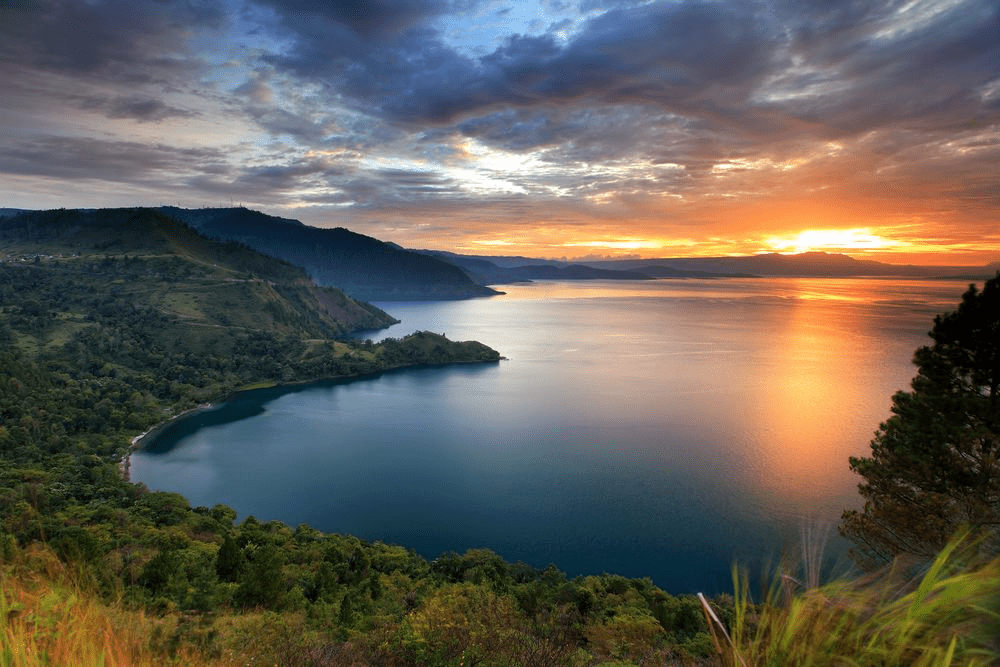
Sumatra Mandheling coffee is renowned for its full body, low acidity, and unique aromas of spices, herbs, and woody notes, particularly from the Lintong and Lake Toba regions. Smallholder farmers here mostly use the semi-washed process, also known as "wet hulling (Giling Basah)." This method results in a richer coffee flavor but also carries certain processing risks, such as the beans being prone to cracking. The Lintong region sits at an altitude of about 1,200 to 1,500 meters, and the Mandheling produced there is widely praised for its heavy body and deep aftertaste.
"Golden Mandheling" is an even more carefully selected product, sourced from the Lintong area. It emphasizes hand-picking of ripe cherries only, along with multiple rounds of manual sorting and meticulous processing, resulting in a more balanced and refined flavor—it is the top-tier representation of Mandheling.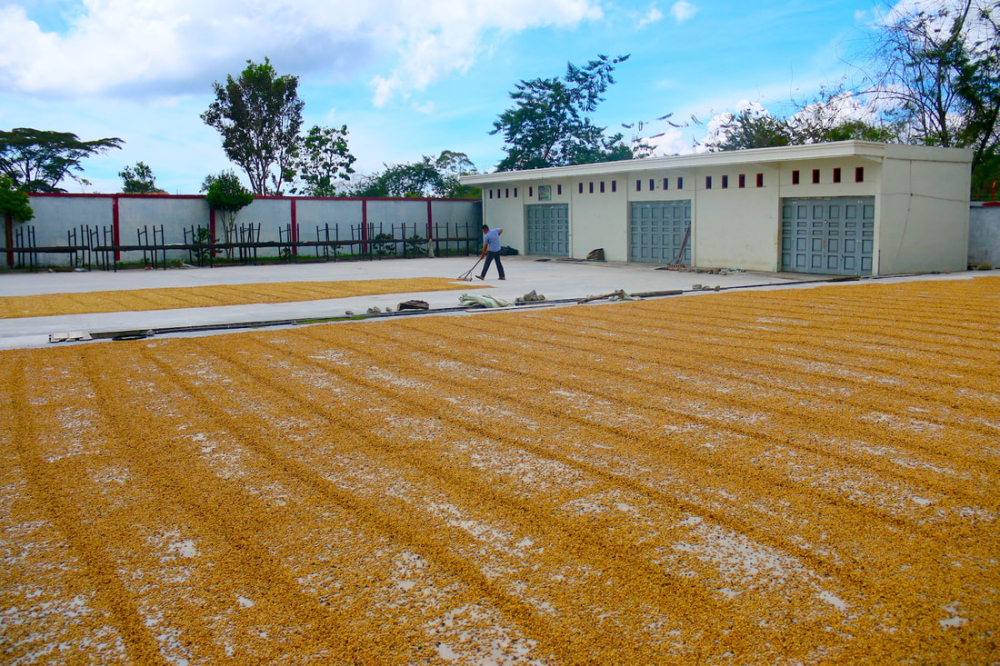
Java Island has a long history of coffee production and was the first region in Indonesia to cultivate Arabica coffee. Java coffee is mostly produced on large estates and primarily uses modernwashed processingmethods. The main variety is S795 (locally called Jember), a high-quality cultivated Arabica variety. Java coffee typically features low acidity, delicate mouthfeel, good balance, and refined aroma, making it the most “mild and elegant” among the three major regions. Well-known producing areas such as Blawan, Jambit, and Pankur are located in eastern Java and were historically famous for exporting the “Java Mocha” blend.
The Toraja region on Sulawesi Island is another uniquely distinctive Indonesian coffee representative. This area features rugged terrain and altitudes of about 1,200 to 1,800 meters, with an extremely small annual output of just around 1,000 metric tons, mainly grown in the highland areas of Tana Toraja. Toraja coffee is mostly processed usingwashed or semi-washed methods, and its flavor profile highlights brighter acidity, rich fruit notes, and clear layers. It contrasts with the heaviness of Mandheling while offering delicate floral notes and a strong caramel sweetness. Although the coffee yield in this region is low, the quality is stable, making it an excellent choice for those seeking high-flavor, characterful beans.
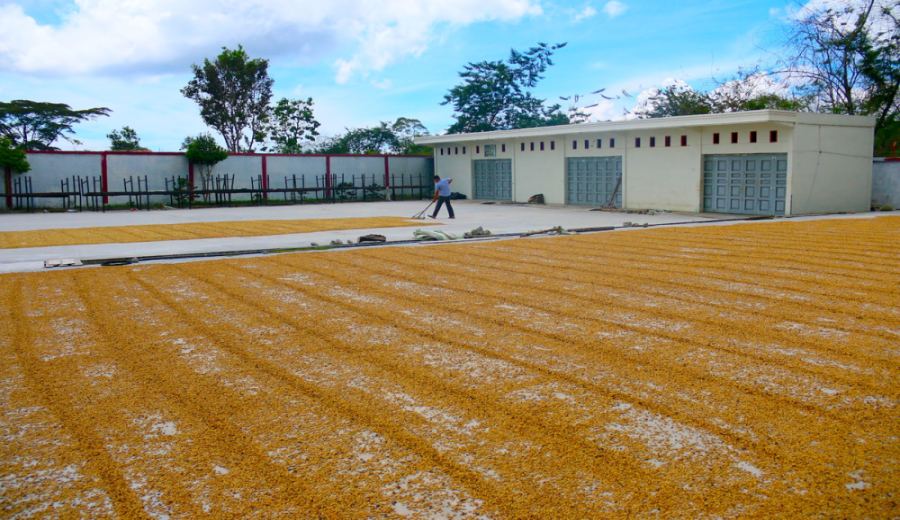
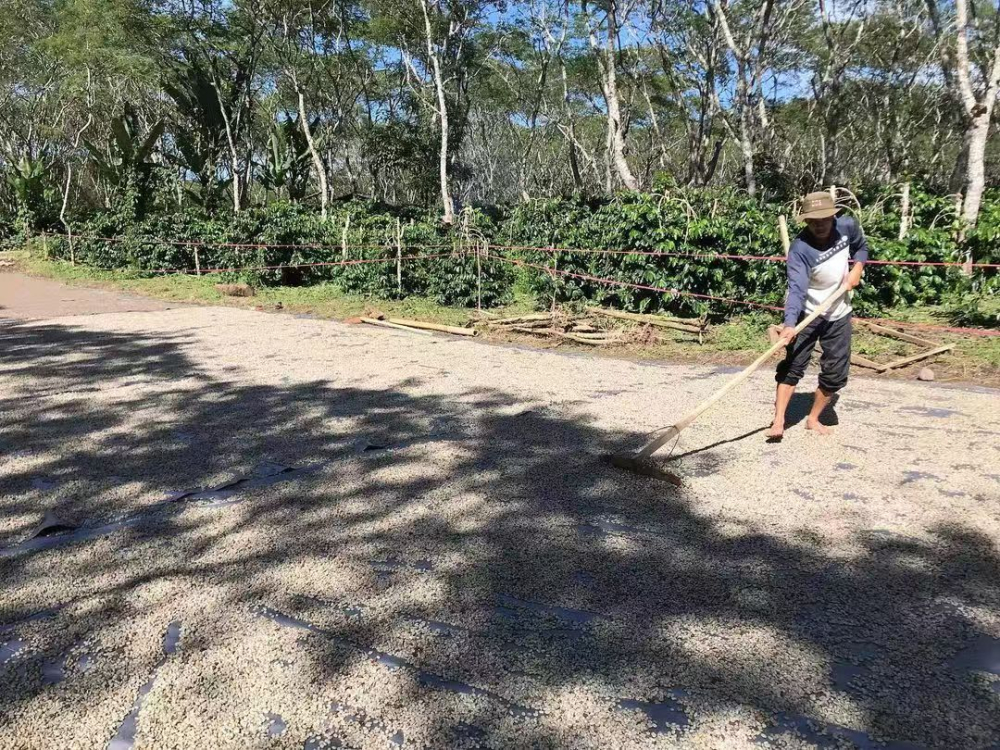
In terms of processing techniques, due to Indonesia’s humid climate and frequent rainfall, the country has developed a uniquewet hulling (Wet Hulling)method. This approach involves briefly fermenting the coffee after removing the skin and pulp, then drying it to a moisture content of approximately 30% to 50%, followed by removing the parchment layer, and finally continuing to sun-dry it to the target moisture level. This method significantly shortens the drying time but can also make the beans more susceptible to damage, such as forming hoof-like cracks, while increasing the risk of mold infection. Therefore, environmental control and technical proficiency during processing are crucial.
Indonesian green beans are also graded from G1 to G6 based on defect rates,with G1 being the highest grade, requiring fewer than 11 defects (based on a 300g sample), while G6 allows for up to 225 or more defective beans. Specialty coffee typically selects G1 or G2 grades to ensure purity and consistency of flavor.
In addition to commonly available fresh crop beans, Indonesia also produces some specialty beans with aged characteristics. For example, "Aged Mandheling" involves storing green beans for 2 to 3 years and regularly turning them in a controlled constant temperature and humidity environment, allowing the flavors to gradually transform. The acidity decreases, the body becomes richer, and the final profile takes on a rounded, woody character reminiscent of Pu’er tea, with aromas of pine, herbs, and cocoa. It is an unmissable choice for coffee lovers who enjoy deep, bold flavors.
Additionally, "Tiger Mandheling" comes from the Aceh region, grown at an altitude of about 1,500 meters and processed using the wet hulling method. The varieties include Catimor, Typica, and Sidikalang. Its flavor profile is relatively bright, featuring notes of cream, dark chocolate, and nuts, with a clean taste and good balance—suitable for those who prefer medium body and a smooth, mellow finish.
Meanwhile, in the Tiga Raksa mountainous area of Java Island, there is the West Java coffee known for itshoney process (Honey Process). Grown at altitudes between 1,400 and 1,600 meters, this method retains part of the mucilage layer, allowing the coffee to accumulate more sweetness and fruity flavors during drying. The final cup delivers distinct notes of tropical fruits, plums, and jackfruit, with a sweet, clean taste and a long-lasting aftertaste. It is highly suitable for pour over or premium cold brew selections.
In summary, Indonesia’s three major regions—Sumatra Mandheling, Java, and Sulawesi Toraja—each have their own distinctive features and noticeable flavor differences. Whether you prefer bold, full-bodied, low-acid coffee or seek complex, fruit-forward specialty beans, you can find a matching choice in Indonesian coffee. Understanding their origin background, processing methods, and roast suitability will help you select and brew more precisely, allowing you to fully enjoy the diverse charm of Indonesian coffee.
The above content is compiled by CoffeeHunters, a coffee news website.


