







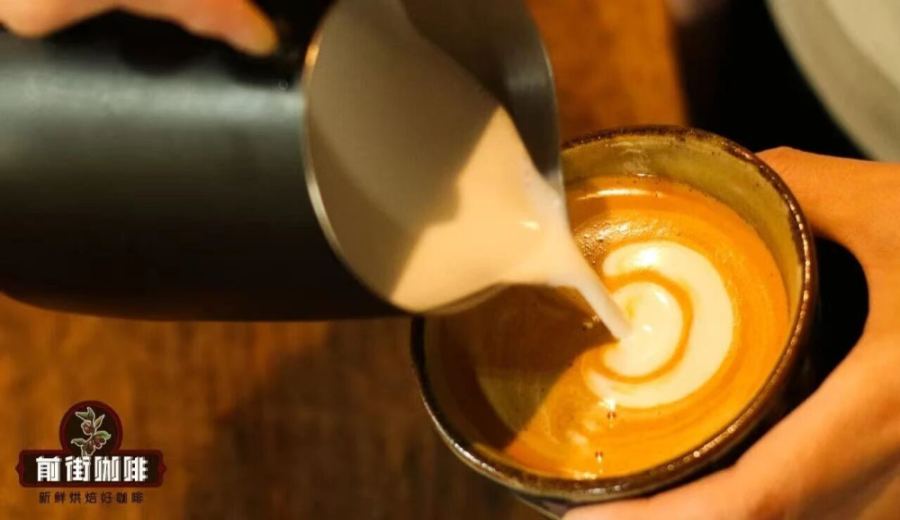
Introduction:Want to enjoy professional-level coffee at home but don’t know where to start? This article provides an in-depth analysis of the six key differences between fully automatic and semi-automatic espresso machines — from ease of use, time investment, space requirements, to flavor performance — helping you make the most suitable choice based on your lifestyle and budget. It also includes essential coffee bean pairing tips for beginners and solutions to common extraction issues.
As specialty coffee culture becomes more popular, an increasing number of coffee enthusiasts are setting up their own personal coffee corners at home. Faced with the various models of fully automatic and semi-automatic espresso machines on the market, many beginners often struggle to choose. Which type of machine better suits your daily needs? Beyond the basic functional differences, what other practical details are worth paying attention to? The following explores the characteristics of both types of machines from real-life usage scenarios.
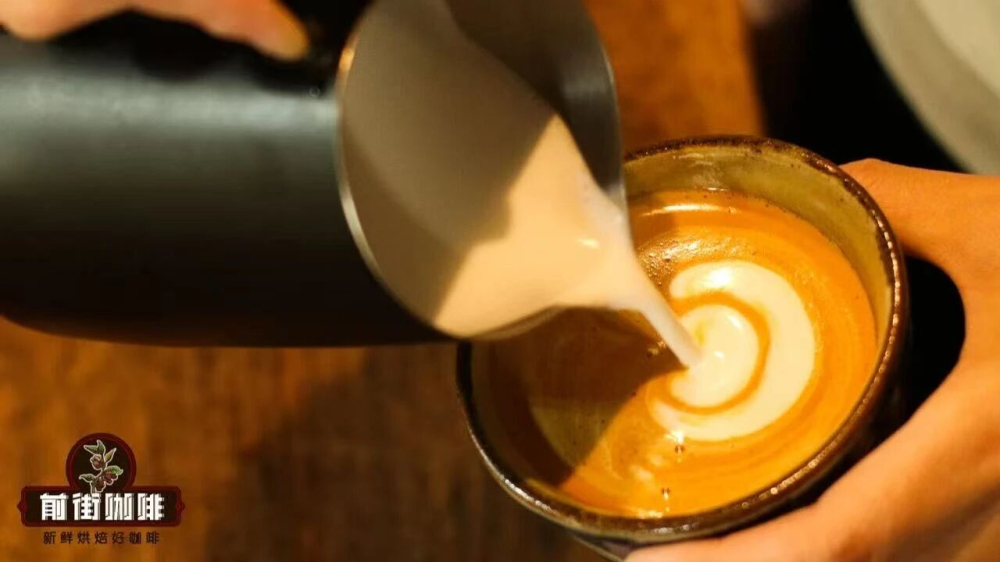
Modern people’s reliance on coffee is growing day by day. Whether it’s students rushing to finish reports or office workers preparing for meetings, a shot of espresso can quickly boost focus. But frequently buying coffee outside not only takes time and money, the quality is also hard to control consistently. Investing in a suitable home espresso machine not only saves you the daily queue time, but also allows you to adjust extraction parameters according to your personal taste, achieving a more satisfying flavor experience.
The choice of espresso machine mainly falls into two categories: fully automatic and semi-automatic. These two types of machines differ significantly in operation process, learning curve, and the final texture of the coffee produced.Space configuration and budget planning are the two primary factors to consider first, and it’s recommended to measure the intended placement area in advance and evaluate your daily coffee consumption.
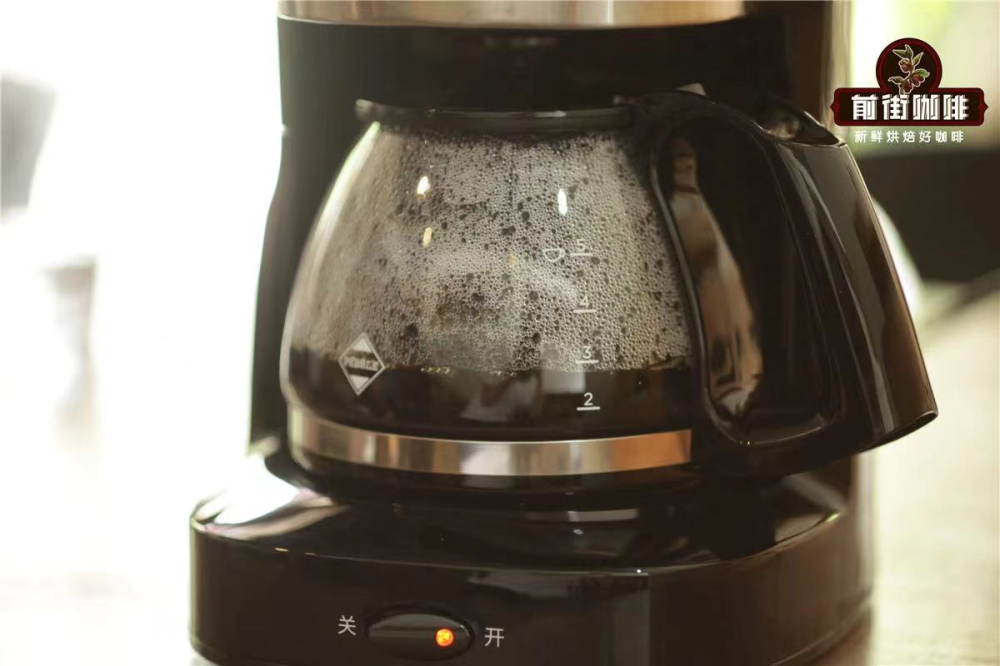
The highlight of semi-automatic coffee machines lies in retaining the hands-on involvement of traditional brewing. Users need to manually adjust the grind size, tamp the coffee with the right amount of pressure, and control the extraction time — all crucial steps. This type of machine is especially suitable for enthusiasts who want to dive deeper into the art of coffee. Not only can you brew standard espresso, but by pairing it with a milk frother, you can also practice latte art and achieve a full coffee experience from Espresso to Cappuccino. It’s important to note,stable grind consistency and appropriate tamping pressure are two key factors that determine the success of extraction.
In contrast, fully automatic coffee machines offer an all-in-one solution — from automatically grinding beans from the hopper, precise dosing, to completing the entire extraction process automatically. This type of machine is particularly suitable for users with busy lifestyles or those who have little interest in adjusting coffee parameters. Simply select the corresponding function key, and the machine will complete all steps according to its built-in program. Some high-end models even come with a built-in milk steam wand, capable of making a variety of specialty coffee drinks.
For beginners just getting into espresso, it’s recommended to start with blends that produce stable crema. Classic blends and commercial blends, which mix specific ratios of Robusta beans, can create a richer and more persistent crema layer — this is extremely helpful for beginners when assessing extraction status.Appropriate roast level and freshness are important factors in maintaining consistent flavor, and it’s recommended to choose medium to dark roast beans within 2–4 weeks of roasting.
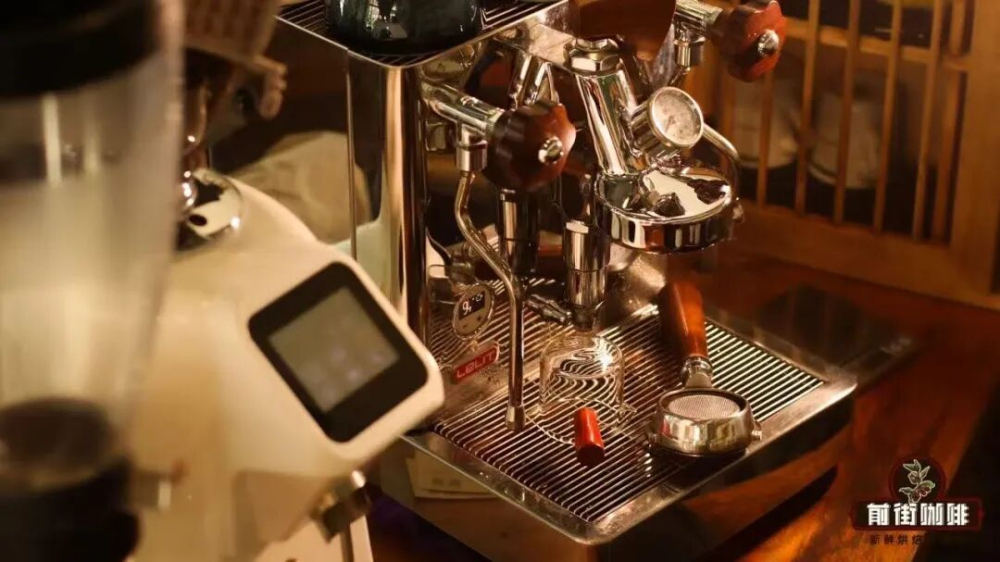
If you prefer a milder taste, you can try special blends with fruity flavor profiles. For example, an espresso base with strawberry candy notes — its unique berry-like sweet-and-sour taste with hints of rose aroma — can soften the intense bitterness typically associated with traditional espresso. It’s worth noting,the moisture content of beans can vary by season, which may affect extraction time; it’s advisable to fine-tune the grind size based on actual flow rate.
No matter which type of machine you choose, regular cleaning and maintenance are essential to ensure coffee flavor. Especially for fully automatic machines, it’s recommended to thoroughly clean the steam wand after each use and descale according to the manufacturer’s suggested schedule. Semi-automatic users should pay special attention to the evenness of the tamp — over-tamping can lead to channeling, which affects extraction uniformity.
The above content is compiled by CoffeeHunters, a coffee news website.


