







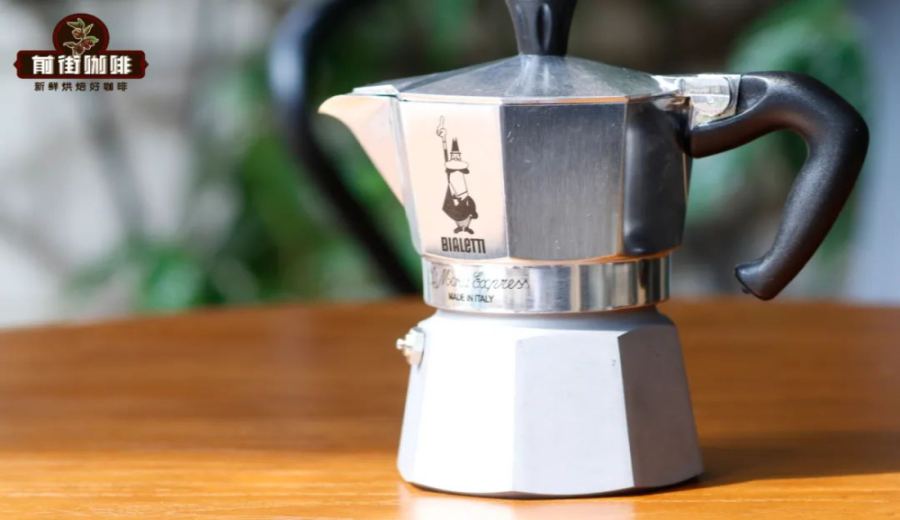
Introduction:Want to brew coffee at home with a flavor close to that of a café? Both the Moka pot and semi-automatic espresso machines are common choices, but they differ significantly in pressure, crema production, and usage scenarios. This article will delve into their historical backgrounds, operating principles, and ideal user profiles, helping you choose the most suitable coffee brewing tool based on your needs and budget.
The Moka pot and semi-automatic espresso machine are both pressurized brewing tools, but their purposes are quite different: the former is loved by home users for its simple operation and affordable price, while the latter is the standard equipment in professional cafés. The Moka pot originated in 1933, designed by Italian inventor Alfonso Bialetti. With its compact design and high cost-performance ratio, it became a staple for making coffee in Italian households. In contrast, the semi-automatic espresso machine evolved from steam-based devices dating back to 1885, until the launch of the FAEMA E61 in 1961, which established the core design of modern espresso machines, enabling more stable and professional-level extraction. Understanding their operating logic and features can help you find the best home coffee solution.
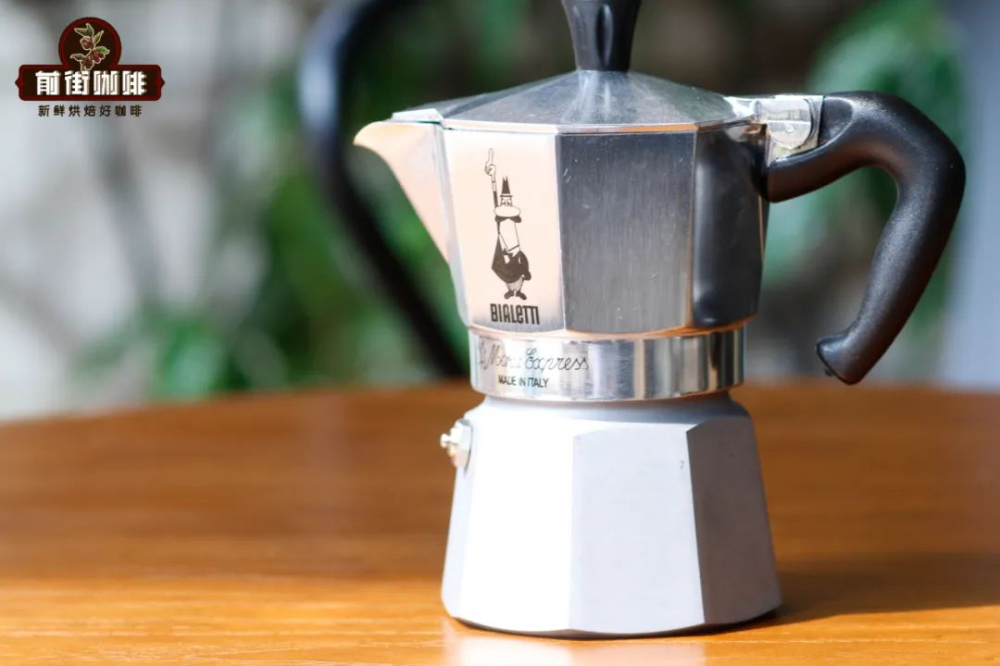
The Moka pot is not only a historic coffee brewing device but also one of the symbols of Italian culture. Before espresso became widely popular, the Moka pot was the primary tool many families used to brew concentrated coffee. Even in the era of specialty coffee, where pour overs, siphons, and high-end machines have become favorites, the Moka pot still stands out with its convenience, allowing users to easily enjoy an intense coffee flavor similar to espresso at home. Although its pressure is not as high as that of professional machines—making it difficult to fully extract rich crema (coffee oils)—its compact size and intuitive operation make it easy to use without requiring specialized skills.
This classic brewing tool was born in 1933, invented by Alfonso Bialetti, a craftsman originally engaged in aluminum processing. A native of Italy, Bialetti applied aluminum welding technology to coffee tool design and, after multiple refinements, finally launched the Moka pot in 1933. Initially, the market response was lukewarm, but production gradually increased after World War II. In 1946, his son Renato took over the business, and through continuous design optimization and marketing strategies, he successfully brought the Moka pot into the homes of Italians. In 1953, the brand launched its iconic “mustache” logo along with widespread promotions, making the Moka pot a standard coffee brewing tool in Italian households. To date, global cumulative sales have reached nearly 280 million units.
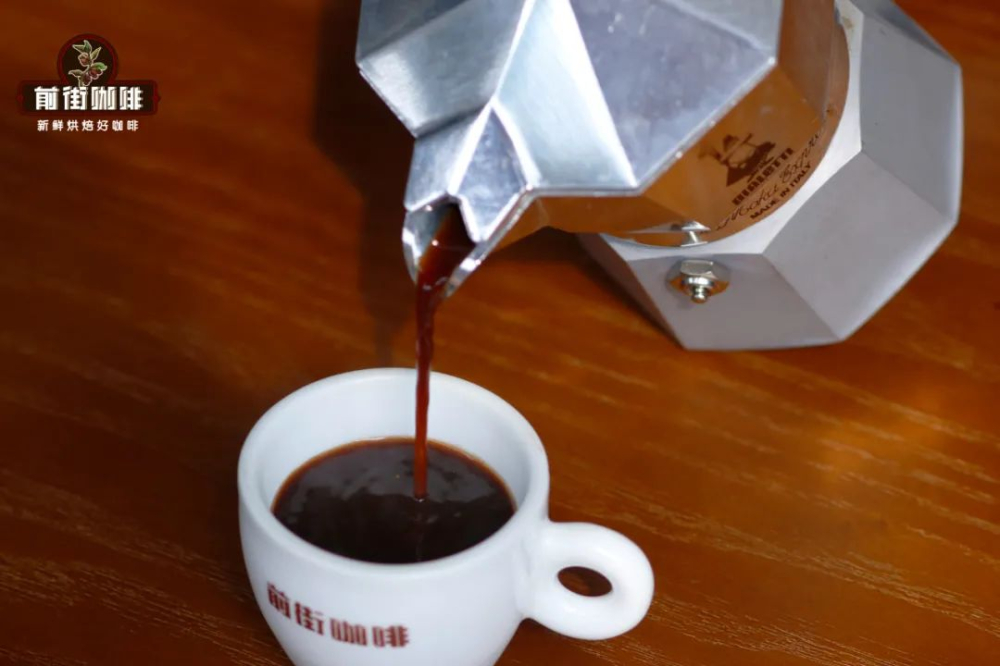
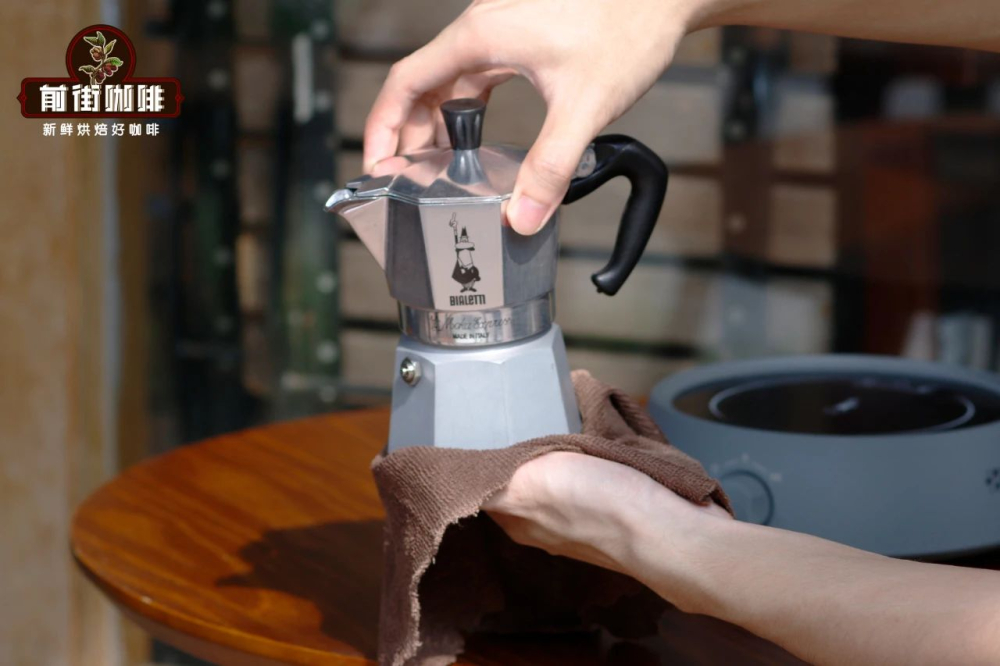
The structure of the Moka pot is simple, mainly consisting of an upper chamber and a lower chamber. To use it, fill the lower chamber with hot water, place it over a heat source, and as the water heats up and evaporates, it generates pressure that forces the water through a filter filled with ground coffee in the middle, ultimately collecting in the upper chamber as espresso. While this pressurized method isn’t as precise as modern machines, it still produces a strong, flavorful coffee liquid, suitable for users who enjoy classic espresso-style taste.
The history of commercial espresso machines dates back to 1885 when a steam-powered coffee machine claiming to produce ten thousand cups a day was first unveiled at an exhibition in Paris. Although its
Semi-automatic espresso machines are primarily used in professional settings such as cafés. Their stable extraction system and precise temperature control are key to producing high-quality espresso. In contrast, the moka pot is mainly designed for home use. With its simple operation, affordable price, and easy storage, it has become the go-to choice for many coffee enthusiasts just starting out. If you’re after rich crema, complex aromas, and are willing to invest time in mastering extraction techniques, the semi-automatic machine is the better option. However, if you simply want to enjoy freshly ground coffee at home occasionally without breaking the bank, the moka pot is an ideal low-cost, high-value solution.
When selecting coffee beans, both brewing methods rely on pressurized extraction, meaning they have similar requirements for roast level and bean freshness. It’s recommended to choose professionally roasted medium-to-dark espresso blends, which can more effectively bring out intense flavors and stable crema. For example, a classic blend from a certain brand combines Brazilian, Mandheling, and a small amount of Robusta beans, roasted to a medium-dark level. It offers notes of butter, toasted bread, and caramel, with a solid body and fine crema—perfect for beginners. If you prefer fruitier profiles, consider a medium-roast strawberry syrup espresso from a certain brand. This blend features honey-processed Costa Rican beans and Ethiopian beans, complemented by Colombian beans. It produces a rich crema and smooth texture, with a sweet-and-sour balance reminiscent of strawberry taffy—ideal for those who enjoy fruity flavors.
The above content is compiled by CoffeeHunters, a coffee news website.


