








Introduction:The Moka pot is the go-to starter for many households diving into espresso-style coffee. This classic Italian brewing device has gained widespread popularity due to its simple operation and bold flavor. This article takes an in-depth look at the history, working principle, and practical usage of the Moka pot, analyzing its strengths and limitations while offering specific recommendations based on different roast levels. It also includes five practical bean selections to help you brew rich, crema-covered coffee with the right technique.
The Moka pot has once again captured attention with the launch of a new pressurized design by an Italian brand. What’s the allure behind this iconic coffee tool often considered a must-have in Italian households? This article explores its origins and material evolution, delves into its steam-pressure extraction mechanism, and objectively evaluates its pros and cons in terms of ease of use and extracted flavors. We’ll then walk through the correct steps for using a Moka pot, covering key techniques such as water volume, grind size, coffee bed packing, and heat control. Professional advice is also given on the ideal roast level, along with recommended bean blends—including Red Bourbon, Huila, Mandheling, classic blends, and commercial blends—to help you easily brew bold, crema-rich coffee at home.
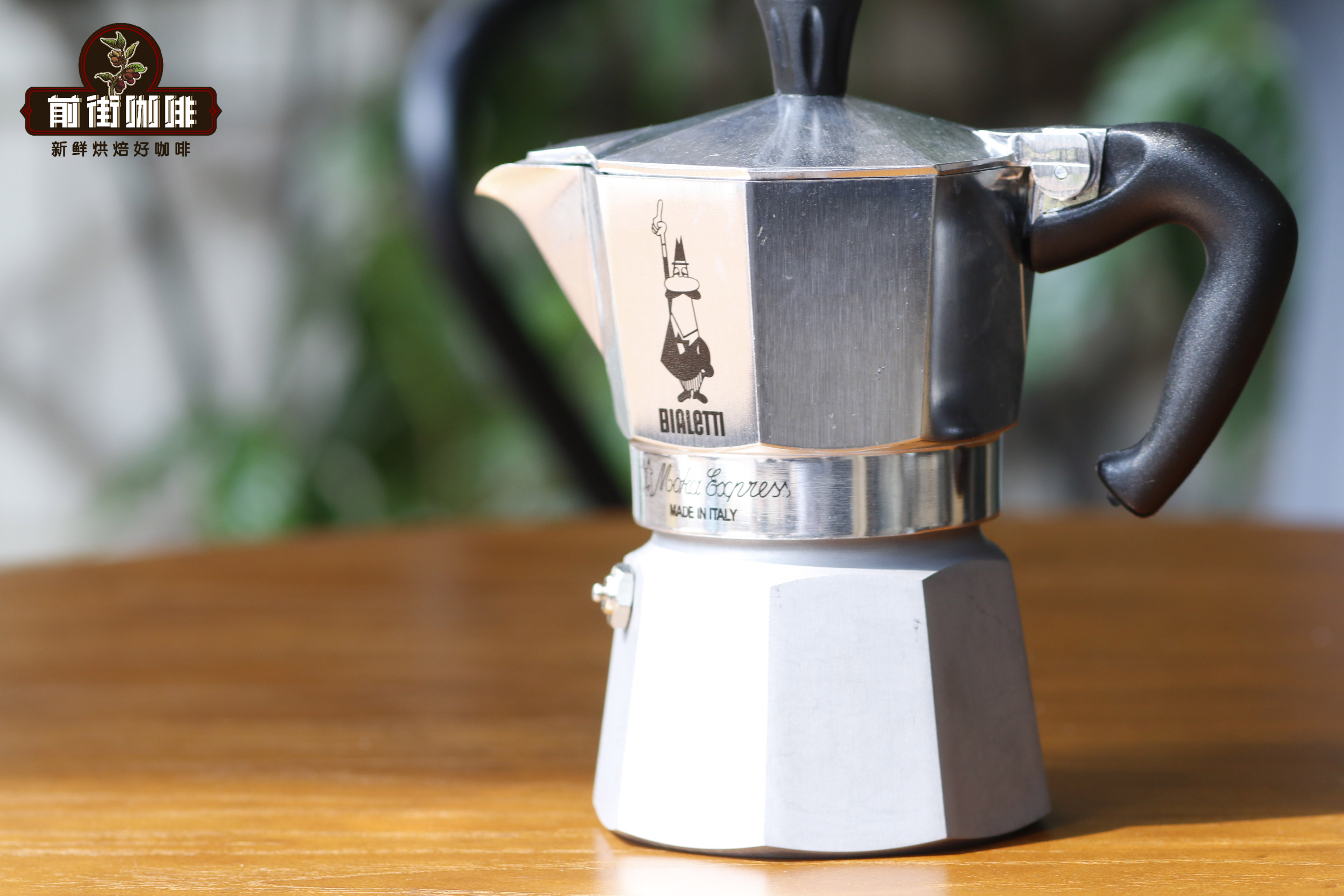
With the release of Bialetti’s new generation of pressurized Moka pots, this classic brewing tool has returned to the spotlight. While many still associate the Moka pot with its traditional design, mastering a few tricks can allow it to produce espresso-level coffee reminiscent of café-quality brews. Let’s get to know this Italian household essential from the ground up.
The Moka pot was invented in 1933 by Italian engineer Alfonso Bialetti. Early models were mostly made of aluminum, not only prone to scratching but also limited to stovetop heating and incompatible with induction cooktops. As a result, most Moka pots on the market today are made from stainless steel—more durable and flexible for various heating sources.
The working principle of the Moka pot is actually quite straightforward: heating the lower chamber generates steam pressure. Once the pressure builds up enough to push through the coffee grounds, it forces the hot water upward into the upper chamber. This pressurized extraction method results in a bold, rich coffee with balanced acidity and bitterness, often accompanied by a layer of fine coffee crema.

The greatest advantage of the Moka pot lies in its compact size and intuitive operation—even users with no prior coffee experience can quickly get the hang of it and brew aromatic coffee with golden crema. However, it does have clear limitations: compared to the nuanced layers of pour over or the precision finesse of espresso machines, the Moka pot offers a more uniform and less complex flavor profile, which limits its presence in high-end cafés. But as a daily home brewing tool, it’s undoubtedly a high-value choice.
So, how do you brew a great cup of coffee with a Moka pot? You’ll need: the Moka pot itself, a gas stove (or induction cooker), a grinder, water, and fresh coffee beans—the most critical element.
When selecting coffee beans, since the Moka pot’s extraction method is similar to that of espresso, it’s best to choose beans with bold flavors and full body. Additionally, pressurized extraction tends to bring out coffee oils, so medium to dark roasted beans are recommended to fully showcase their rich characteristics. Here are some popular bean recommendations suited for Moka pot brewing:
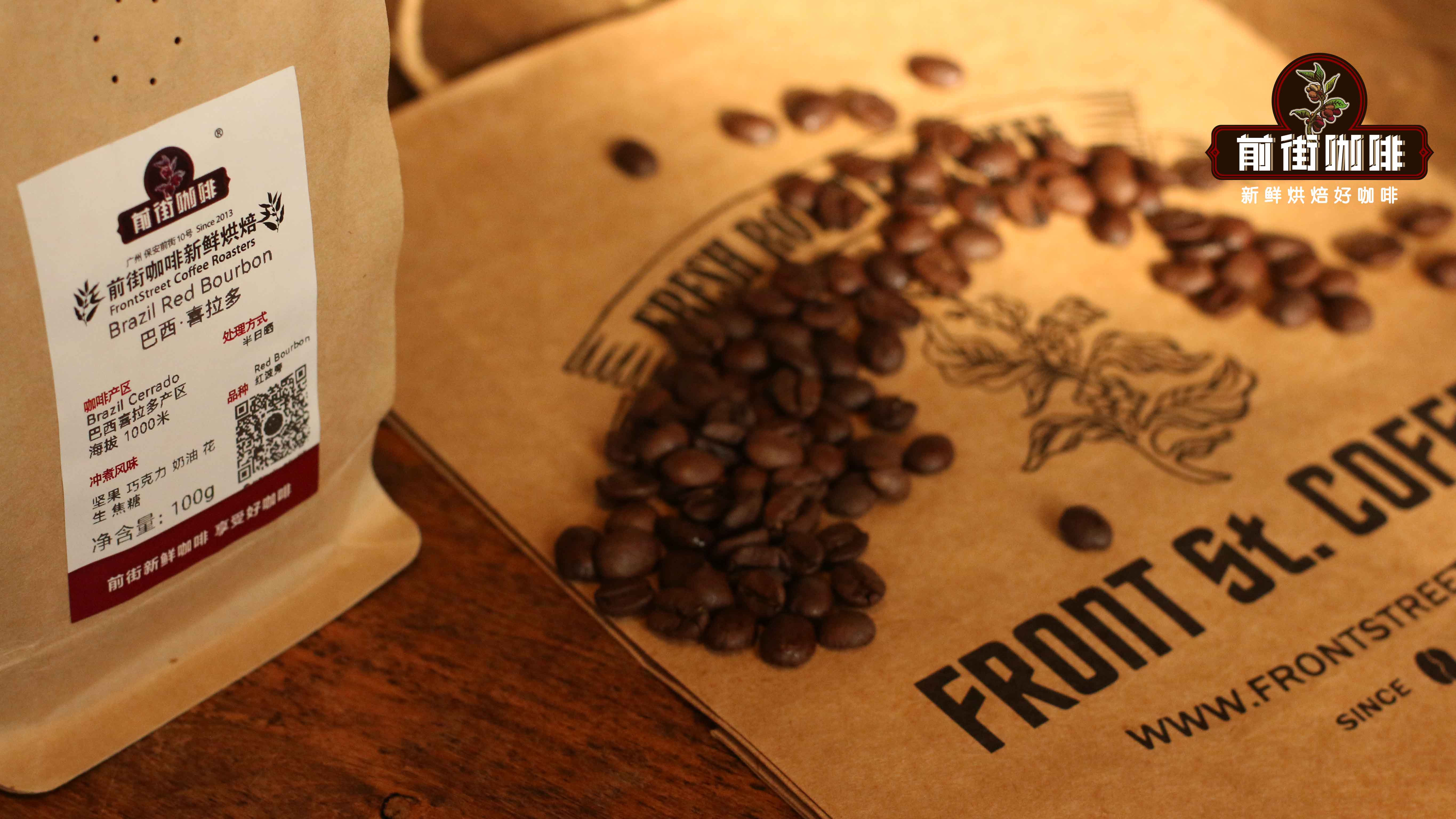
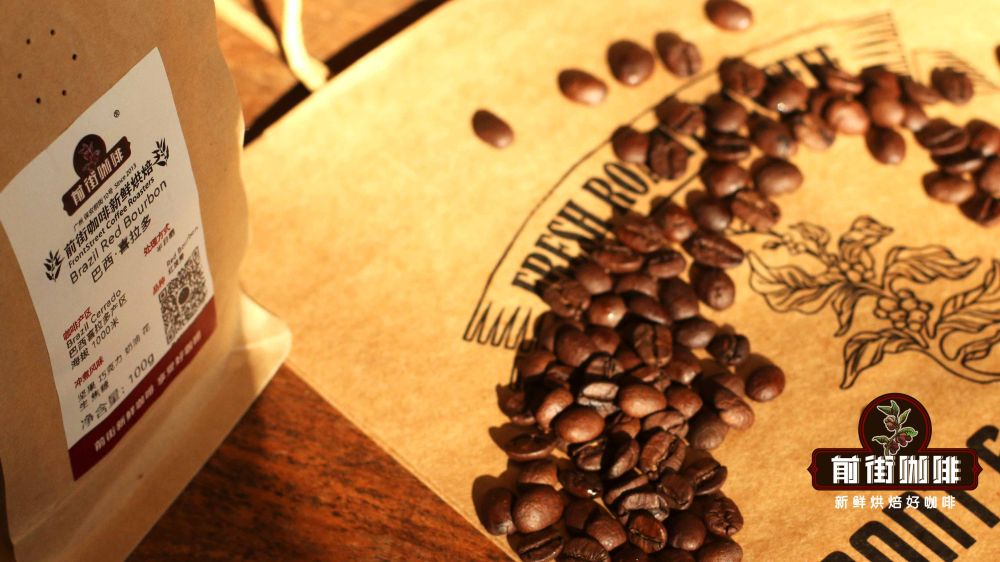
① Brazilian Red Bourbon Coffee (South America): This bean has a neutral flavor profile, moderate acidity, and distinct nutty notes, with a well-balanced taste. It’s perfect for Moka pot extraction and can also be used in milk-based drinks like lattes for a smooth, rich flavor.
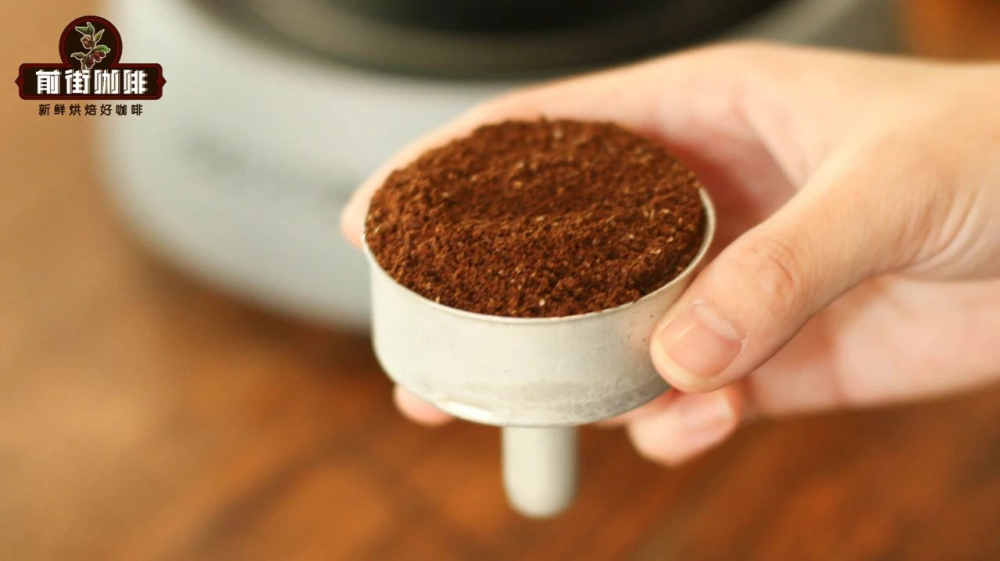
② Huila Coffee: Known for its solid and full-bodied mouthfeel, pleasant acidity, and rich aroma with noticeable sweetness, it’s recommended to use a dark roast to highlight its layered fragrance.
③ Mandheling Coffee: Features unique herbal and spicy notes, typically processed with deep roasting. Bitter with a sweet finish, Moka pot extraction emphasizes its caramel aroma and strong taste.
④ Classic Blend Coffee: A dark roast blend that fully releases the rich essence of coffee and easily extracts fine crema. Suitable for making Americano, latte, or various specialty drinks, it offers excellent cost-performance.
⑤ Commercial Blend Coffee: Also a dark roast, it replicates café-grade flavor profiles with abundant crema. Whether for Americano or latte, it delivers intense aromas, making it a practical choice for Moka pot users.
Here are the key steps for operating a Moka pot:
1. Fill the lower chamber with pure water, keeping the water level about 0.5 cm below the safety valve. For a lighter taste, you may slightly increase the water amount, but never exceed the maximum safe level marked on the pot. If no clear line is present, ensure the water stays below the valve to avoid danger or damage.
2. The grind size should be slightly coarser than pour over but finer than espresso. Adjust according to the gap of the filter basket to prevent coffee grounds from leaking into the lower chamber. After adding the coffee grounds, gently tamp and level the surface. Creating a small mound helps ensure even extraction.
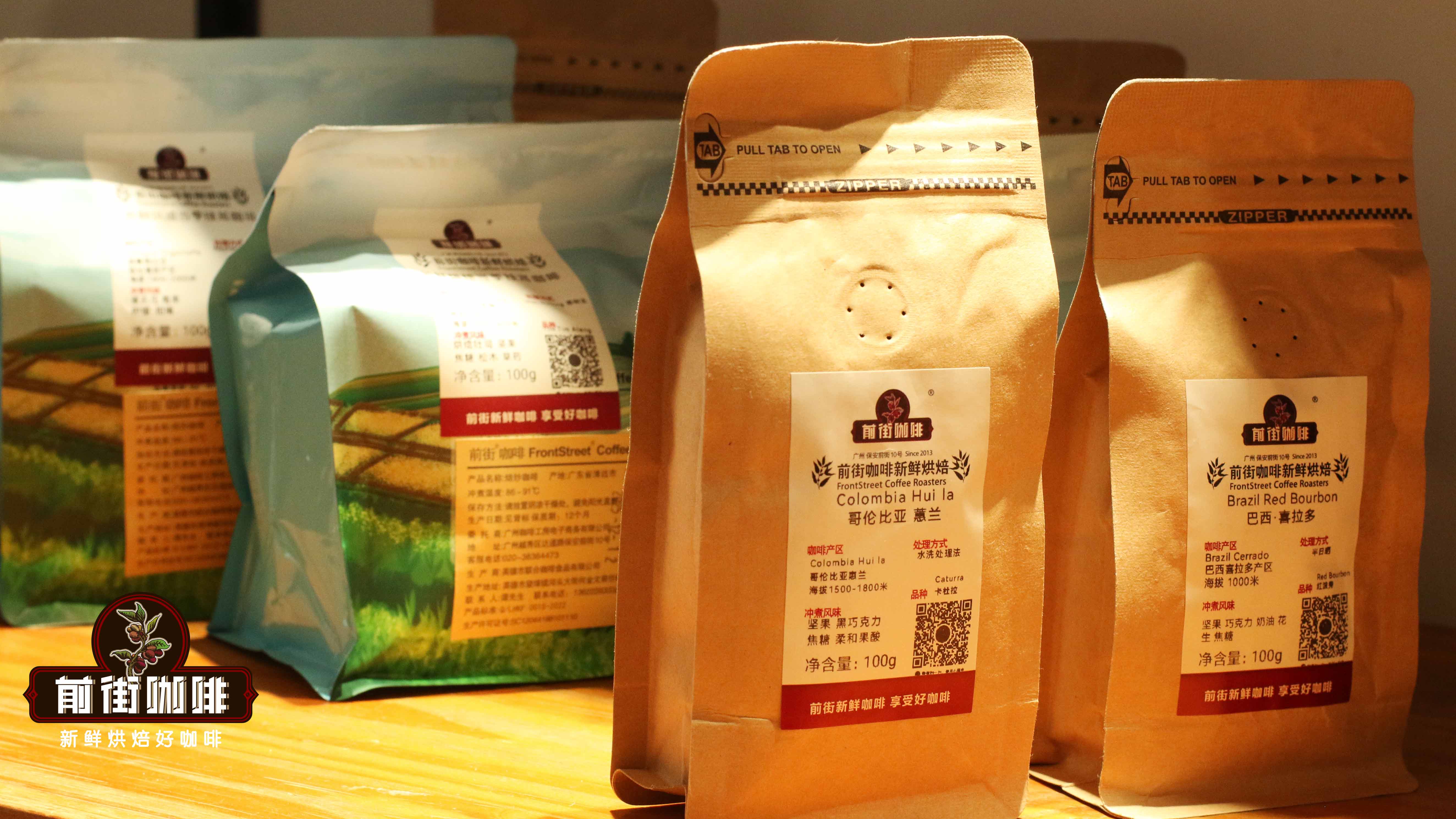
It’s recommended to fill the basket nearly to the top, as this maintains consistent coffee density, prevents uneven extraction in certain areas, and reduces the chances of bitterness or off-flavors.
3. Insert the filter basket into the lower chamber, securely screw the upper and lower parts together, and place the Moka pot on a stove (gas or electric) over high heat.
4. When you hear a distinct “wuu wuu” sound, it indicates that sufficient pressure has built up and the coffee is nearly ready. At this point, reduce the heat and open the upper chamber lid to observe the extraction.
5. Once about half of the coffee has flowed into the upper chamber, turn off the heat. The remaining heat and residual pressure will push the rest of the coffee up, preventing over-extraction.
6. Once all the coffee has been extracted, pour it into your cup and enjoy. Moka pot coffee is bold and often features crema, closely resembling espresso. You can adjust to your taste with sugar or milk.
For those interested in Moka pot brewing, don’t hesitate to give it a try—experience the hands-on joy and rich coffee flavor this classic tool offers.
The above content is compiled by CoffeeHunters, a coffee news website.


