







Introduction:Sumatra is Indonesia’s most iconic coffee-growing region, and Golden Mandheling and Lintong Mandheling are two of its most celebrated classics. Although both belong to the Mandheling family, they exhibit distinctly different flavor profiles due to variations in origin, selection standards, and processing methods. This article delves into the regional backgrounds, grade differences, processing techniques of the two, and provides practical pour-over parameters and flavor comparisons to help you better understand the rich layers and bold charm of dark-roasted Sumatran coffee.
Mandheling coffee is the most representative product of Sumatra, Indonesia, with Golden Mandheling and Lintong Mandheling being the two stars of this family. Although both come from Sumatra, they differ significantly in regional details, bean selection, and processing methods, which also gives them unique strengths in flavor expression and brewing suitability. This article will take you on an in-depth journey to understand the background and differences of these two classic coffees, as well as how to use the right brewing techniques to bring out their most captivating qualities.
Many coffee enthusiasts have their own preferences when it comes to "bright acidity" or "rich body," and in specialty coffee shops, it’s common for customers to directly tell the barista: "I want a cup of coffee that’s not acidic but has a full body." Faced with such requests, many professional baristas often first recommend Golden Mandheling, as its flavor is stable, its aroma is rich, and it has fewer off-flavors—making it especially suitable for drinkers who prefer dark roast profiles.
The history of Indonesian coffee dates back to 1696, when Dutch colonists introduced coffee cultivation to Java. After years of development, Indonesia gradually became one of the world’s major coffee-producing regions. However, what truly brought Indonesian coffee to global fame was Mandheling from Sumatra. Interestingly, in the early days, many export products labeled as "Java coffee" actually originated from Sumatra, helping this region’s coffee establish its own distinct status and characteristics.
As for the origin of the name "Mandheling," there’s an interesting historical anecdote.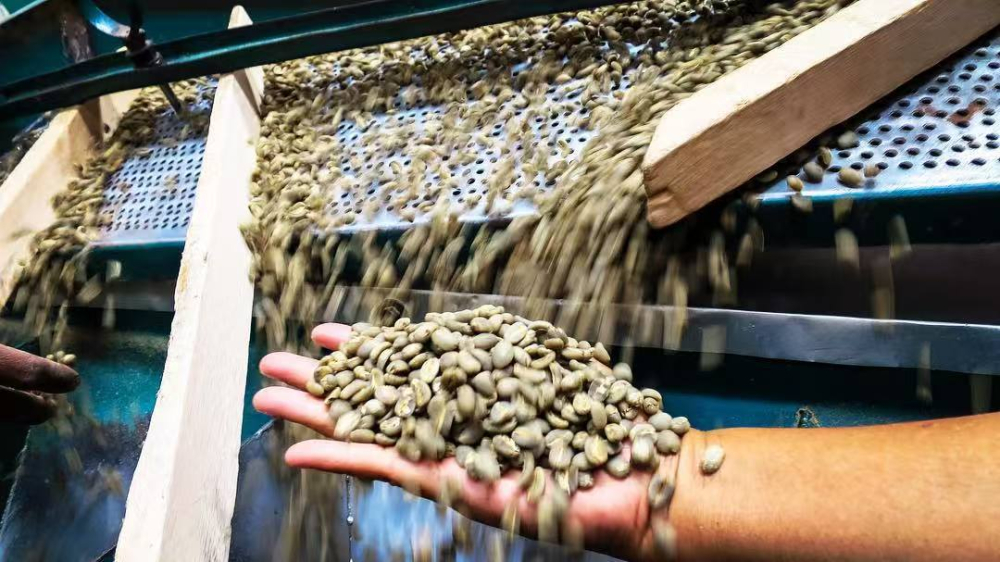 During World War II, a Japanese soldier in Indonesia tasted a coffee with a rich and full-bodied profile and curiously asked the shop owner what kind of coffee it was. The shop owner, however, misunderstood the question as being about the soldier’s place of birth and answered "Mandheling." After the war, the soldier couldn’t forget that cup of coffee and managed to obtain the beans again through trade channels, promoting it in Japan. This led to the name "Mandheling" gradually becoming widely known and eventually synonymous with Sumatran coffee.
The climate in Sumatra is rainy and overcast, and due to local economic constraints, it’s difficult to adopt washed or natural processing methods that require prolonged sun exposure. As a result,the wet-hulled processhas become the most prevalent processing method in the region.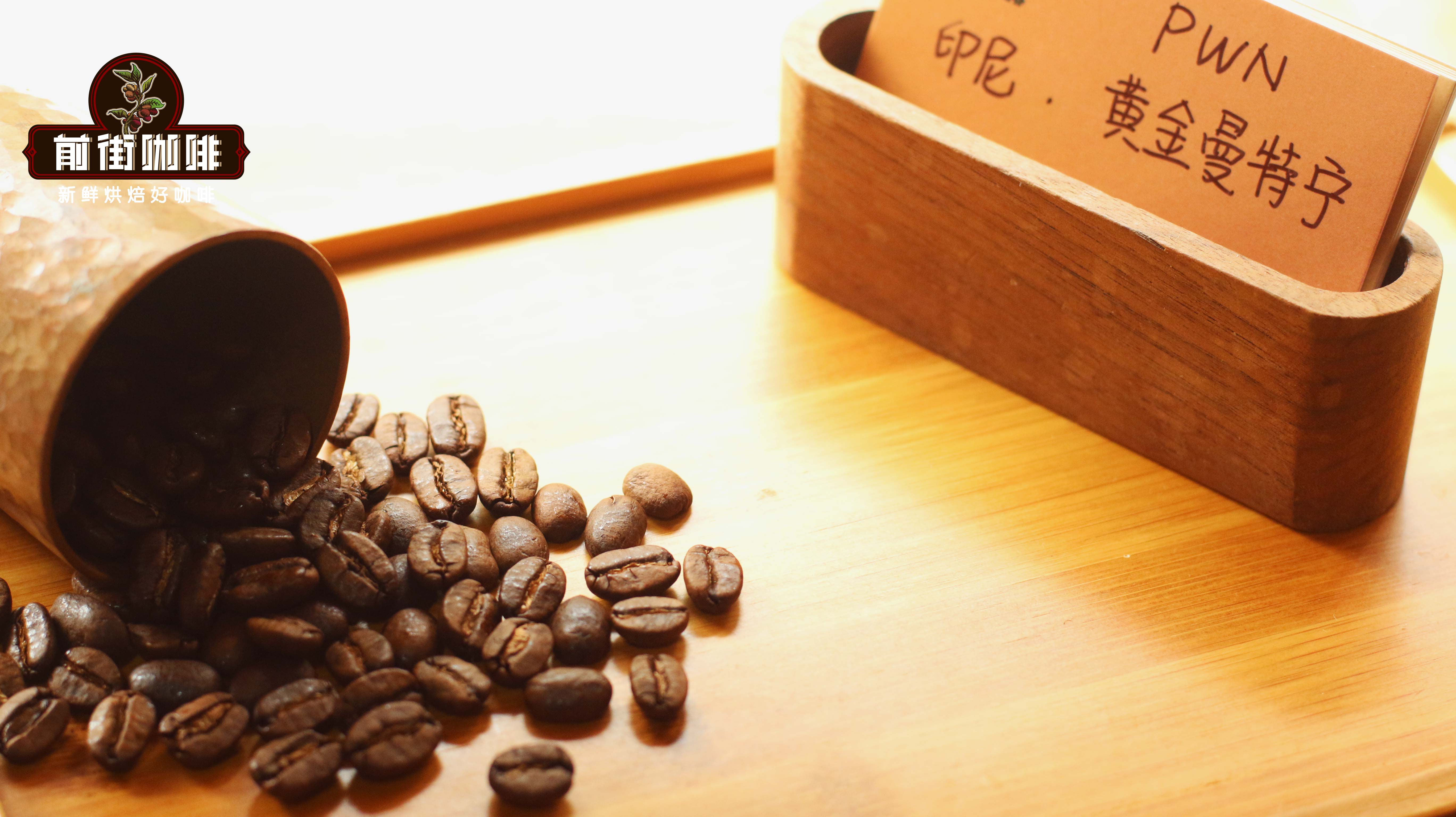 The hallmark of the wet-hulled process is that after removing the outer skin and pulp of the coffee cherry, the beans undergo only a brief fermentation (about 3 hours), and are then depulped while still at a moisture content of around 30% to 50%—in a semi-dry state—to remove the mucilage and parchment layer. The beans are then dried further until their moisture content reaches 12% to 13%. This method not only shortens the processing time but also imparts a strong earthy, herbal, and spicy character to the coffee beans.
In addition to the standard wet-hulled process, Sumatra also has a less common method called "aged wet-hulled." This involves storing the green beans in a cool, ventilated warehouse for 2 to 3 years after the regular wet-hulling process, regularly turning them to prevent mold. During this period, the acidity of the beans gradually transforms into sweetness, and their color darkens to a deep brown, ultimately resulting in a more rounded, low-acid "aged Mandheling."
Although the wet-hulled process is emblematic of Sumatran coffee, the market has gradually seen attempts at other processing methods. For example, some farms have started using the natural process, bringing different aromatic and acidity profiles.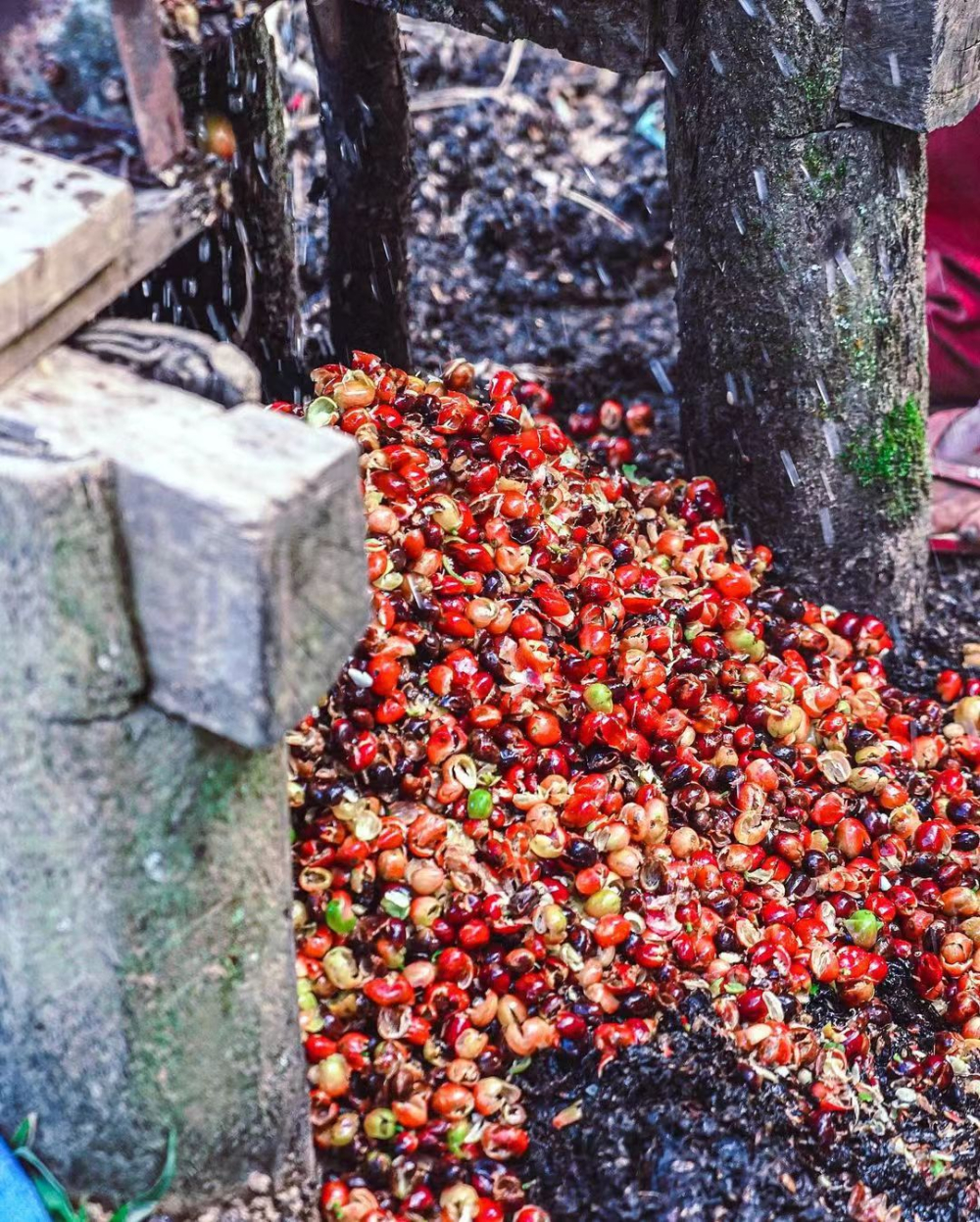 Among them, the natural-processed Mandheling produced in the Wahana region of Indonesia, grown at altitudes between 1000 and 1700 meters with main varieties including Bourbon and Typica, showcases a bright fruity aroma and balanced sweet-tart profile through complete natural processing—distinctly different from traditional wet-hulled Mandheling.
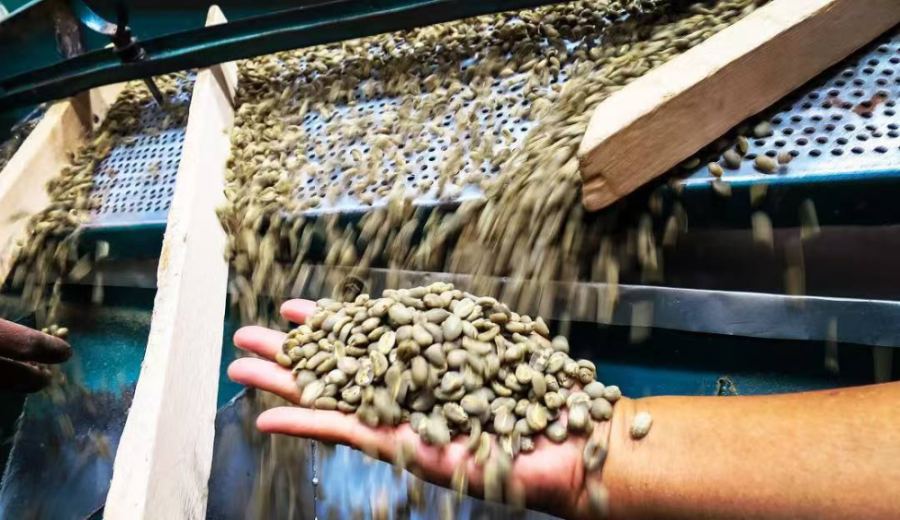
Golden Mandheling is regarded as the premium version of Mandheling, originating from the Lake Tawar area of Gayo Mountain in northwestern Sumatra. The origins of this coffee are closely tied to the Japanese market. Early Japanese merchants collaborated with local green bean suppliers to establish extremely strict selection criteria. The processed green beans undergo initial screening via a density and color sorter, followed by four rounds of manual selection to ensure each bean meets high standards in size, shape, and defect rate.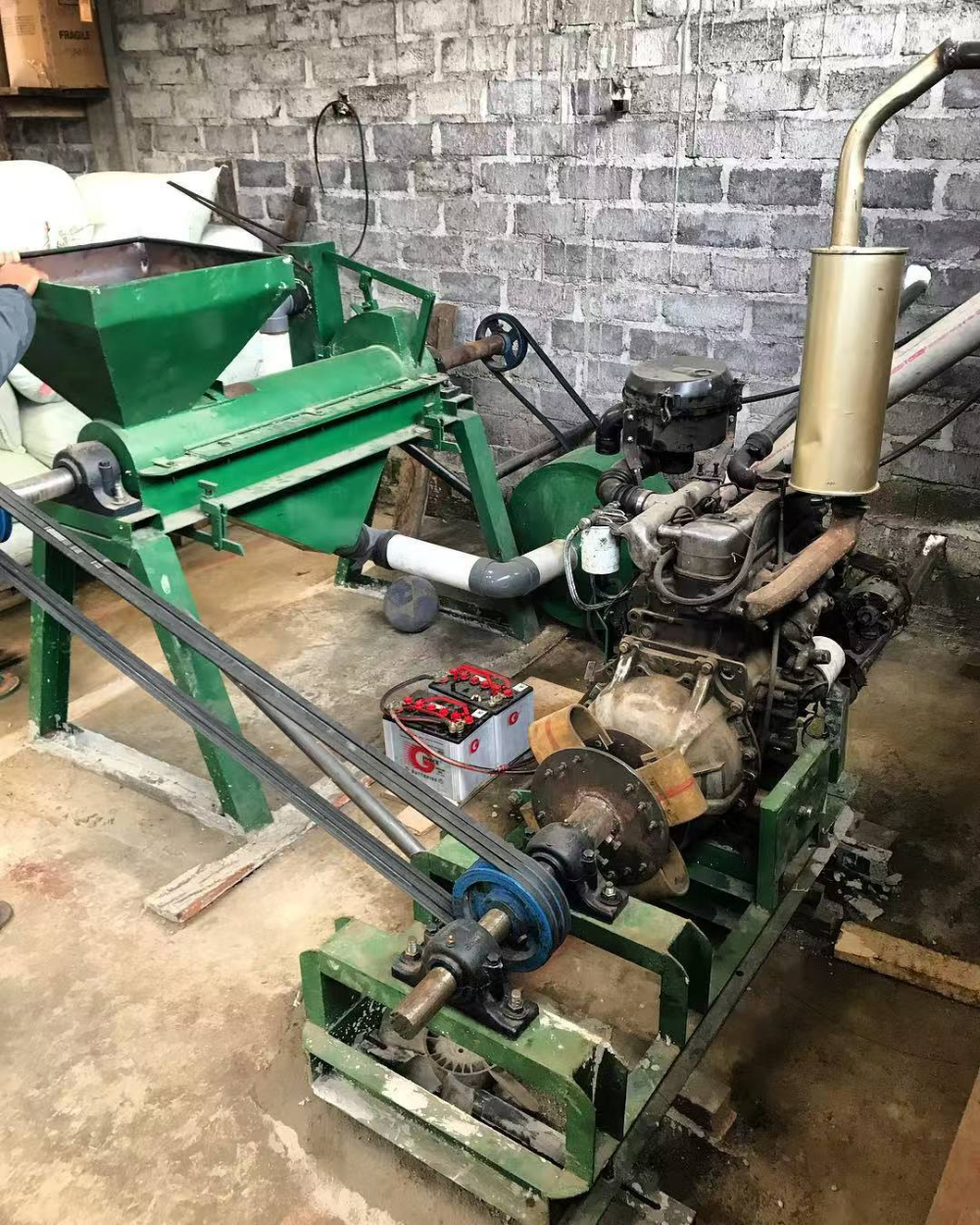 It’s said that under sunlight, these coffee beans emit a golden shimmer, hence the name "Golden Mandheling."
The specifications for Golden Mandheling include: beans must be 18 mesh or larger, with no more than 3 defects per 300 grams of green beans, placing it in the highest grade of G1. The beans are uniformly shaped, mostly flat beans, and have a darker green hue. Thanks to the rigorous selection process, Golden Mandheling typically has fewer off-flavors, a cleaner taste, a noticeable sweetness, and a clearer, more appealing flavor profile compared to regular Lintong Mandheling.
It’s important to note that although the name "Golden Mandheling" is widely recognized, the trademark is not owned by a Japanese company but by Indonesia’s local PWN company (Pwani Coffee Company). The Japanese company, on the other hand, registered "Gold Top Mandheling" (鼎上黄金曼特宁), and although the two have minimal differences in flavor, brand and marketing strategy differences often lead to divergent consumer evaluations.
Compared to the high standards of Golden Mandheling, Lintong Mandheling is the most common type of Mandheling in Sumatra, hailing from the Lintong mountainous region in central-northern Sumatra, near Lake Toba. This coffee also uses the traditional wet-hulled process, but during processing, semi-hard and semi-wet beans are prone to compression when the parchment layer is removed, leaving behind marks resembling "goat hooves"—a phenomenon known as "goat hoof beans." This is a common characteristic of Mandheling and does not affect its flavor quality.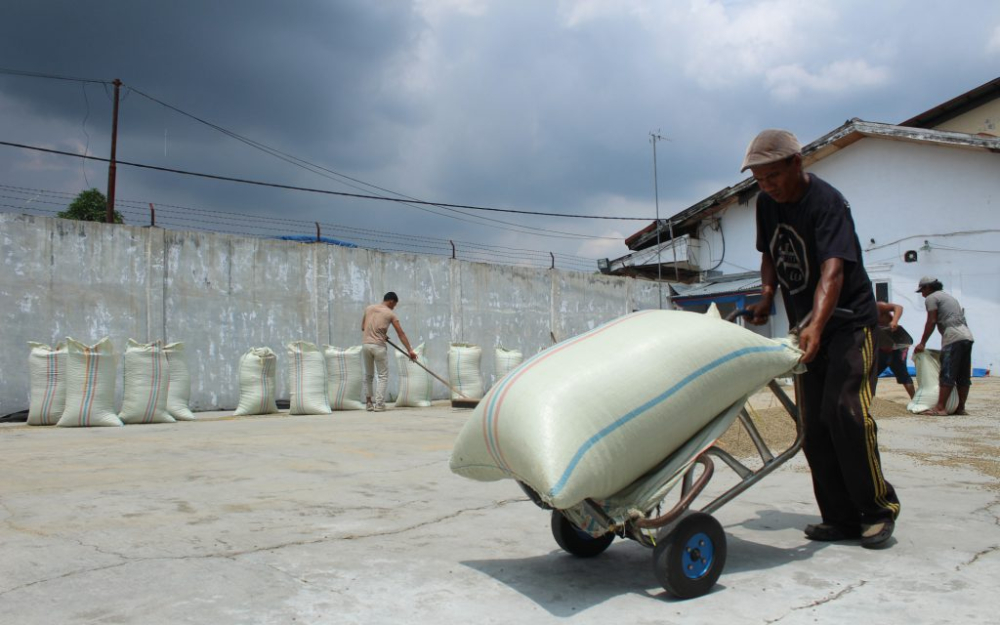
The Lintong Mandheling growing region sits at an altitude of about 1100 to 1600 meters, with varieties including Typica and Catimor, and the processing method is also wet-hulled. Compared to Golden Mandheling, its selection standards are more lenient, but this also retains more of Sumatra’s signature bold herbal, earthy, and spicy notes—making it highly favored by coffee drinkers who enjoy dark roasts and full-bodied flavors.
For brewing recommendations, it’s suggested to use a KONO filter, with water temperature around 86°C, 15 grams of coffee, a 1:15 coffee-to-water ratio, and grind size at 70–75% through a Chinese standard 20-mesh sieve.Step-by-step extraction process:Start with a 30-second bloom using 30 grams of water, then pour in a slow circular motion until reaching 125 grams for the first pour. When the water level drops and is about to expose the coffee bed, continue pouring to 225 grams before stopping. Finally, wait for the water level to drop again before removing the filter. The total extraction time is approximately 2 minutes.
In terms of flavor profile,Lintong Mandhelingtypically presents a blend of herbal, chocolate, and caramel notes, with an overall balanced and full-bodied character; whereasGolden Mandhelingshowcases more layers of nuts, spices, herbs, licorice, and chocolate, with a cleaner, smoother taste and a prominent sweetness—making it a more refreshing and delicate choice among dark roast coffees.
Whether you prefer a bold, rich Sumatran coffee or a clean, sweet one, Golden Mandheling and Lintong Mandheling offer distinctly different taste experiences—each worthy of careful appreciation by every coffee enthusiast.
The above content is compiled by CoffeeHunters, a coffee news website.


