







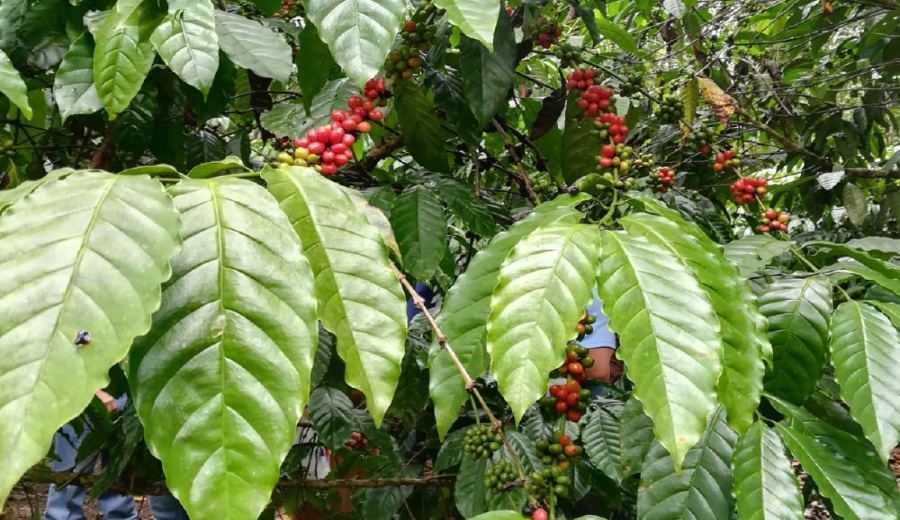
Introduction:Geisha coffee made its way from the deep mountains of Ethiopia to the global specialty coffee market, gaining widespread attention for its distinctive floral and fruity aromas as well as bright acidity. Panama’s Hacienda La Esmeralda further elevated it to new heights by introducing a grading system with Red, Green, and Blue labels, showcasing the diverse flavor profiles of Geisha grown at different altitudes and processed using various methods. This article delves into the development of the Geisha variety, compares the differences among the three major producing regions—Ethiopia, Costa Rica, and Panama—and helps you master the key tasting points and pour over recommendations for each label grade.
The legend of Geisha coffee began in the Gori Gesha forest in southern Ethiopia. In 1931, this native variety was first brought to the Kenya Coffee Research Station. Over the following decades, it was gradually introduced to Uganda, Tanzania, and Costa Rica, eventually making its way to Panama around 1960. After nearly half a century of obscurity, in 2003, Panama’s Hacienda La Esmeralda singled it out from among numerous varieties. The following year, it stunningly won the top prize at the Best of Panama (BOP) competition, defeating traditional powerhouse varieties such as Bourbon and Caturra, thereby reshaping the landscape of specialty coffee.
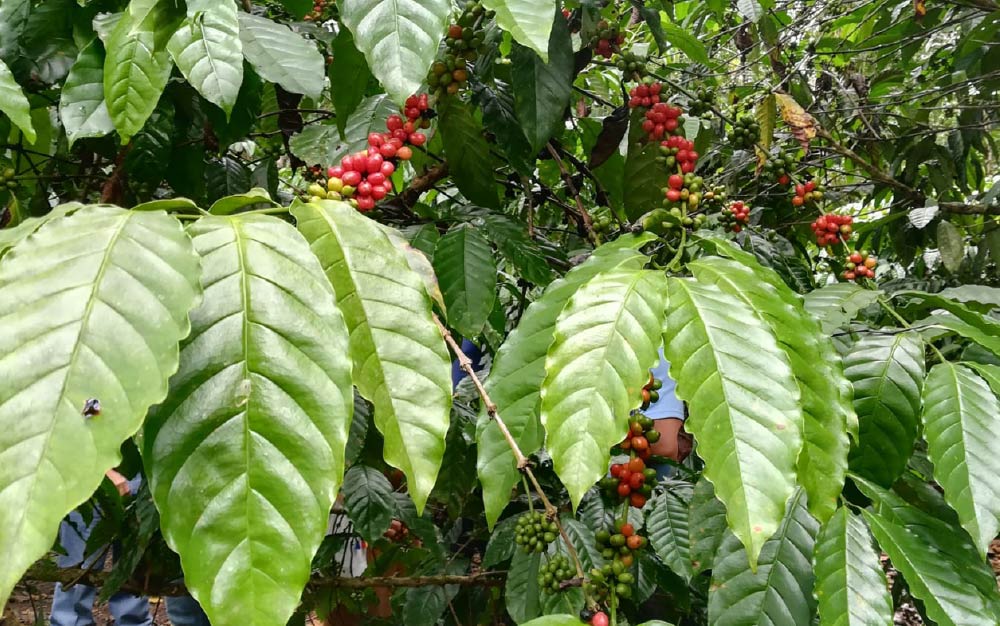
Hacienda La Esmeralda’s Geisha continued to dominate the BOP elite competitions from 2005 to 2007. This not only brought immense fame to the estate but also turned Geisha into a star variety sought after by coffee enthusiasts worldwide. Today, in addition to Panama, Costa Rica and Ethiopia have also started cultivating Geisha. However, due to differences in geographical environment and genetic background, the flavor expressions vary significantly across regions.
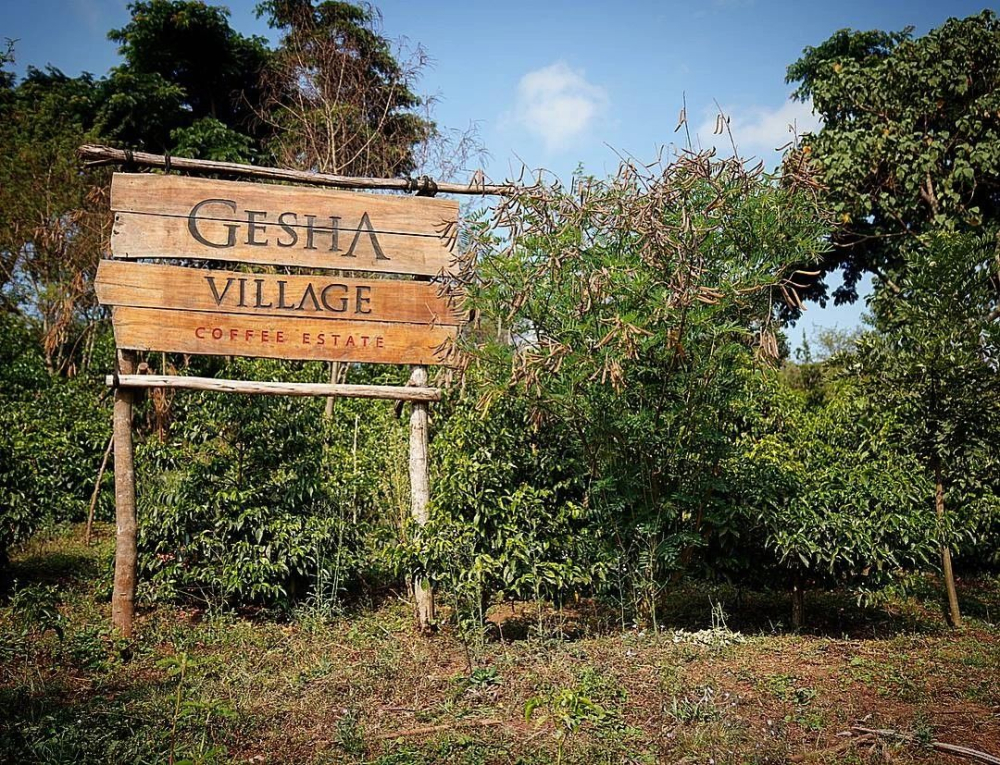
As the birthplace of Geisha, Ethiopia rediscovered wild gene sources in the Gori Gesha forest in 2009 through the exploration of documentary filmmaker Adam Overton and photographer Rachel Samuel. These were subsequently planted at the Gesha Village Coffee Estate. It is worth noting that the current Geisha variety grown at Gesha Village in Ethiopia has very little genetic relation to the Panamanian Geisha. It can be mainly divided into three categories: Gori Gesha (GG) retains the genetic diversity of the original forest; Illubabor Forest 1974 (IF) is a disease-resistant variety discovered in the Illubabor forest in 1974; and Gesha 1931 (G31), although similar in appearance and cup profile to Panamanian Geisha, actually shares low genetic similarity. Therefore, the flavor profiles of these three varieties differ markedly from that of Panamanian Geisha.

Costa Rica’s Geisha cultivation is represented by small farms such as Hacienda La Amistad. The region experiences extreme day-to-night temperature variations during the dry season (as low as 9°C in the early morning and as high as 35°C in the afternoon), which helps coffee cherries accumulate sugars and complex flavor compounds, resulting in a delicate structure and layered taste profile.
When it comes to Geisha, one cannot overlook the classification system of Panama’s Hacienda La Esmeralda. Based on planting altitude and auction mechanisms, the estate divides Geisha into three major grades: Red, Green, and Blue labels, each with its unique tasting highlights.
The top-tier Red Label belongs to the Esmeralda Special series, limited to the Jaramillo and Cannas Verdes regions at altitudes of 1600–1800 meters. It requires a cupping score of 90 or above and is available exclusively through the estate’s independent auctions. It is worth mentioning that there are also non-auction versions of the Red Label on the market. Although they come from the same auction lots, they did not go through the auction process itself. These are relatively more affordable while offering the same flavor performance as the auction batches.
The second-tier Green Label (Private Collection) also comes from high-altitude areas (1600–1800 meters) but does not participate in auctions. Instead, it is a blend of beans from different micro-lots, so the packaging does not indicate specific plots. The Green Label commonly features both washed and natural processing methods: the washed version showcases clear floral notes, citrus acidity, and a refreshing taste; the natural version adds a rich fruit pulp sensation and a fuller body to the base flavors, making it suitable for drinkers who prefer intense flavors.
The entry-level Blue Label (Geisha 1500) is grown at altitudes of 1400–1500 meters and is a blend of Geisha beans from the Jaramillo, Cannas Verdes, and El Velo regions. Initially, only the washed version was offered, but since 2020, a natural version has been added. The washed Blue Label is known for its subtle floral aromas and bright acidity, while the natural Blue Label offers mellow fruity notes and a juicy body—ideal for coffee lovers trying Geisha for the first time.
Regarding the genetic background of the Geisha variety, it is important to clarify: Panamanian Geisha originates from the Gori Gesha forest in southwestern Ethiopia. Therefore, “Geisha” is both a variety name and a place name. However, the Geisha currently grown at Ethiopia’s Gesha Village (such as Gori Gesha, IF, and G31) is almost genetically unrelated to Panamanian Geisha. Only G31 is considered similar in appearance and cup characteristics, though its actual genetic similarity remains low. This is the main reason for the distinct flavor profiles of Geisha from different regions.

For coffee enthusiasts who enjoy pour over brewing, it is recommended to choose freshly roasted beans within 5 days post-roast and consume them within 4–7 days of receipt to achieve the best flavor expression. A Hario V60 dripper is recommended, using water at 90°C, 15 grams of coffee, and a 1:15 coffee-to-water ratio. The grind size should be set to EK43S#10 (approximately equivalent to 80% passing rate through a Chinese standard #20 sieve). Use a three-stage pouring technique: start with a 30-second bloom using 30 grams of water, then pour in a small circular motion until reaching 125 grams for the first pour. When the water level is about to uncover the coffee bed, pour again up to 225 grams before removing the dripper. The total brew time is about 2 minutes, which fully highlights Geisha’s delicate aromas and balanced sweet-and-acid profile.
The above content is compiled by CoffeeHunters, a coffee news website.


