







Introduction:Golden Mandheling is often misunderstood as simply a bitter and heavy-bodied coffee, but in reality, high-quality Golden Mandheling can exhibit charming brown sugar sweetness and a rich, layered profile. This article takes an in-depth look at PWN Golden Mandheling from the Gayo Highlands of Sumatra, covering everything from regional background and wet-hulled processing characteristics, to variety traits, as well as three-stage pour over techniques and key parameters to help you master the brewing essentials of this classic Indonesian bean and extract a clean and balanced cup.
Indonesian Mandheling coffee has long been known for its bold and full-bodied flavor. However, truly high-quality Golden Mandheling offers more than just heavy bitterness—it also presents a sweet aftertaste reminiscent of brown sugar. This type of coffee suits enthusiasts who enjoy deep flavors yet seek a clean cup. This article uses PWN Golden Mandheling from the Gayo Highlands of Sumatra as an example, exploring its regional environment, processing method features, roasting suggestions, and practical three-stage pour over techniques to give you a comprehensive understanding of this classic coffee’s charm.
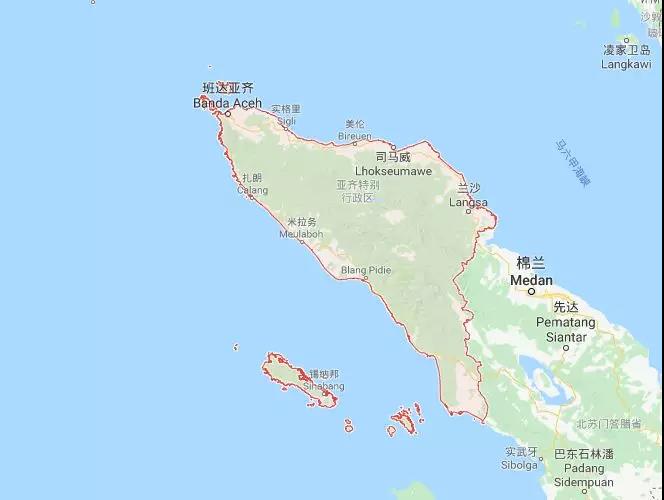
The Gayo Highlands in Aceh Province, Sumatra, is one of the main producing regions of Golden Mandheling. Located in the northern part of Sumatra, the coffee is mostly grown on slopes at elevations between 1110 and 1600 meters, often cultivated under shade, and processed using the traditional wet-hulled (also called wet-hulling) method. Due to its unique geographical conditions and a long history of politically sensitive areas, while the region produces distinctive flavors, it is not an easily accessible coffee origin.
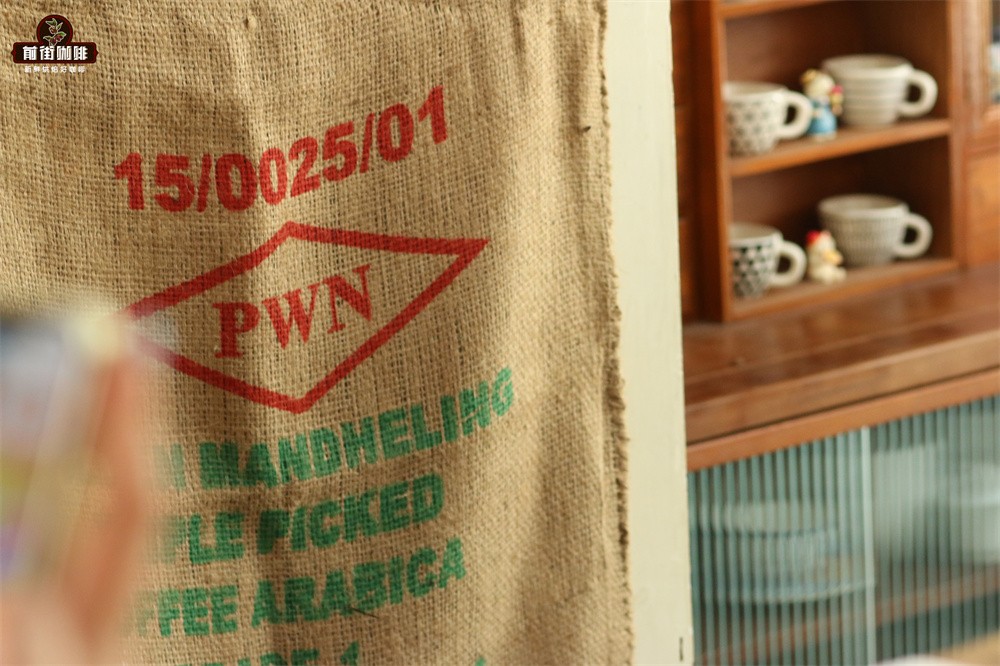
When talking about Golden Mandheling, one must mention the well-known Indonesian company PWN. PWN is short for Pawani Coffee Company and is also the trademark holder of the name “Golden Mandheling.” The company rigorously selects coffee beans, conducting three rounds of manual sorting and one machine screening process to ensure each bean meets high standards in quality, size, and appearance. As a result, the roasted coffee is usually cleaner and exhibits a more pronounced sweetness.
It is important to note that some market vendors may label larger-sized Indonesian beans as “Golden Mandheling,” but in reality, only beans produced by PWN and meeting specific selection criteria can be considered authentic Golden Mandheling. The PWN Golden Mandheling sold by this vendor not only has consistent appearance and a darker green color, but each bean is also a flat bean of 18 mesh or above, with stable quality.
PWN's Golden Mandheling stands out not only in appearance but also in cupping performance. This coffee typically shows no obvious earthy or off-flavors, delivers a clean and bright mouthfeel, and has a noticeable sweetness, offering a flavor profile distinctly different from the conventional impression of traditional Mandheling. Additionally, each sack is printed with PWN’s official logo and certification, ensuring consumers receive genuine products.
The name “Golden Mandheling” has been registered as a trademark by PWN, meaning that only Mandheling produced under PWN’s strict processes qualifies as Golden Mandheling. This vendor chose to list this bean precisely because it can fully express the classic flavors of the Sumatran region while maintaining a high level of cleanliness and consistency.
This Golden Mandheling uses the Ateng variety, which is actually the local term for Catimor. Ateng is a hybrid of Arabica and Robusta, and although it may not have the same level of flavor complexity as some specialty Arabicas, it can still present unique spicy and herbal notes under Sumatra’s special processing methods and high-altitude environment.
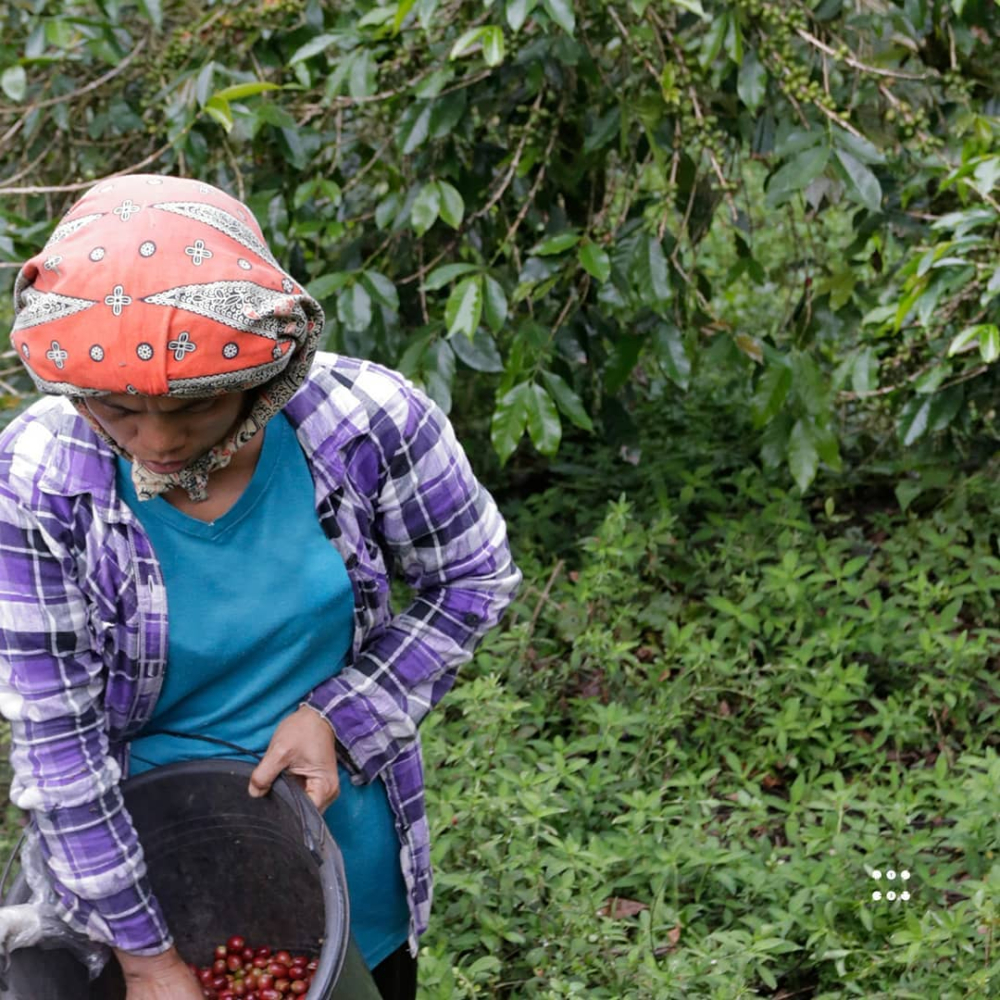
The most common processing method for Golden Mandheling is wet-hulling. Due to limited economic conditions in many parts of Indonesia, traditional washed processing is too costly, so this unique method was developed locally. The characteristic of wet-hulling is that after initial washing and pulping, the coffee beans—while not fully dried (with moisture content around 20%–24%)—have their outer parchment layer removed to accelerate the drying process. While this method shortens processing time, it can also increase the rate of defects.
However, PWN’s Golden Mandheling maintains very strict quality control, with beans sized at 19 mesh or above, and fewer than 3 defective beans per 300g sample, qualifying it as top-tier G1 grade. Therefore, its flavor performance far exceeds that of average market offerings. The beans appear dark green with a uniform shape, typical of flat beans.
For roasting recommendations, a medium to dark roast is advised to bring out its body and aromatic layers. The charge temperature can be set at 200°C with the air vent open at 3; after about 1 minute, reduce the heat to 160°C while keeping the air vent unchanged; at 5 minutes and 40 seconds, when the temperature drops to 148°C, the beans turn yellow, and grassy notes fade, adjust the heat to 140°C and open the air vent to 4; around 9 minutes and 40 seconds, when the beans show tiger stripping and black speckles and emit the turning point from baked bread to coffee aroma, pay attention to the sound of first crack; first crack begins around 9 minutes and 54 seconds, then reduce the heat to 60°C, fully open the air vent, and drop the beans at 204.5°C.
For pour over, it is recommended to use a Kono filter and a three-stage extraction method to fully highlight the richness and sweetness of Golden Mandheling. Specific parameters are as follows: water temperature 88°C, coffee dose 15g, brew ratio 1:15, grind size medium-fine (approximately 70–75% passing through a 20-mesh sieve in China). The Kono filter, with few ribs concentrated at the bottom, allows the filter paper to adhere closely to the cup wall, reducing airflow and extending extraction time, which helps enhance body.
In practice, start with a 30g bloom for 30 seconds, then pour in a small circular motion up to 125g for the first pour; once the water level drops, continue pouring to 225g and stop, letting the filter drip out before removing. Total brew time should be controlled between 2 minutes and 5 seconds to 2 minutes and 15 seconds.
In terms of flavor, this Golden Mandheling often carries layers of spice and herbal notes, with a rich yet clean mouthfeel and good balance. Intense nutty and brown sugar aromas are accompanied by a gentle chocolate tone, and the finish is long and captivating. It is highly suitable for coffee lovers who enjoy Indonesian flavors and seek high-quality brews.
The above content is compiled by CoffeeHunters, a coffee news website.


