








Introduction:An in-depth exploration of the terroir characteristics and flavor profiles of Costa Rica’s eight major coffee-growing regions — from the high-altitude Tarrazú to the coastal Brunca. Discover how elevation, harvest seasons, and processing methods shape the flavors of each area. Special focus is given to Tarrazú’s renowned raisin honey processing technique, analyzing its impact on aroma and complexity, along with practical pour over parameters to help you fully appreciate the charm of Costa Rican specialty beans.
Costa Rica, this small Central American country nestled between volcanoes and lush greenery, owes its globally acclaimed specialty coffee to its unique volcanic soils and stable highland climate. Its eight main producing regions each have distinct traits — from the bold flavors of the western valleys to the refined mountain-grown beans of Tarrazú. Each coffee plantation tells its own terroir story. This article will give you a comprehensive understanding of the altitude distribution, harvest periods, and flavor expressions of these regions, while delving into the secrets of Tarrazú’s raisin honey process. Practical pour over tips are also provided so you can enjoy the diverse appeal of Costa Rican coffee at home.

Costa Rica has a long history of coffee cultivation and is one of the first countries in Central America to introduce coffee plants. The country’s fertile volcanic ash soils not only offer excellent drainage but are also rich in various minerals. Combined with a mild climate and ample rainfall, they provide ideal growing conditions for coffee trees. The nation is divided into eight coffee-producing regions: the Western Valley, Central Valley, Tarrazú, Tres Ríos, Orosi, Brunca, Turrialba, and Guanacaste. Each region, due to differences in terrain and microclimate, produces coffee with uniquely distinct characteristics.
Located at elevations of 1,000 to 1,200 meters, the Western Valley has an average annual temperature of 21.5°C and a high relative humidity of 81%. With abundant rainfall regulated by Pacific air currents, it enjoys mild and cool growing conditions. Its harvest season runs from November to March of the following year, making it one of the longer harvest periods in the country. Due to lower temperatures compared to other high-altitude areas at similar latitudes, coffee cherries ripen more slowly, aiding the accumulation of flavor compounds. The resulting coffee typically features bright acidity and rich fruity notes.
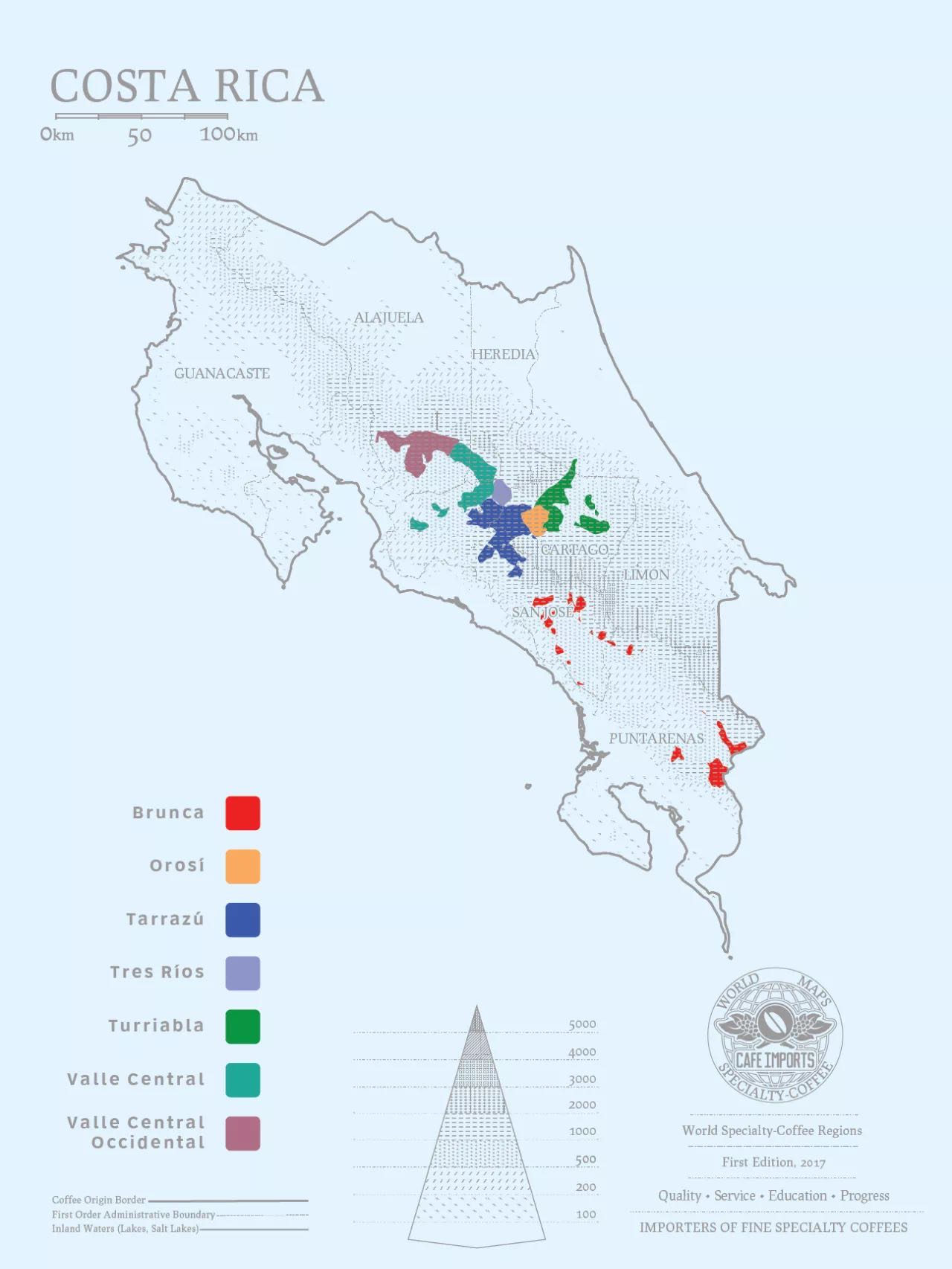
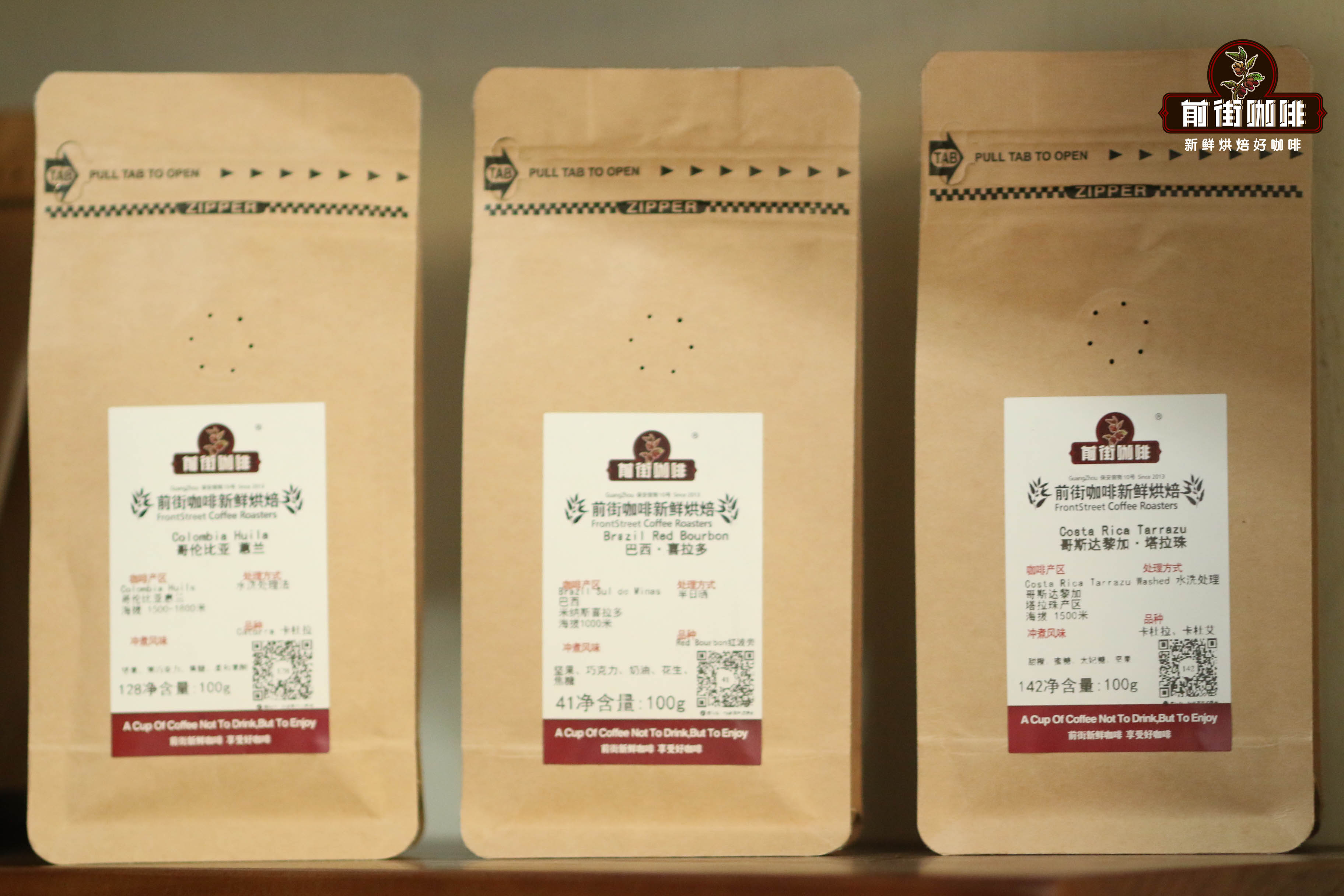
As Costa Rica’s oldest coffee-growing region, the Central Valley sits at elevations between 1,200 and 1,600 meters, with an average annual temperature of just 19°C and an annual rainfall of about 118 inches. The high-altitude environment results in denser coffee beans with a firmer structure, often showcasing pronounced floral notes, citrus tones, and chocolatey aftertastes. Processing methods mostly involve washed processing followed by low-temperature machine drying to preserve more of the original flavors. The coffee from this region is widely praised for its balanced acidity-to-sweetness ratio and full body, making it a popular choice for many coffee enthusiasts just starting out.
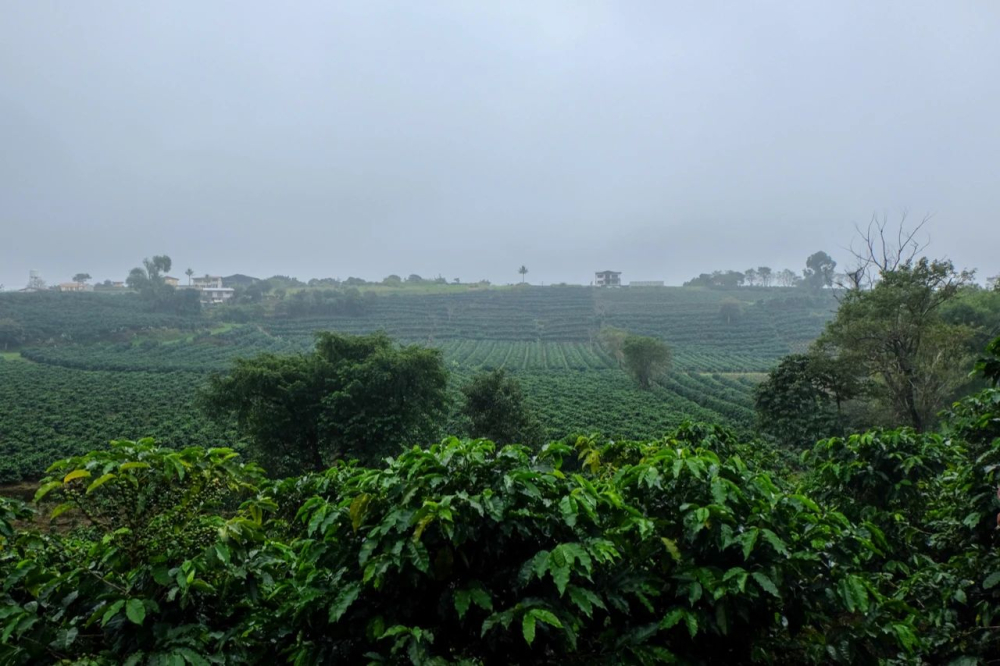
The Tarrazú region, located south of the capital San José, is a world-renowned producer of specialty coffee, known for its high altitudes (often exceeding 1,500 meters) and strict cultivation standards. Coffee here is primarily washed processed, showcasing Costa Rica’s classic clean acidity and bright citrus notes. Especially in the "La Minita" area, coffee farms benefit from meticulous field management and rigorous selection processes, producing top-tier beans with pure flavors and rich aromatic layers — a dream bean for many roasters.
Tres Ríos, a refined sub-region under Tarrazú, lies at the foot of the Irazú Volcano at elevations of 1,200 to 1,650 meters, with its harvest season concentrated between December and March. Its microclimate, shaped by volcanic terrain and the influence of streams, gives rise to highly distinctive coffee flavors — bright fruit acids like berries and passionfruit paired with toffee-like sweetness and soft stone fruit aromas. The coffee offers a rounded mouthfeel and clear layering. Its firm, dense beans and high-density structure make it ideal for refined brewing methods such as pour over and siphon.
The Orosi region sits at elevations of 900 to 1,200 meters, with a harvest season lasting from September to February. It is a historic coffee-growing community near the outskirts of San José. The coffee here is known for its smooth mouthfeel and good balance, featuring plump beans and fragrant aromas. Its acidity is gentle and not overly sharp, making it suitable for those who prefer milder flavors. A long-standing cultivation tradition and community-based cooperative models help ensure that Orosi coffee maintains stable and accessible quality.
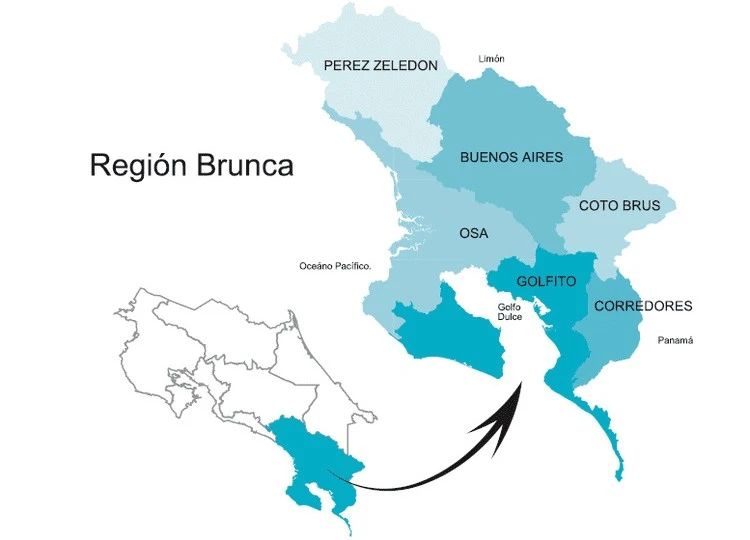
The Brunca region, located in the southern coastal area, sits at elevations of 800 to 1,200 meters, with a harvest season from August to January. As one of Costa Rica’s youngest coffee-growing regions, its coffee offers a neutral flavor profile and broad appeal. Its acidity is mild, and while the bean structure is intact, it is less pronounced. The coffee from Brunca is suitable for blending with beans from other regions, providing a balanced base flavor — making it a friendly entry point for those new to Costa Rican coffee.
The Turrialba region, at elevations of 600 to 900 meters, is Costa Rica’s lowest-altitude growing area, with a harvest season from July to December. Due to its lower elevation and abundant rainfall, the coffee here exhibits less acidity and relatively thinner beans, though it retains clear fruity and herbal notes. As the earliest region to enter the harvest season, its coffee often carries a refreshing tropical fruit aroma, appealing to those who enjoy a bright and clean cup.
The Guanacaste region, situated at elevations of 900 to 1,200 meters in a forested zone where volcanoes meet mountains, has approximately 85% of its plantations coexisting with natural ecosystems. Its Andisol volcanic soils are highly fertile and well-aerated, mainly cultivating Catuaí and Caturra varieties. Guanacaste coffee tends to have lower acidity, with flavors dominated by nutty and grainy notes. It presents a mild and approachable profile, while also aligning with sustainable agricultural practices.
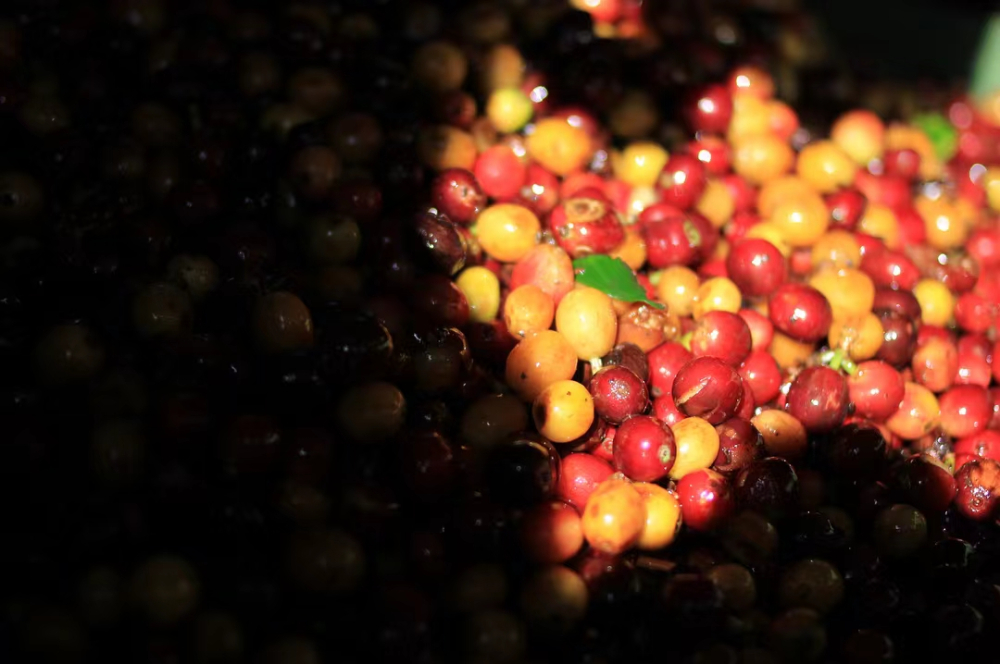
Among Costa Rica’s many producing regions, Tarrazú stands out with its exceptional altitude conditions and refined processing techniques — especially its raisin honey process, an innovative method that has garnered significant attention in recent years. This technique involves drying the harvested coffee cherries with their skin and pulp intact until they shrink like raisins, before removing the outer fruit layer for further drying. This allows the coffee beans to fully absorb the sugars and flavor compounds from the pulp, ultimately delivering a cup with intense sweetness, deep berry aromas, and fermented wine-like nuances.
For actual pour over brewing, it is recommended to use 15 grams of coffee grounds with a grind size of around 78–80% passing through a #20 sieve (850 microns), equivalent to a medium-fine grind. Set the coffee-to-water ratio at 1:16 to balance richness and clarity. Control the water temperature at 90–91°C to help highlight the sweet fruity notes and gentle acidity of the raisin honey-processed beans. Using a V60 filter cone is recommended, as its flow design enhances layering expression.
Brewing steps: Start with a 30-second bloom using 30 grams of hot water to activate the coffee grounds and release the berry fragrance. Then pour 120 grams of water in small circles. When the coffee bed descends to the height of the shorter ribs, add another 90 grams of water to complete the extraction. The total brew time is about 1 minute and 50 seconds, yielding a pour over coffee with vibrant aromas, pronounced sweetness, and a long-lasting finish.
In addition, Tarrazú’s Musician Series (such as Bach, Mozart, and Beethoven) and the Mirasú Gesha blend “Strawberry Candy” are standout representatives showcasing the region’s processing expertise and varietal potential. The raisin honey-processed Bach and Mozart are distinguished by their deep, fermented wine-like beefy tones and refreshing dark fruit aromas, respectively. Meanwhile, the washed Beethoven highlights bright flavors of yellow-fleshed fruits like mango and papaya. As for the Strawberry Candy blend, which mixes 50% Gesha, the honey process amplifies its strawberry and grape-like sweetness. Brewing requires careful temperature control and pouring rhythm to fully express its complex floral and berry layers.
The above content is compiled by CoffeeHunters, a coffee news website.


