







Introduction:Gain an in-depth understanding of the main characteristics and flavor profiles of the world’s three major coffee species—Arabica, Robusta, and Liberica—and explore the unique expressions of popular Arabica subspecies. This article provides a detailed introduction to the cultivation environments, flavor characteristics, suitable brewing methods for each variety, as well as how to select and process coffee beans to bring out the most ideal cup flavors. It is a must-read guide for both coffee beginners and advanced enthusiasts.
The world of coffee may seem vast and varied, but when categorized by species, it can be simplified into three main types: Arabica, Robusta, and Liberica. These three types of coffee beans not only differ in appearance, flavor, and suitable brewing methods, but also play distinctly different roles in the global supply chain.
Among them, Arabica, with its elegant aroma and delicate balance of acidity and sweetness, accounts for about 70% of the global coffee consumption market and serves as the mainstream foundation of specialty coffee. In contrast, Robusta, due to its high caffeine content and strong flavor, is often used in instant coffee or commercial blends. As for Liberica, although relatively rare, it still holds a significant position and possesses a unique character of its own.
Arabica coffee trees originated in Ethiopia, Africa, and are currently the most widely cultivated and highly regarded coffee variety. They thrive at altitudes between 800 and 2,200 meters, where lower temperatures and significant day-night temperature variations help the coffee cherries mature slowly, accumulating richer flavor compounds. As a result, Arabica typically exhibits a more complex aroma profile, including floral, fruity, caramel, and nutty notes, along with bright acidity and a refreshing mouthfeel.
However, Arabica is less resistant to environmental changes and pests, resulting in relatively higher cultivation and harvesting costs. Its caffeine content ranges between 0.8% and 1.5%, significantly lower than Robusta’s 2.7% to 4%. This makes it less attractive to insects but also necessitates more meticulous cultivation and management.
In the commercial specialty coffee market, Arabica is almost always the indispensable star. Renowned coffee beans from regions like Jamaica Blue Mountain and Panama Geisha all belong to the Arabica family and are celebrated worldwide for their unique terroir expressions. Moreover, many Arabica varieties have evolved into numerous subspecies through adaptation to different microclimates and soil conditions, each showcasing its distinct flavor profile.
When discussing Arabica subspecies, several representative lineages must be mentioned. First, Typica is one of the most original Arabica varieties, characterized by its slender bean shape and bronze-colored top leaf. It delivers a delicate flavor but has relatively low yields and weaker disease resistance. Sumatran Mandheling and Jamaica Blue Mountain both originate from the Typica lineage.
Another important lineage is Bourbon, which features rounder beans and a rich flavor often accompanied by syrupy sweetness and fruity notes. Variants such as Red Bourbon, Yellow Bourbon, and Pink Bourbon frequently exhibit diverse layers due to differences in region and processing method. Kenya’s SL28 and SL34 are descendant variants of Bourbon, renowned for their intense plum-like acidity and distinctive citrus, grape, and cane sugar aromas. They are representatives of high-quality washed processing.
Additionally, varieties like Caturra and Catuai are natural and artificial hybrids of Bourbon, respectively. They offer higher yields and shorter tree stature, making them suitable for dense planting. These varieties are widely grown in Central and South American producing regions such as Colombia, Costa Rica, and Nicaragua. Caturra offers a fresh flavor with bright acidity, while Catuai is more stable in fruit-setting and suitable for windy terrains, though its overall flavor complexity is slightly inferior to that of Caturra.
As for Robusta, though often seen as synonymous with “commercial beans,” it actually holds its own unique value. Originating from the Congo region of Africa, Robusta boasts stronger disease resistance and adaptability, enabling it to grow at lower altitudes and produce significantly higher yields than Arabica. It contains a high level of caffeine and typically presents a strong bitter flavor, with notes of nuts, peanuts, malt, and earth. If improperly processed, it can easily develop an earthy taste.
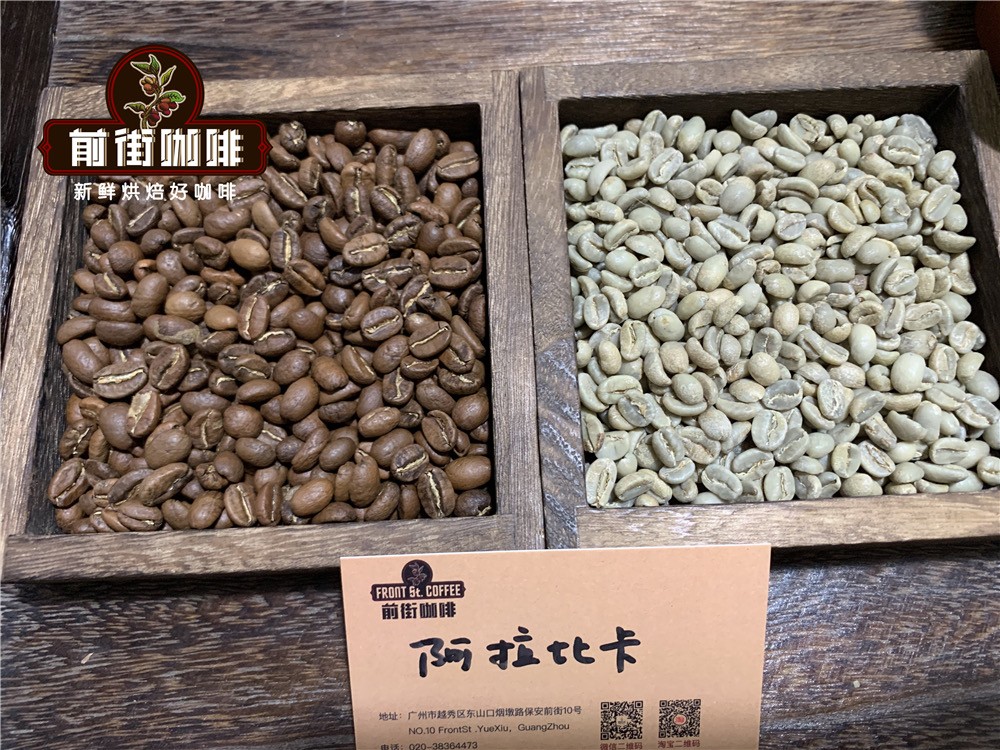
Robusta beans are more rounded and thicker in shape, with wider and straighter centerline fissures, in contrast to Arabica’s narrow, S-shaped fissures. Due to its flavor characteristics, Robusta is often used in espresso blends to enhance body and crema performance. It is also widely utilized in instant coffee and canned coffee products.
Liberica is the rarest among the three major species, originating from Liberia in West Africa. Currently, its cultivation area is limited, mainly concentrated in places like Malaysia and the Philippines. Liberica beans are noticeably larger than those of Arabica and Robusta, with an oval shape and a unique bubblegum or herbal aroma. The flavor is bold but lacks refinement, with low acidity and often carries woody and leathery notes.
Although Liberica is less commonly found on the market, its unique character still attracts some coffee enthusiasts eager to explore the extremes of different coffee flavors.
When selecting coffee beans, in addition to considering origin and processing method, the characteristics of the variety itself are also crucial. For those who prefer bright fruit acidity and floral-fruity aromas, Arabica is the top choice. Those seeking strong bitterness and a full-bodied mouthfeel might consider blends dominated by Robusta. And for those wanting to experience alternative flavors beyond the mainstream market, Liberica is also worth a try.
Moreover, regardless of the type of coffee bean chosen, freshness and storage methods greatly influence the final extraction performance. It is recommended to purchase beans roasted within five days and allow them to rest in a sealed, light-proof, and cool environment for 4 to 7 days to reach their optimal flavor window. If choosing pre-ground coffee powder, it should be used as soon as possible to prevent oxidation and aroma loss.
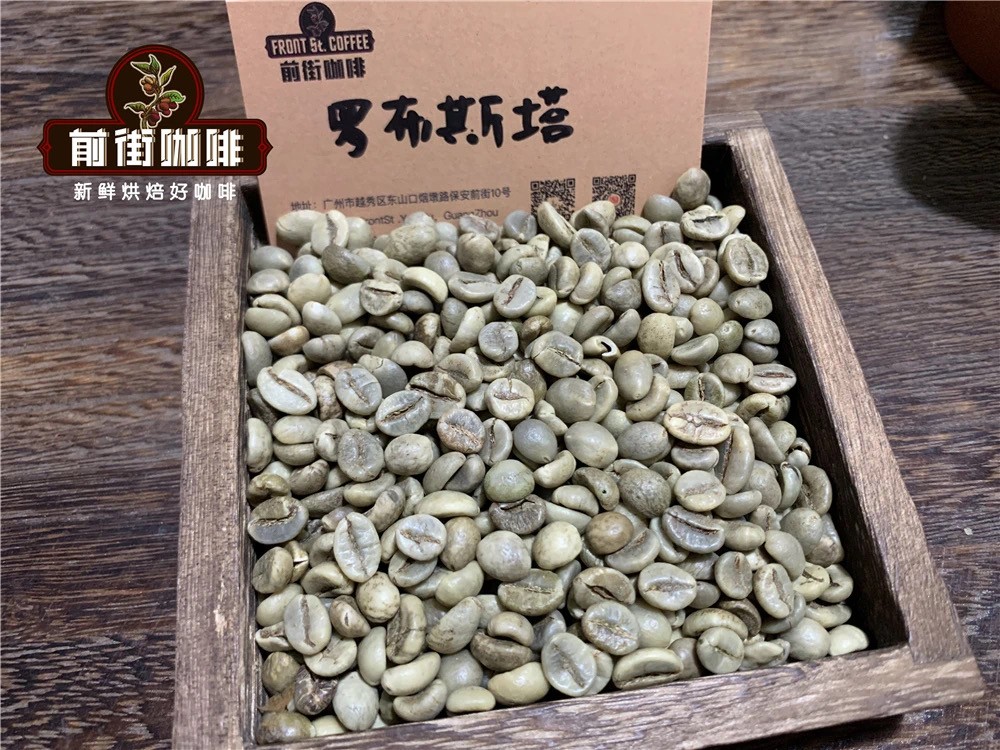
In summary, understanding the three major coffee species and their subspecies not only helps consumers make more suitable choices but also adds directionality to the brewing process. Whether you are a beginner just starting out or an experienced coffee enthusiast, mastering this basic knowledge will help you better appreciate the unique charm of each cup of coffee.
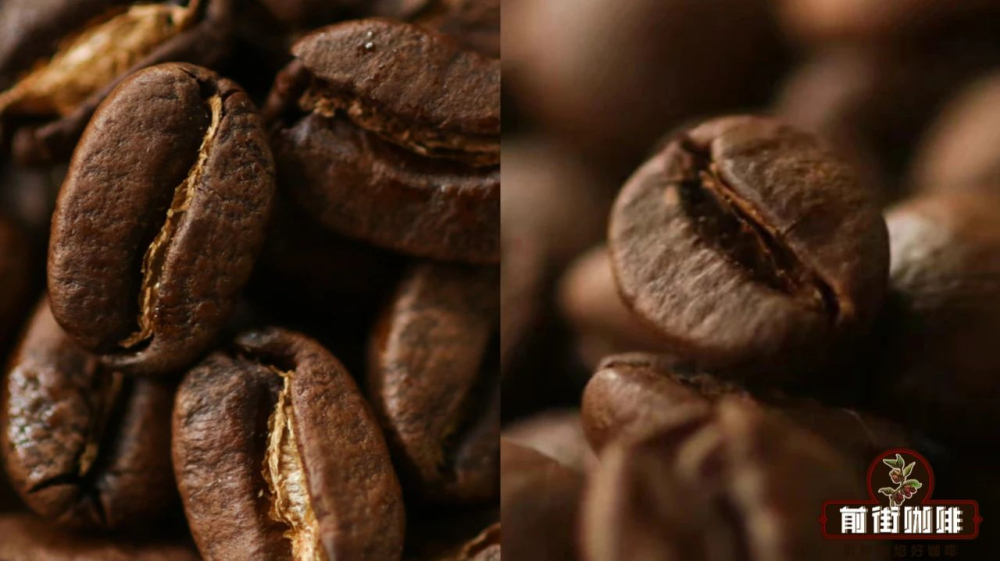
The above content is compiled by CoffeeHunters, a coffee news website.


