







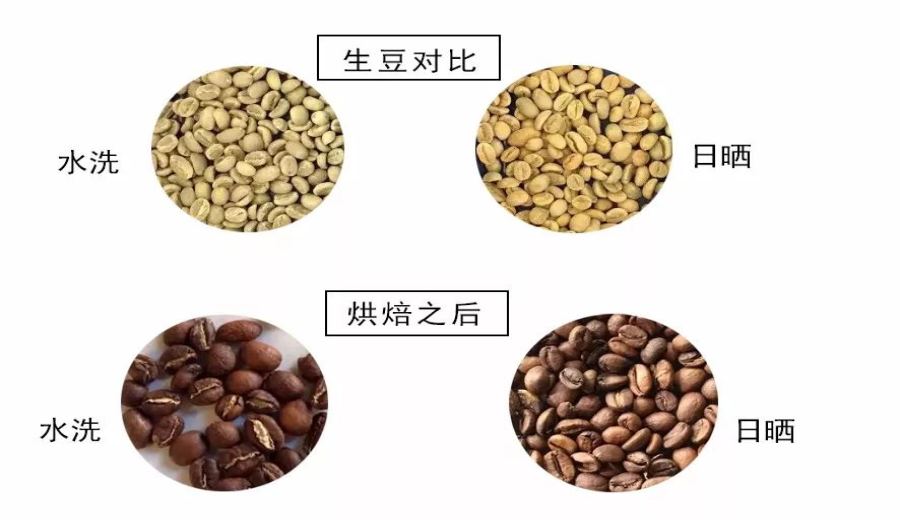
Introduction:As one of Ethiopia’s most iconic coffee-growing regions, Yirgacheffe is renowned for producing distinctly different flavor profiles through its washed and natural processing methods — a contrast that often piques the curiosity of both coffee newcomers and enthusiasts. This article will delve into the principles and differences between these two processing techniques, analyze their impact on a coffee’s aroma, acidity, and body, and provide practical bean recommendations along with specific pour over parameters and techniques to help you find the option that best suits your taste.
Yirgacheffe, this renowned coffee region from Ethiopia, has long been celebrated for its delicate, bright floral and fruity acidity. Among its processing methods, washed and natural stand out by showcasing vastly different flavor characteristics from beans grown in the same region. The washed process emphasizes cleanliness and stability — by removing the fruit skin and pulp, fermenting, and washing with clean water, it delivers a clean, bright profile of citrus and floral notes, making it ideal for those who prefer a refreshing cup. In contrast, the natural process retains the entire fruit during a prolonged period of sun drying, allowing the coffee beans to absorb sugars and aromas from the pulp, resulting in intense tropical fruit, honey, and fermentation layers, with a bolder and more complex flavor.
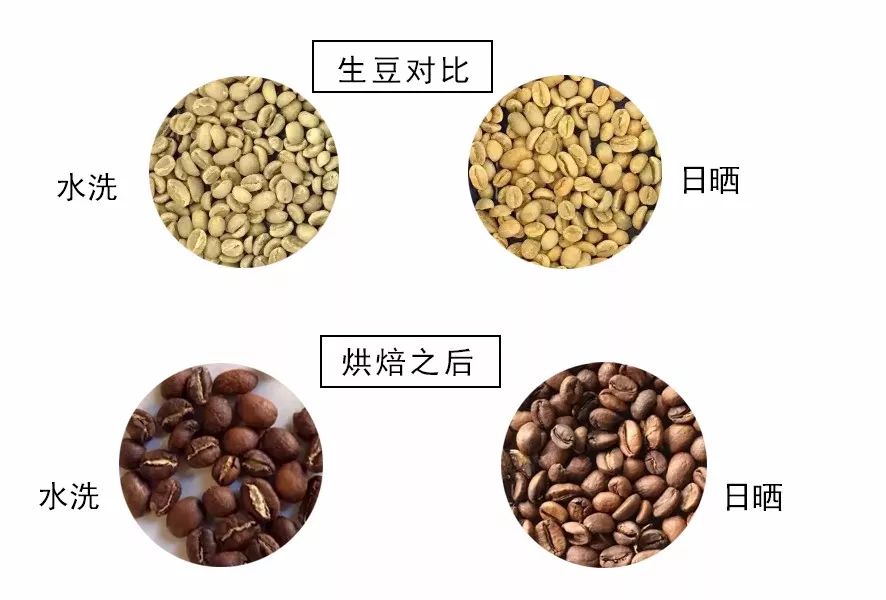
The biggest difference between the two processing methods lies in whether the fruit pulp is removed. The natural process involves drying the whole coffee cherry directly under the sun, enabling the green beans to absorb the sugars and aromas from the pulp during the drying process. As a result, it typically boasts a fuller body and more pronounced fruitiness — this is also one of the most traditional processing methods. In contrast, the washed process quickly removes the skin and pulp after harvest, keeping only the beans still attached to the parchment. Then, through tank fermentation, the mucilage is removed, followed by thorough rinsing with clean water, and finally the beans are spread in thin layers to dry until the moisture content drops to around 12%. This technique ensures consistency across each bean, shortens drying time, improves overall quality stability, and contributes to its bright, vibrant, and well-defined flavor expression.
If you prefer a refreshing and pleasant coffee experience, it is recommended to choose washed Yirgacheffe beans. These beans often exhibit prominent notes of lemon, jasmine, and passion fruit, with a bright acidity that is not overly sharp — perfect for a morning pick-me-up or pairing with light meals. On the other hand, if you’re drawn to a complex profile where intense fruitiness meets sweetness, natural processed Yirgacheffe can satisfy your palate. Common tropical fruits such as mango, blueberry, or even wine-like aromas may emerge in the cup, accompanied by a smooth body and lingering aftertaste.
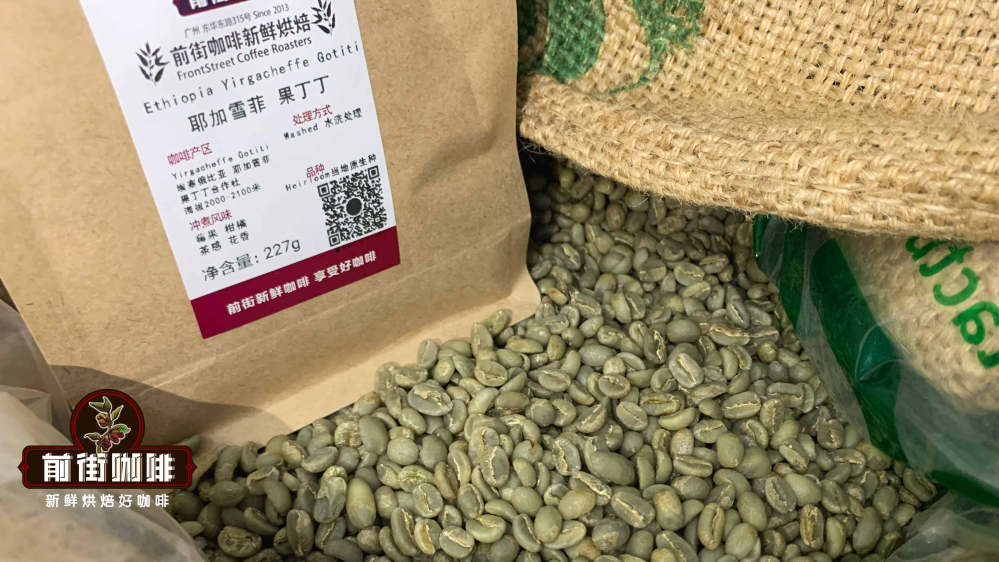
In actual tasting, washed Yirgacheffe typically showcases elegant acidity and a clear citrus dominant tone. Its clean character is as layered as a fine perfume — upon tasting, you’ll often find bright berry or floral notes with a refreshing finish and noticeable after-sweetness. These beans are commonly classified as Grade 1 (G1) and Grade 2 (G2), where G1 represents higher quality with lower defect rates and more outstanding flavor performance. Natural Yirgacheffe, on the other hand, retains the full fruit during processing, leading to more fermentation reactions during drying and often resulting in richer sweetness and a more complex aroma spectrum. Its grading ranges from G1 to G5, where G1 natural beans boast an astonishing intensity of fruitiness, often surprising drinkers with how naturally sweet coffee can taste like fresh fruit.
When brewing high-quality Yirgacheffe using pour over methods, it is recommended to use a pulse pouring technique to fully extract the essence of the beans and balance acidity, sweetness, and body. A set of parameters that have proven effective includes: a 1:15 coffee-to-water ratio, medium-fine grind size (similar to the texture of granulated sugar), water temperature controlled at around 92°C, and total brew time maintained at approximately 2 minutes. Such settings help highlight the bean’s inherent floral and fruity notes while avoiding over-extraction that could lead to astringency or off-flavors. During the actual brew, start by pouring a small amount of hot water for the bloom to activate the coffee grounds, then proceed with pulsing the remaining water. Pay attention to maintaining a stable pour rate and appropriate pour height to achieve the optimal extraction.
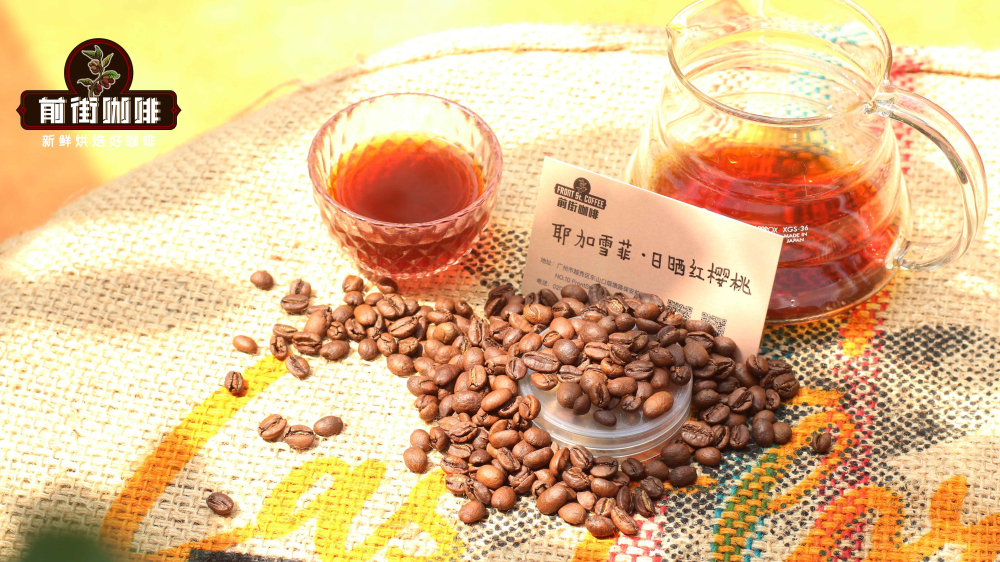
When you adjust your brewing variables following the suggestions above, a fine cup of Yirgacheffe specialty coffee will reveal its unique terroir character. The washed version may deliver a combination of lemon peel, white flowers, and a light tea-like sensation, with lively acidity and a clean finish; whereas the natural version may unfold tropical fruit sweetness in the mouth, paired with honey-like sweetness and a smooth mouthfeel. No matter which processing method you choose, you’ll gain a deep appreciation for the distinctive charm of Ethiopian coffee. Remember, coffee flavor is not just about bean variety and origin — the processing method is a key factor that shapes the final cup profile.
The above content is compiled by CoffeeHunters, a coffee news website.


