








Introduction:When selecting pour over coffee beans, the choice between natural (sun-dried) and washed processing methods can often be confusing. These two processing techniques not only influence the flavor direction of the coffee but also determine the balance of acidity and sweetness, as well as the complexity of the mouthfeel. This article delves into the processing procedures, flavor profiles, and historical backgrounds of both methods, and provides practical buying advice to help you find the most suitable pour over coffee beans based on your personal taste.
When you walk into a café and order a pour over, you’ll often see “natural” or “washed” marked on the menu. Many beginners in specialty coffee wonder: what exactly is the difference between these two processing methods? In fact, even coffee beans from the same origin and variety can produce vastly different cup flavors when processed using natural or washed methods. This article will systematically analyze the core differences between natural and washed processing from the perspectives of processing techniques, flavor profiles, historical backgrounds, and commercial factors, and include curated pour over coffee bean recommendations to help you choose beans that better align with your taste preferences.

In the world of coffee, there is a wide variety of processing method terms: “washed,” “natural,” “semi-washed,” “semi-natural,” “honey process,” and so on... Among them, natural and washed are the most fundamental and commonly seen categories. Even if the beans come from the same origin and variety, just a change in the processing method can lead to completely different flavor directions. This often leaves many consumers puzzled: what exactly is the difference between washed and natural? Which one is more suitable for my taste?
Let’s start with the “natural method.” This processing approach involves directly drying the harvested ripe coffee cherries without first removing the skin and pulp. During the lengthy drying process, the rich sugars and aromatic compounds within the fruit are fully preserved and gradually penetrate the green coffee beans. At the same time, the natural processing cycle is longer, with a longer fermentation period, which is why natural beans often exhibit more pronounced natural fruit flavors and fermentation notes compared to washed beans.
On the other hand, the “washed method” uses large amounts of water and machinery to sort the coffee cherries and remove the pulp. Throughout this process, defective beans and impurities are repeatedly removed. The washed method typically ferments the beans in water tanks for one to two days to remove the remaining mucilage, after which they are dried. This fermentation stage gives washed beans their signature bright acidity and clean mouthfeel, resulting in an overall flavor that is more transparent and balanced.
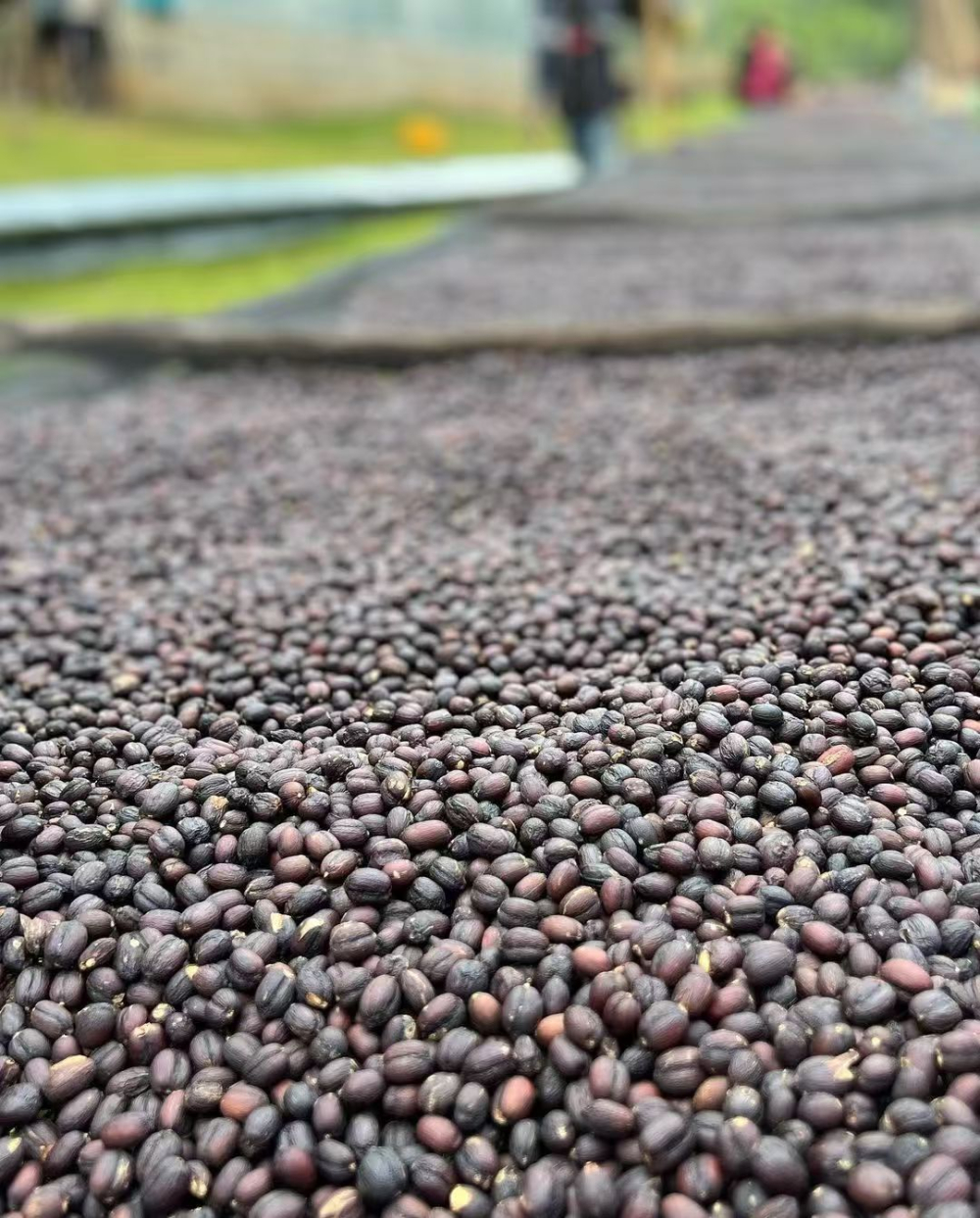
The core difference between natural and washed lies in the following: the natural method allows the coffee cherries to dry naturally, with the beans maturing inside the fruit, largely undisturbed by external factors. As a result, the inherent flavors of the beans are amplified, with distinctive fruitiness, higher body, intense flavors, and noticeable sweetness. If you prefer coffee with prominent sweetness, you might want to try beans processed using the natural method. Washed beans, on the other hand, typically showcase high aromatic intensity, vibrant acidity, and a cleaner profile.
To put it more simply, natural beans remain wrapped in their fruit pulp throughout the drying phase, so fruity flavors are especially prominent, and the sweetness is generally higher than that of washed beans. Washed beans, having had their pulp removed before drying, more easily highlight the intrinsic flavor characteristics of the coffee beans themselves.
From a historical perspective, the natural method is actually the original form of coffee bean processing. The original coffee-growing regions—various countries in Africa—mostly have scarce rainfall, so natural sun drying was the method naturally chosen by locals. However, in countries with tropical rainforest climates like Indonesia, where it rains year-round, using the natural method would make the beans prone to mold and rot. As a result, the washed method came into being.
From a commercial standpoint, the washed method can significantly reduce processing time from about a month down to three to five days, greatly improving production efficiency. But Ethiopia is a bit of a special case. Although the washed method is named as such, it actually consumes a lot of water due to the country’s relatively limited water resources. Therefore, natural processing is more commonly used for coffee beans there.
As for whether to choose washed or natural for your pour over coffee, it ultimately depends on personal preference. Some people love natural beans with intense fruit aromas and rich sweetness, while others prefer washed beans with bright, lively acidity and a clean profile. In the world of specialty coffee, the processing method isn’t the only key factor—bean quality and roast level are equally important. Finding the one that suits your taste is the true joy of pour over coffee.
The above content is compiled by CoffeeHunters, a coffee news website.


